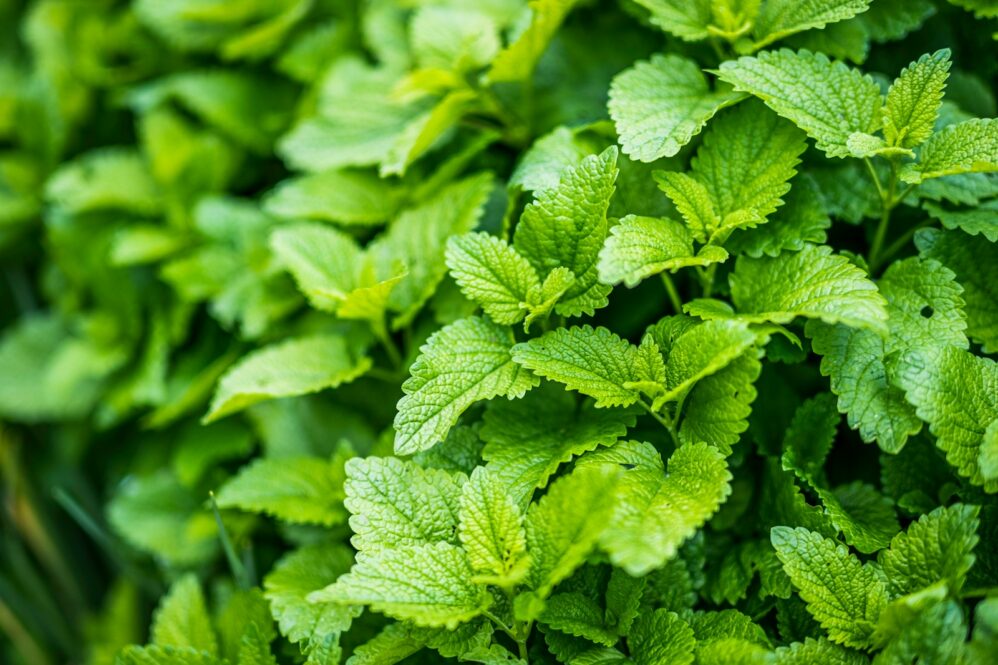
9 Plants to Consider for Mosquito Control: What Science Really Says
Many people are drawn to the idea of using plants as a natural way to repel mosquitoes. The notion of having a green, fragrant barrier against these pesky insects is appealing. However, the reality of plant-based mosquito control is more nuanced than it might seem at first glance.
While some plants are marketed as mosquito repellents, the scientific community remains skeptical about their effectiveness in real-world settings. Here are nine plants frequently cited in the conversation about mosquito control, and what the research actually says about their capabilities.
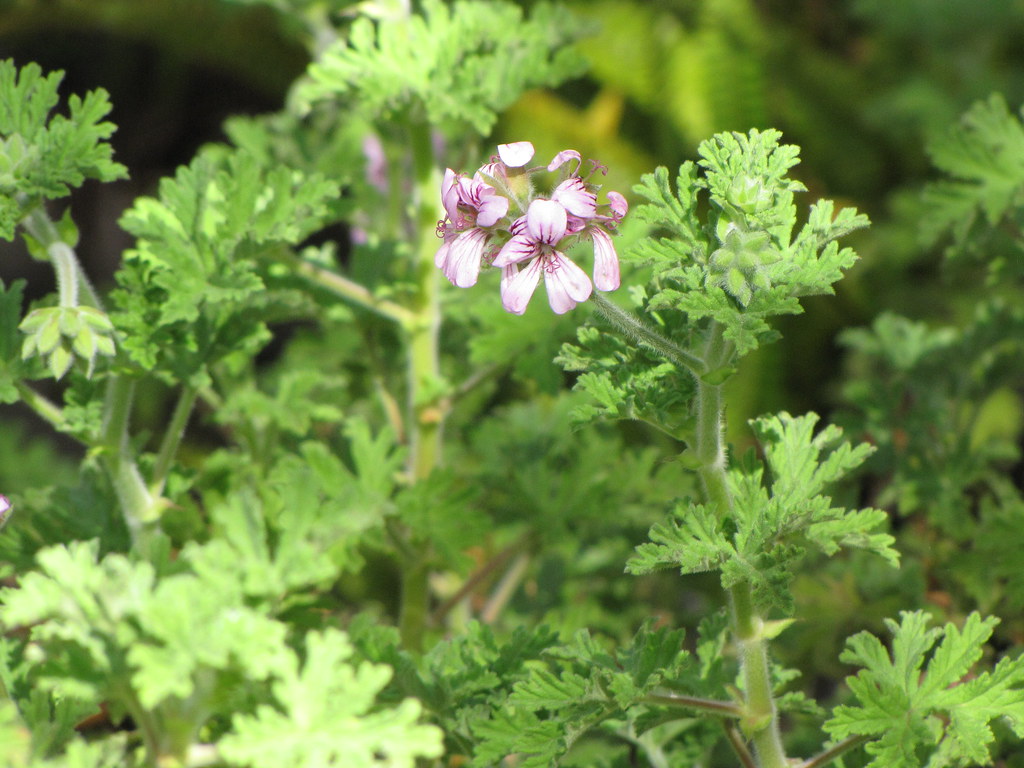
9. Citrosa (Pelargonium x citrosum)
Often sold as the “mosquito plant,” Citrosa is a popular choice among gardeners.
Despite its marketing, research indicates that Citrosa does not repel mosquitoes and may even attract them. This highlights the importance of relying on scientific evidence rather than marketing claims.
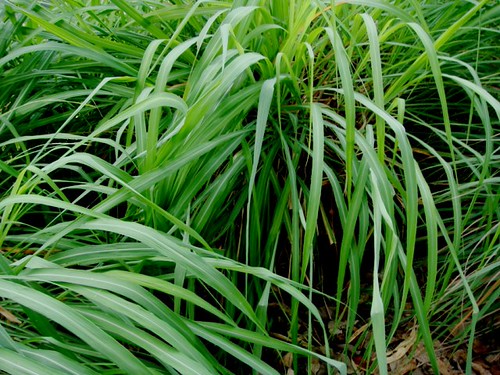
8. Citronella Grass (Cymbopogon spp.)
Citronella grass is well-known for its use in mosquito-repelling products.
While the plant itself may not repel mosquitoes, citronella oil extracted from it has shown repellent properties and is used in several EPA-approved formulations.
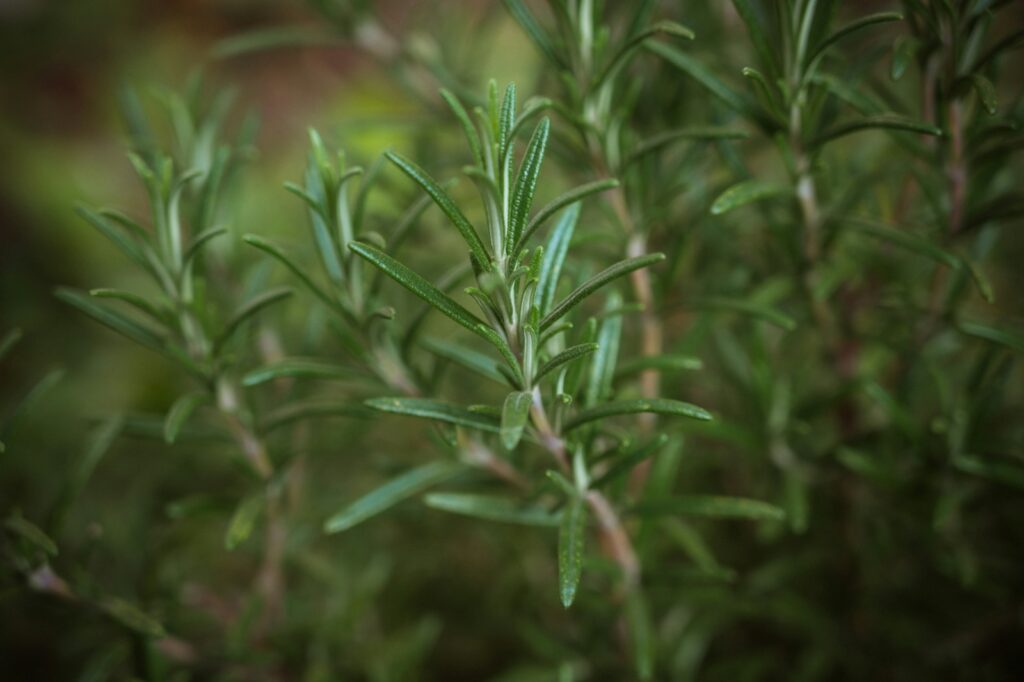
7. Rosemary (Rosmarinus officinalis)
Rosemary is a common herb that some believe can help deter mosquitoes.
In laboratory settings, rosemary essential oil has shown potential in killing mosquito larvae, but the plant itself hasn’t been proven to provide direct repellent effects.
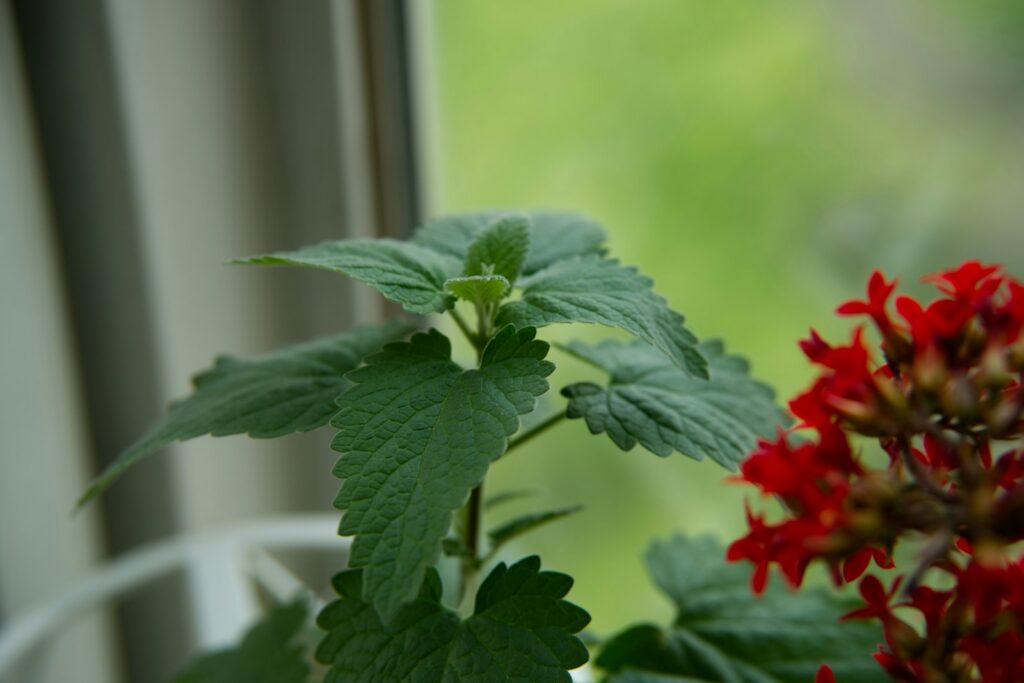
6. Catnip (Nepeta cataria)
Catnip is more than just a treat for felines; it also has potential as a mosquito repellent.
Studies have demonstrated that catnip essential oil can offer good protection against certain mosquito species, making it a component in some EPA-approved repellents.
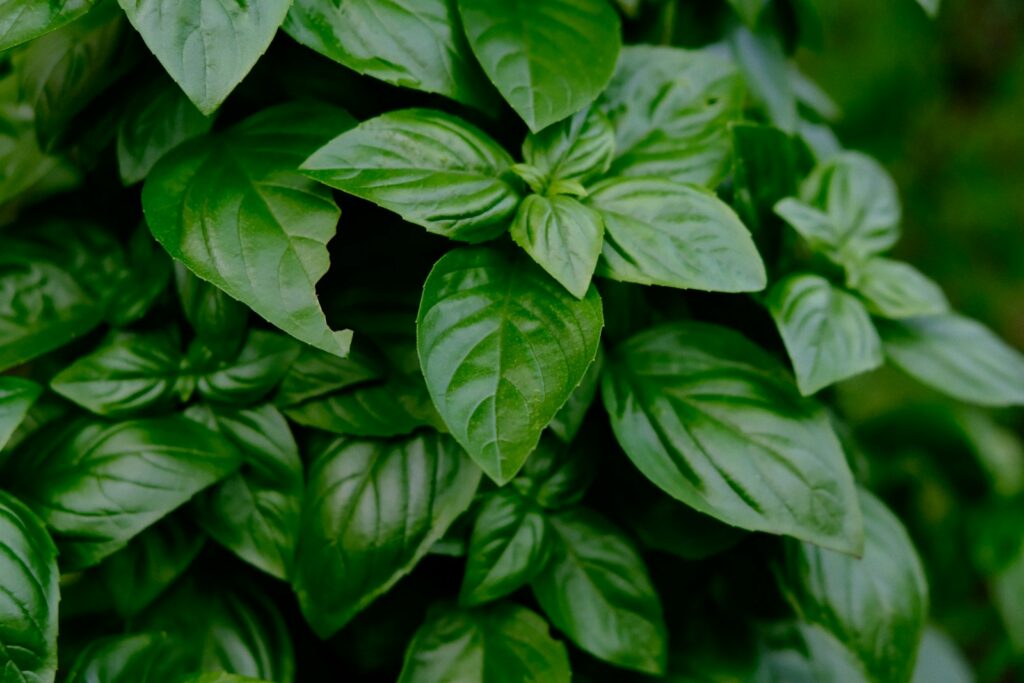
5. Basil (Ocimum basilicum)
Basil is a popular culinary herb that some suggest might repel mosquitoes.
While basil extracts have shown larvicidal effects in laboratory tests, the plant itself hasn’t been tested for its repellent capabilities in natural settings.
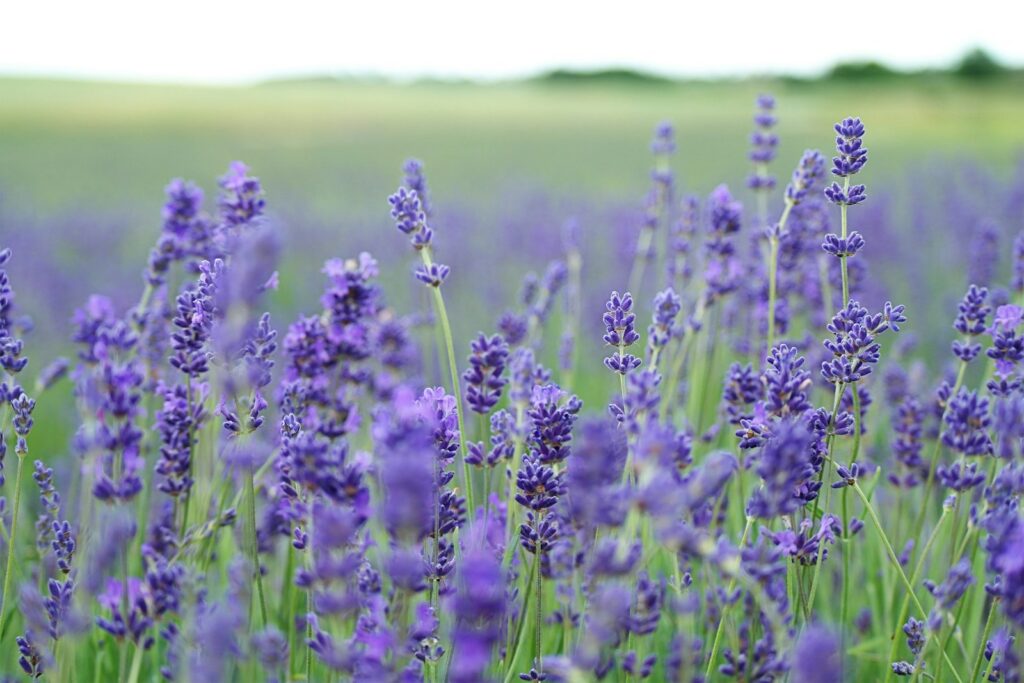
4. Lavender (Lavandula spp.)
Lavender is often touted for its soothing scent and potential insect-repelling qualities.
While lavender oil might offer some repellent properties, the plant itself does not emit enough of these compounds naturally to effectively repel mosquitoes.
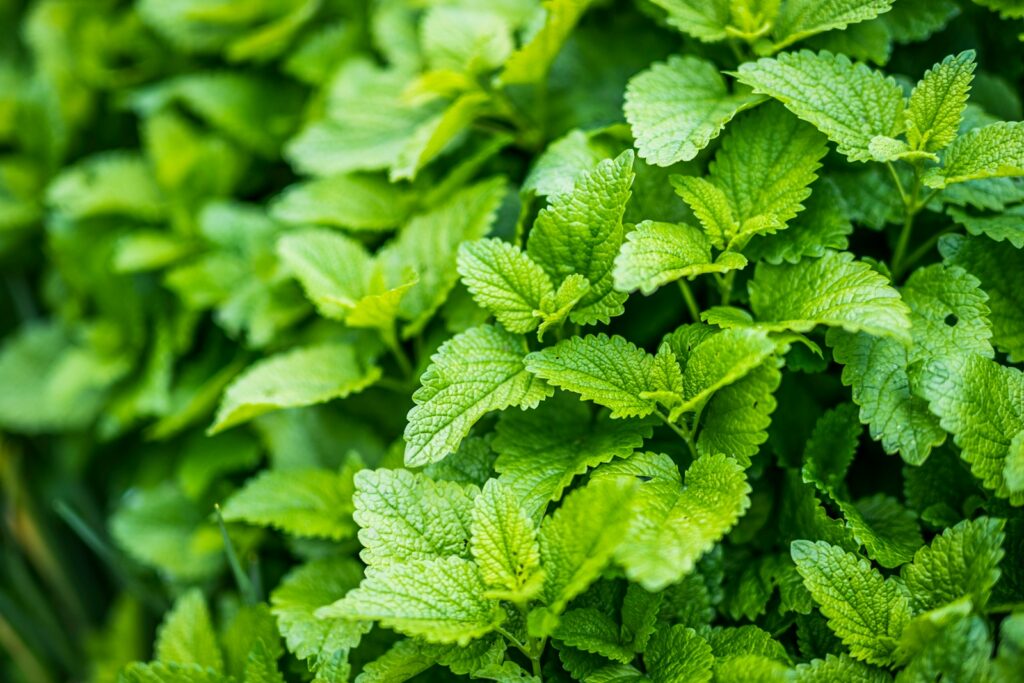
3. Mint (Mentha spp.)
Mint is another plant often mentioned in the context of mosquito control.
Though mint oils have shown some effectiveness in repelling mosquitoes, the plant itself may not produce enough of these oils to have a significant impact.
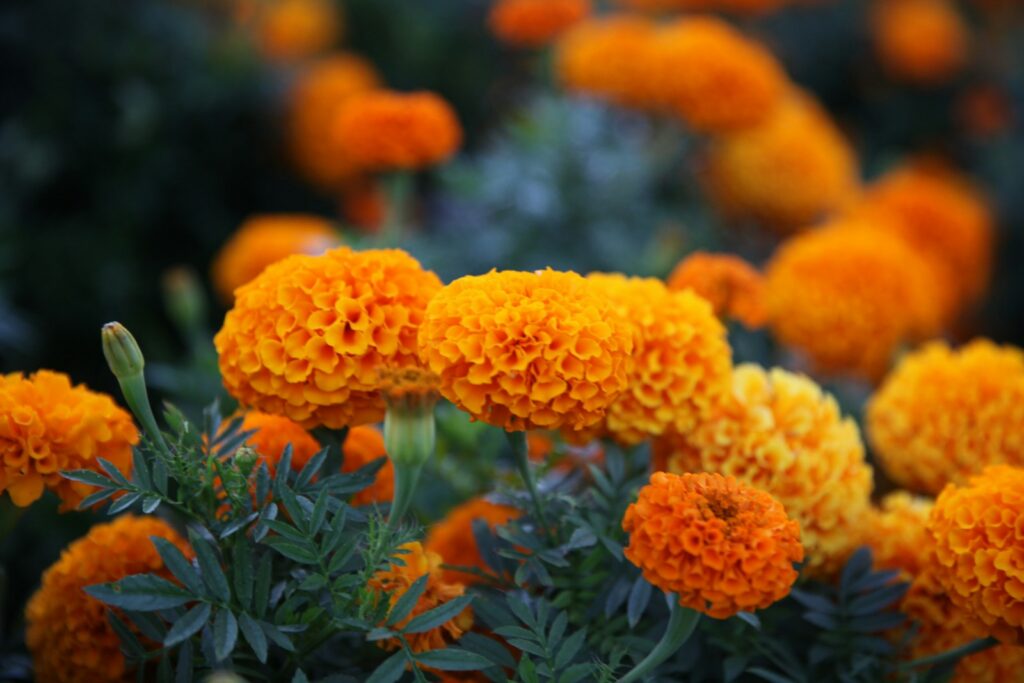
2. Marigold (Tagetes spp.)
Marigolds are often planted in gardens for their vibrant colors and supposed pest-repelling abilities.
While marigolds are known to deter some garden pests, there is no conclusive evidence that they effectively repel mosquitoes.
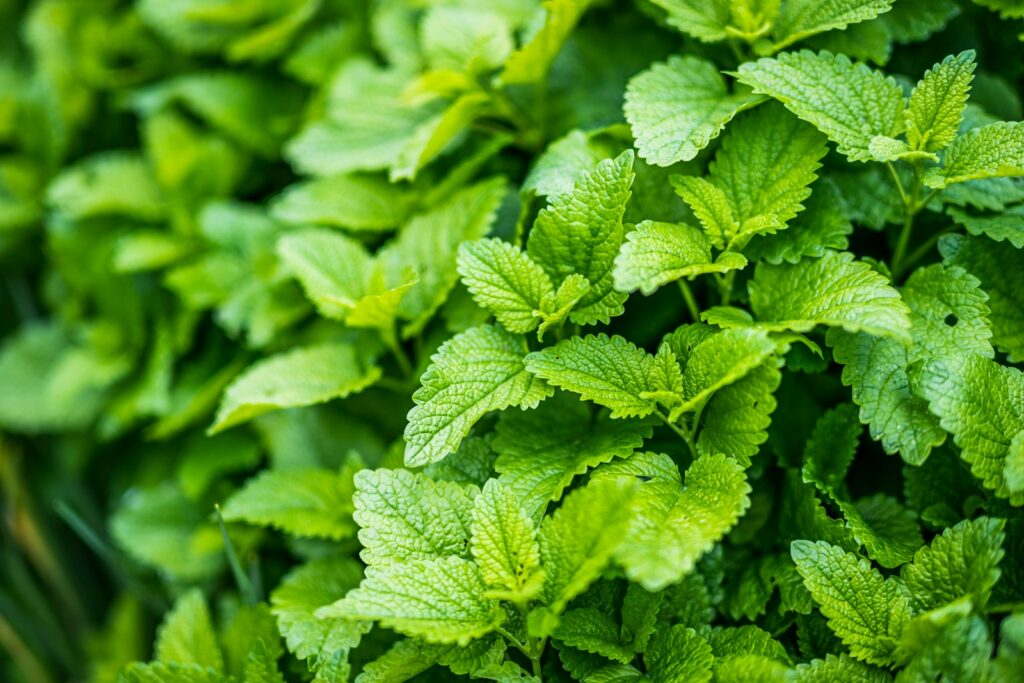
1. Lemon Balm (Melissa officinalis)
Lemon balm is a fragrant herb often suggested for its mosquito-repelling potential.
While lemon balm contains compounds that may repel mosquitoes when extracted and concentrated, the plant itself does not provide a significant barrier against these insects in its natural state.
Read More:
- 9 Hidden Places Mosquitoes Might Be Breeding Around Your Home
- 10 Tips for Beating Mosquitos This Summer
- What Retirees Wish They Knew Before Moving to Florida
Ask us! What questions do you have about content, strategy, pop culture, lifestyle, wellness, history or more? We may use your question in an upcoming article!
Like MediaFeed’s content? Be sure to follow us.
This article originally appeared on Resourcebuzz and was syndicated by MediaFeed.co.