10 Places ’70s Kids Went Without Their Parents
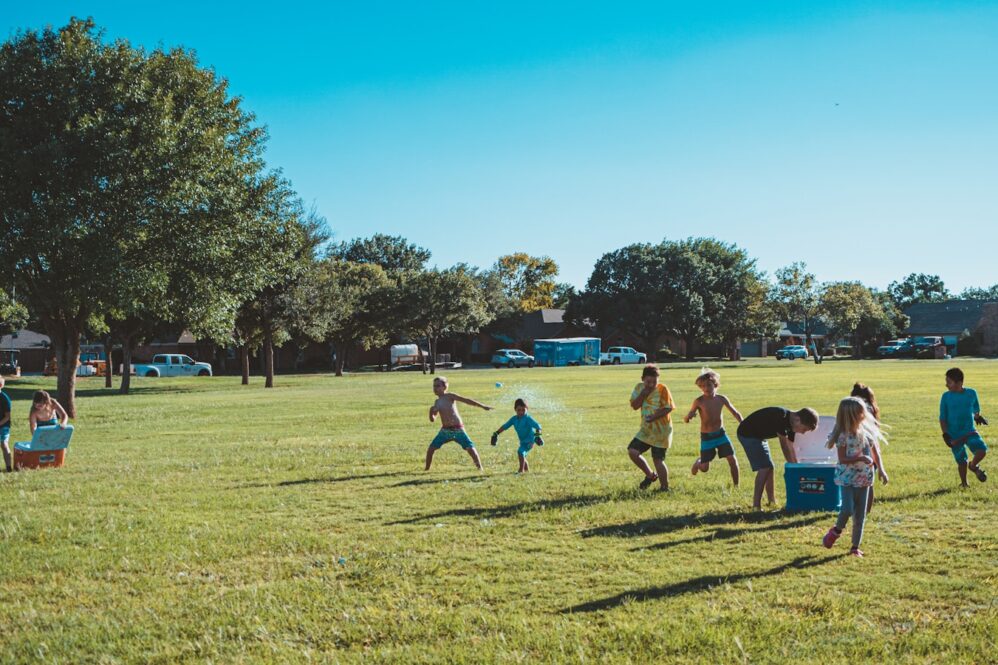
For many kids growing up in the 1970s, leaving the house did not require a detailed itinerary. You told someone where you were going, or sometimes simply announced that you were going out, and disappeared until dinner.
Experiences varied depending on where you lived, but childhood often came with far more freedom to roam than many kids have today. Here are 10 places ’70s kids regularly went without a parent tagging along.
10. The Corner Store
A little pocket money could buy an entire afternoon’s worth of independence.
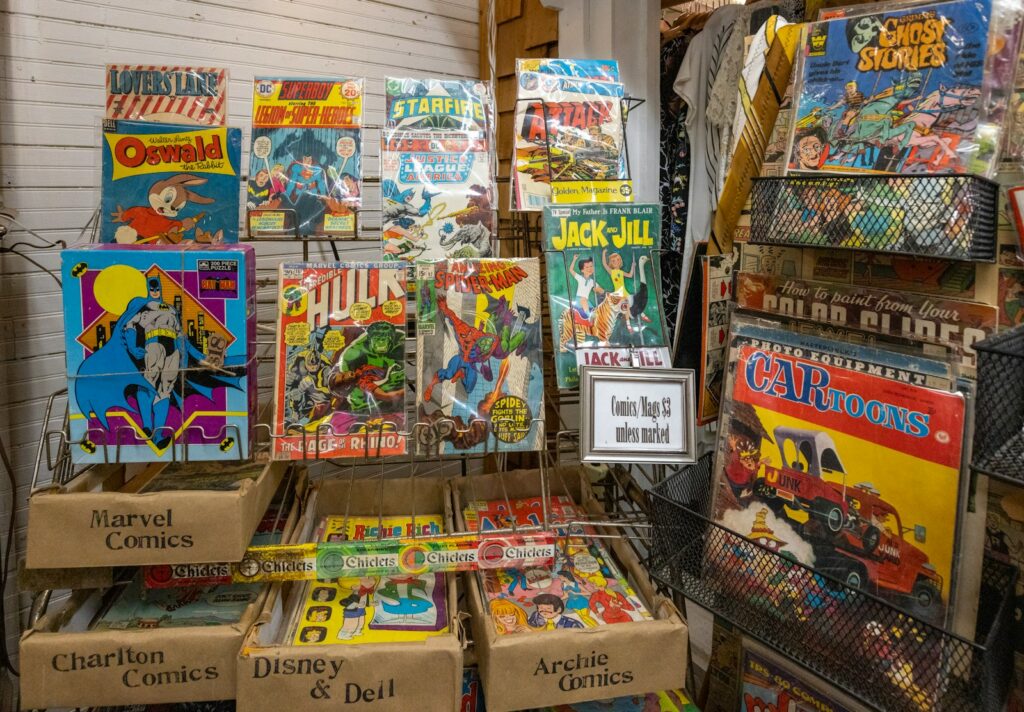
Kids walked or rode their bikes to the nearest store for candy, soda, comic books, or baseball cards. The trip itself was often as important as whatever they bought.
9. The Public Library
The library was one of the few places where kids could spend hours without being expected to buy anything.
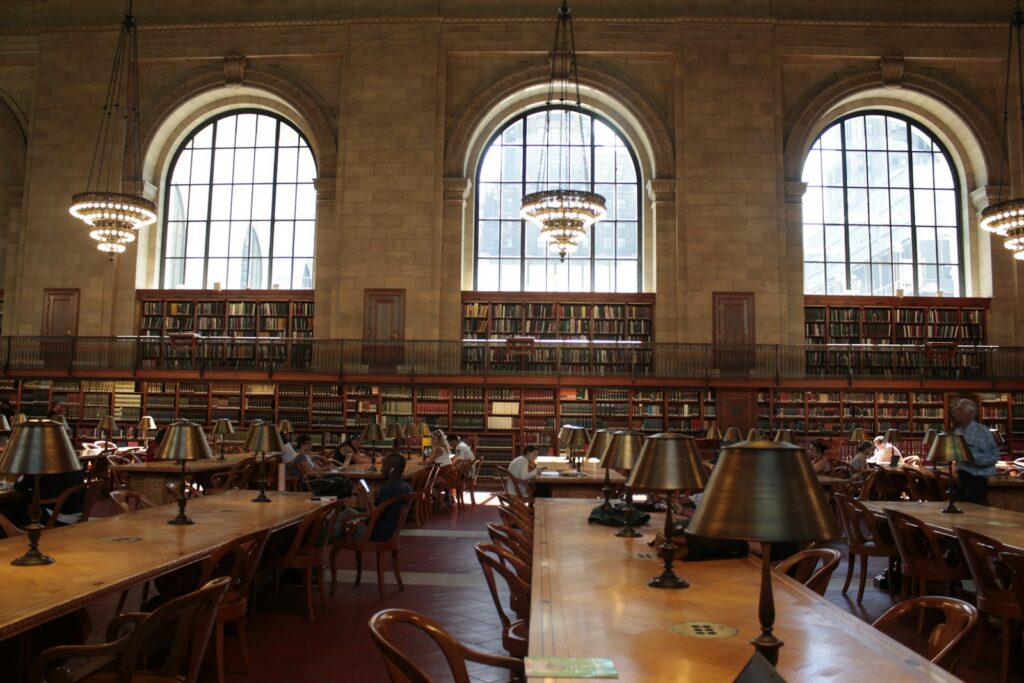
Children wandered the shelves, read magazines, worked on school projects, and killed time in air conditioning. Getting there and back was often their own responsibility.
8. The Movie Theater
A trip to the movies did not always include an adult sitting a few rows away.
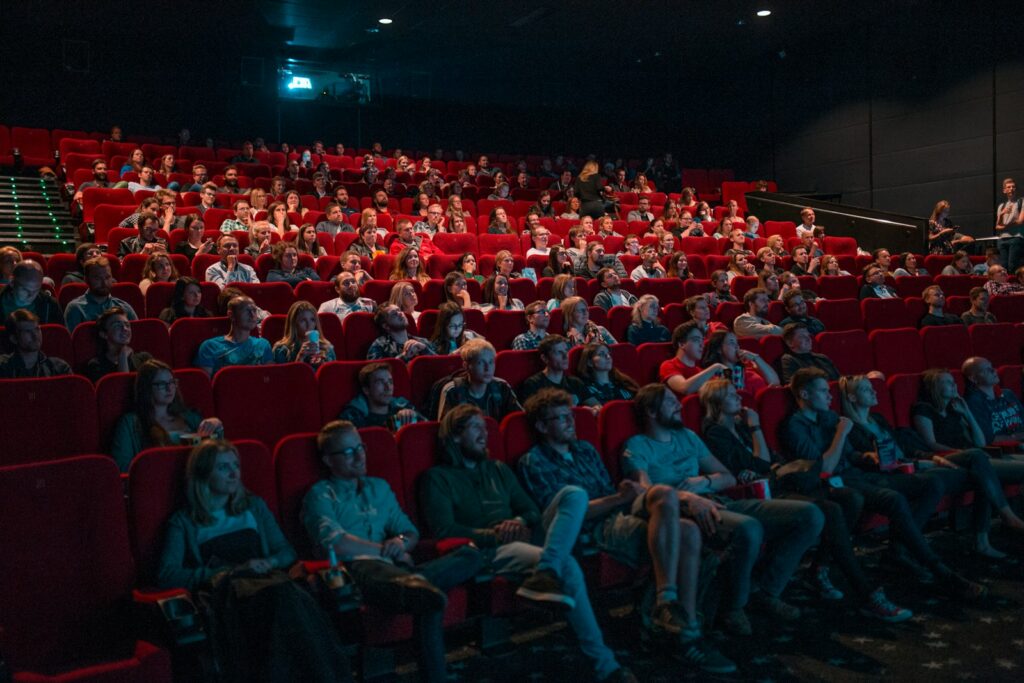
Older kids and teenagers could be dropped off or make their own way to the theater, buy a ticket, and spend a few hours watching whatever was playing. Parents generally expected them to figure out when the movie ended.
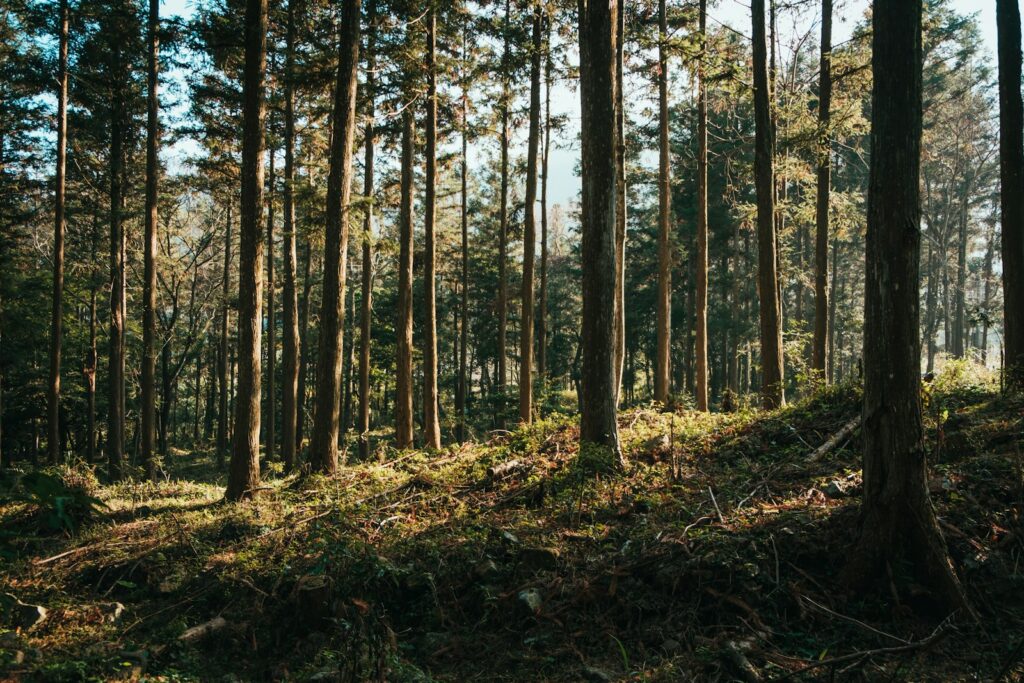
7. The Woods
For many ’70s kids, any patch of trees became a destination.
They built forts, followed creeks, climbed trees, and invented entire worlds beyond adult supervision. Nobody had a map of exactly where they were, including the kids themselves.
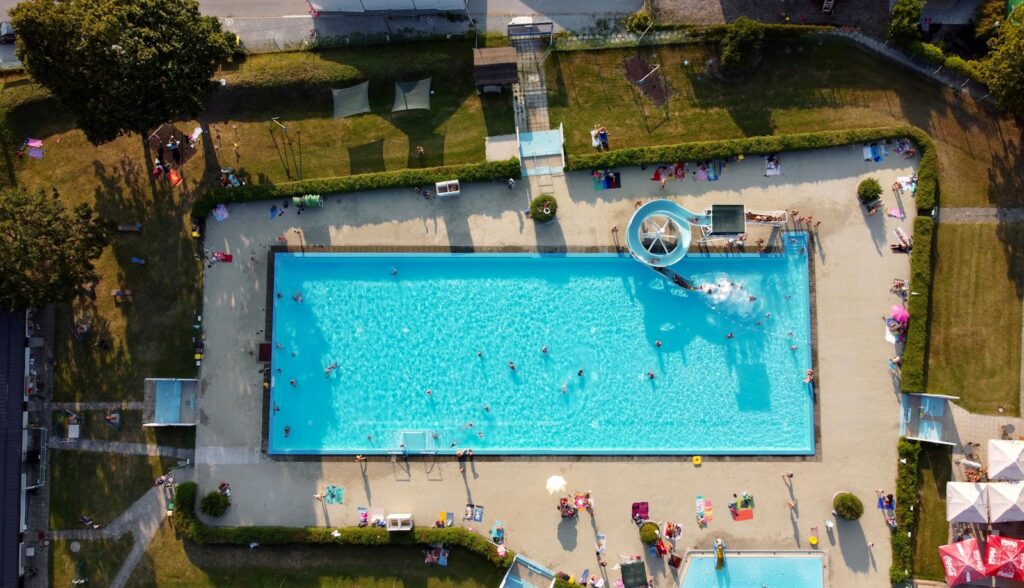
6. The Community Pool
Summer could mean entire days spent at the local pool.
Kids walked or biked there with towels and a little money for snacks, then stayed until closing time or until they were sunburned and exhausted. Lifeguards were present, but parents often were not.
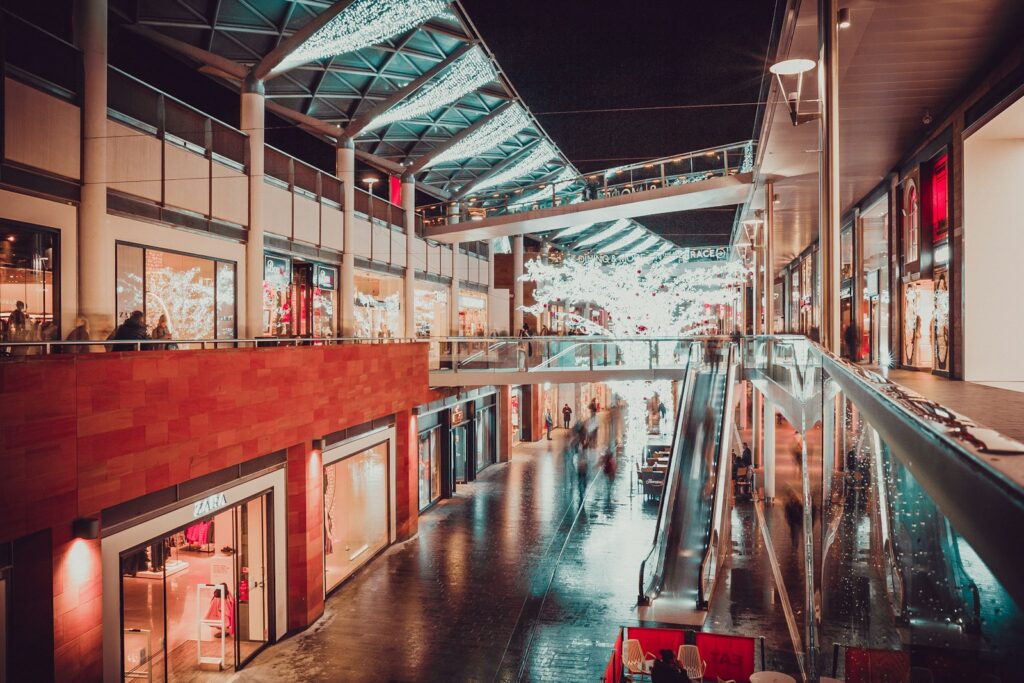
5. The Mall
As shopping malls spread across America, they quickly became destinations for young people.
Kids and teenagers wandered through stores, visited record shops, ate at snack counters, and watched the world go by. Being allowed to roam the mall without parents felt like a major step toward independence.
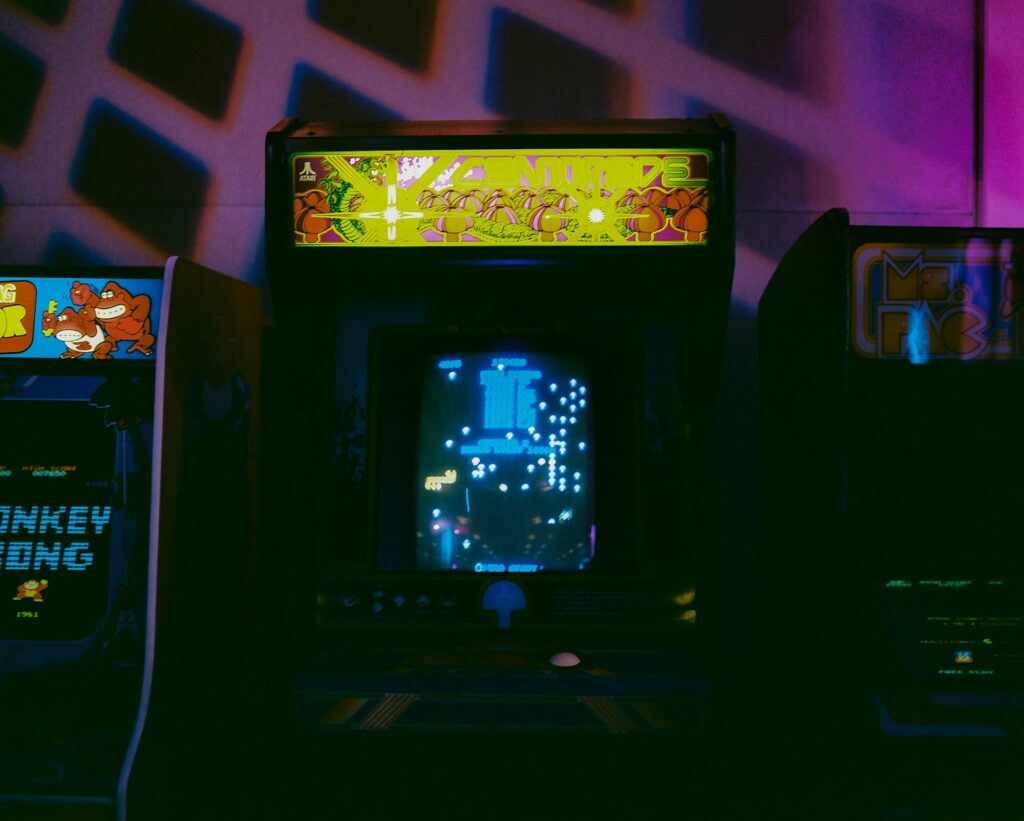
4. The Arcade
A pocketful of quarters could buy freedom by the game.
Kids gathered around pinball machines and early arcade games, watching other players and stretching their money as long as possible. Adults rarely hovered nearby.

3. A Friend’s House
Going to a friend’s house could involve very little coordination between adults.
You knocked on the door, asked if your friend could come out, and perhaps disappeared inside for several hours. Parents might not speak to one another unless someone needed a ride home.
2. The Park or Playground
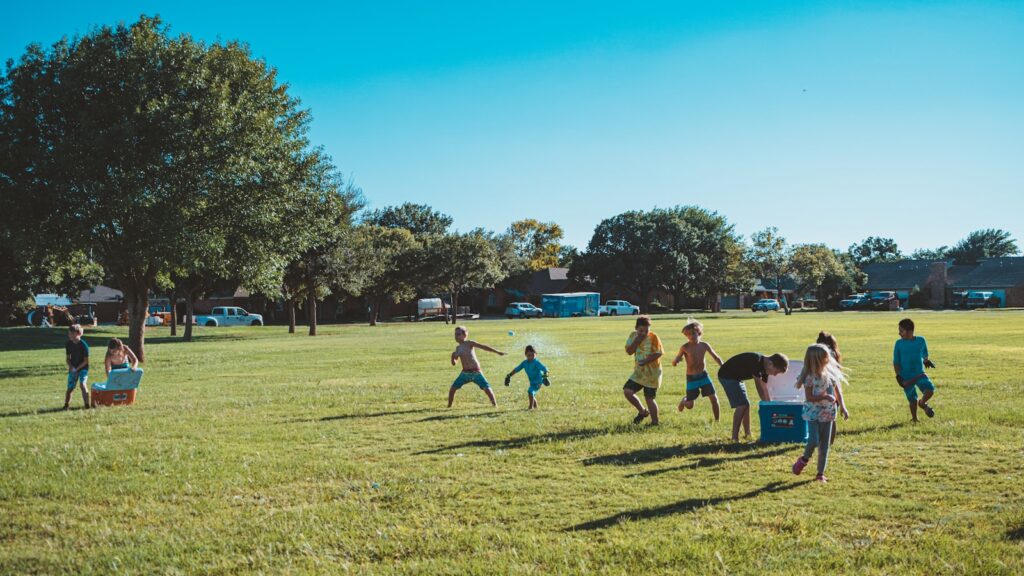
Parks were places kids went, not necessarily places adults took them.
Children met friends, played ball, climbed equipment, and stayed until hunger or darkness sent them home. Supervision often came from whichever older kids happened to be around.
1. Wherever Their Bikes Could Take Them
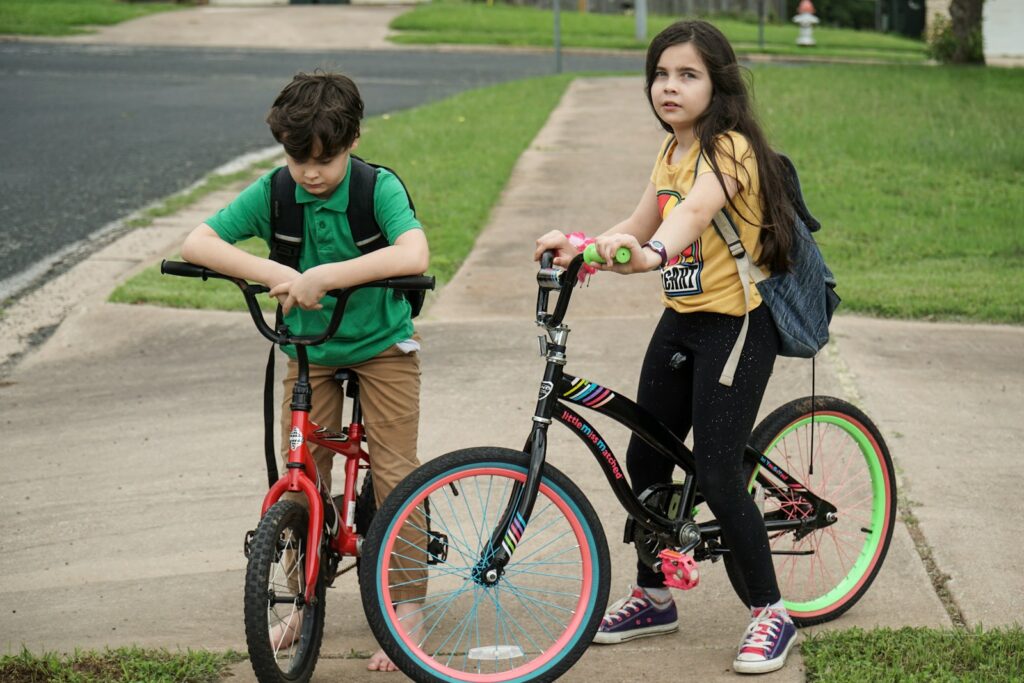
For many ’70s kids, a bicycle dramatically expanded the boundaries of childhood.
It could take you to stores, parks, creeks, friends’ houses, construction sites, and neighborhoods your parents might not even know you visited. As long as you made it home on time, the exact route often remained your own business.
Read More:
- If You Grew Up in the ’70s, These 30 Things Will Hit Home
- 10 Sounds Every ’80s Kid Remembers
- 10 Things Every Kid Carried in the 1980s
Ask us! What questions do you have about content, strategy, pop culture, lifestyle, wellness, history or more? We may use your question in an upcoming article!
Like MediaFeed’s content? Be sure to follow us.
This article originally appeared on Resourcebuzz and was syndicated by MediaFeed.co.