12 ’90s hits that radio stations played to death
You know every song on this list. You didn’t choose to learn any of them. That’s the thing nobody talks about when they talk about 90s nostalgia; most of what you remember from that decade you remember because a program director somewhere decided you were going to hear it again, and again, and again, until it stopped being a song and became something closer to a weather condition. Radio loved these songs. That was the problem.
The documentation here comes from Rolling Stone’s readers’ poll and Billboard’s 1997 retrospective.

“MMMBop” — Hanson (1997)
Before NSync. Before Backstreet Boys crossed over. Before teen pop had a lane. This song arrived in an empty space, and the radio, having nothing else to put there, filled it entirely with it. Most people who know this melody never chose to learn it — it arrived without asking, the way certain things arrive. Rolling Stone calls it the center of the late-90s teen pop explosion.

“What’s Up?” — 4 Non Blondes (1993)
No follow-up existed. The radio had one song and played it accordingly. What that did to the people who wrote it is something Rolling Stone caught in Linda Perry’s own words, and the short version is: not great.

“I’m Too Sexy” — Right Said Fred (1991)
The joke requires surprise. Radio eliminates surprise. Rolling Stone called this the definitive case, and what remains after the surprise is gone is not funny, not music, and somehow still in your head thirty years later.

“Tubthumping” — Chumbawamba (1997)
Two decades of anarchist political conviction. One summer of American radio. Rolling Stone profiles what was left: a chant about getting knocked down, stripped of every shred of context, adopted by the exact kind of crowd the band had spent twenty years arguing against. They never got the context back.
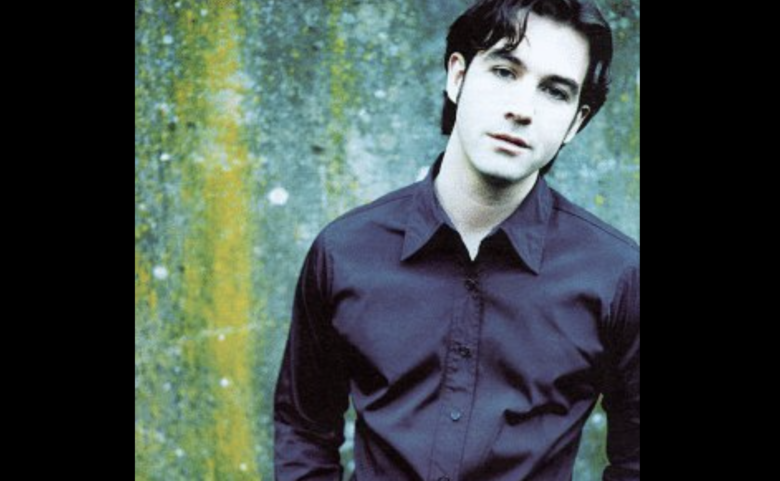
“Barely Breathing” — Duncan Sheik (1997)
Overplayed to hell at the time, structurally perfect in retrospect. Billboard put both things in the same sentence and meant both of them, which is the most honest fifty-five weeks on the Hot 100 have ever been described.

“Ironic” — Alanis Morissette (1996)
Nobody analyzes a song they’ve heard twice. The grammar argument around this one is entirely the radio’s fault. If you play something to people long enough, they stop listening and start studying, which is what Rolling Stone readers did, and the results have been debated ever since.

“All Star” — Smash Mouth (1999)
Radio got it in. Film soundtracks kept it in. Shrek made it permanent. Billboard traced how the late 90s built unkillable songs and this one simply refused to die.

“My Heart Will Go On” — Celine Dion (1997)
She never wanted to record it. Rolling Stone put it in the overplayed conversation without hedging. Every program director in America had a Titanic-shaped justification and none of them needed much persuading.
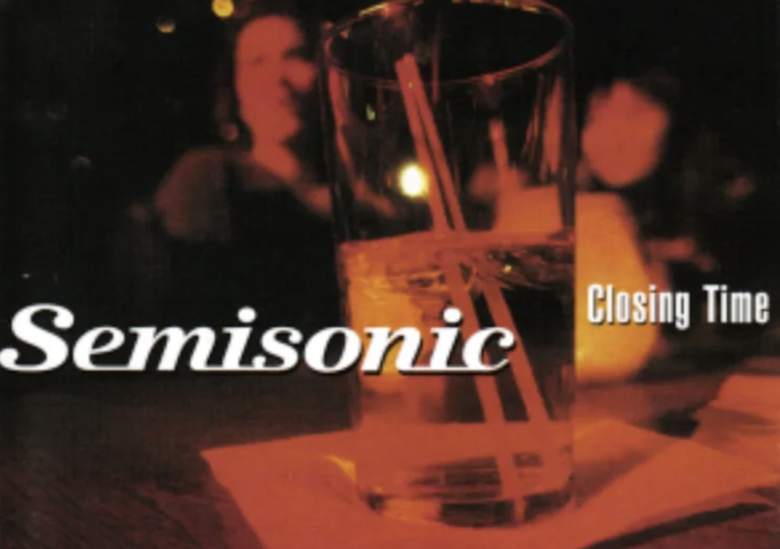
“Closing Time” — Semisonic (1998)
Dan Wilson wrote it the night his daughter was born. Billboard tracked what radio did with it after: attached it to every closing time that existed, every bar, every gymnasium, every skating rink, until the song about a birth became the universal instruction to go home.

“Mambo No. 5” — Lou Bega (1999)
Every name in that chorus is in your head right now and you put none of them there. Rolling Stone calls that involuntary memorization the decade’s cleanest definition of saturation. Can’t argue with the results.

“Genie in a Bottle” — Christina Aguilera (1999)
NSync running. Backstreet Boys running. Now this. Rolling Stone noted the collective damage belonged to no single song and somehow that made it worse.

“Fly” — Sugar Ray (1997)
Zero resistance. Zero complaint calls. Zero reason for any programmer to pull it. Billboard placed 1997 as the year that the formula reached its ceiling. Two full years in rotation at a volume nobody requested and nobody knew how to stop.

The bottom line
Not bad songs. Some of them genuinely excellent. What they share is the fate of being exactly right for radio at exactly the wrong moment for themselves.
Ask us! What questions do you have about content, strategy, pop culture, lifestyle, wellness, history or more? We may use your question in an upcoming article!
Related:
- 12 iconic rock songs that wouldn’t fly today
- The most controversial songs of the ’60s: Do you agree?
Like MediaFeed’s content? Be sure to follow us.
This article was syndicated by MediaFeed.co.