
The songs everyone thought were romantic but really aren’t
Nobody falls in love with lyrics. You fall in love with the song, and the words are somewhere in the back, behind the melody, behind the hook, behind whatever the whole thing does to you before your brain has even started processing sentences. That’s the only explanation for how a surveillance anthem became a wedding standard. How a vampire love ballad is now karaoke. How a song describing psychological entrapment gets played at receptions while people dab their eyes and somebody’s aunt requests it for the first dance. The words were right there. They were always right there.
You’ve heard every song on this list. Probably more than once. Possibly at your own wedding.

“Every breath you take” by The Police (1983)
Sting has said in interviews that he finds the wedding thing genuinely disturbing. Can’t blame him. He wrote the song about a man cataloging his former partner from a position of obsession that is quite specifically not love. Rolling Stone has Sting on record describing it as a very sad song written during a time of awful personal anguish. The production is so romantically framed that the obsession lands as devotion, and you’d have to be actively analyzing lyrics at 7 am to catch it, which is not what most people are doing when a song this pretty is playing.

“Total eclipse of the heart” by Bonnie Tyler (1983)
Jim Steinman wrote it for a Nosferatu musical. That sentence is doing a lot of work and it is completely true. Every line, vampires. Then Bonnie Tyler recorded it and the fog machines arrived and the world received it as a power ballad and nobody corrected anybody. WCSX documents Steinman’s stated intention: the lyrics are gothic lines about darkness and what love means inside it. The production was so committed to its own emotional scale that the actual content vanished somewhere around the first chorus and never came back. What survived was a karaoke standard. A gothic horror ballad performed earnestly at hen parties worldwide.
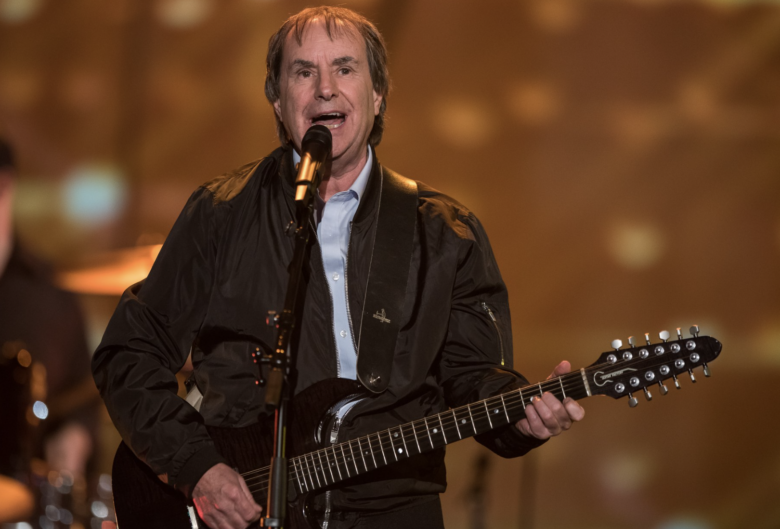
“Lady in red” by Chris de Burgh (1986)
Here is what Rolling Stone clocked and most listeners didn’t: the singer’s appreciation of this woman tracks directly with how many men at the party are paying attention to her. Take the other men away and the song falls apart. It is not about love. It is about being the guy who has the woman everyone else wants. Rolling Stone called it the ultimate trophy-wife ballad. The fake-glitz production is the perfect vehicle for that because it sounds like adoration right up until the moment you actually read it.

“You are so beautiful” by Joe Cocker (1975)
Three words are doing a lot of heavy lifting that almost nobody notices. Not “you are so beautiful.” “You are so beautiful to me.” The “to me” makes the whole declaration conditional. It’s the singer’s personal assessment, which, as a compliment to the person being addressed, carries roughly the weight of “I happen to find you attractive, based on my own criteria.” Rolling Stone tracks how the song built its reputation as a romantic standard around that hedged refrain. The “to me” is still in there. Every. Single. Time.
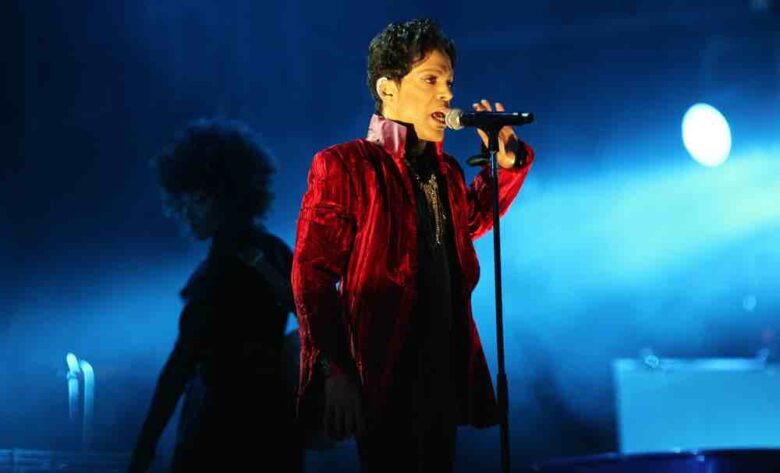
“Little red corvette” by Prince (1982)
The car is not a car. Nobody in 1982 pretended the car was a car, but radio programmers collectively decided to look the other way because the surface reading was just clean enough to justify it. WCSX documents how it crossed format lines that a more explicit song couldn’t have touched. Prince’s first top-ten hit was a success because it operated on two frequencies simultaneously. The family-friendly audience heard one song. The other audience heard what the song was actually about. Both were right.

“With or without you” by U2 (1987)
“I can’t live with or without you” is not a declaration of love. It is a description of a relationship so destructive that the narrator cannot function inside it or outside it. That is the clinical definition of codependence, and it got set to a melody so architecturally designed to produce transcendence that the content rides along inside it without anyone noticing. WCSX notes the gap between the song’s emotional effect and what the words are actually saying. The song has been played at more weddings than most people want to think about.

The bottom line
Pop music is not a delivery system for meaning. It’s a delivery system for feeling, and meaning is just a hitchhiker that most people never check the ID of. Every song on this list has been spectacularly misread at scale for forty years and the artists are mostly fine with it. The misunderstanding is structural. It was always going to happen this way.
Ask us! What questions do you have about content, strategy, pop culture, lifestyle, wellness, history or more? We may use your question in an upcoming article!
Related:
- 12 iconic rock songs that wouldn’t fly today
- The most controversial songs of the ’60s: Do you agree?
Like MediaFeed’s content? Be sure to follow us.
This article was syndicated by MediaFeed.co.