What could you buy for $1 in 1900?
November 2022 marked the highest level of inflation in nearly 40 years, according to the Bureau of Labor Statistics. Shoppers are feeling the strain as everything from gasoline to coffee gets more expensive. It makes you think how the value of $1 has changed over the years. For example, what could a dollar buy in the 1900s? Turns out, a lot more than you might think.
In the 1900s, $1 was worth the modern equivalent of $30 with inflation. Times were much different, though; it was an era before big box shops and online shopping, where people bought goods from grocery stores and catalogs for much lower prices than we do today.
A little data digging around the internet led us to these 24 things that $1 could buy in the 1900s.
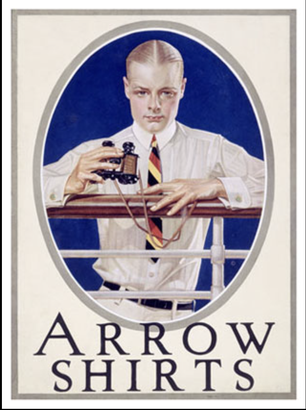
A men’s dress shirt
Back in the 1900s, a nice button-up shirt was a staple of every man’s wardrobe, and it cost one dollar. Today for a basic shirt at GAP, you will have to shell out around $60.
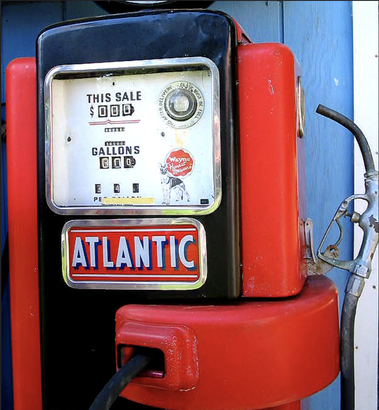
14.3 gallons of gas
In today’s market, $1 can buy 0.3 gallons of gasoline, while in the 1900s, it could buy an average of 14.3 gallons.
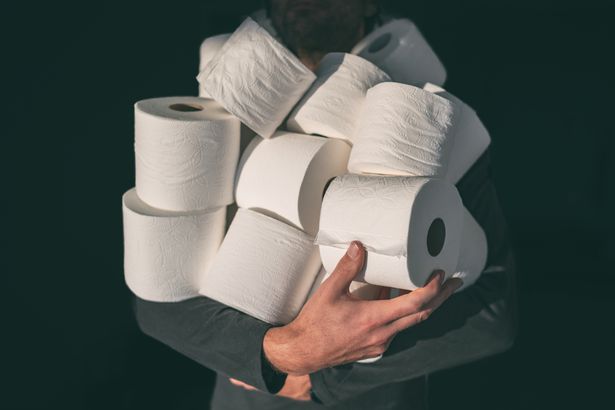
12 rolls of toilet paper
While in the 1900s, a dollar could bring you home 12 rolls of toilet paper, today, you get 1.2 toilet paper rolls for that amount of money.
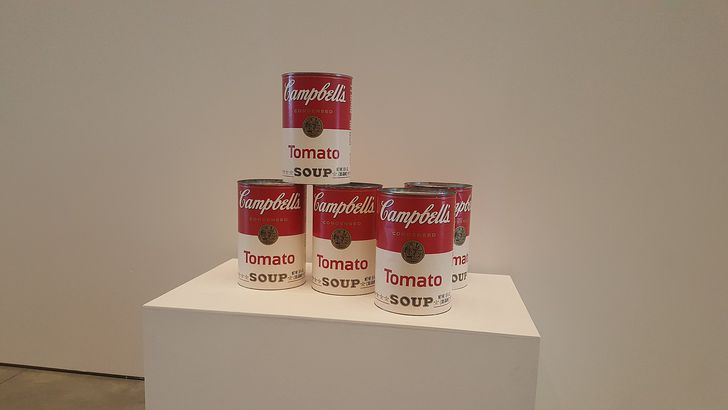
Nine Cans of Campbell’s Soup
Today a Campbell’s Soup costs around $2, and a pack of six cans will set you back $32.99. In the 1900s, one can of soup sold for 12 cents, so for one dollar, you were going home with nine cans. Considering that a dollar in the 1900s is equivalent in purchasing power to around $30, the price for America’s favorite soup has stayed relatively the same.
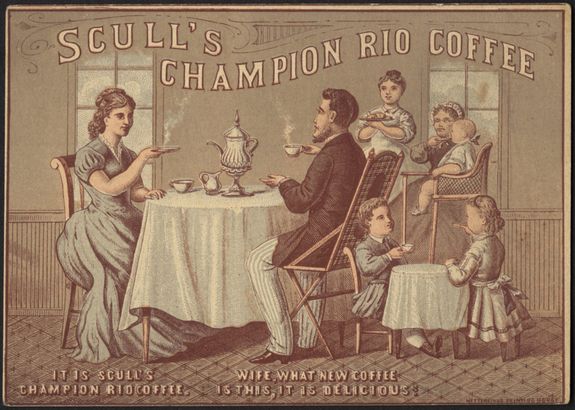
One Pound of Coffee
One dollar might seem ridiculously cheap for a pound of coffee, but when you add inflation into the equation is more expensive than today’s average price of grocery brought coffee, which goes around $8 per pound. That’s because coffee back in the day was quite a luxury, as the transporting process was much more complicated than it is today.

80 lemons
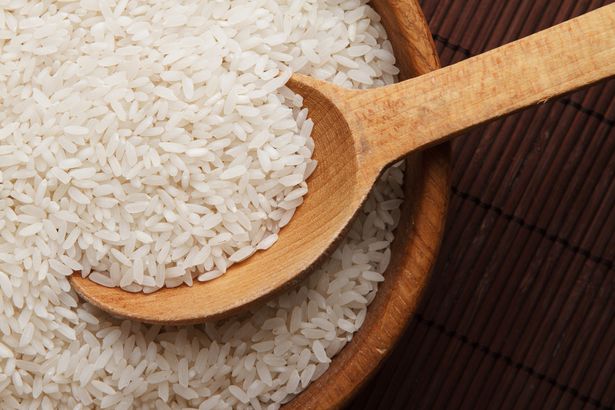
14 pounds of rice
During the 1900s, one dollar could buy over 14 pounds of rice. Today it can buy around a pound and a half.
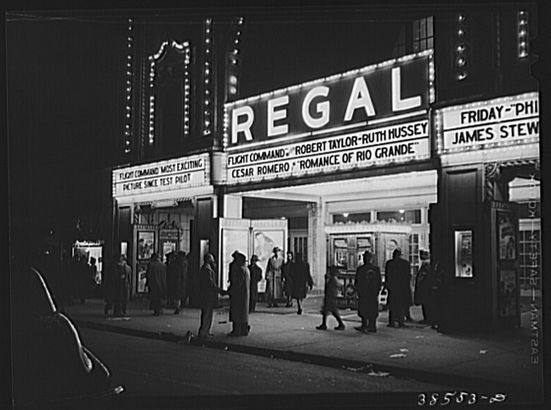
Ten movie tickets
In the 1900s, one dollar was enough to take the whole family to the movies. Nickelodeons and vaudeville theaters began showing films in the early 1900s, and tickets cost between 5 and 10 cents. In 2022 average movie ticket price is $9.17.
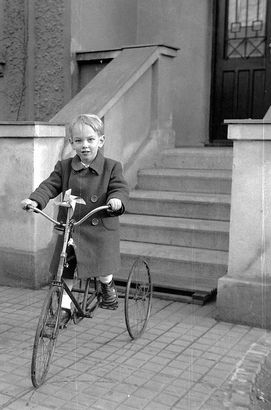
A Toddler’s Tricycle
In the 1900s, a small toddler tricycle went for one dollar. Comparing it to today’s cost between $50 and $500, it’s quite a stretch.
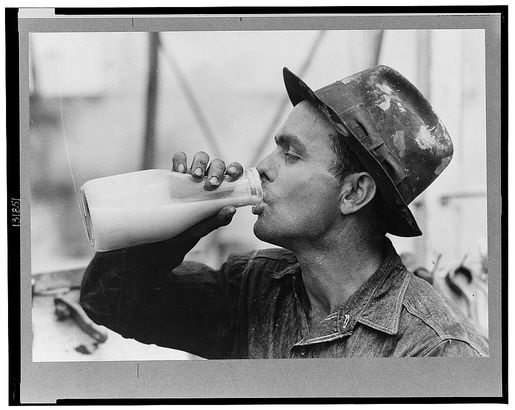
3 Gallons Of Milk
Back in the 1900s, a gallon of milk was a mere 35 cents. However, considering this was in the pre-refrigerator era, people were buying only enough milk for a day. Today a gallon of milk costs $5.
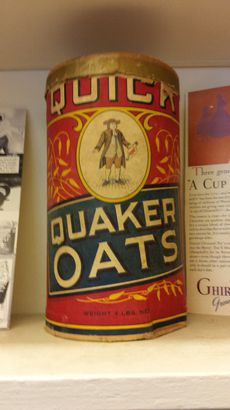
Ten packages of Quaker Oats
In the 1900s, porridge was a staple breakfast for many families, and it’s easy to see why, considering one Quaker oat tube cost 10 cents compared to today’s price of $5.68.
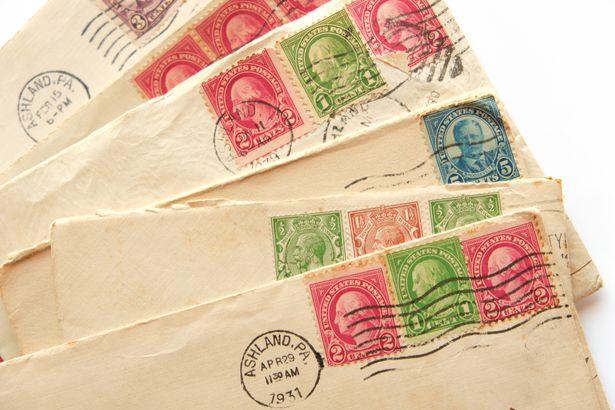
100 Postage stamps
In the early 1900s, when not a lot of families can afford the luxury of having a telephone, letters were the only means of communicating. That’s probably why the postage stamps were insanely cheap at a penny for a stamp. First-Class Mail Forever will now cost 60 cents for standard-sized letters weighing up to one ounce.
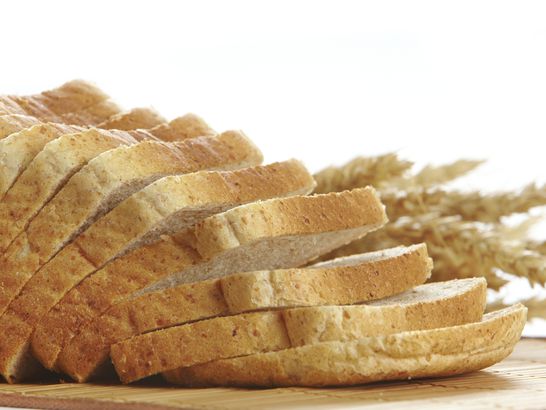
14.2 loaves of bread
While in 2022, one dollar can buy you one leave of bread, in the 1900s, you would go home with 14.2 loaves of bread.
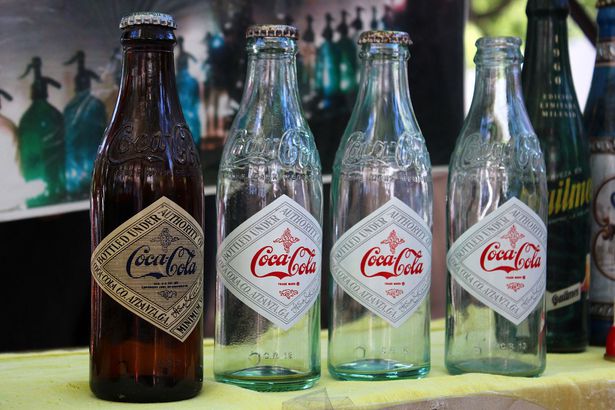
20 Coca-Cola bottles
The price of Coke per 6.5-ounce bottle remained at 5 cents during the first half of the 20th century. Today, it costs about $1.25 in most stores to buy a 20-ounce bottle of Coke.
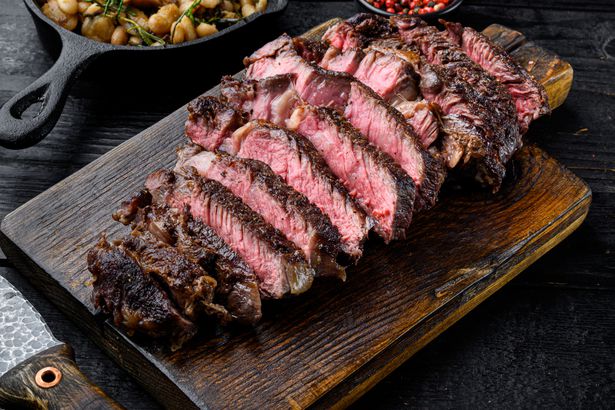
7.5 Pounds Of Steak
Not only that people in the 1900s could bring home seven pounds of steak for one dollar, but the meat was organic and grass-fed as this was way before the rise of the factory farms.
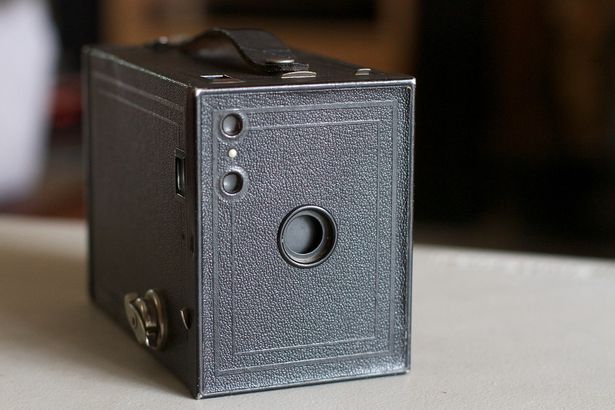
The Kodak Brownie Camera
Long before the era of the smartphone, taking photos was a luxury reserved only for special occasions. The first affordable handheld camera, The Kodak Brownie camera, cost only a dollar.
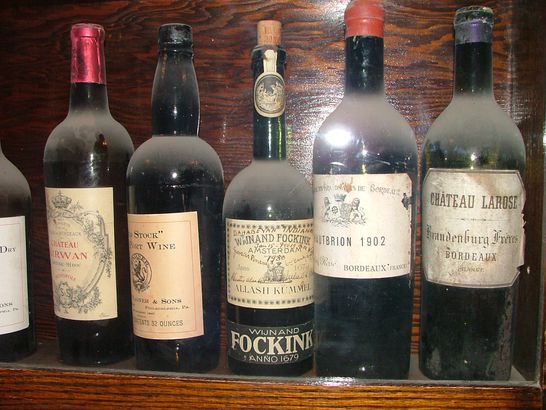
Nine Bottles of Wine
In the 1900s, the price of a bottle of wine largely depended on the brand. An average bottle of wine was around 15 cents, making it affordable for ordinary people to get a drink or nine.
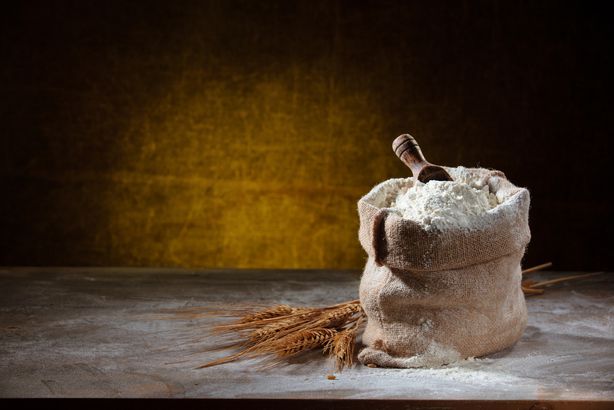
A 5-Pound sack of flour
In the 1900s, flour was an essential item in every household; therefore, it made more sense to buy a giant 5-pound burlap instead of the tiny paper bag we purchase today.
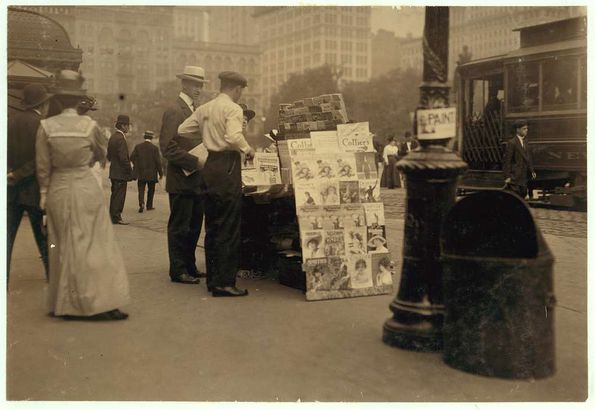
Twenty Magazines
A century before, scrolling through Instagram and TikTok was a thing, people were actually reading books and newspapers for entertainment. Magazines were usually 5 to 10 cents and were printed in black and white.
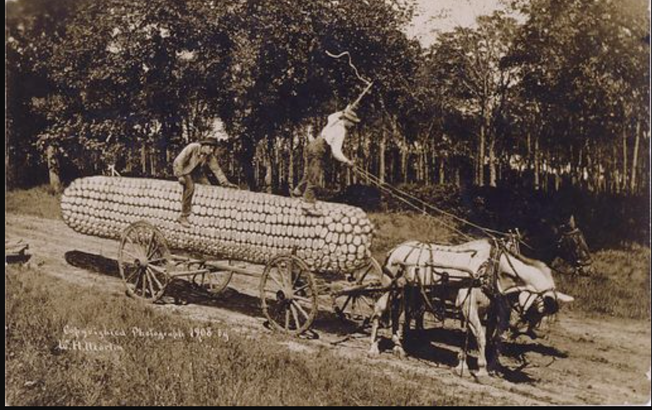
Two-Pound Cans Of Sweet Corn
While today, a dollar can buy you a small can of sweet corn, in the 1900s, you could buy 12 two-pound cans. Talk about a deal.
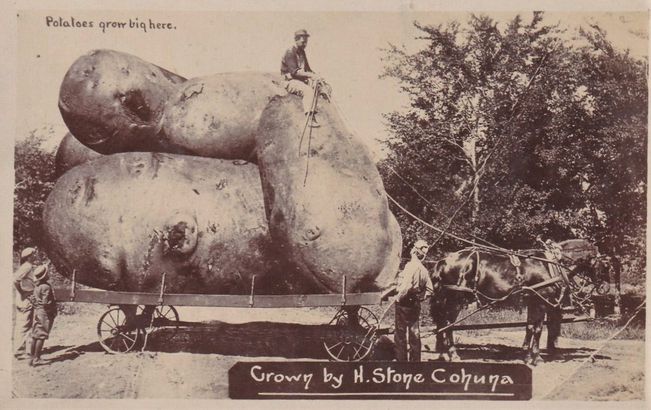
70 Pounds Of Potatoes
While potatoes are still generally affordable today, in the 1900s, you could buy a lot more for just a dollar. Like 70 pounds more.
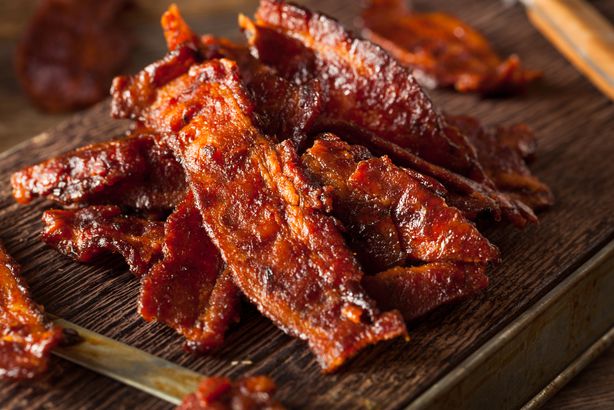
8 pounds of bacon
Bacon, America’s favorite breakfast protein, has gone up quite a bit in price since the 1900s when one dollar could buy eight pounds. Today one pound of store-bought bacon is $7.24.
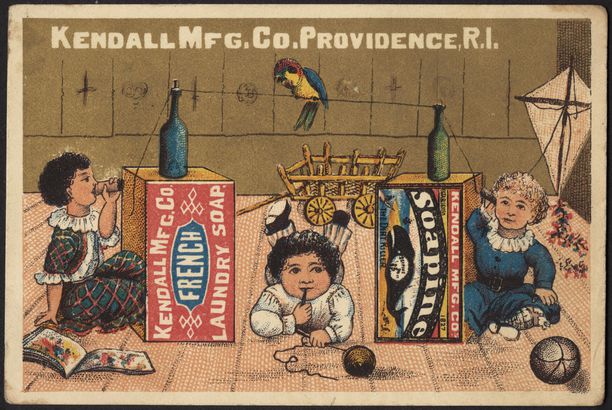
20 Laundry Soap bars
In the 1900s, a dollar could buy two years’ worth of soap for one person. Today, it’s not enough for even one bar of soap.
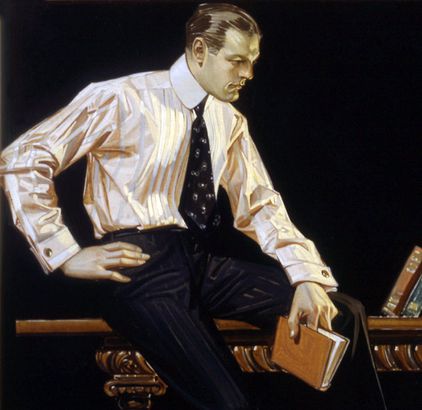
Ten neckties
Men in the 1900s wore ties as an essential clothing accessory. The good news was that one dollar could buy ten ties, providing a lot of choice. Today, the cheapest tie goes around $11 at Amazon.