
The best and worst foods for arthritis sufferers
Someone wrote in to ask whether diet actually moves the needle on arthritis, or whether the whole food-inflammation thing is wellness culture dressed up in lab coats. Reasonable thing to wonder. The answer is that it moves the needle, the research is more specific than you’d expect, and some of what it points to is the kind of thing your doctor probably didn’t mention. Not eat-your-vegetables advice. Actual compounds with actual mechanisms that show up in actual blood work. If you have a question you’d like tackled, use the Ask MediaFeed option at the bottom of every article.

Fatty fish is the single most evidence-backed food
Salmon, sardines, mackerel, herring, tuna. Omega-3s in all of them reduce two specific inflammatory proteins: C-reactive protein and interleukin-6. Not vague anti-inflammatory benefits, but rather those two proteins gradually becoming slightly less measurable in blood work. The Arthritis Foundation recommends three to four ounces twice a week; experts note that more is better, and data on fish oil supplements show the same effect, specifically in rheumatoid arthritis. Not arthritis generally. That condition. Worth the distinction.

Extra virgin olive oil works like a mild anti-inflammatory drug
Oleocanthal is the compound that works like a mild NSAID. The Arthritis Foundation documents this directly, so it’s not just a claim; it’s a verified mechanism that reduces inflammation and reduces joint cartilage damage. The grade matters. Oleocanthal levels are significantly higher in extra virgin than in anything else on the shelf. The cheap bottle isn’t doing the same job. Yes, it’s a different product which happens to share a name.
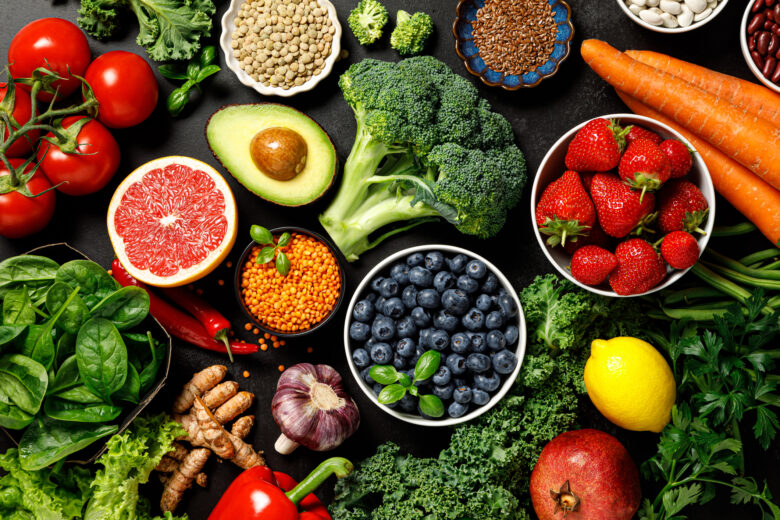
Colorful fruits and vegetables reduce inflammation through antioxidants
More color, more benefit. Harvard Health documents polyphenols in berries, dark chocolate, apples and citrus as proven inflammation-fighters in whole food form. The recommendation is 1.5 to 2 cups of fruit and 2 to 3 cups of vegetables per meal. Per meal. Not per day. Per sitting. Most people are nowhere near it and genuinely don’t know.

Saturated fats are the most documented dietary trigger
Not steak. Not bacon. Pizza and cheese; those are the two biggest sources of saturated fat in the average American diet, per The Arthritis Foundation. Red meat, full-fat dairy and grain-based desserts follow. The mechanism isn’t mysterious: saturated fat triggers fat tissue inflammation, symptoms worsen, and you can trace the pathway step by step. Nobody is saying. But pretending it’s neutral would be wrong. It has a direction. The direction is bad.
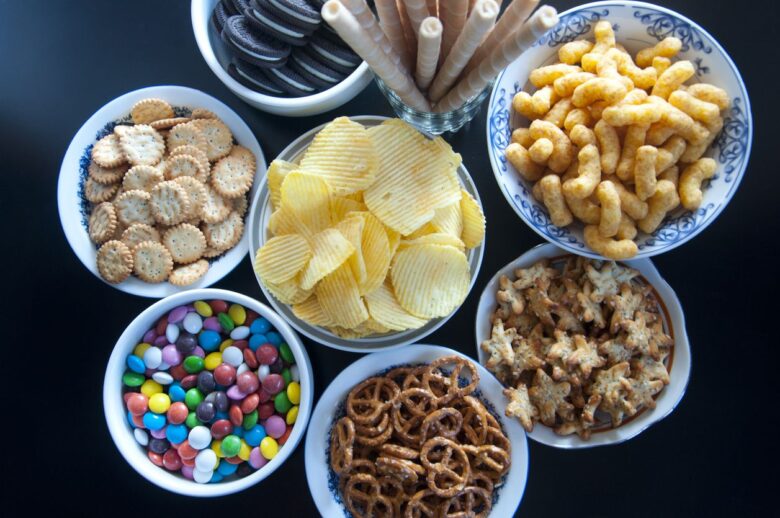
Processed foods and added sugar do measurable damage
Harvard Health gets specific: microwaveable dinners, hot dogs, white bread, dehydrated soups, baked goods, sugary cereals, processed meats, and sauces. Not neutral. Actively working against everything in the sections above. High salt worsens symptoms too; one mouse study found arthritis severity increased on a high-salt diet, which is exactly the kind of finding that never makes the front page but probably should.

The overall framework
Mediterranean eating pattern. More fish, more olive oil, more color, less processed food, less red meat. Healthline reports it as the most consistently evidence-backed approach for arthritis management. Doesn’t require perfection. Doesn’t require a complete overhaul. Requires a steady direction, as in any well-meaning life project. Studies show real improvements in pain, morning stiffness and physical function. Not exactly a cure, more of a meaningful reduction. That’s the honest version of this conversation.

The bottom line
Simply put, no diet cures arthritis. Anyone saying otherwise is selling something. The research shows that specific dietary choices reduce inflammation, and inflammation is where the pain lives. The foods worth adding are specific, so are the ones worth cutting back. Keep your questions coming using the Ask MediaFeed option below.
Ask us! What questions do you have about content, strategy, pop culture, lifestyle, wellness, history or more? We may use your question in an upcoming article!
Related:
- These 15 healthy foods are way more popular than they are tasty
- 0 “healthy” foods that could be causing you to gain weight
Like MediaFeed’s content? Be sure to follow us.
This article was syndicated by MediaFeed.co.