
Sleep Hygiene in the Digital Age: 10 Simple Tweaks That Actually Work
We live in a world that never really powers down. Phones buzz around the clock, streaming services tempt us with one more episode, and endless scrolling can quietly eat up hours before bed. As a result, quality sleep has become harder to come by, even for people who spend plenty of time in bed.
The good news is that better sleep doesn’t require expensive gadgets or a complete lifestyle overhaul. Small, consistent changes can dramatically improve how quickly you fall asleep, how deeply you rest, and how refreshed you feel the next day. Here are 10 simple sleep hygiene habits that can help you reclaim your nights in the digital age.

10. Set a Consistent Sleep and Wake Time
Your body operates on a circadian rhythm, an internal clock that regulates sleep, energy, hormones, and metabolism.
When you go to bed and wake up at roughly the same time every day, your body learns when it’s supposed to be alert and when it’s supposed to wind down. Constantly changing your schedule can create a kind of mini jet lag, even if you never leave home.
Try to maintain your sleep schedule on weekends as much as possible. Sleeping in for hours may feel good in the moment, but it can make Monday mornings much harder.

9. Get Morning Sunlight Exposure
One of the most powerful sleep tools isn’t found in your bedroom—it’s outside your front door.
Exposure to natural sunlight within the first hour of waking helps reset your circadian rhythm and signals to your brain that it’s time to be awake. This morning light exposure also helps your body produce melatonin later in the evening.
Aim for 10 to 20 minutes outdoors each morning. Even cloudy days provide enough light to benefit your internal clock.

8. Power Down Screens Before Bed
Blue light from phones, tablets, televisions, and laptops can interfere with melatonin production and delay sleepiness.
While modern night-mode settings can help reduce some of the impact, they don’t eliminate it entirely. Beyond the light itself, digital content tends to keep the brain engaged and stimulated when it should be slowing down.
If possible, create a screen-free buffer of at least 30 to 60 minutes before bed.

7. Create a Consistent Wind-Down Routine
Your body benefits from cues that signal the day is ending.
A simple bedtime ritual helps shift your nervous system from activity mode into rest mode. The routine doesn’t need to be elaborate. The goal is consistency.
Some effective options include:
- Reading a physical book
- Gentle stretching
- Journaling
- Meditation or breathwork
- Listening to calming music
- Taking a warm shower
Over time, your brain begins associating these activities with sleep.

6. Keep Your Bedroom Cool
Temperature plays a surprisingly large role in sleep quality.
As part of the natural sleep process, your body temperature drops slightly. A cool room helps support this transition and makes it easier to stay asleep throughout the night.
Most sleep experts recommend keeping bedrooms between 60 and 67 degrees Fahrenheit. If lowering the thermostat isn’t possible, a fan can help improve airflow and comfort.

5. Make Your Room as Dark as Possible
Light exposure tells your brain to stay alert.
Even small sources of light—from streetlights, alarm clocks, or charging devices—can interfere with melatonin production and disrupt sleep cycles.
Consider:
- Blackout curtains
- A sleep mask
- Covering bright electronics
- Using dim lighting in the evening
The darker your environment, the easier it is for your body to recognize that it’s time to sleep.

4. Watch Your Evening Caffeine and Alcohol Intake
Many people underestimate how long stimulants stay in the body.
Caffeine can affect sleep quality for six to ten hours after consumption, depending on the individual. Even if you fall asleep easily, caffeine may reduce the amount of deep sleep you get.
Alcohol creates a different problem. While it may initially make you sleepy, it often disrupts REM sleep and increases nighttime awakenings.
If sleep is a priority, try limiting caffeine after lunch and reducing alcohol consumption close to bedtime.

3. Avoid Heavy Meals Right Before Bed
Late-night eating can make it harder for your body to settle into restful sleep.
Large meals, spicy foods, and high-sugar snacks may trigger indigestion, acid reflux, or blood sugar fluctuations that disrupt sleep later in the night.
Try finishing dinner at least two to three hours before bedtime. If you need a snack, choose something light that combines protein and complex carbohydrates.
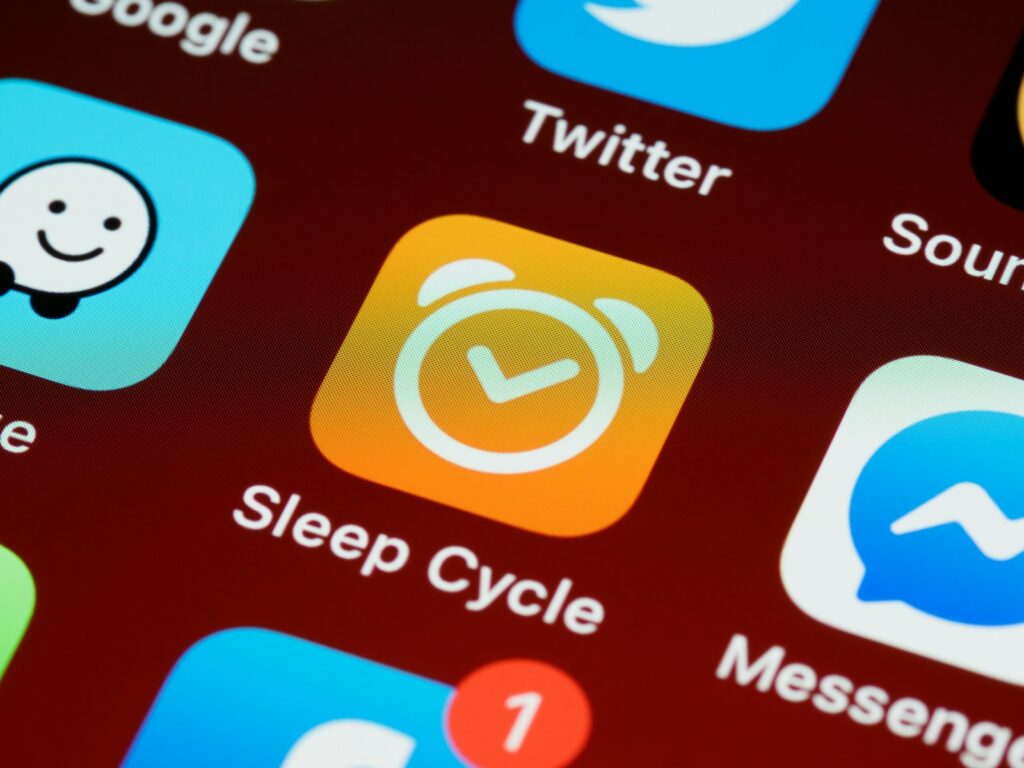
2. Use Technology to Support Sleep Instead of Sabotaging It
Technology doesn’t have to be the enemy.
Many digital tools can actually improve sleep habits when used intentionally. Helpful options include:
- Sleep tracking apps
- Meditation apps
- White noise machines
- Smart alarms
- Device settings that automatically activate Do Not Disturb mode
The goal isn’t eliminating technology entirely. It’s using it in ways that support recovery instead of delaying it.

1. Prioritize Sleep Like You Prioritize Everything Else
Many people treat sleep as the first thing to sacrifice when life gets busy.
But sleep affects virtually every aspect of health, including immune function, memory, mood, metabolism, hormone balance, athletic performance, and long-term disease risk.
Think of sleep as a daily investment rather than leftover time. Protecting those seven to nine hours may be one of the most important health decisions you make each day.
Read More:
- 15 Health Myths Medical Experts Wish Would Finally Go Away
- 10 Sneaky Signs Stress Is Taking a Bigger Toll Than You Realize
- Can’t Sleep? Here’s Why You Should Get Out of Bed
Ask us! What questions do you have about content, strategy, pop culture, lifestyle, wellness, history or more? We may use your question in an upcoming article!
Like MediaFeed’s content? Be sure to follow us.
This article originally appeared on Resourcebuzz and was syndicated by MediaFeed.co.