10 Hard Truths About Growing Your Own Food
Growing your own food sounds like the ultimate money-saving hack. Plant a few seeds, water them occasionally, and enjoy endless baskets of fresh vegetables for pennies on the dollar, right?
Not exactly.
Home gardening can absolutely save money, but it often takes more time, planning, and discipline than many first-time gardeners expect. Here are 10 sobering truths about growing your own food—and how to make sure your garden actually pays off.
10. Your First Garden Will Probably Cost More Than It Saves
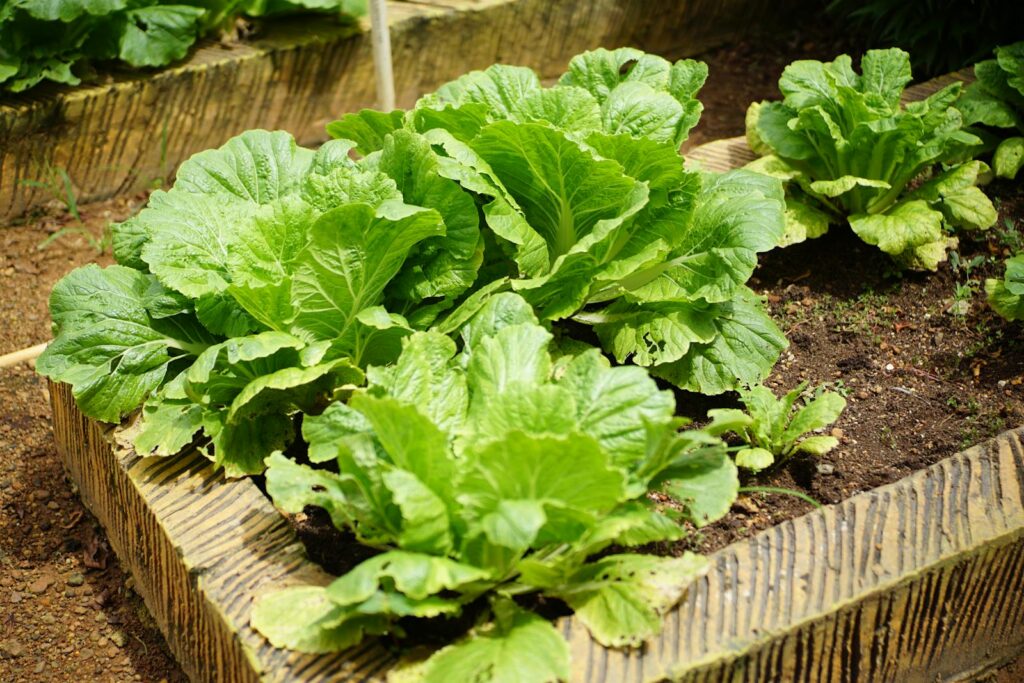
Many new gardeners spend hundreds of dollars on raised beds, tools, soil, fertilizers, fencing, irrigation systems, and seedlings.
A few tomatoes and cucumbers rarely offset those startup costs during the first season. The savings usually come after you’ve reused the same infrastructure for several years.
9. Seeds Are Cheap. Everything Else Isn’t.
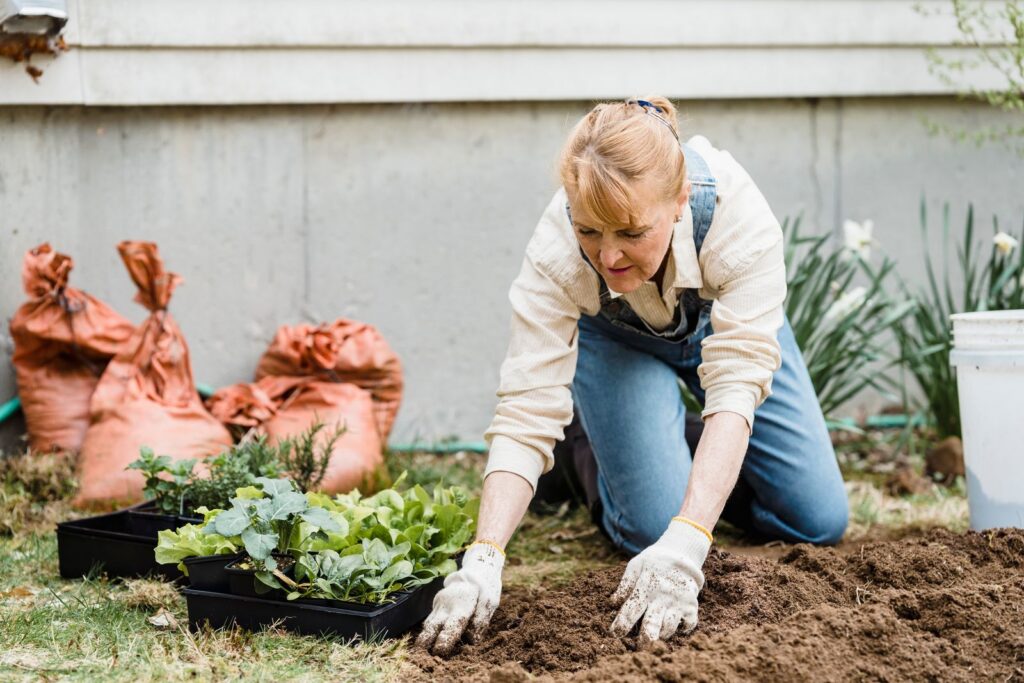
A packet of lettuce seeds might cost just a few dollars.
The real expenses often come from soil amendments, compost, mulch, pest control, supports, containers, and replacement plants. Those costs add up quickly if you’re not careful.
8. Some Crops Are Terrible Money-Savers
Not every vegetable is worth growing from a financial perspective.
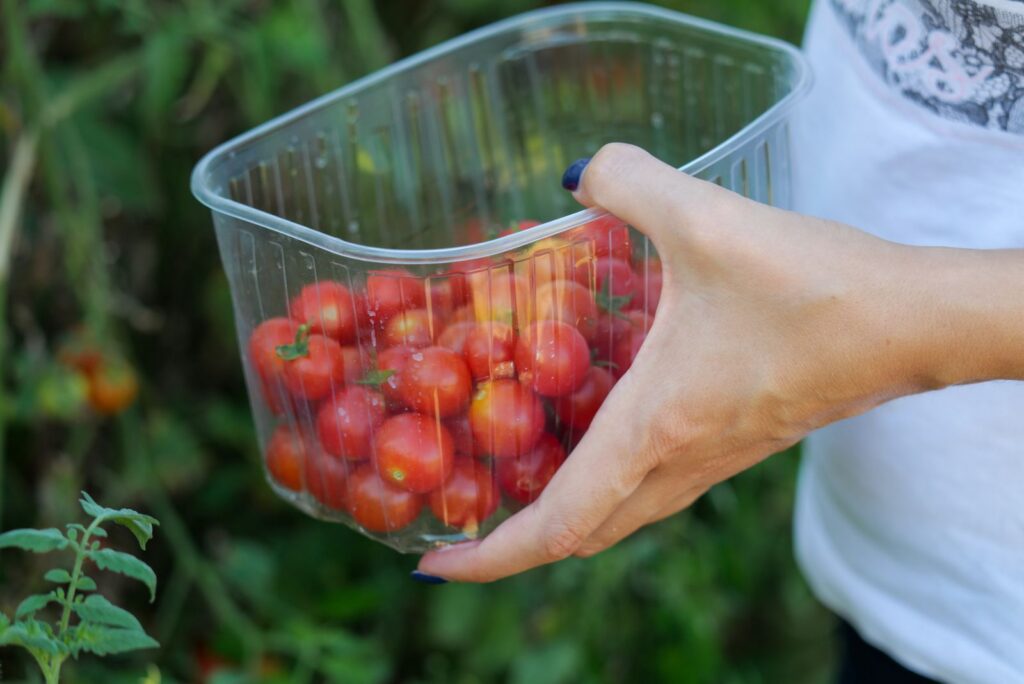
Potatoes, onions, carrots, and cabbage are often inexpensive to buy at the store. Meanwhile, high-value crops like herbs, cherry tomatoes, salad greens, peppers, berries, and specialty vegetables usually provide a much better return on your gardening investment.
7. Pests Will Eat Some of Your Harvest
It’s not a matter of if—it’s a matter of how much.
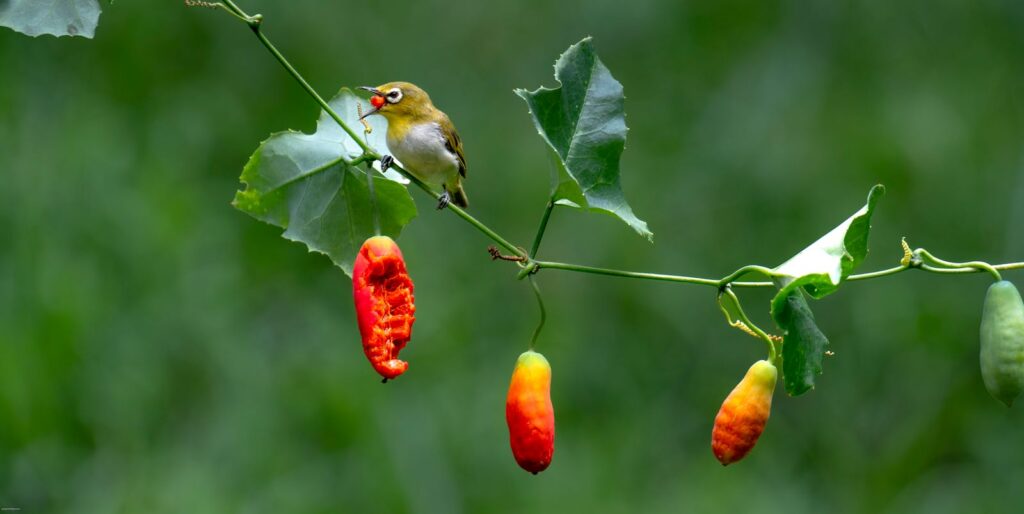
Birds, rabbits, squirrels, deer, insects, and plant diseases can dramatically reduce yields. Many gardeners discover that local wildlife has been eagerly awaiting the buffet they just planted.
6. Water Isn’t Free
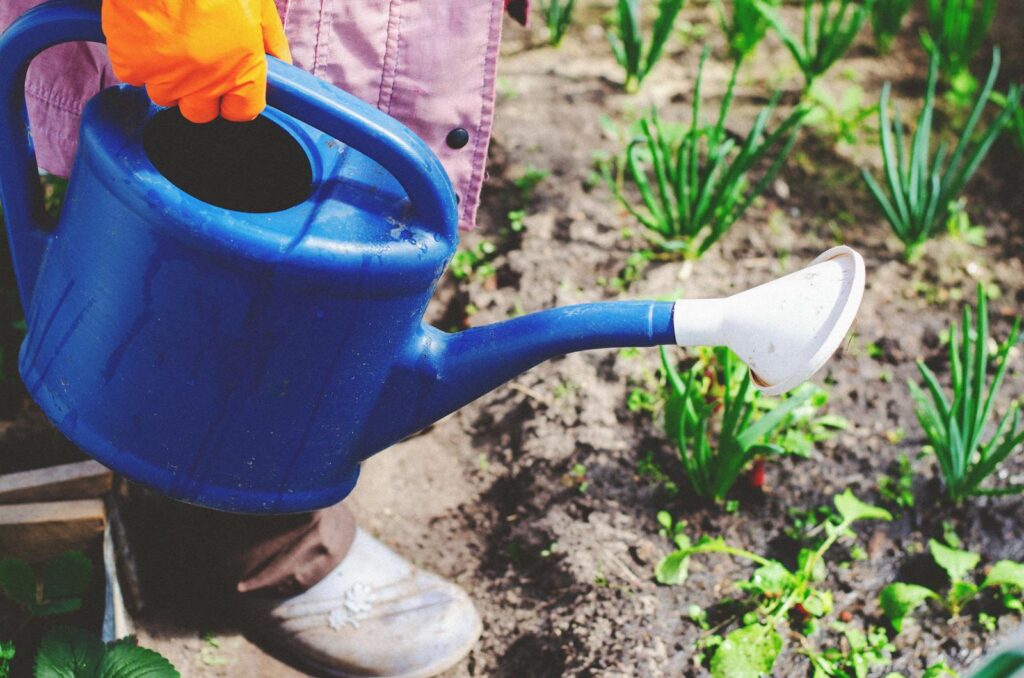
In many parts of the country, watering a garden can noticeably increase utility bills.
During hot summers, thirsty crops may require frequent irrigation. Collecting rainwater, mulching heavily, and planting drought-tolerant varieties can help control costs.
5. Your Time Has Value Too
Home gardening is rewarding, but it isn’t effortless.
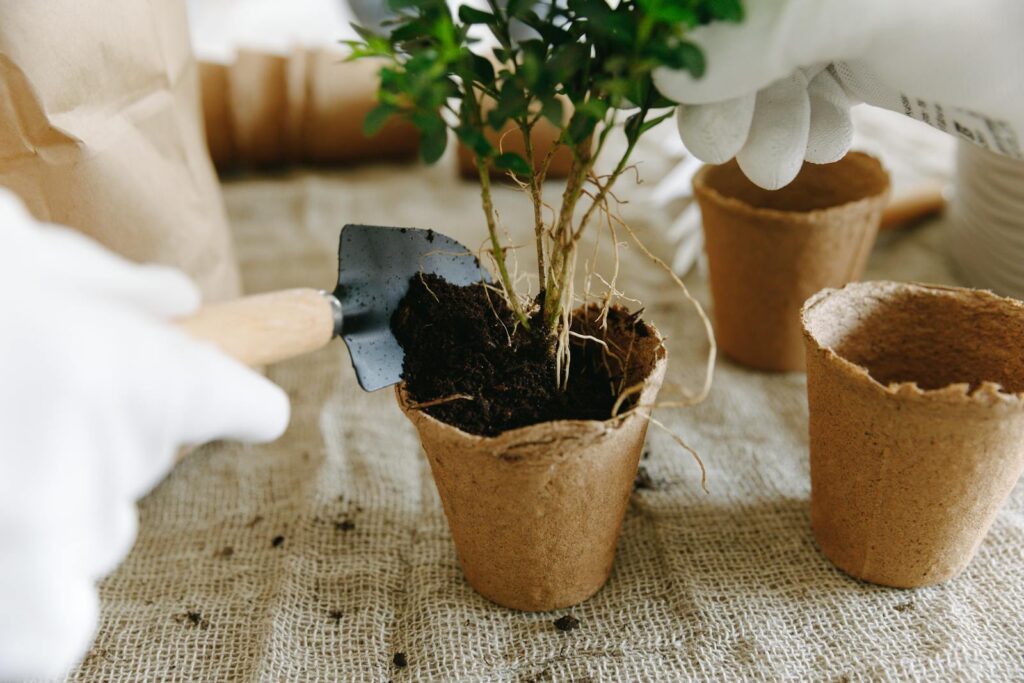
Planting, watering, weeding, pruning, harvesting, and troubleshooting problems all require time. If you’re only measuring dollars saved, gardening often looks less impressive than it does on social media.
4. You Need to Grow What You Actually Eat
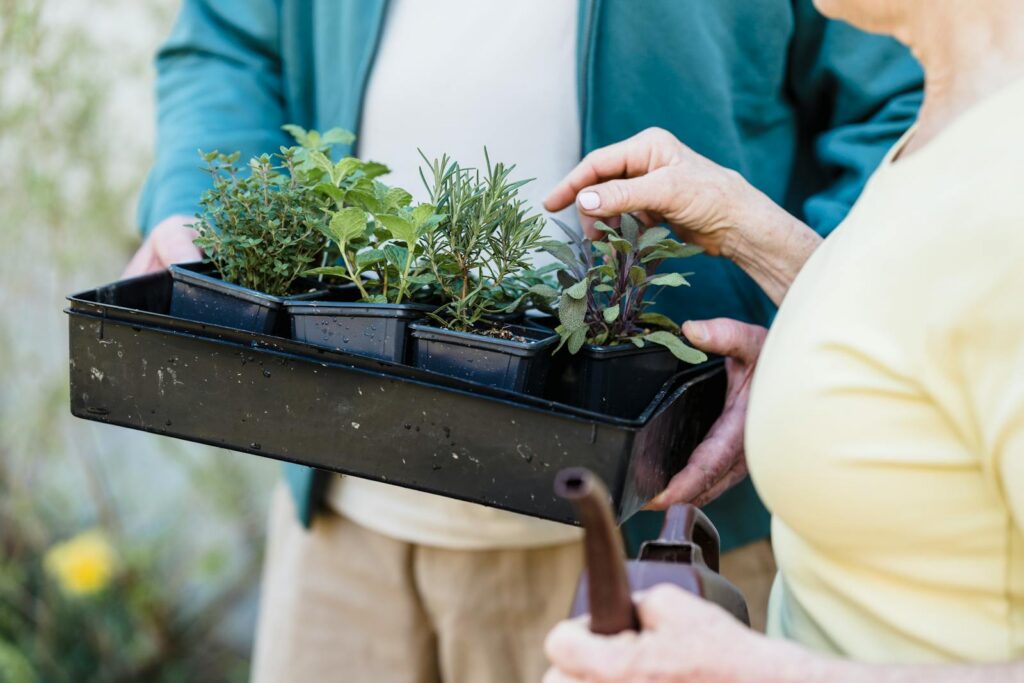
Many gardeners make the mistake of planting what sounds fun instead of what their household regularly consumes.
Saving money is difficult when you’re harvesting pounds of zucchini but still buying the foods you actually like from the grocery store.
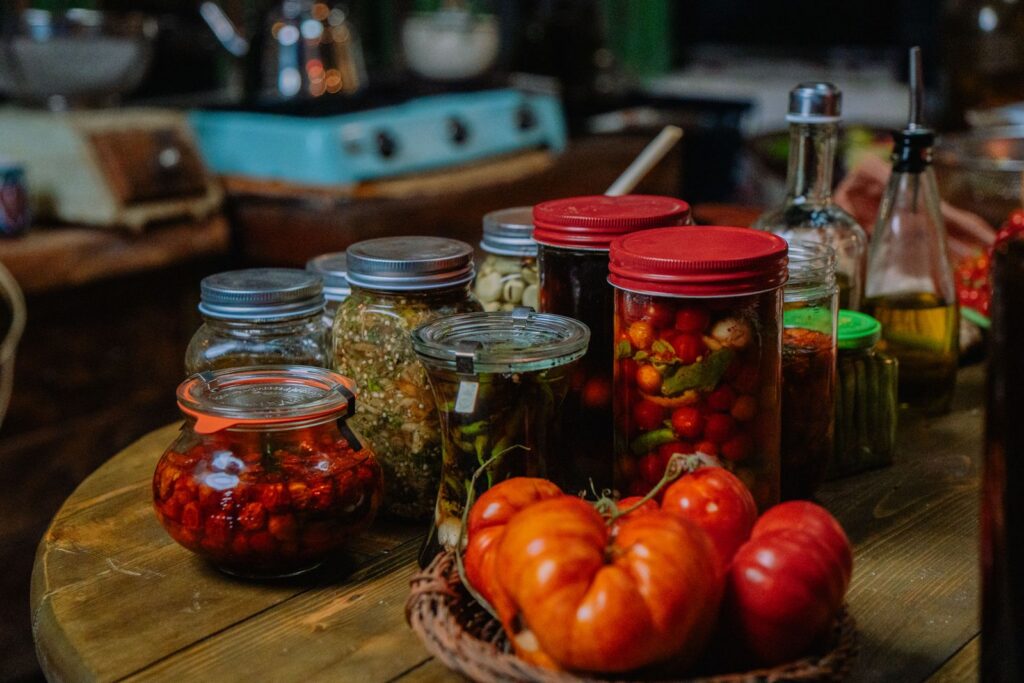
3. Preservation Is Often Where the Real Savings Happen
A few fresh tomatoes won’t transform your budget.
The bigger savings come when you preserve excess harvests through freezing, canning, dehydrating, or storing crops for later use. Otherwise, much of your abundance may spoil before you can eat it.
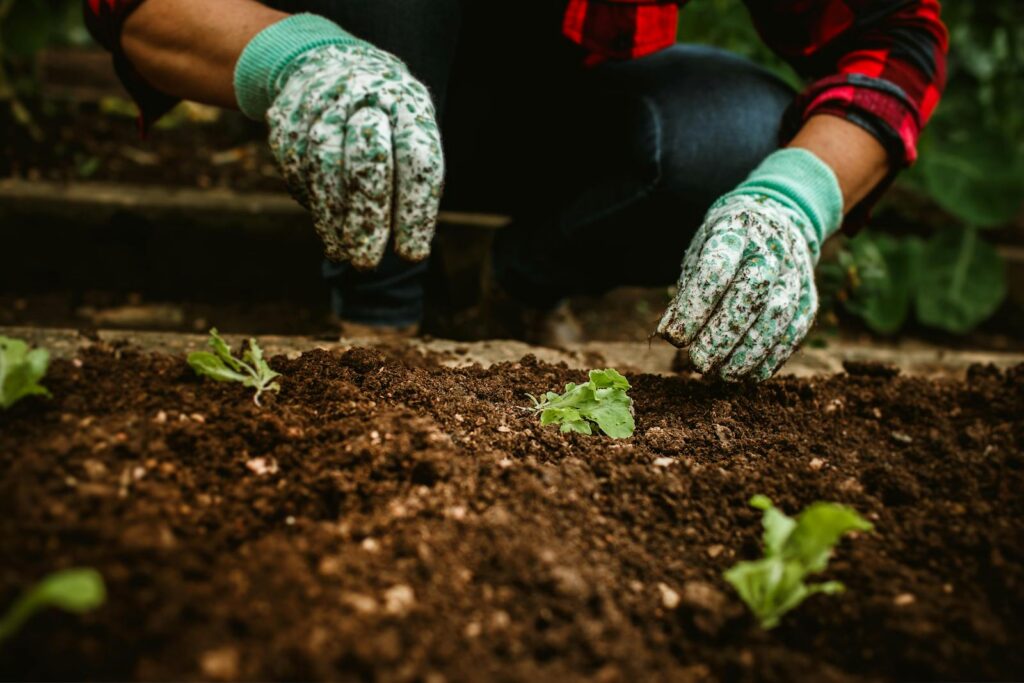
2. Small Gardens Often Outperform Big Ones
Bigger isn’t always better.
Many beginners plant far more than they can realistically maintain. A smaller, well-managed garden frequently produces more usable food than a large neglected one.
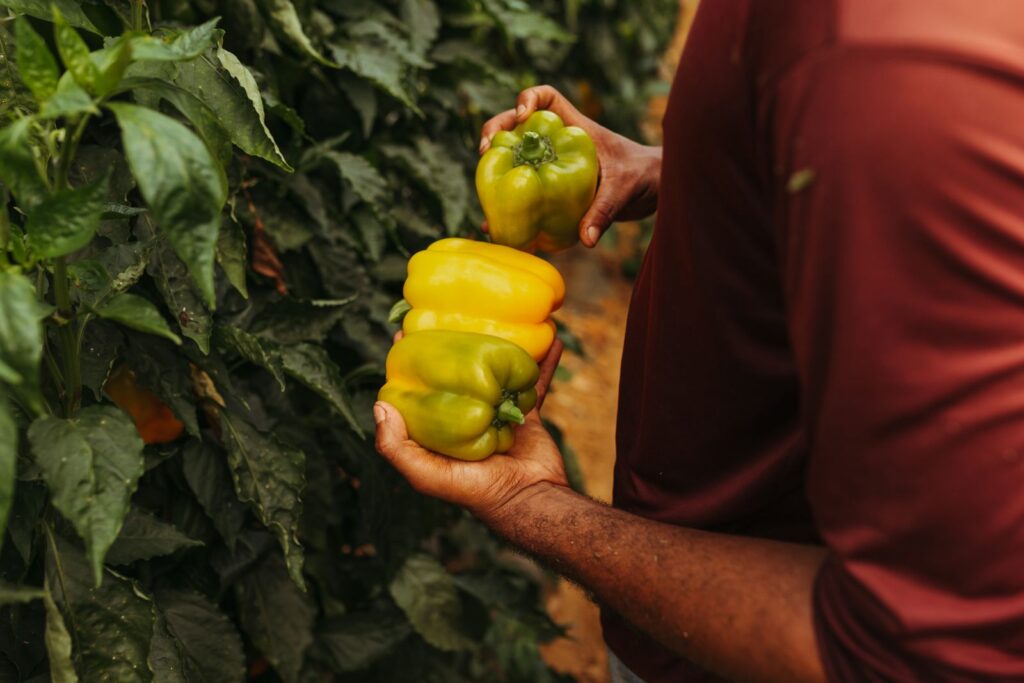
1. The Smartest Gardeners Focus on High-Value Crops
If your goal is saving money, think strategically.
Fresh herbs can cost several dollars per package at the grocery store. Specialty greens, peppers, berries, and heirloom tomatoes are often expensive to buy but relatively productive at home. Growing the foods with the highest retail prices often delivers the greatest financial return.
Growing your own food can absolutely reduce grocery bills, but it isn’t the instant money-saving miracle many people imagine. The gardeners who save the most money tend to treat gardening like an investment: they start small, grow what they actually eat, focus on high-value crops, and build their systems over time.
Done right, a garden can provide fresh food, healthier meals, and meaningful savings. Just don’t expect a $3 packet of seeds to solve inflation overnight.
Read More:
- Which Grocery Stores Have the Best Rewards Programs?
- These Are Some of the Most Expensive Grocery Stores in the U.S.
- The Most Affordable Grocery Chains in the US
Ask us! What questions do you have about content, strategy, pop culture, lifestyle, wellness, history or more? We may use your question in an upcoming article!
Like MediaFeed’s content? Be sure to follow us.
This article originally appeared on Resourcebuzz and was syndicated by MediaFeed.co.