
10 Reasons Your Cat Keeps Biting and Scratching (And How to Stop It)
Cats aren’t trying to be difficult when they bite or scratch. In many cases, they’re communicating, playing, protecting themselves, or responding to stress. The key to stopping unwanted behavior is understanding what’s causing it in the first place.
Whether your cat occasionally nips during petting sessions or has developed a habit of attacking hands and feet, these strategies can help redirect their behavior and strengthen your relationship.

10. Learn to Read Your Cat’s Body Language
Many bites and scratches happen because people miss the warning signs.
Cats often signal discomfort before they lash out. Watch for flattened ears, dilated pupils, twitching skin, tail lashing, or a tense body posture. Recognizing these cues can help you stop an interaction before your cat feels the need to use teeth or claws.

9. Watch for Redirected Aggression
Sometimes your cat isn’t upset with you at all.
A cat that spots another animal through a window may become highly aroused and redirect that frustration toward the nearest person or pet. If this happens, calmly remove the trigger if possible and give your cat time to settle down before interacting.

8. Rule Out Medical Problems
Sudden aggression should never be ignored.
Pain, injury, dental disease, arthritis, skin conditions, thyroid disorders, and other health issues can cause even the sweetest cat to become irritable. If aggressive behavior appears suddenly or worsens unexpectedly, schedule a veterinary examination.

7. Consider Whether Stress Is the Real Problem
Cats are sensitive creatures.
Changes in routine, new pets, moving, visitors, or household tension can all increase stress levels. A stressed cat may become more reactive, defensive, or prone to biting and scratching. Identifying and reducing stressors can often improve behavior dramatically.
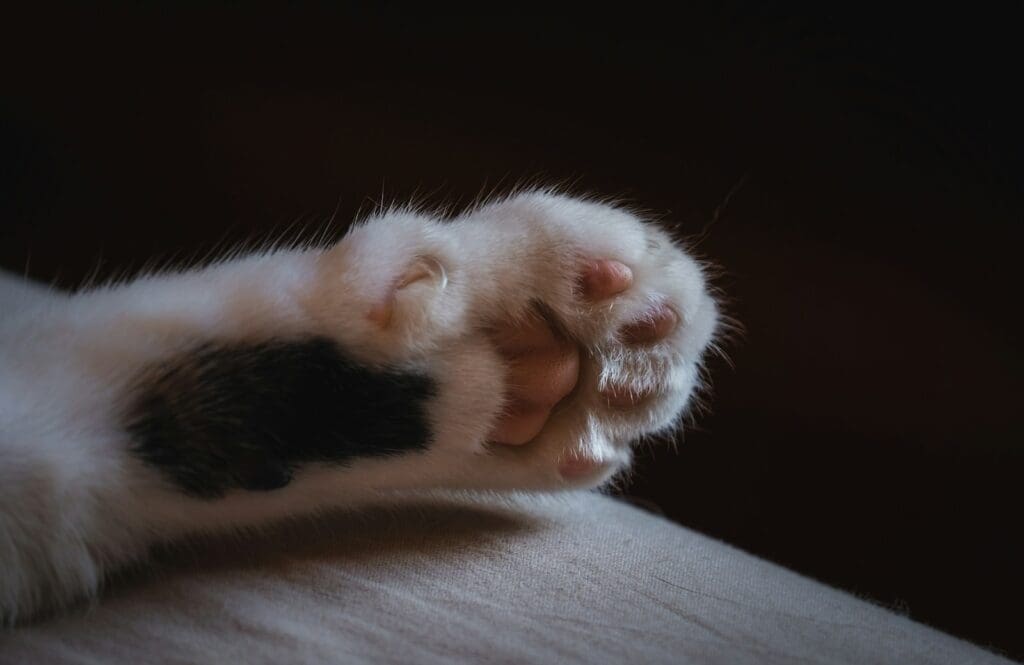
6. Keep Your Cat’s Nails Trimmed
Regular nail trims won’t stop scratching behavior, but they can reduce the damage.
Shorter nails are less likely to cause injuries during accidental swats or play sessions. If you’re unsure how to trim your cat’s nails safely, ask your veterinarian or groomer for guidance.
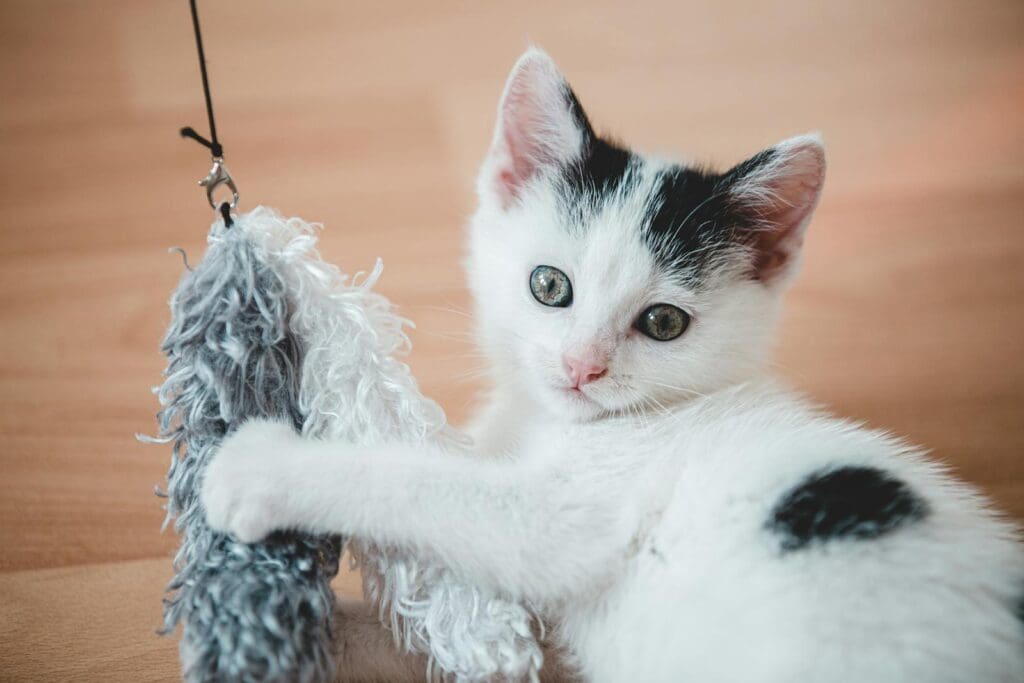
5. Redirect Play Aggression
Many cats learn bad habits when humans use their hands as toys.
If your cat attacks fingers, feet, or ankles, immediately redirect their attention to an appropriate toy. Wand toys, balls, kicker toys, and puzzle toys provide healthy outlets for hunting instincts.

4. Use a Consistent Verbal Cue
A simple, calm correction can help interrupt unwanted behavior.
Use a firm “No” or another short phrase every time the behavior occurs. Avoid yelling, which can frighten your cat and create additional stress. Consistency matters more than volume.
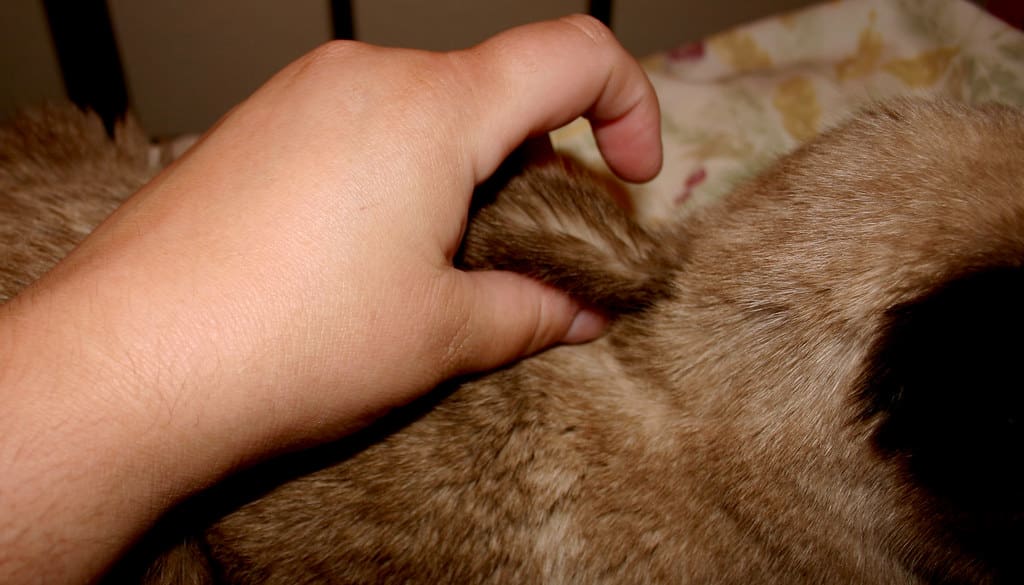
3. Stop the Interaction Immediately
One of the most effective consequences for inappropriate biting is ending the fun.
If your cat bites during play, calmly stand up and walk away. This teaches them that rough behavior makes attention disappear. Over time, many cats learn that gentle play gets better results.
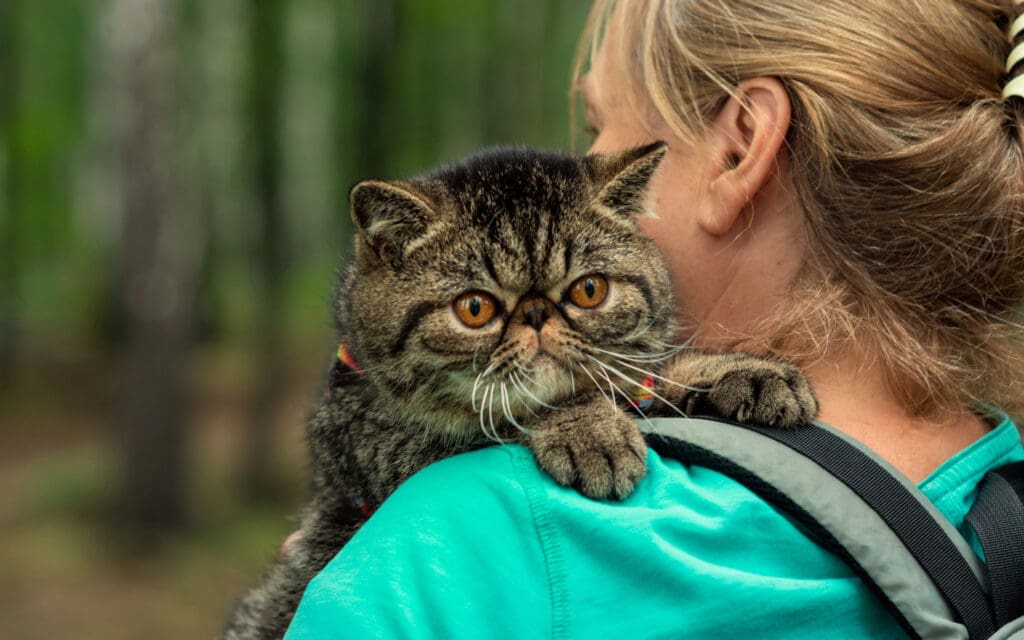
2. Handle Your Cat Regularly
Regular, gentle handling can help cats become more comfortable with touch.
Touch their paws, ears, tail, and body during calm moments while offering praise or treats. This helps build trust and allows you to spot potential injuries or areas of sensitivity before they become bigger problems.
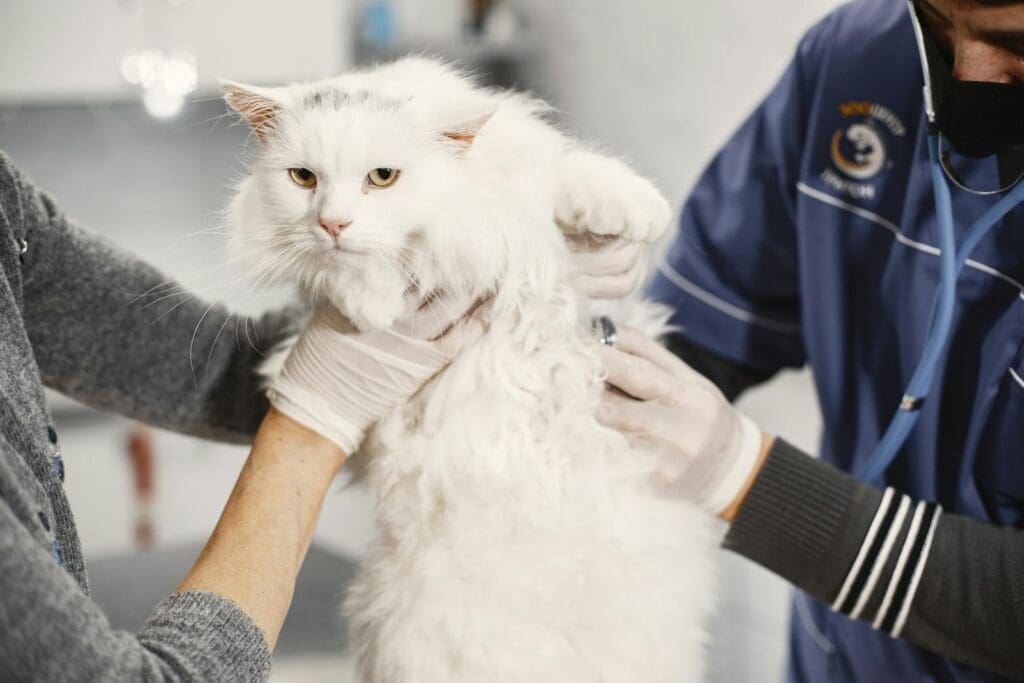
1. Seek Professional Help if the Behavior Continues
Some behavior problems require expert guidance.
If your cat’s biting or scratching is severe, frequent, or causing injuries, consult your veterinarian. They can rule out medical causes and, if necessary, refer you to a qualified feline behavior specialist who can create a customized behavior plan.
Aggression, fear, and rough play can often be improved with patience, consistency, and a better understanding of feline behavior. The goal isn’t to punish your cat—it’s to teach them healthier ways to communicate and interact with the people they trust.
Read More:
- Bringing Your Outdoor Cat Inside? Avoid These Common Mistakes
- 10 Cat Breeds That Love to Cuddle (Yes, Really)
- Sorry Dog Lovers—Here Are 10 Reasons Cats Win
Ask us! What questions do you have about content, strategy, pop culture, lifestyle, wellness, history or more? We may use your question in an upcoming article!
Like MediaFeed’s content? Be sure to follow us.
This article originally appeared on Resourcebuzz and was syndicated by MediaFeed.co.