10 songs from the ’80s suddenly taking over TikTok
This one may take you by surprise. TikTok — the app built entirely around fifteen-second attention spans and whatever sound the algorithm decided was interesting this week — has quietly become the best radio station the 1980s ever had. Yes, you are reading that right. The platform that Gen Z built for Gen Z has turned into a safe haven for music dating back to the 1950s, 60s, 70s and beyond, and nobody planned it that way. Not the engineers. Not the labels. Not the artists who recorded these songs before most of TikTok’s user base was born.
The data behind every entry on this list comes from NME, Songfacts, uDiscover Music, The Queen Zone and AllMusic.
And yet here we are. You scroll past one of these and something happens — a synth line, a chorus, a riff you haven’t thought about in years — and suddenly you’re watching another one. The decade that gave the world shoulder pads and synthesizers turns out to have been engineering three-second hooks for a platform that didn’t exist yet. Forty years early and perfectly on time.
Ten of the songs doing it right now, below.

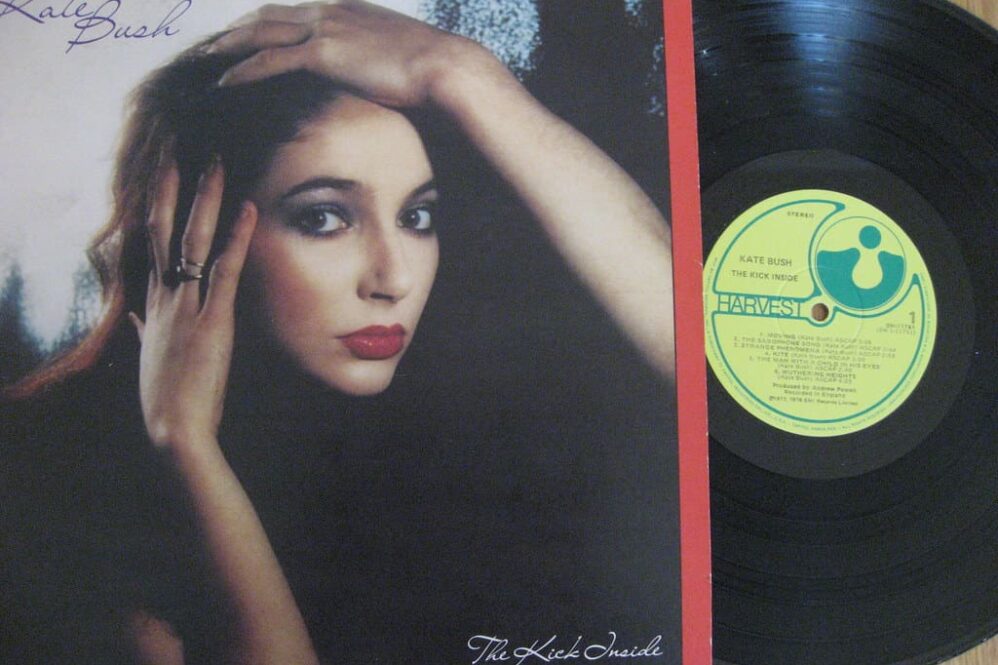
“Running up that hill” — Kate Bush (1985)
Here is a song that has now gone viral three separate times. Not twice. Three. And nobody has a satisfying explanation for why it keeps happening, which is maybe the most interesting thing about it. NME tracked a 153% stream surge when the Stranger Things finale dropped in late 2025 — which was, again, the third time this has happened to a 1985 deep cut by one of the most private and reclusive people in pop music. Over 2.8 million TikTok videos. Kate Bush has given no interviews about any of this. She did not ask for it and the song just keeps finding people anyway. At this point it feels less like a trend and more like a natural phenomenon.
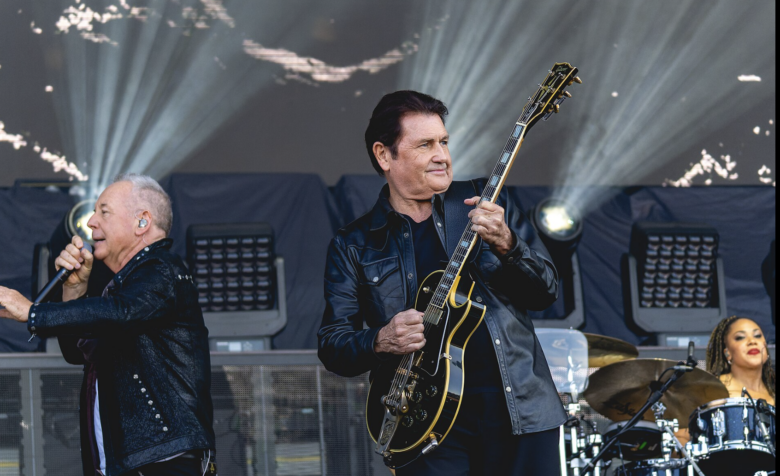
“Don’t you (forget about me)” — Simple Minds (1985)
The band refused to record it. Flat out refused. Keith Forsey flew to London, took them to a pub and talked them into it over pints. Jim Kerr ran out of lyrics near the end and sang “la la la” because what else are you going to do. Nobody changed it. Songfacts has the full story of how that placeholder became one of the most recognizable moments in 1980s music. TikTok has been using it for graduation videos and gym edits like it personally owns the decade. Which, honestly, it kind of does.
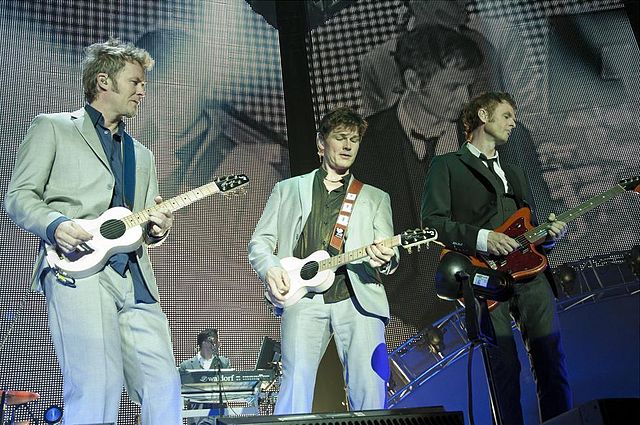
“Take on me” — A-ha (1985)
The video alone is a TikTok before TikTok existed. uDiscover Music has the full breakdown of why it became one of the defining visual moments of the decade. Three Norwegian guys made this forty years ago and are now, involuntarily, the soundtrack to millions of personal reinvention videos. They did not see that coming. Nobody did.

“Africa” — Toto (1982)
A meme in 2017. A Weezer cover in 2018. And then it just kept going. The Queen Zone reported it back on Billboard in 2025 on streaming alone. Steve Lukather called it a throwaway more than once. The song has quietly outlived every dismissal its own creators threw at it.
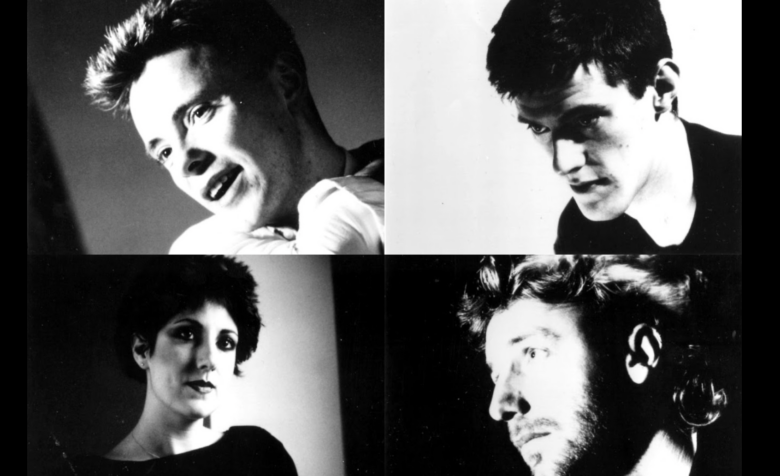
“Blue Monday” — New Order (1983)
You know the opening before your brain has processed that it started. Four seconds of synth and you’re already there. AllMusic calls it the record that cemented New Order’s transition from post-punk to alternative dance. Bernard Sumner wrote it partly about boredom. That part ages surprisingly well.
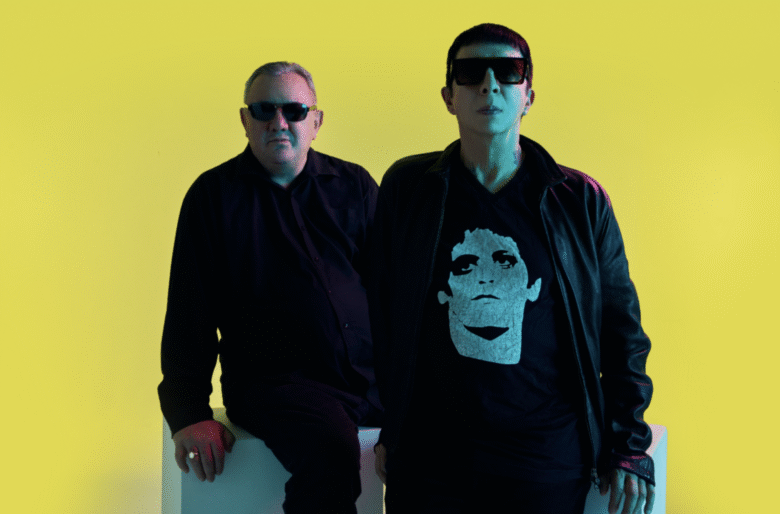
“Tainted love” — Soft Cell (1981)
Marc Almond sang this once so the engineers could check their levels. That’s the take you know. Songfacts has it documented — they kept it because it had the right emotion, which is a polite way of saying it sounded like someone who hadn’t quite steeled themselves yet. Something unfinished in it. You can hear it if you listen for it. Four decades later that accidental vocal is the sound TikTok reaches for every time someone has a bad date or a dramatic exit or just needs the energy of a person who is done. Which, as it turns out, is basically always.

“Girls just want to have fun” — Cyndi Lauper (1983)
Okay so. This song was written by a man. A Philadelphia rock musician named Robert Hazard sat down in 1979 and wrote a song about what girls want — from the perspective of a guy who wanted them to come over. That was the song. Songfacts documents what happened when it landed in Cyndi Lauper’s hands: she looked at it, rewrote it from a completely different angle, changed who was speaking and why, and handed it back to the world as something else entirely. Something that has now survived forty-two years, three generations of listeners and every attempt by time to make it feel dated. It hasn’t dated. Not even slightly. A man wrote a song about what women want. A woman fixed it so thoroughly that most people don’t even know a man wrote it. Here we are.

“Don’t you want me” — Human League (1981)
Phil Oakey didn’t want it on the album. Too lightweight, not what they were going for. Songfacts has him on record saying so — which makes it one of the more spectacular misjudgments in pop history, given that it became the Christmas number one in the UK in 1981. The call-and-response maps perfectly onto TikTok’s duet format. The band could not have intended that. Doesn’t matter.
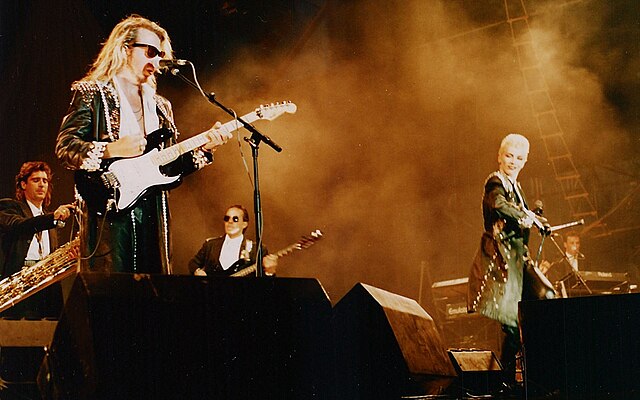
“Sweet dreams (are made of this)” — Eurythmics (1983)
Annie Lennox opens this by asking a philosophical question and answering it with something that sounds mildly threatening. AllMusic describes it as the song that broke the mould for female pop stars and made Lennox and Dave Stewart MTV superstars. The opening line became a caption, a hashtag, a worldview. Forty-three years old. You’ve seen it in someone’s bio this week. Guarantee it.
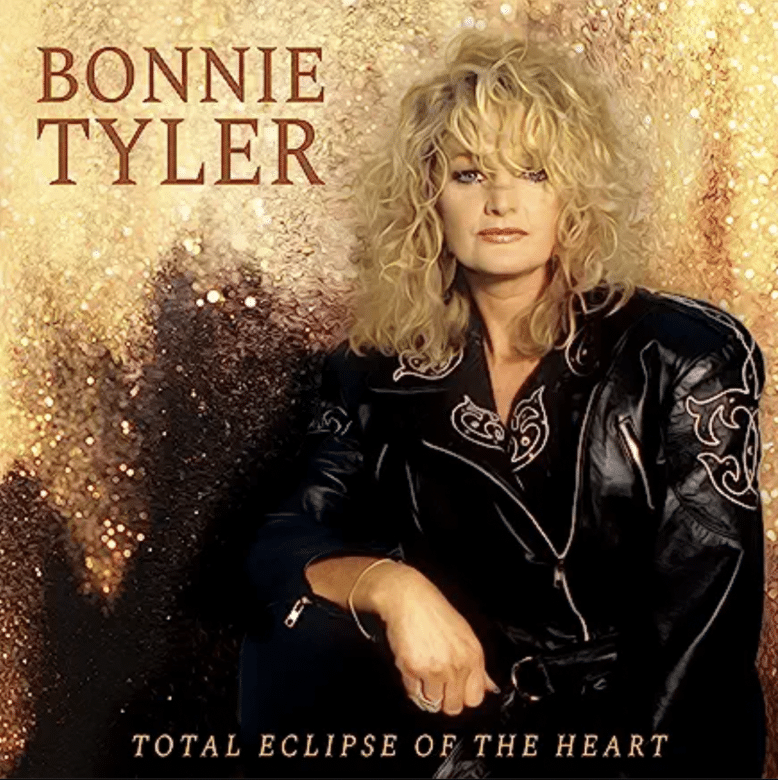
“Total eclipse of the heart” — Bonnie Tyler (1983)
Jim Steinman wrote this as a vampire love song. Not a metaphor — actual brief. Songfacts confirms it. Go back and listen, knowing that and everything makes sense. The choir, the key change, Bonnie Tyler losing her mind in the chorus. You can know every word and still not be ready for it.

The bottom line
The 1980s were built on instinct, excess and the absolute conviction that more was always better. Bigger synths. Bigger hair. Bigger choruses. TikTok didn’t discover any of that. It just handed those qualities a delivery system and an audience that arrived forty years late and arrived completely.
Ask us! What questions do you have about content, strategy, pop culture, lifestyle, wellness, history or more? We may use your question in an upcoming article!
Related:
- The most controversial song the year you were born: Gen X edition
- The most controversial songs of the ’60s: Do you agree?
Like MediaFeed’s content? Be sure to follow us.
This article was syndicated by MediaFeed.co.