
15 Ways to Save for a House Without Making Yourself Miserable
Saving for a down payment can feel overwhelming, especially when home prices seem to climb faster than your savings account balance.
The good news is that most successful homebuyers don’t get there through one dramatic financial move. They get there through dozens of small, consistent decisions that add up over time.
You don’t need to swear off fun, survive on ramen noodles, or spend the next five years saying no to everything. What you do need is a plan, a goal, and a few smart habits that keep your savings moving in the right direction.
Here are 15 practical ways to build your down payment fund faster.

15. Sell Things You No Longer Use
Most people have money sitting around their homes without realizing it.
Unused electronics, furniture, collectibles, sporting equipment, and designer clothing can often be turned into extra cash. Every dollar earned is one less dollar you need to save from your paycheck.

14. Use Windfalls Wisely
Tax refunds, bonuses, cash gifts, and side-income surprises can provide a major boost.
Instead of treating unexpected money like spending money, consider directing a significant portion toward your home fund.

13. Take Advantage of First-Time Homebuyer Programs
Many states, cities, and lenders offer grants, down payment assistance, or favorable loan programs for qualified buyers.
Researching available programs could potentially reduce how much you need to save on your own.

12. Earn Extra Income on the Side
Freelancing, tutoring, pet sitting, rideshare driving, selling crafts, or consulting can accelerate your timeline significantly.
Many future homeowners dedicate 100% of their side-income earnings to their down payment savings.

11. Cut Back on Unused Subscriptions
Streaming services, meal delivery plans, fitness apps, subscription boxes, and premium memberships can quietly consume hundreds of dollars each year.
A quick subscription audit often reveals easy savings.
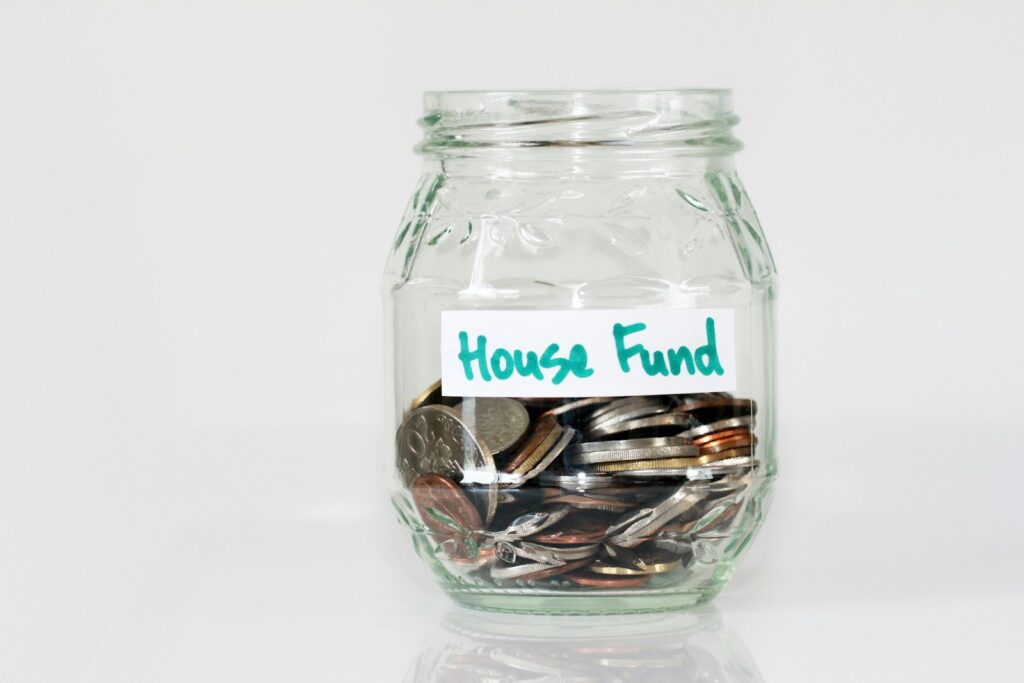
10. Open a Dedicated House Savings Account
Keeping your down payment money separate from your everyday spending account creates a psychological barrier that makes it harder to dip into your savings.
It also helps you track progress toward your goal more clearly.

9. Put Your Savings in a High-Yield Savings Account
Traditional savings accounts often pay very little interest.
A high-yield savings account can help your money earn more while remaining relatively accessible when you’re ready to buy. Rates change over time, so compare options periodically.

8. Cook More Meals at Home
Dining out is one of the easiest expenses to underestimate.
Preparing even a few additional meals at home each week can free up hundreds of dollars each month without requiring extreme sacrifices.

7. Delay Major Non-Essential Purchases
New furniture, upgraded electronics, luxury vacations, and expensive hobbies can all wait a little longer if homeownership is your priority.
Temporary sacrifices can produce long-term rewards.
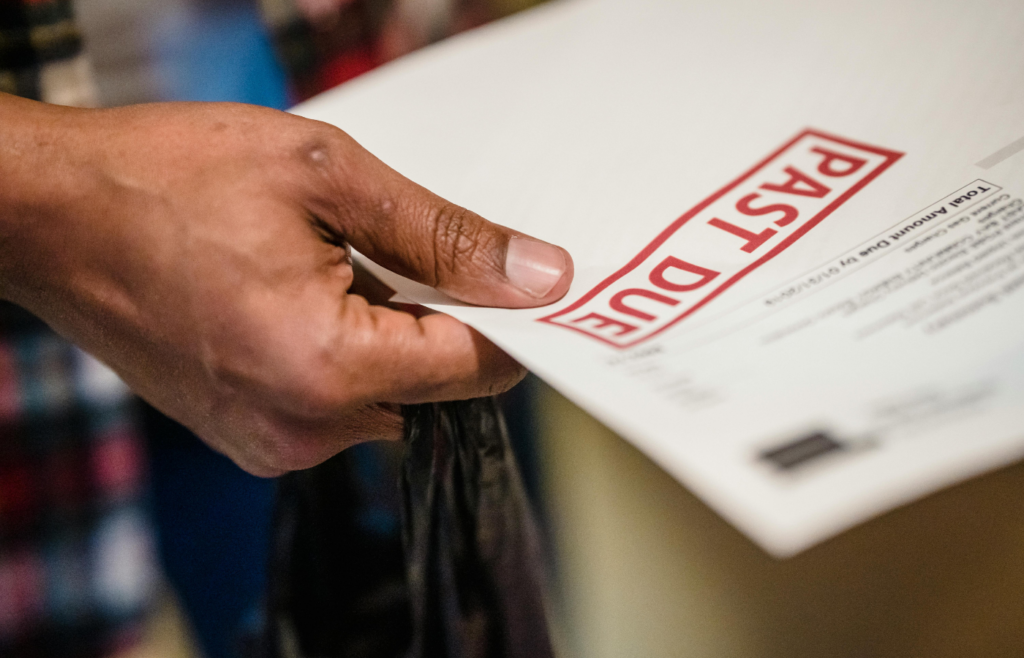
6. Reduce High-Interest Debt
Credit card balances and personal loans can slow your progress in two ways: they cost money in interest and can affect your debt-to-income ratio when applying for a mortgage.
Paying down expensive debt often improves your overall financial position.

5. Set a Specific Savings Goal
“Save for a house” feels vague.
“Save $30,000 within three years” feels actionable.
Specific goals make it easier to track progress and stay motivated when temptation strikes.
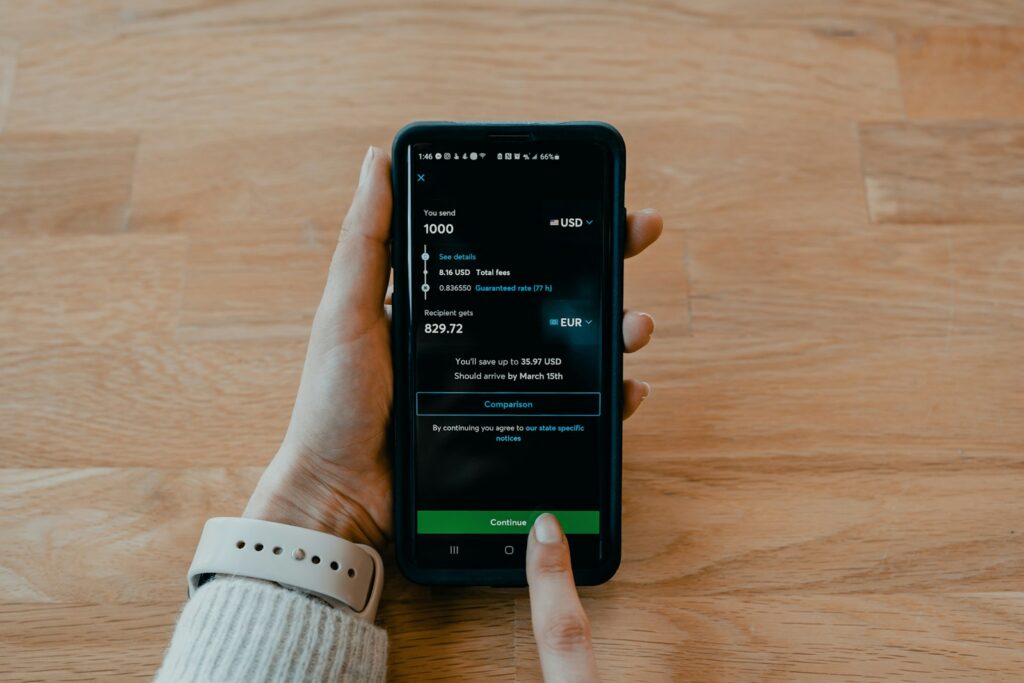
4. Automate Your Savings
One of the most effective strategies is also the simplest.
Set up automatic transfers every payday so money moves directly into your down payment account before you have a chance to spend it.
3. Live Slightly Below Your Means
This doesn’t mean depriving yourself.
It means creating a gap between what you earn and what you spend. The larger that gap becomes, the faster your down payment grows.

2. Track Every Dollar for a Month
Many people are shocked when they discover where their money actually goes.
Tracking spending for just 30 days often reveals hidden leaks, recurring expenses, and spending habits that can be adjusted without dramatically affecting your lifestyle.

1. Create a Realistic Budget—and Actually Use It
A budget isn’t about restriction.
It’s about giving your money a purpose.
The most successful savers know exactly how much they’re earning, spending, and saving each month. Once you have that clarity, building a down payment becomes far more achievable because every dollar has a job.
Saving for a home rarely happens overnight. But with consistent effort, clear goals, and a few strategic adjustments, what feels impossible today can become reality sooner than you think. The key isn’t perfection—it’s progress, one month at a time.
Read More:
- 10 Smart Ways Fixed Returns Can Help You Beat Inflation
- What Retirees Wish They Knew Before Moving to Florida
- Thinking About Real Estate? Read This First
Ask us! What questions do you have about content, strategy, pop culture, lifestyle, wellness, history or more? We may use your question in an upcoming article!
Like MediaFeed’s content? Be sure to follow us.
This article originally appeared on Resourcebuzz and was syndicated by MediaFeed.co.