More brands we miss every single day
A reader asked through the Ask MediaFeed option which disappeared brands we still think about. The brands that a generation grows up with do not simply become obsolete. They become part of the background of memory, woven into specific years and feelings in a way that their replacements rarely manage to replicate.
We have written about the stores and chains that defined suburban life. But other kinds of brands register the loss differently. The airline that made travel feel like an occasion, the car that meant middle-class stability, the camera that proved a moment had existed.
Here are five more that this generation still reaches for and finds gone.
Pan Am
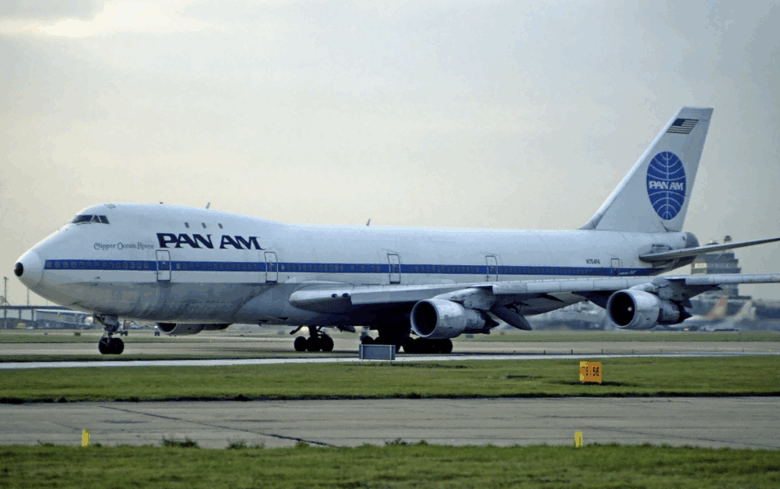
Pan American World Airways was not merely an airline. Founded in 1927 with a mail route between Florida and Cuba, Pan Am carried 11 million passengers a year to 86 countries at its 1970 peak. The blue globe logo was the symbol of a world opening up, of travel as aspiration rather than inconvenience. The 1988 Lockerbie bombing killed 270 people aboard Flight 103 and accelerated financial pressures that had been building for years. Pan Am filed for bankruptcy and shut down in December 1991.
TWA
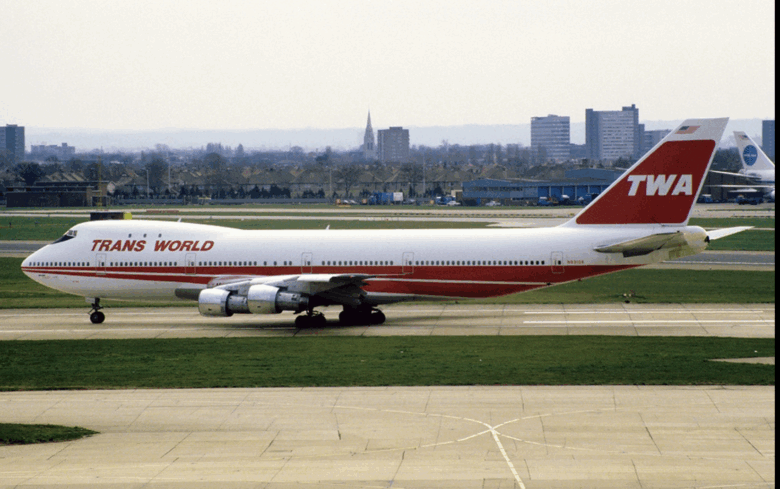
Trans World Airlines was founded in 1930 and flourished under Howard Hughes, who treated it as a personal project in sophistication. TWA’s red and white livery, the Saarinen terminal at JFK, the sense that flying was an event: everything about it was built around that idea. Bankruptcy filings in 1992 and 1995 eroded the company steadily. American Airlines absorbed the brand in 2001.

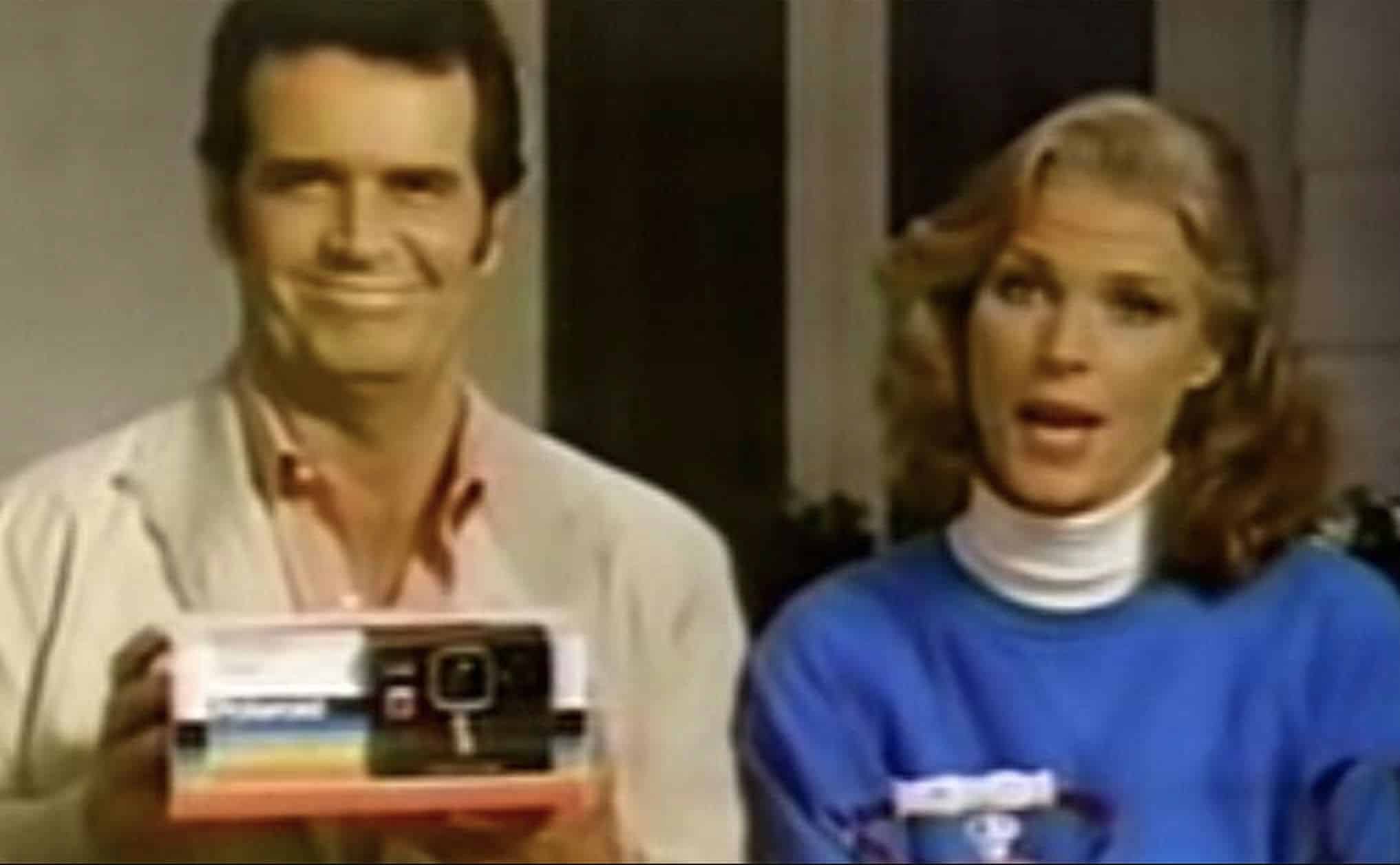
Polaroid
Edwin Land invented the instant camera in 1947 after his three-year-old daughter asked why she could not see a photograph immediately after it was taken. Polaroid became one of the defining objects of late 20th-century American life. The white-bordered print developing in your hands was not merely a photograph; it was a small proof that the moment had existed. Andy Warhol shot on Polaroid obsessively. The brand filed for bankruptcy in 2001 as digital photography made the core technology obsolete, and has since been revived in a limited niche form.
Oldsmobile
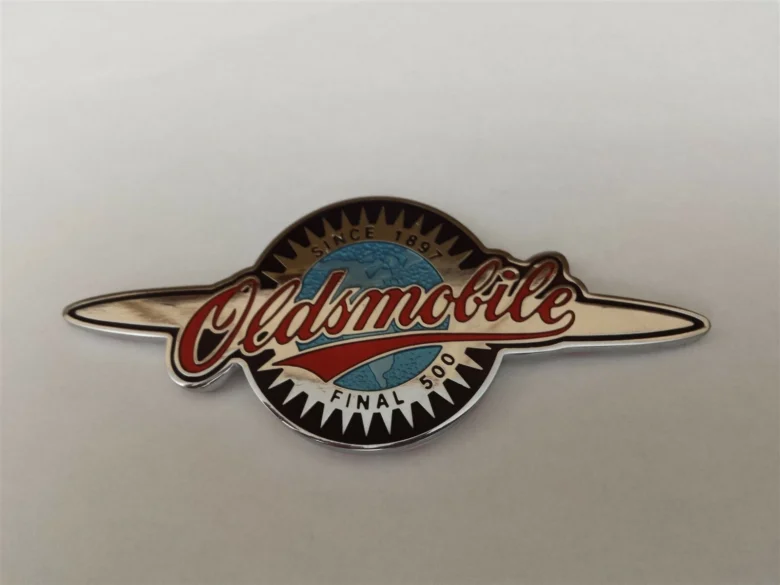
General Motors launched Oldsmobile in 1897. At its peak, it produced over a million vehicles annually: reliable, aspirational without being ostentatious, the car that signaled a specific level of stability. The Cutlass Supreme was the best-selling car in the US for several years in the 1970s. The final Oldsmobile rolled off the line in 2004 after 107 years of production. The generation that grew up in the back seat felt the closure as a small cultural death.
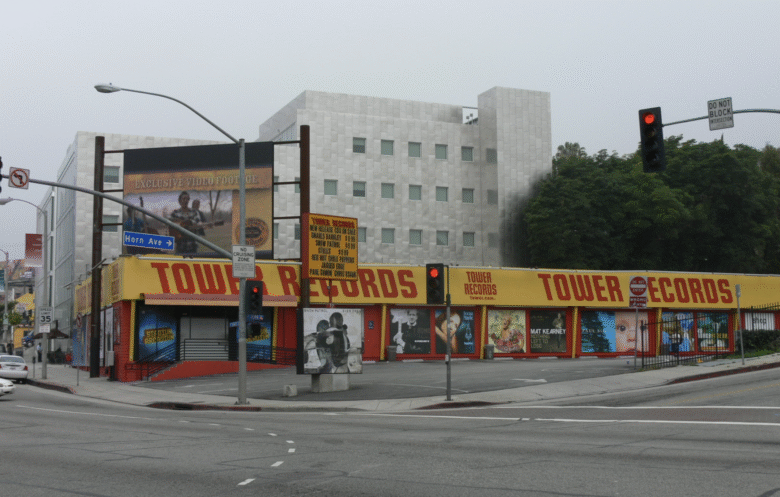
Tower Records
A Tower Records on a Saturday was a full afternoon: multiple floors, listening stations, staff picks on index cards. Founded in Sacramento in 1960, Tower grew into a global chain with flagships in Los Angeles, New York, and Tokyo. Digital downloads had done most of the damage by the time it filed for bankruptcy in 2006. The 2015 documentary All Things Must Pass captured what disappeared with it.

Wrap up
These brands are not just products. They are timestamps, attached to a way of being in the world that the digital era replaced rather than improved. Keep sending your questions through Ask MediaFeed.
Ask us! What questions do you have about content, strategy, pop culture, lifestyle, wellness, history or more? We may use your question in an upcoming article!
Related:
- Gone but not forgotten: Photos of classic mall stores we miss
- Gone but not forgotten: Photos of childhood snacks we miss
Like MediaFeed’s content? Be sure to follow us.
This article was syndicated by MediaFeed.co.