The most controversial songs of the ’90s: Do you agree?
The 1990s shifted the debate over music and public morality from Capitol Hill to the culture at large. The Senate hearings of the 1980s had produced the warning sticker system. What followed was a decade in which artists pushed harder, and the music became impossible to separate from the controversy around it.
The range of what the decade found intolerable was broader than any previous era. Anti-police rage, graphic intimacy, religious provocation, cultural imperialism, and a direct link between a song and a real-world riot.
Seven songs, seven different kinds of intolerable. Each generated real consequences.
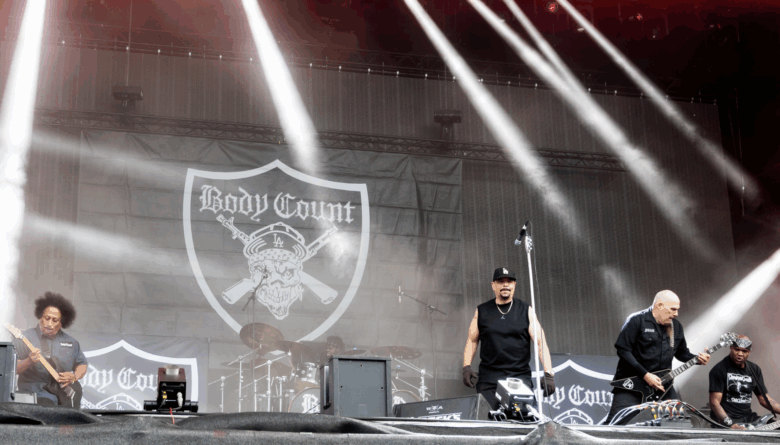
“Cop killer” by Body Count featuring Ice-T (1992)
Body Count released “Cop Killer” weeks before the Los Angeles riots. President Bush condemned it. Charlton Heston read the lyrics aloud at a Time Warner shareholders meeting. Ice-T voluntarily withdrew the song, making it the first recording removed from commercial release due to political pressure rather than a court order.
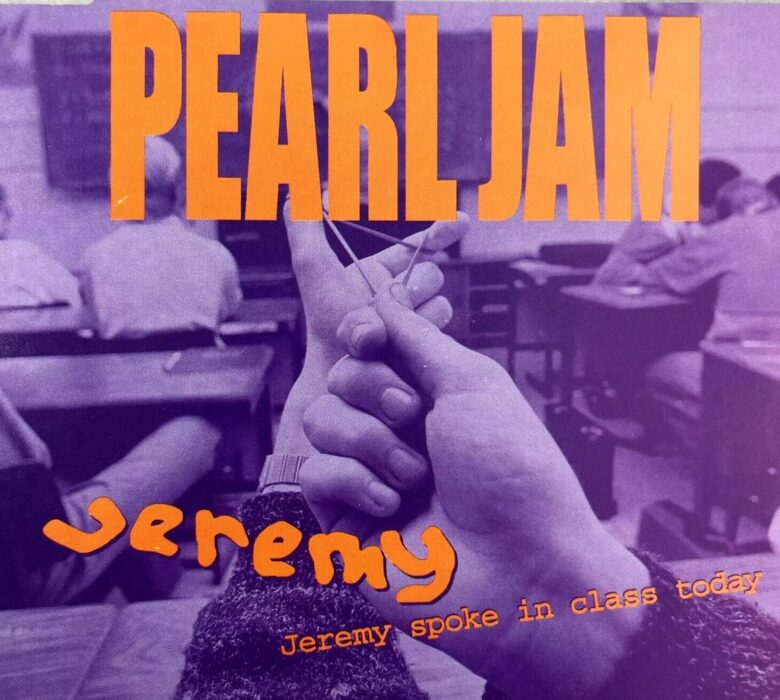
“Jeremy” by Pearl Jam (1992)
Eddie Vedder wrote “Jeremy” after reading about Jeremy Delle, a 15-year-old in Texas who shot himself in front of his English class. The video won four VMAs, including Video of the Year. After Columbine, MTV essentially retired it. Vedder said the song was intended to reduce gun violence, but the opposite appeared to be happening.
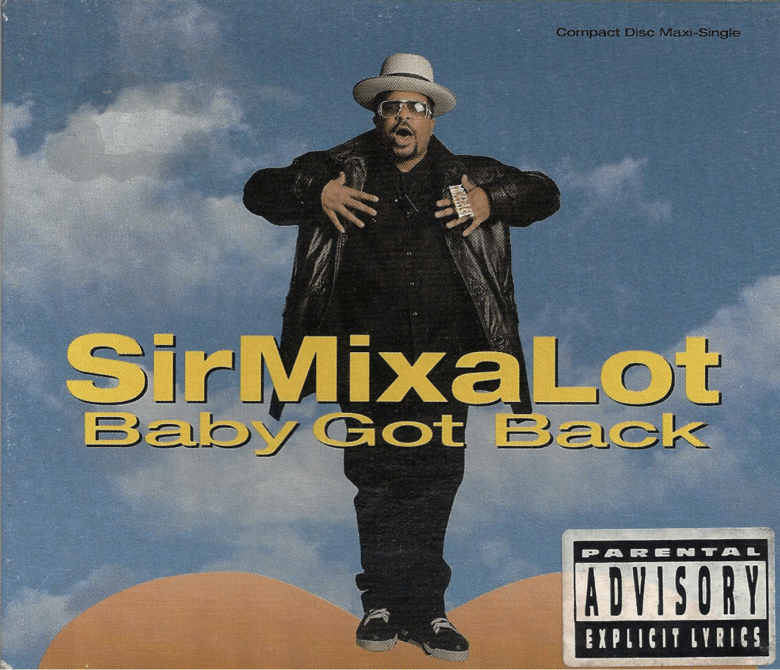
“Baby got back” by Sir Mix-A-Lot (1992)
“Baby Got Back” opens with a Valley Girl disparaging a Black woman’s body, then proceeds to celebrate it. MTV banned the video briefly, accelerating its notoriety. It held number 1 for five consecutive weeks. Mix-A-Lot has said critics consistently misread its intent as a commentary on how the media represents Black women’s bodies.

“Killing in the name” by Rage Against the Machine (1992)
Written in direct response to the Rodney King beating, the song links law enforcement to the Ku Klux Klan in its central lyric. Most US radio stations refused the uncensored version. Clear Channel blacklisted the entire catalog after September 11. In 2009, a Facebook campaign pushed it to the UK Christmas number 1.
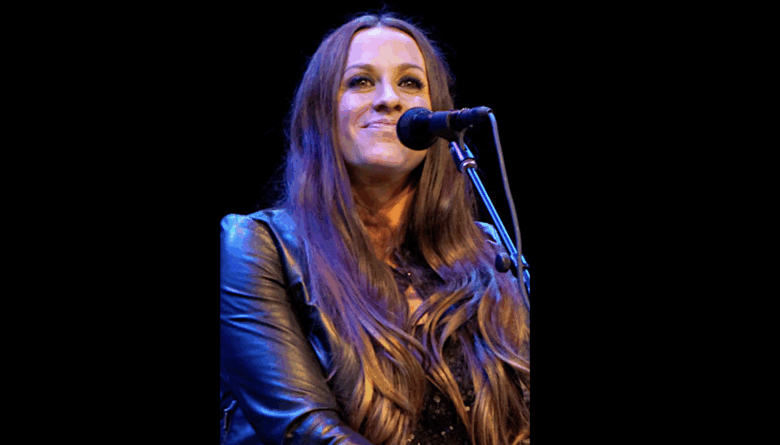
“You oughta know” by Alanis Morissette (1995)
Recorded in three takes with Dave Navarro and Flea, “You Oughta Know” contained a graphic intimate reference that most radio stations bleeped. MTV kept it to late-night slots for months. It is now credited as the song that changed what women were permitted to say in popular music.
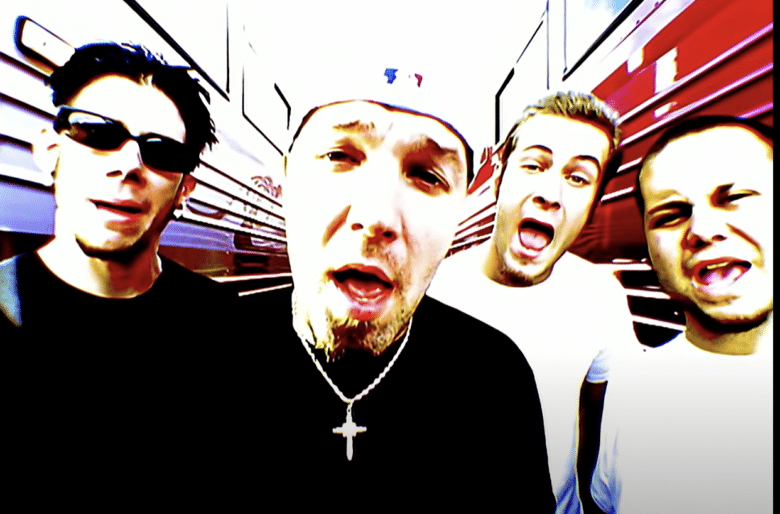
“Break stuff” by Limp Bizkit (1999)
Deep into their set at Woodstock ’99, Limp Bizkit played “Break Stuff,” and the crowd tore apart anything within reach. The song won the MTV VMA for Best Rock Video that year, and Rage Against the Machine’s Tom Commerford climbed the set in protest at the ceremony. The Woodstock ’99 riots are now considered one of the most documented cases of music directly precipitating crowd violence.
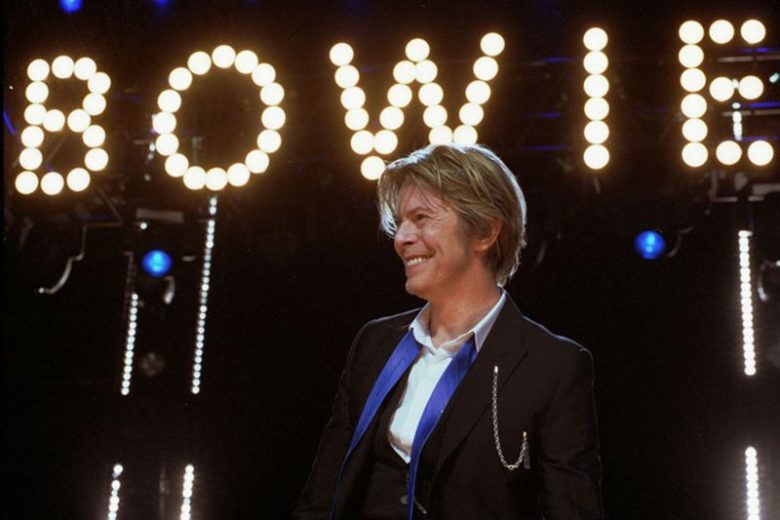
“I’m afraid of Americans” by David Bowie featuring Trent Reznor (1997)
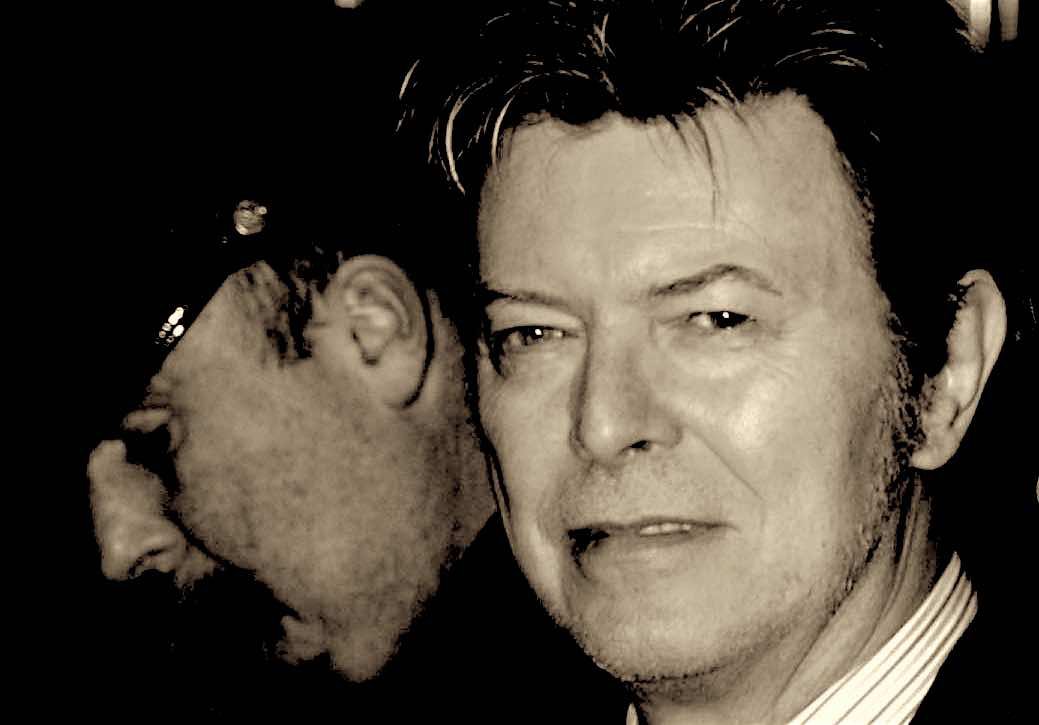
Originally written with Brian Eno around 1995 and released on the album Earthling, the single was remixed by Trent Reznor and released in October 1997. Bowie described it as sardonic rather than hostile, sparked by watching a McDonald’s open in Java. Reznor stalked Bowie through New York City in the video dressed as Travis Bickle. It was Bowie’s last Hot 100 entry while alive.

Wrap up
How many of these songs do you remember? Which caused the most damage, and which the most good? What songs did we miss?
Ask us! What questions do you have about content, strategy, pop culture, lifestyle, wellness, history or more? We may use your question in an upcoming article!
Related:
- The most controversial songs of the ’50s: Do you agree?
- The most controversial songs of the ’60s: Do you agree?
Like MediaFeed’s content? Be sure to follow us.
This article was syndicated by MediaFeed.co.