Old-school rap hits that wouldn’t fly today
A reader recently asked us which old-school rap songs would never survive a modern label’s legal review, and honestly, the list writes itself. It sounds simple until you actually start answering it. Then the list gets long fast.
This article follows the trail blazed by our earlier piece on classic songs that would never get radio play today. That one opened a lot of eyes. Rap, though, is its own case study. The genre was built on provocation, which gave it its power and its problems in equal measure. Looking back at some of the biggest hits from the eighties and nineties, the content is startling, not because it was hidden, but because so much of it was right there in plain sight, charted and celebrated.
Quick reminder: If you have a pop culture question from your generation that deserves a closer look, we want to hear it!
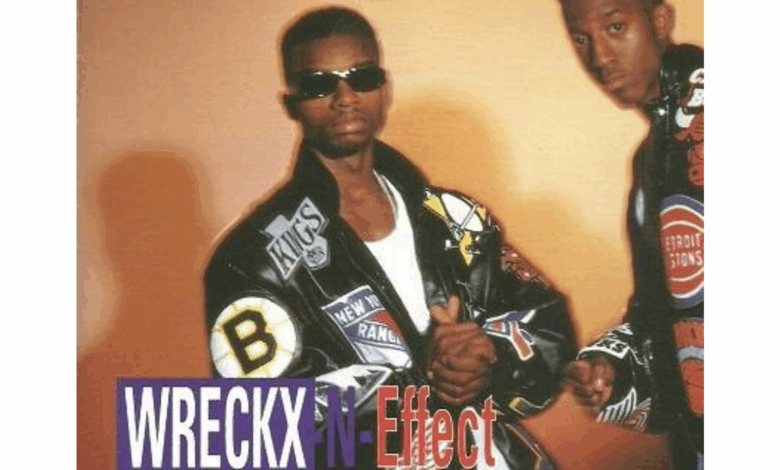
“Rump Shaker” by Wreckx-N-Effect (1992)
Wreckx-N-Effect’s massive hit was rejected by MTV without a sanitized edit, despite the label duly providing one. The original version was widely criticized for its treatment of women as visual props. It would face considerably steeper scrutiny today, and the sanitized version would likely still not be enough.
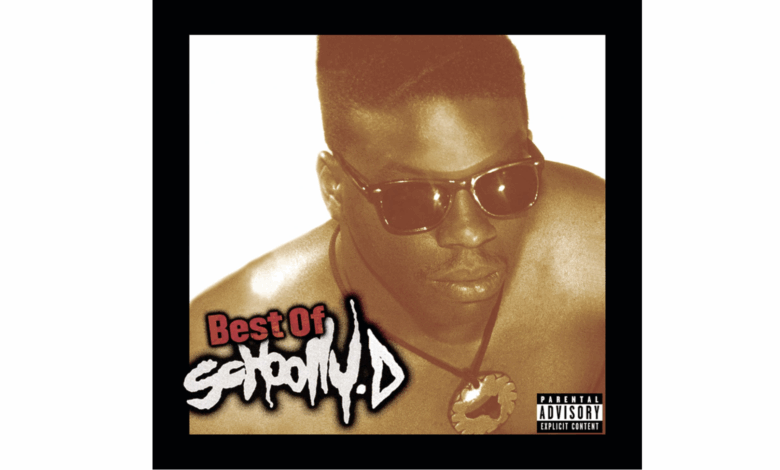
“P.S.K. What Does It Mean?” by Schoolly D (1985)
Schoolly D is widely credited as the founding father of gangsta rap, and this track is the evidence. Gang violence and drug use are depicted with matter-of-fact casualness and zero ironic distance. Releasing it commercially today would ignite a firestorm.

“Gangsta of Love” by the Geto Boys (1991)
The Geto Boys represent the outer edge of what major distributors were willing to handle in the early nineties, and more than one refused to carry their records at all. Today’s streaming platforms would broadly restrict tracks describing violence against women in graphic detail before they reached a single playlist.

“Gangsta Gangsta” by N.W.A (1988)
As one of the defining singles from N.W.A’s landmark debut, this track was banned from most mainstream radio on release. Its casual treatment of violence as entertainment set a template that changed the industry. It would be commercially indefensible today.
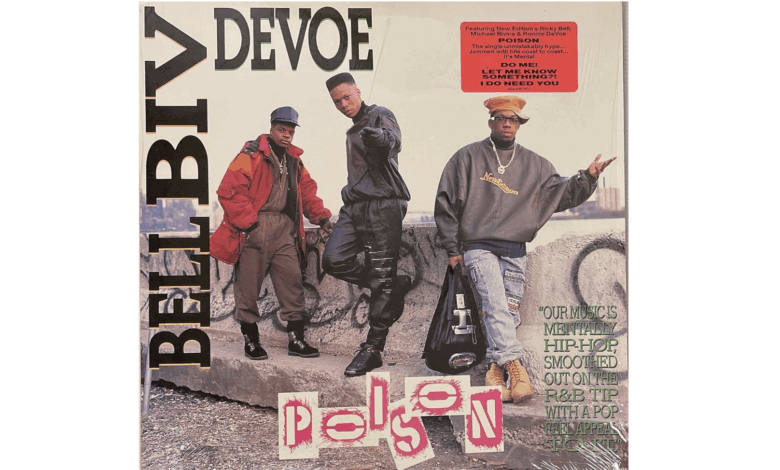
“Do Me!” by Bell Biv DeVoe (1990)
Bell Biv DeVoe’s top five hit was one of the first mainstream R&B songs to dispense entirely with innuendo. Critics noted it broke a barrier that had kept explicit content off radio. The song also contains a lyric referencing an underage person in a backstage context that would be indefensible by any standard today, in any genre.

“Girlies” by EPMD (1988)
EPMD were known for smooth, cerebral production, which made the content of this track easy to absorb without examining too closely. Women are categorized, ranked, and discarded across four minutes of polished beats. Unremarkable in 1988. Striking when you actually read the lyrics today.
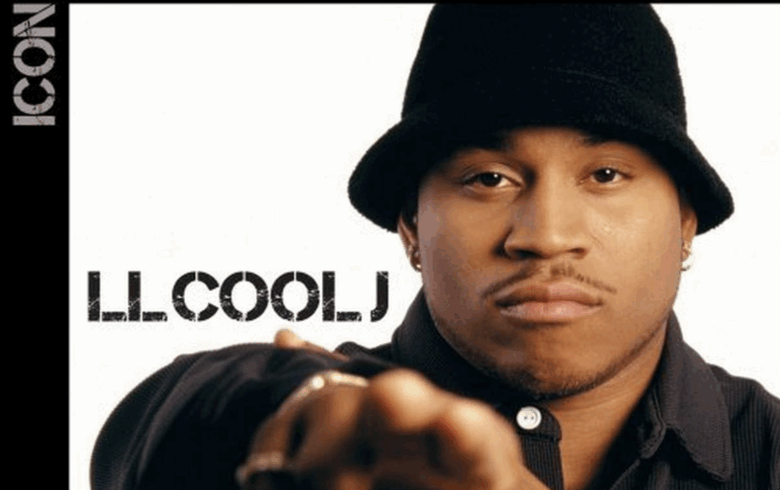
“Doin’ It” by LL Cool J (1996)
LL Cool J’s explicit hit was a top-five single built entirely around graphic intimate description. Radio stations required a heavily edited version even at the time. Today the song’s content and framing would not clear a label’s compliance review in any version.
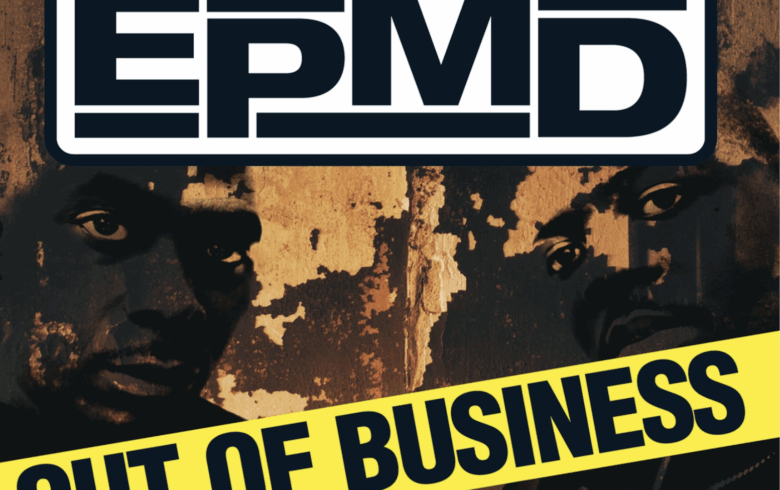
“So Watcha Sayin'” by EPMD (1989)
EPMD’s second album cut treated women as territory to be claimed and documented it in language that drew criticism even from fans. It is a reminder that it was not only the headline acts pushing the boundaries during the golden era.
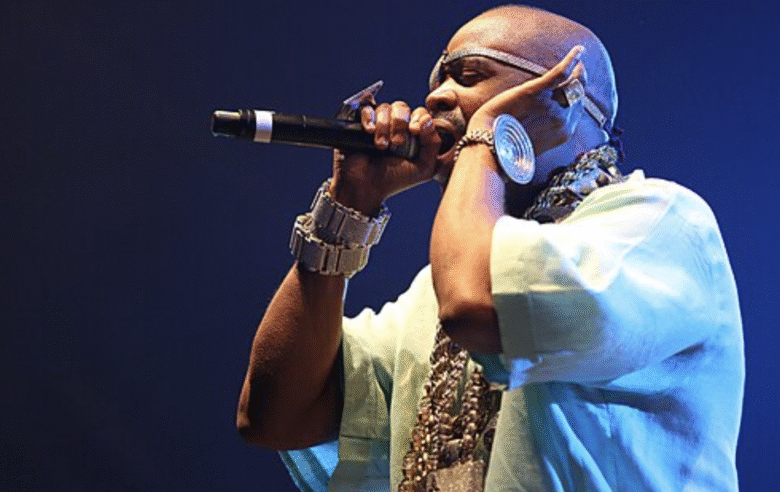
“Treat Her Like a (explicative)” by Slick Rick (1988)
Slick Rick was one of the most gifted storytellers hip-hop has ever produced. This track, from his celebrated debut, directed listeners to distrust and demean women as a default response to romantic disappointment. The title alone would end a press cycle before it started today.
“The Humpty Dance” by Digital Underground (1990)
Digital Underground’s breakthrough single is remembered as one of the funniest, most inventive rap tracks of its era. It is also a song in which the narrator methodically describes intimate encounters with women while they are unaware of what he looks like. The comedic framing carried it in 1990. It would not carry it now.

Wrap up
None of this means these songs should be erased or that the artists who made them have nothing to offer. Context matters, and so does evolution. What this list illustrates is that the culture has shifted, and music that was once a mainstream product would today require a very different conversation before it saw the light of day.
Ask us! What questions do you have about content, strategy, pop culture, lifestyle, wellness, history or more? We may use your question in an upcoming article!
Related:
Like MediaFeed’s content? Be sure to follow us.
This article was syndicated by MediaFeed.org.