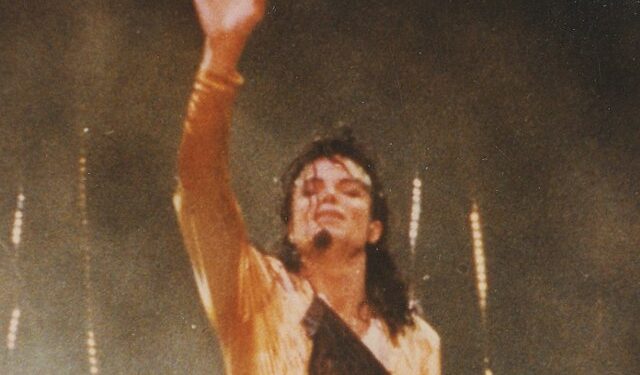
On January 27, 1984, Michael Jackson was filming a high-profile Pepsi commercial at the Shrine Auditorium in Los Angeles when a pyrotechnic malfunction caused one of the most shocking accidents in entertainment history. During a simulated concert scene, fireworks ignited prematurely, setting Jackson’s hair on fire and resulting in second-degree burns to his scalp. The incident not only caused immediate physical injury but also marked a turning point in the singer’s personal health and public life.
Jackson was rushed to Cedars-Sinai Medical Center, where doctors treated burns that covered parts of his scalp and face. Although he was released after initial treatment, the injuries required ongoing medical care, including multiple procedures to address scarring and pain. Witnesses on set reported chaos as crew members attempted to extinguish the flames, while Jackson, initially unaware of the severity, continued performing for several moments before realizing what had happened.
At the time of the accident, Jackson was at the peak of his career. His album Thriller had become the best-selling album of all time, and the Pepsi deal—worth an estimated $5 million—was one of the largest celebrity endorsements ever signed. The incident quickly became international news, raising questions about safety standards in commercial production and the risks involved in large-scale pyrotechnics.
In the years that followed, Jackson’s burns were widely believed to have contributed to chronic pain, which led to frequent use of prescription painkillers. Some biographers and medical experts have suggested that this reliance began with the treatments required after the Pepsi accident, though Jackson himself rarely spoke publicly about the long-term effects. The incident has since been cited as an early factor in his complex and well-documented struggles with health and medication dependency.
Despite the trauma, Jackson made a notable philanthropic decision. He settled with Pepsi out of court and donated the entire settlement—reported to be approximately $1.5 million—to the Michael Jackson Burn Center for Children, which was established at Brotman Medical Center in Culver City, California. The center provided specialized care for young burn victims and stood as one of Jackson’s most significant charitable contributions.
More than four decades later, the 1984 Pepsi accident remains a defining moment in pop culture history. It exposed the physical dangers behind entertainment spectacle and marked a profound shift in Michael Jackson’s life, blending tragedy, resilience, and generosity in a single, unforgettable event.
Ask us! What questions do you have about content, strategy, pop culture, lifestyle, wellness, history or more? We may use your question in an upcoming article!
Like MediaFeed’s content? Be sure to follow us.
This article was syndicated by MediaFeed.org.