Strange hobbies Americans loved in the ’60s
The 1960s were a time of experimentation, countercultural energy, and activities that seem wonderfully odd today. Americans embraced quirky pastimes that reflected the era’s creative spirit and desire for personal expression.
Stamp collecting consumed millions
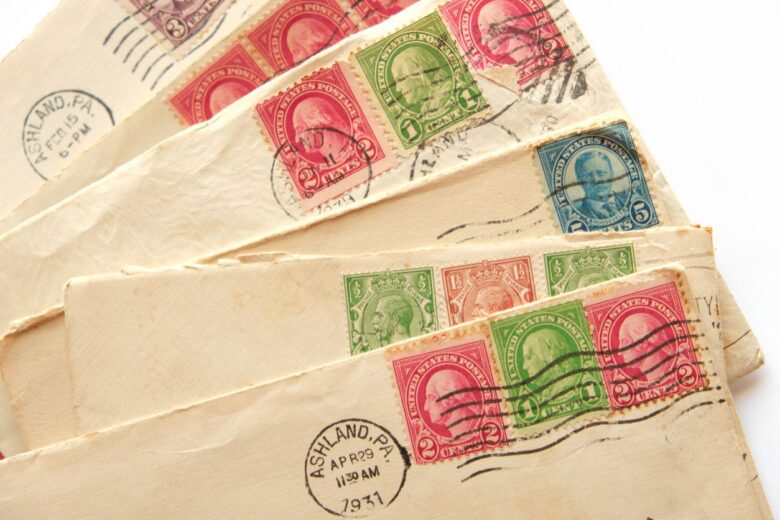
During the 1960s, stamp collecting flourished into a massive boom with an estimated 20 million collectors in the United States alone, nearly 10 percent of the population. Stamp clubs sprang up nationwide, exhibitions showcased rare finds, and families spent evenings organizing albums filled with colorful miniature windows into world history.

Hula hoop competitions became obsessions
The plastic hoop craze that started in 1958 continued strong through the 1960s, with national hula hoop contests beginning in 1968 and running until 1981. People practiced obsessively for hours, mastering moves like the Stork and Alley Oop while competing in local and regional championships across America.
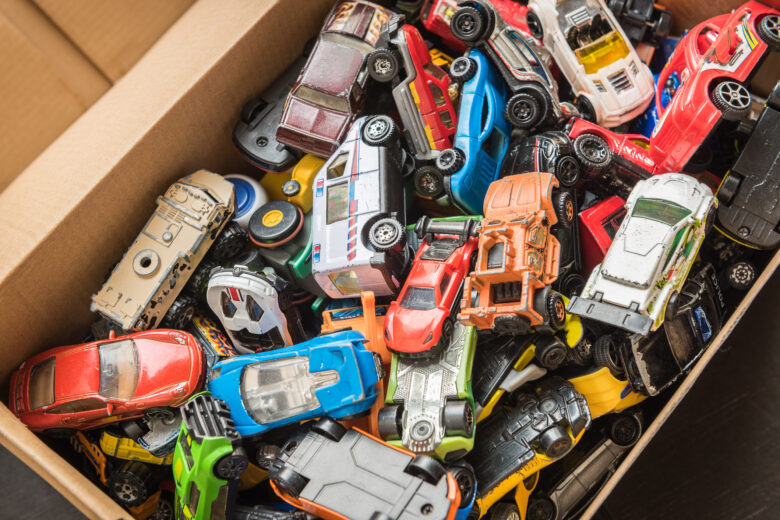
Matchbox car collections grew serious
Adults and children alike became devoted collectors of die-cast miniature vehicles, with Matchbox and Hot Wheels cars representing detailed engineering marvels. Collectors obsessed over rare models, variations, and pristine condition, turning what seemed like child’s play into a sophisticated hobby requiring knowledge and investment.
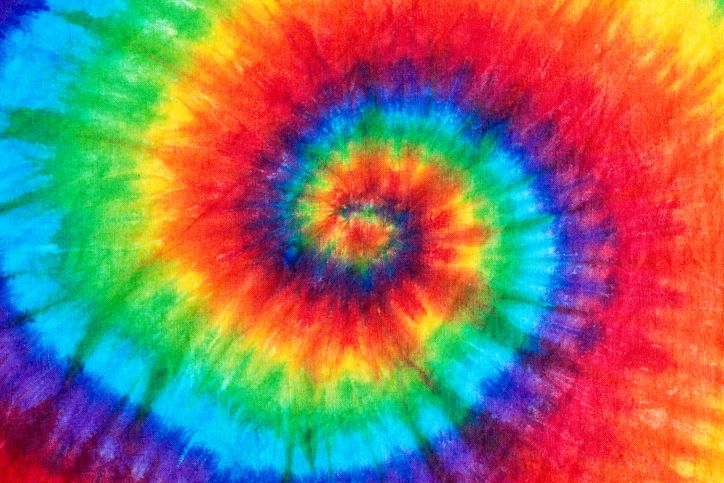
Tie-dye expressed counterculture identity
Creating psychedelic patterns on clothing became a form of personal rebellion and artistic expression during the counterculture movement. Enthusiasts experimented with folding techniques, dye combinations, and color placement, transforming plain white shirts into wearable art that proclaimed their rejection of conformity.

Soap carving demanded precision
Families gathered around kitchen tables to carve intricate designs from ordinary bars of soap, a meditative hobby that required patience and artistic skill. Hobby clubs formed around this precise craft, with members creating everything from flowers to animals using just a knife and Ivory soap.

Macramé created functional art
The ancient knotting technique experienced a significant resurgence in the mid-to-late 1960s, with enthusiasts creating plant hangers, wall hangings, and decorative pieces. This labor-intensive hobby combined artistic creativity with functional home décor, perfectly capturing the era’s handmade aesthetic.

Martial arts gained surprising followers
Imported from Asia and popularized by television and films, judo and other martial arts attracted Americans seeking discipline and physical mastery. Dojos opened across the country as people embraced these Eastern practices, learning katas and earning colored belts through dedicated training.
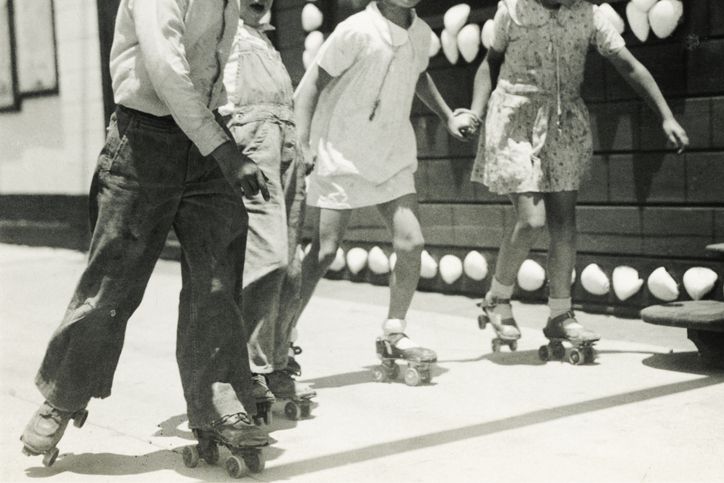
Roller skating marathons tested endurance
Competitive and recreational skating exploded in popularity, with marathons held in local rinks across the nation. Participants spent hours circling wooden floors, some attempting endurance records while others simply enjoyed the social atmosphere and exercise.
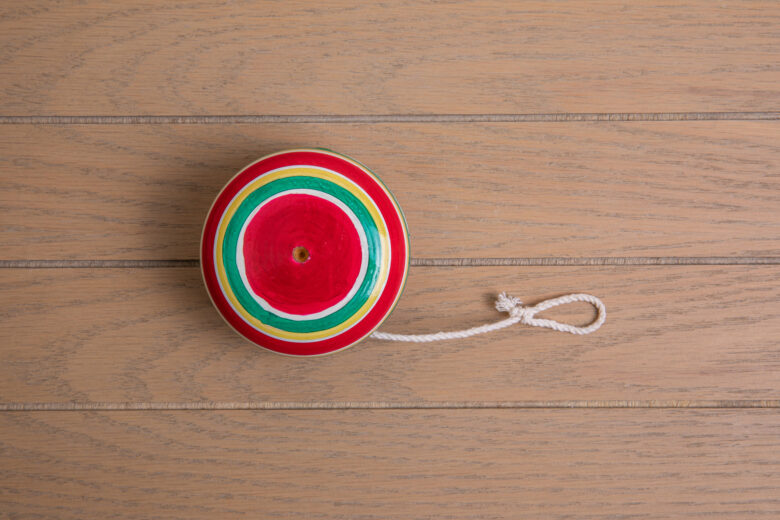
Yo-yo mastery became a national pastime
Duncan yo-yo demonstrations drew crowds to stores and schools, sparking yo-yo clubs and contests nationwide. Enthusiasts practiced tricks like Walk the Dog and Around the World, with some achieving such skill that they performed professionally at exhibitions and competitions.
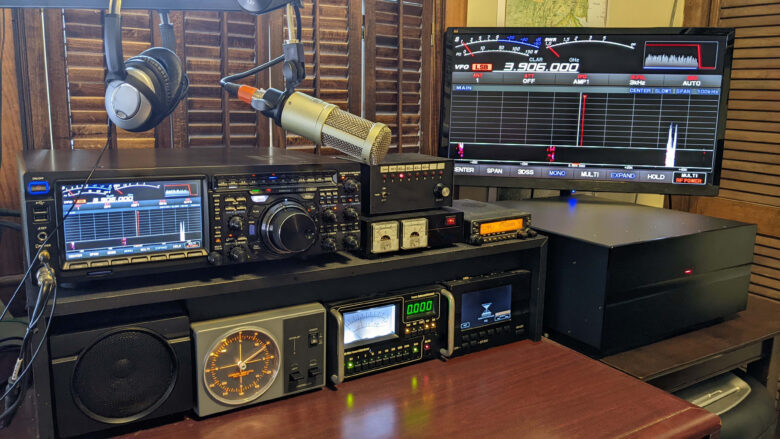
Ham radio connected distant strangers
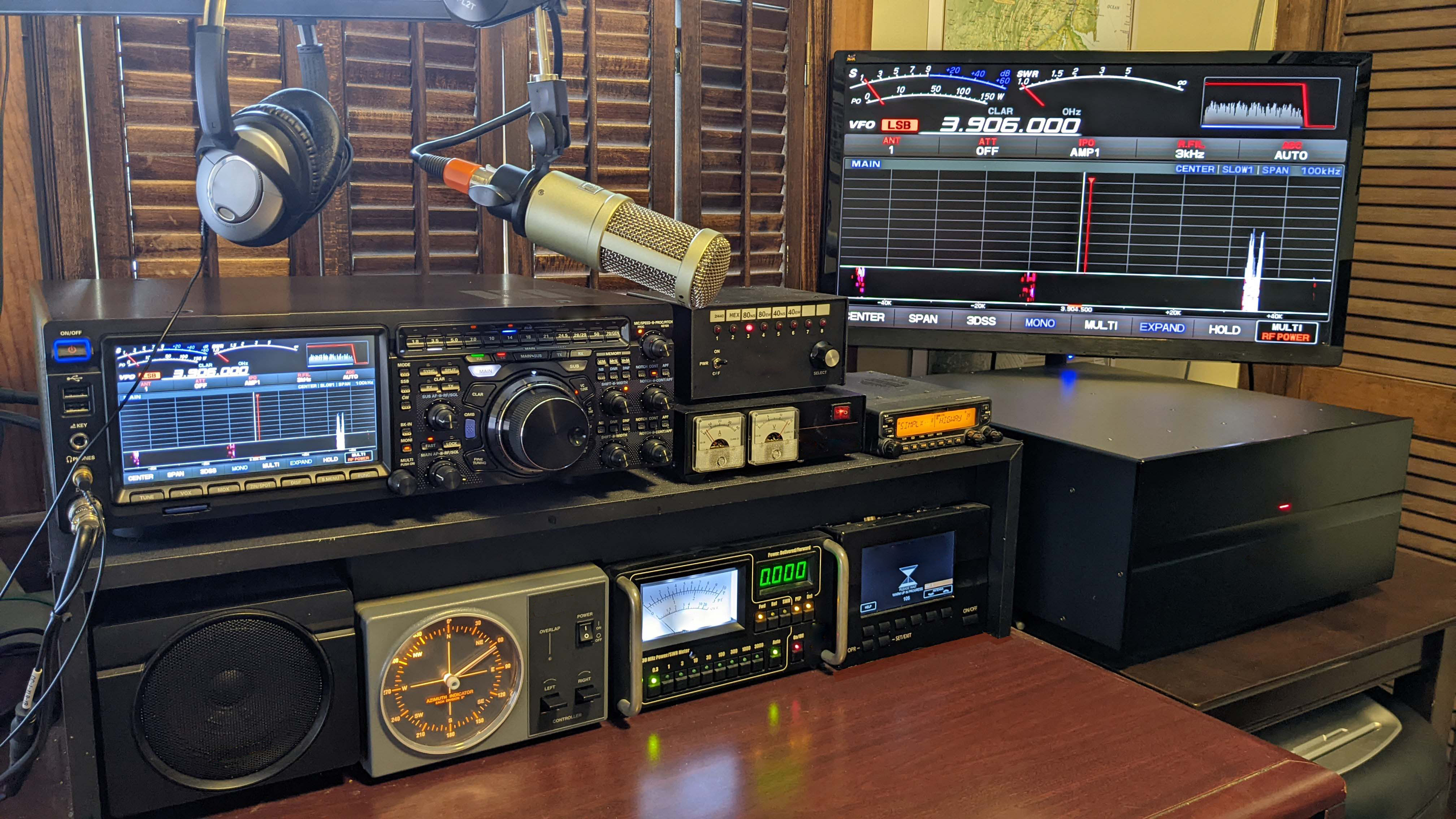
Operating amateur radio equipment offered a mysterious, technical hobby that let people communicate across states and countries. Hobbyists spent hours in basements surrounded by equipment, earning licenses and call signs while building a community through invisible airwaves.
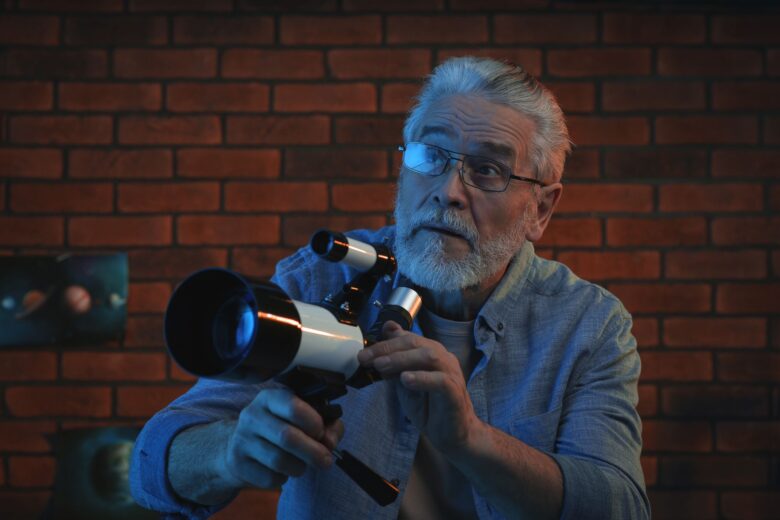
Amateur astronomy rode the space race
The moon landing sparked telescope clubs and stargazing groups that boomed during the space race era. Backyard astronomers charted constellations, tracked planets, and dreamed of cosmic exploration while peering through lenses at the night sky.

Beatnik poetry packed coffeehouses
Performing and listening to spoken word became integral to counterculture, with poetry readings in dimly lit coffeehouses attracting intellectuals and rebels. Snapping fingers replaced applause as poets shared verses about social justice, personal freedom, and existential questions.
Wrapping up
The 1960s embraced unusual hobbies that reflected experimentation, community, and self-expression. From hula hoops to ham radio, these strange pastimes remind us that the most memorable activities often seem the oddest.
Related:
- Lessons from the analog age: Why Boomers are right to put presence before push notifications
- The mindful wisdom behind Boomers’ favorite pastimes
Like MediaFeed’s content? Be sure to follow us.
This article was syndicated by MediaFeed.org.