Possible Reasons, and The Best Labs for Fatigue
Key Takeaways:
- Fatigue describes more than just feeling sleepy — it’s a persistent lack of energy that impacts daily life.
- Common causes of fatigue include anemia, thyroid dysfunction, vitamin deficiencies, infections, and hormonal changes.
- Certain blood tests can check important biomarkers and help uncover the root cause of fatigue. These labs for fatigue include CBC, thyroid panel, vitamin D, B12, and iron studies.
- Identifying the right labs for fatigue can help guide treatment and ultimately improve your energy levels.
Everyone feels tired from time to time, but if exhaustion lingers no matter how much you sleep, you might be dealing with more than just a busy week.
Fatigue, as opposed to tiredness, is a persistent sense of low energy, lack of motivation, and reduced mental or physical endurance that interferes with daily life. Unlike occasional drowsiness, fatigue doesn’t always improve with rest and may signal an underlying health issue that requires medical intervention.
There are many possible reasons for always feeling tired, from anemia and thyroid dysfunction to vitamin deficiencies and hormonal imbalances.
The good news? Blood tests can help pinpoint the underlying cause of your fatigue. You and your provider can then use your test results to guide the right treatment plan for you.

What Is Fatigue?
Experiencing fatigue doesn’t mean you feel a little sleepy after a long day. Rather, it’s a persistent, ongoing lack of energy that makes even normal activities feel draining. Research suggests that fatigue is the reason for 10 to 20 percent of primary care visits.
Unlike sleepiness, which usually improves with rest, fatigue often lingers no matter how many REM cycles you complete. Fatigue can affect both the body and mind, lowering your stamina, slowing your thinking, and interfering with daily life.

Signs and Symptoms of Fatigue
Fatigue can show up differently for everyone, but in general, the following are pretty telling signs that you’re dealing with something more than a slow morning:
- Difficulty concentrating
- Brain fog
- Forgetfulness
- Slowed thinking
- Low physical endurance
- Everyday tasks feeling harder
- Muscle weakness or heavy limbs
- Mood changes, like irritability
- Low motivation
- Feeling emotionally worn out
- Persistent tiredness that doesn’t improve with rest or sleep

Common Reasons You May Always Feel Tired
Fatigue can stem from a wide range of health issues. Below are some of the most common causes healthcare providers look for when a patient experiences ongoing tiredness.

Anemia
With this condition, low levels of red blood cells or hemoglobin reduce the amount of oxygen delivered to your tissues. This can make you feel weak, short of breath, and persistently tired.

Thyroid Dysfunction
Both an underactive thyroid (hypothyroidism) and an overactive thyroid (hyperthyroidism) can disrupt energy levels, metabolism, and mood, leading to fatigue.

Nutrient Deficiencies
Inadequate levels of vitamin B12, vitamin D, or iron are strongly linked to fatigue because these nutrients support red blood cell production, energy metabolism, and muscle function.

Chronic Infections or Inflammation
Conditions like Epstein-Barr virus, hepatitis, or autoimmune disorders can trigger ongoing immune system activity, leaving you feeling run-down.

Hormonal Imbalances
Low testosterone, adrenal dysfunction, or disrupted cortisol rhythms may interfere with your body’s ability to maintain steady energy throughout the day.
Metabolic Disorders
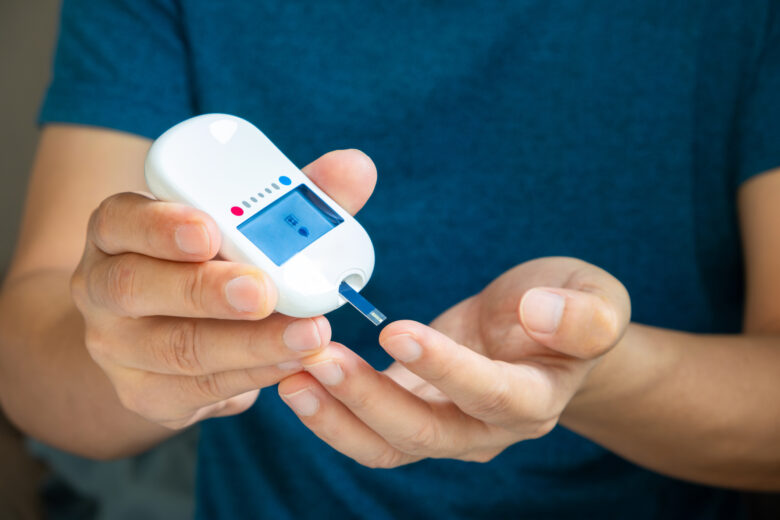
Diabetes or insulin resistance affects how your body regulates blood sugar, often resulting in energy crashes and persistent tiredness.

Liver Disease or Kidney Dysfunction
When these organs aren’t working properly, toxins and waste can build up in the body, contributing to fatigue and weakness.

Sleep Disorders
Conditions like sleep apnea, chronic insomnia, or even a poor perception of sleep quality can prevent restorative sleep. This can be true even if you’ve been technically in bed for enough hours.

Other Medical Reasons for Ongoing Fatigue
Fatigue can also be an underlying symptom of other non-communicable chronic diseases, such as Parkinson’s disease, heart failure, type 1 diabetes, rheumatoid arthritis, chronic obstructive pulmonary disease (COPD), and inflammatory bowel disease (IBD).

Blood Tests That Check for Fatigue
When fatigue symptoms don’t improve with intentional rest or lifestyle changes, lab tests might help identify the root cause.
These blood tests give your healthcare provider important clues about whether your tiredness is linked to nutrient deficiencies, hormonal changes, or chronic health conditions.
Complete Blood Count (CBC)
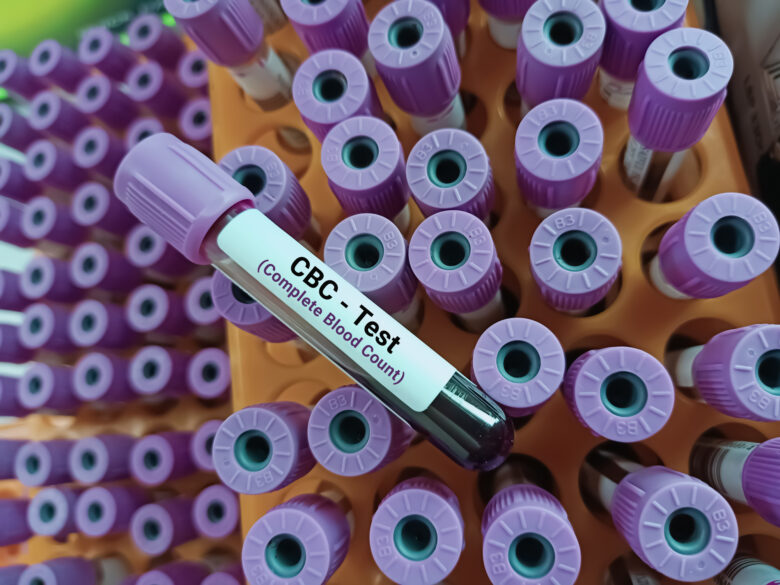
A CBC measures red and white blood cells, hemoglobin, and platelets. Results may indicate anemia, infections, or other blood-related issues that can drain your energy. If results show low red blood cells or hemoglobin, for instance, anemia may be the reason behind your fatigue.

Thyroid Panel
This panel checks your thyroid function and includes:
- TSH (thyroid-stimulating hormone): A hormone the pituitary gland releases, signaling the thyroid to produce thyroid hormones
- Free T3 (triiodothyronine): The active thyroid hormone that helps regulate metabolism, energy, and body temperature
- Free T4 (thyroxine): The primary thyroid hormone that the thyroid gland produces, which later converts into T3 to control metabolic activity
Both an underactive and an overactive thyroid can lead to fatigue, weight changes, and mood shifts. Abnormal results can point to thyroid disorders or autoimmune diseases that may require treatment or medication.

Iron Studies and Ferritin
These tests evaluate iron levels and your body’s stored iron by measuring the following biomarkers:
- Serum iron: The amount of iron circulating in your blood
- Ferritin: Your body’s store of iron
- Total iron-binding capacity (TIBC): A measure of your blood’s ability to carry iron.
- Transferrin saturation: The amount of iron-binding protein (transferrin) that is actually carrying iron
Low iron is one of the most common causes of fatigue because it prevents the body from making enough healthy red blood cells. Identifying iron deficiency early may help restore energy and prevent anemia.

Vitamin B12
Vitamin B12 supports red blood cell production and nerve health. A deficiency can cause extreme fatigue, brain fog, numbness or tingling, and even mood changes. Notably, B12 absorption naturally declines with age. Testing B12 levels can help determine if supplements or dietary changes may help.

Vitamin D
Research links low vitamin D levels to fatigue, muscle weakness, and mood disorders like depression. Since many people have insufficient levels due to limited sun exposure, blood tests for fatigue might include this lab. Correcting vitamin D deficiency may improve your energy and overall well-being.
Fasting Glucose and Hemoglobin A1c (HbA1c)
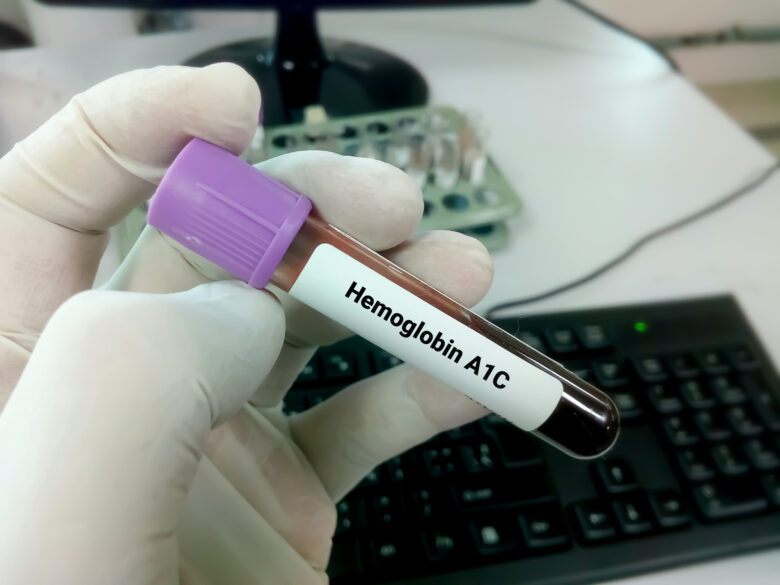
These tests measure blood sugar levels and control over time. Fatigue can be an early warning sign of diabetes or prediabetes, when your body struggles to use energy from blood glucose effectively. High results of these labs may indicate the need for lifestyle changes or further evaluation.
Comprehensive Metabolic Panel (CMP)
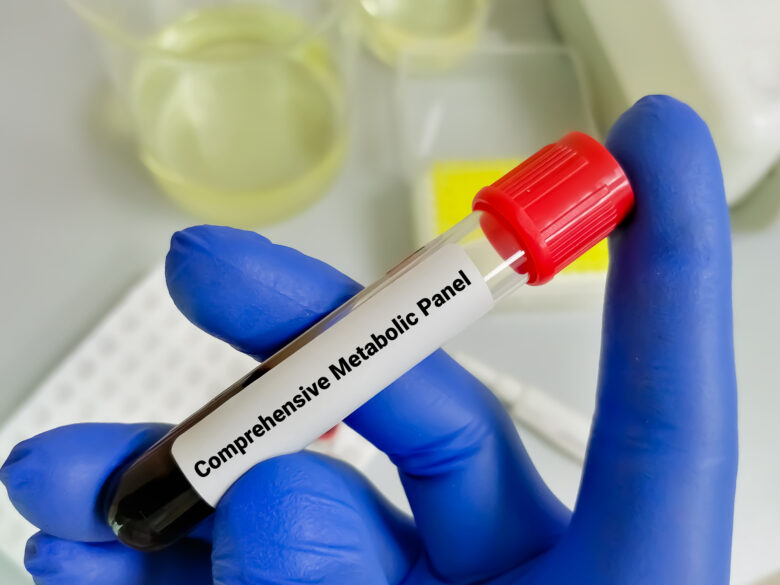
A CMP checks liver function, kidney function, electrolytes, and protein levels, and includes tests like:
- Liver enzymes (ALT, AST, ALP): Checks for liver injury or inflammation
- Bilirubin: Measures liver function and bile processing
- Albumin and total protein: Assesses nutritional status and liver health
- Electrolytes (sodium, potassium, chloride, bicarbonate/CO₂): Monitors fluid balance, heart, and muscle function
- Blood urea nitrogen (BUN) and creatinine: Evaluates kidney function and waste removal
- Calcium: Supports bone health, nerve signaling, and muscle contraction
Problems in these organs can cause toxins to build up or disrupt metabolism, leading to ongoing fatigue. This test provides a broad look at your body’s metabolic health.

Testosterone
Testosterone helps regulate energy, muscle mass, and mood. Low levels can lead to persistent tiredness, decreased motivation, and reduced physical stamina. A simple blood test can confirm for men whether low testosterone is contributing to fatigue.

What About Chronic Fatigue Syndrome (CFS)?
Chronic fatigue syndrome, also called myalgic encephalomyelitis (ME/CFS), is a complex condition marked by extreme, persistent fatigue that lasts for at least six months and doesn’t improve with rest.
People with CFS often experience additional symptoms like brain fog, joint or muscle pain, poor sleep quality, and post-exertional malaise (a worsening of symptoms after physical or mental activity).
There’s no single fatigue blood test that can diagnose CFS. Instead, doctors use lab testing to rule out other causes of fatigue before considering this diagnosis.
As part of the evaluation, providers may order some of the aforementioned fatigue labs, such as a CBC, thyroid panel, iron studies, vitamin B12, vitamin D, and CMP. After ruling out other conditions, a CFS diagnosis may come based on symptom history and clinical criteria.

How to Find the Right Test for You
Not every case of fatigue requires the same set of labs in order to pinpoint a root cause. The best approach to blood tests for fatigue depends on your symptoms, health history, and risk factors.
For example, if you experience hair loss and cold intolerance, your provider may prioritize thyroid and iron studies. If you’re experiencing muscle weakness and low mood, vitamin D or testosterone testing may be more relevant.
Your healthcare provider will also consider lifestyle habits, family history, and physical exam findings before ordering tests. This helps ensure you get the most targeted information without undergoing unnecessary blood work.
Once lab results are in, your provider can explain any abnormalities, rule out certain conditions, and guide you toward treatment or lifestyle changes to restore energy. Sometimes, labwork results may warrant additional testing.

The Bottom Line on Getting Labs for Fatigue
Feeling tired all the time isn’t something you should ignore, especially if rest doesn’t seem to help. Fatigue can have many possible causes, but the right blood tests can uncover what’s draining your energy and point you toward a solution.
If you’re always exhausted, no matter how well you sleep, talk with your healthcare provider about fatigue labs so you can start gaining clarity on what’s happening and begin feeling like yourself again.

FAQs About Fatigue
Below are some answers to common questions guys ask about fatigue.
What blood test is best for fatigue?
There isn’t a single “fatigue blood test.” Instead, providers often order a panel of labs such as a CBC, thyroid panel, iron studies, vitamin D, and vitamin B12 to look for common causes. The right tests depend on your symptoms and health history.
Can vitamin deficiencies make you feel tired?
Yes. Low vitamin B12, vitamin D, or iron can cause fatigue by interfering with red blood cell production, metabolism, and muscle function. Correcting these deficiencies often helps restore energy.
How do thyroid problems cause fatigue?
Both underactive (hypothyroidism) and overactive (hyperthyroidism) thyroid conditions disrupt your body’s metabolism. This can leave you feeling drained, sluggish, or restless, even if you’re sleeping enough.
Should I get tested for diabetes if I’m always tired?
Yes, especially if you also have symptoms like frequent urination, increased thirst, or unexplained weight changes. Blood sugar tests, such as fasting glucose and hemoglobin A1c, measure biomarkers relevant to prediabetes or diabetes.
When should I see a doctor for fatigue?
If you’ve been feeling persistently tired for more than a few weeks, or if fatigue interferes with daily life, it’s time to see your healthcare provider. They can order the right blood tests and help determine whether an underlying health condition is to blame.
Related:
- Is testosterone a steroid? Here’s the truth
- 13 of the best weight loss medications for men, according to the experts
Like MediaFeed’s content? Be sure to follow us.
This article originally appeared on Hims.com and was syndicated by MediaFeed.org