
Key Takeaways:
- People tend to put on about a pound on average from November to January.
- Avoid winter weight gain by eating nutritious foods, moving your body regularly, managing stress, and getting enough sleep.
- Be mindful during the holiday season and indulge in moderation.
Cold weather, dark evenings, sugary festive treats, and boozy holiday parties make winter weight gain feel inevitable at times. But it doesn’t have to be.
To manage your weight during the colder months, you can take steps to stay active, eat healthfully, and address other common causes of weight gain.
Below, we’ll dive into what causes winter weight gain and how to avoid it.
You can avoid or lose winter weight gain with healthy lifestyle habits. These changes might be harder to keep up during winter, but a few tweaks can make them stick.
Here’s how to avoid gaining weight in the winter and how to lose weight in winter if that’s a goal for you.

1. Eat Nutritious Foods
Your eating habits might be a little different during the winter, and, in general, healthy eating can be harder this time of year. To avoid weight gain, aim for a balanced diet of nutritious whole foods.
Focus on:
- Fruits and vegetables
- Whole grains and complex carbohydrates like brown rice, oatmeal, and whole-grain bread
- Lean protein like chicken, turkey, tofu, and fish
- Healthy fats like avocados, olive oil, and nuts
In particular, fiber and protein can help you feel fuller for longer. Eating more of these nutrients may help you avoid overeating or mindless grazing during the day.
If you’ve got a food-focused gathering coming up, make sure you’re well-fuelled beforehand with high-protein, high-fiber meals and snacks.
Top winter tip: Lean into the winter season by making soups, curries, chilis, and stews. These meals can provide plenty of protein, fiber, and veggies while offering the warming heartiness of winter comfort food.
Try these healthy choices:
- Carrot and pumpkin soup
- Turkey and black bean chili
- Lentil and cauliflower curry
Best of all, you can prepare these meals ahead of time for busy winter evenings.

2. Incorporate More Movement Into Your Day
With colder, shorter days, movement might look a little different in the winter. Still, aim to keep up a regular routine with physical activity.
In general, try to get at least 150 to 300 minutes of moderate-intensity aerobic exercise a week or 75 to 150 minutes of vigorous activity a week.
That could include:
- Walking
- Running
- Cycling
- Swimming
- Team sports
- Group fitness classes
You should also aim for at least two strength training sessions a week.
To stay fit over the winter, invest in the right clothing to make outdoor activities more comfortable, and schedule indoor workouts when needed. Try at-home yoga videos, gym classes, or a date with the walking pad.
Top winter tip: Try something new to keep up your motivation for winter workouts. That could be indoor rock climbing, winter sports, or holiday fun runs.

3. Drink More Water
Drinking more water can help keep your appetite in check, making it easier to stick to healthy foods and portion sizes. Plus, by making plain water your go-to, you might naturally drink fewer sugary soft drinks and alcoholic beverages, which can promote weight loss.
Start every morning with a big glass of water, sip on sparkling water if that’s your jam, and bring a reusable water bottle everywhere you go.
Top winter tip: Warm water counts. Stay hydrated — and warm — with chamomile tea, peppermint tea, or warm water with added lemon or ginger.

4. Manage Your Stress and Mood
Take steps to lower your stress levels and look after your mental health and wellness throughout the winter.
Make time for activities like:
- Journaling
- Meditating
- Yoga
- Nature walks
- Relaxing hobbies
- Spending time with loved ones
Don’t be afraid to get additional support from a therapist or another healthcare provider. They can offer a safe space to talk through your stress or low mood and guide you through new ways of thinking or techniques to feel better.
Top winter tip: Get out in sunlight during the day. There’s less of it in the winter, so when the sun’s out, try to soak it up for at least 15 minutes each day.
This might mean going for a morning walk or heading outside on your lunch break. For bonus points, get out in nature if you can. Nature walking can relieve stress and lift your mood. Walking can also help with weight management.

5. Improve Your Sleep
Aim for at least 7 hours of sleep a night to stop sleep deprivation from contributing to winter weight gain.
If that number feels out of reach, try:
- Cutting down on caffeine
- Keeping a regular sleep schedule
- Avoiding screens in the run-up to bedtime
- Winding down before bed — meditate, take a bath, or read a book before lights out
Top winter tip: If holiday travel threatens to throw off your sleep, pack an eye mask or earplugs. And keep up your bedtime routine as much as possible to help you drift off wherever you are.
6. Seek Support and Consider Weight Loss Medications
Weight loss and weight management aren’t always straightforward — no matter the season.
Don’t be afraid to reach out to a healthcare provider to get personalized guidance on how to lose or maintain your weight during the winter months.
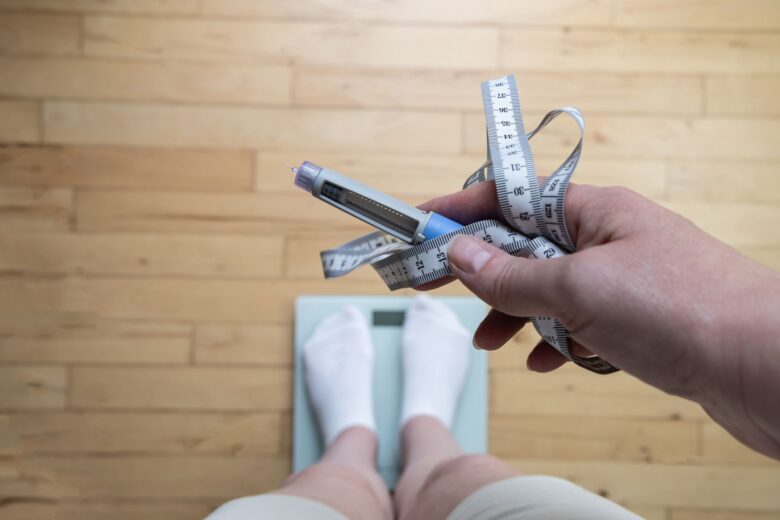
If you’re looking to lose weight, weight loss medications could be useful. These include:
- Semaglutide (Ozempic®, Wegovy®)
- Tirzepatide (Mounjaro®, Zepbound®)
- Liraglutide (Victoza®, Saxenda®)
- Topiramate
- Metformin
Weight loss medications work in different ways. But many of these prescription drugs can promote weight loss by suppressing appetite, reducing cravings, and helping you feel fuller. This makes sticking to nutritious foods and healthy portions easier.
What Causes Winter Weight Gain?
Several factors can cause winter weight gain, including eating more high-calorie foods, doing less exercise, drinking more alcohol, and all the disruption that comes with the holidays.
Even if you’re eating a healthy diet and working out, winter weight gain can still creep up on you.
Here’s why you might gain weight in winter:
- You eat more high-calorie foods. You might eat more decadent, rich foods high in sugar, salt, simple carbs, and fat as you indulge in festive meals and eat out at restaurants more often. The colder temperatures and lack of sunlight can affect hunger hormones and trigger overeating, too.
- You do less exercise. During the winter, the cold, wet, and dark weather might mean you work out less often, spend less time outside, and spend more hours being sedentary at home. Your body’s using less energy, which can promote weight gain.
- You drink more alcohol. Increased alcohol consumption can come from holiday parties or gatherings — or just more time spent at home. Alcohol can be high in calories and lead to overeating or eating more high-calorie foods.
- You’re more stressed or have a lower mood. The holidays can cause stress, and the reduced sunlight and cold weather can dampen your mood. You might turn to comfort food as a coping mechanism for stress, boredom, anxiety, depression, or seasonal affective disorder (SAD).
- Your sleep is disrupted. The lack of sunlight, change in routine, or holiday stress and busyness can mess with your sleep. In turn, this can mess with your appetite, food choices, and weight.
- You’re up against the holidays. Thanksgiving, Christmas, Hanukkah, New Year’s Eve. Whatever you celebrate, many winter holidays involve not-so-healthy foods, overeating, sedentary time, long-haul travel, less sleep, more alcohol, and an uptick in financial or family stress — essentially, a looooong list of factors that make maintaining a healthy weight hard.

Potential Health Issues Caused by Winter Weight Gain
We don’t want to scare you here or make you feel guilty about cozying up indoors during the cold season. We’re just trying to reinforce why winter weight gain is something that deserves your time and attention to keep in check.
Weight gain — winter or not — can lead to obesity, which increases your risk of:
- Joint pain
- High blood pressure (hypertension)
- Type 2 diabetes
- Sleep apnea
- Cardiovascular disease
- Some types of cancer
Plus, research shows that the weight put on over the winter months isn’t necessarily lost come spring or summer. So seasonal weight gain can add up over time.

Winter Weight Gain: The Bottom Line
Winter and weight gain often come hand in hand, so don’t beat yourself up if you struggle with your weight during the colder, darker months. It’s natural and common, but it doesn’t have to be inevitable.
Here are the key takeaways on how to lose weight in winter:
- Look out for common winter weight loss sabotagers. Think harsh weather, holiday foods, or lack of motivation. Try to identify what impacts your weight the most during the winter and make a plan to tackle it.
- Indulge in moderation. You don’t need to restrict yourself and avoid all your favorite winter foods and drinks. Try enjoying them only on holiday days — like Thanksgiving and Christmas — and then sticking to more nutritious options on other days. Be mindful to really savor one or two seasonal treats instead of making them a daily habit.
- Get expert guidance and support. Whether it’s a therapist to look after your mental health or a dietitian to get a winter-inspired meal plan, reach out for professional support to get help achieving your health goals.

FAQs
Get answers to frequently asked questions about winter weight gain.
Is it normal to gain weight in the winter?
Yes, it’s normal to gain weight in the winter. Research shows people tend to gain about 1 pound from November to January. This weight gain isn’t usually reversed come spring and summer, so winter weight gain can add up.
Why do I gain weight in the winter?
You might gain weight in the winter because you eat more high-calorie foods, do less exercise, or drink more alcohol. Or you might give yourself a break from healthy habits during winter holidays, like Thanksgiving and Christmas.
Does your body naturally gain weight in winter?
Your body might naturally gain weight in the winter as seasonal changes — like cold temperatures and lack of daylight — can affect your hunger hormones. This can lead to eating foods higher in calories and overeating.
Related:
Like MediaFeed’s content? Be sure to follow us.
This article originally appeared on ForHers.com and was syndicated by MediaFeed.org.