This article was reviewed by Darragh O’Carroll, MD.
Understanding Blood Tests: How They Work and What They Can Tell You
Blood tests are one of the most widely used and helpful tools in modern medicine. Whether ordered in a clinic or done through an at-home kit, they work by analyzing samples of your blood to uncover important details about your health.
From checking cholesterol and hormone levels to detecting infections or vitamin deficiencies, blood tests provide a window into how your body is functioning that you may not notice from the outside.
Ever wondered, How does a blood test work? The process is simpler than it seems. We’ve outlined what to expect, what blood tests show, how long it takes to get results, and what to do once you have them.
How Does a Blood Test Work?
A blood test works by analyzing a small blood sample to measure specific substances, cells, or proteins that reflect how your body is functioning.
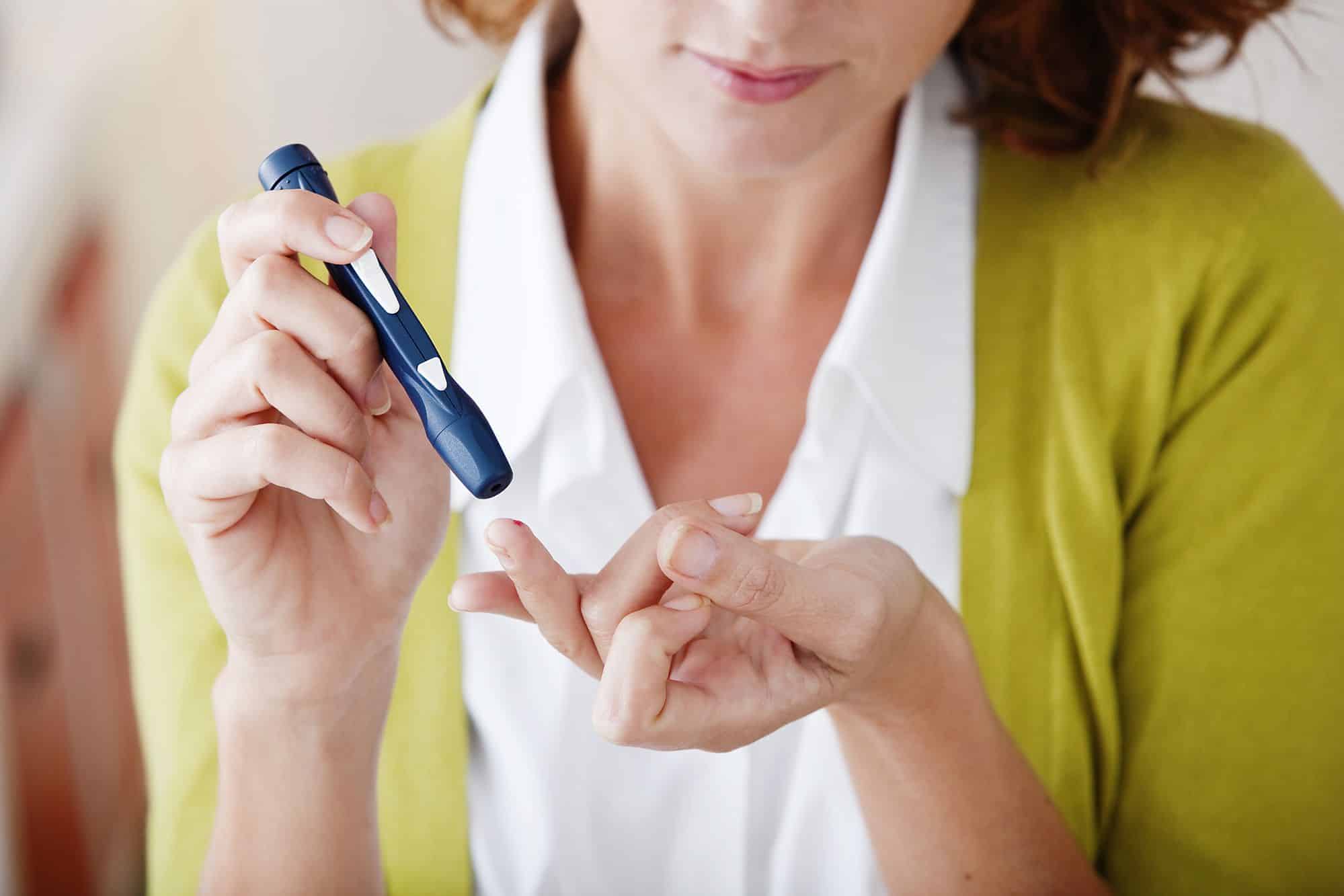
Depending on the test, blood may be collected through a finger prick (which is common with at-home kits) or a standard blood draw from a vein in a clinic. Some at-home kits also include saliva or urine collection to provide a more complete picture of health, depending on the purpose of the test.
Once collected, your sample is either processed immediately using rapid test technology or mailed to a certified laboratory for analysis.
In the lab, technicians use specialized equipment to measure biomarkers that are then compared against established reference ranges. This indicates whether your levels fall within a normal range or suggest a possible concern.
The process is designed to highlight patterns or abnormalities that might signal underlying issues, such as cardiovascular risk, endocrine disorders, nutritional deficiencies, or immune system problems.
The results, which are often delivered online within a few days, help give you and your healthcare provider a clearer picture of your overall health and what may need attention and follow-up.
What Does a Blood Test Show?
What do lab tests show? Blood tests can reveal a wide range of information about your health. At the most basic level, they measure how well your organs and systems are functioning by looking at different biomarkers in your blood.
Depending on the type of blood test, results can highlight nutrient levels, hormone balance, immune activity, or potential signs of disease.
For example, here is what some common blood tests can detect:
- Complete blood count (CBC) or complete blood cell count shows the number of red blood cells and white blood cells, which can help detect infections, anemia, or immune issues. This includes biomarkers like hemoglobin, platelet count, and hematocrit.
- A cholesterol or lipid panel provides insight into your cardiovascular health and risk of heart disease or heart attack, and may include biomarkers like total cholesterol, HDL, LDL, and triglycerides.
- Hormone panels, such as testosterone or thyroid testing, can uncover imbalances that may explain fatigue, weight changes, or fertility concerns.
- Nutrient tests show whether you’re deficient in micronutrients like vitamin B12, vitamin D, or iron, which are important for energy, immune function, and overall wellness.
- Glucose tests measure the level of sugar in your blood at a specific moment and can show how effectively your body uses insulin to bring those levels down after eating. When done after eight to 12 hours without food, it’s called a fasting blood test.
- Electrolyte tests measure key minerals in your blood (sodium, potassium, calcium, chloride, and bicarbonate) that help regulate fluid balance, muscle contractions, and nerve signaling. Abnormal levels can point to issues like dehydration, kidney disease, heart problems, or imbalances caused by medications.
What blood tests show depends on the specific biomarkers ordered, but nearly all of them provide valuable clues about your health that can start important conversations between you and your healthcare provider.
How Long Do Blood Test Results Take?
The time it takes to get blood test results back depends on the type of test and the lab performing the analysis. For standard panels, like cholesterol, glucose, or thyroid testing, results are usually ready within a few days. More complex tests, such as autoimmune markers or allergy panels, may take closer to a week — but again, it depends.
With at-home laboratory tests, the process includes mailing your sample to a certified laboratory, which can add an extra day or two for shipping. Once processed, results are typically delivered through a secure online portal or by email, allowing you to review them quickly without waiting for an in-office follow-up.
Rapid tests, like those for certain infections or glucose checks, can provide results almost immediately. However, for most at-home or clinic-based blood work, you can expect results to arrive anywhere from two days to one week after your sample is received.
How Accurate Are At-Home Blood Tests?
The accuracy of at-home blood tests depends on two main factors: the quality of the lab analyzing the sample and how carefully the test is performed.
Most reputable companies partner with CLIA-certified (Clinical Laboratory Improvement Amendments) laboratories, which are federally regulated to meet strict standards for reliability and precision. Using an accredited lab is one of the best indicators that your results can be trusted.
That said, at-home testing isn’t foolproof. User error can impact accuracy. For instance, if you don’t collect enough blood, mishandle the sample, store it incorrectly, or don’t follow the proper mailing instructions, this can lead to inaccurate or unreadable results, which may require retesting.
Some at-home tests can also have limitations compared to those performed in a clinical setting, where larger samples and more advanced equipment are available. It’s also possible that certain self-testing kits can overstate their accuracy or be confusing for consumers, increasing the chance of false positives.
Regardless of how reliable at-home test kits can be, it’s always important to follow up with your healthcare provider, who can help interpret results and determine whether additional testing is appropriate.
What Can You Learn From At-Home Blood Tests?
Blood tests can provide a snapshot of nearly every system in your body, making them an essential tool for both preventive health and condition management. They can reveal whether your hormone levels are balanced, your cholesterol and blood sugar are in healthy ranges, and if you’re getting enough key nutrients.
They can also help identify risks or early signs of more serious conditions. For example, a lipid panel can flag cardiovascular risk, thyroid tests can detect endocrine disorders, and complete blood counts may point to infections or immune issues. Some panels even screen for autoimmune markers, allergies, or STIs.
The biggest takeaway is that blood tests don’t just measure numbers — they provide context for your overall health that can guide conversations with your trusted provider.
Tips for Blood Test Success
If you’re having your blood drawn in a lab setting, the most important things to remember are to hydrate with water beforehand and to know whether you’re allowed to eat anything (some blood tests require fasting for at least eight hours).
The technician will handle the rest regarding your blood draw and sending it to the lab for evaluation.
If your blood test is being done at home, you’ll prick your finger with a lancet. It’s almost painless, and you’ll only need a few drops of blood.
Here are some tips to help get the most out of self-testing:
- Drink up. Stay hydrated the day before and drink a glass or two of water an hour before your test. This makes your blood flow more easily, so you’ll get the drops you need with less effort (or having to prick yourself multiple times). Plus, dehydration can skew certain blood test results.
- Warm your hands. Run your fingers under warm water to encourage circulation before you start. This makes it easier for the lancet to collect and can reduce pain.
- Move your body. A few minutes of light exercise, like a brisk walk, jumping jacks, or stretching, helps boost blood flow.
- Choose the right finger. Your ring finger tends to be less calloused than other fingers, making it a good option for finger pricks.
- Aim to the side of the tip. The side of your fingertip has fewer nerve endings than the center, so it’s generally less painful while still producing enough blood.
- Be gentle. You don’t need much blood for a sample, so avoid squeezing your finger too hard, as this can also damage blood cells. If needed, massage from your palm toward your fingertip to encourage blood flow.
The Bottom Line on Blood Tests
Blood tests are one of the most common and effective ways to gain insight into your health, whether done at home or in a clinic. They can highlight risks, track changes, and guide preventive care when paired with professional interpretation.
- Versatile. Blood tests measure a wide range of markers, from hormones to cholesterol to immune function.
- Generally fast results. Most tests provide answers within a few days to a week.
- Best with guidance. Results are most valuable when reviewed with a healthcare provider.
At-home or clinical blood tests can be a powerful part of preventive health, as they can provide insight into your wellness that may not otherwise be seen until new or worsened symptoms arise, but they’re most effective when used alongside professional care and follow-up.
Related:
Like MediaFeed’s content? Be sure to follow us.
This article originally appeared on Hims.com and was syndicated by MediaFeed.org.