The power of a little nostalgia
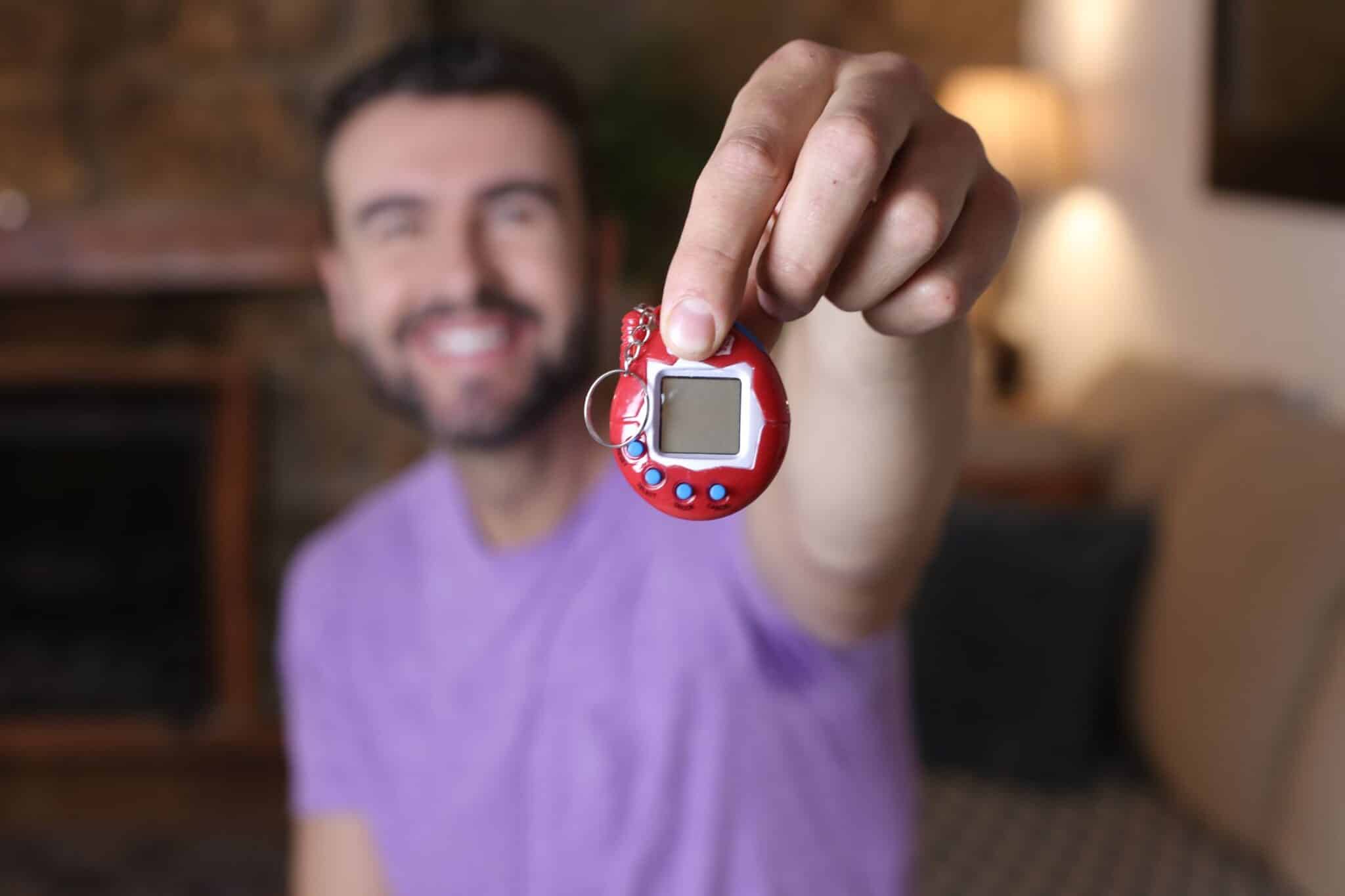
Picture a desk cluttered with Beanie Babies, a Tamagotchi beeping nearby, or Pokémon cards fanned across the floor. “Nostalgia activates the brain’s reward system which leads to the release of neurotransmitters like dopamine and oxytocin,” explains DK Therapy’s psychology team. These small objects from the ’90s spark joy, reduce stress, and improve mood today. Think of them as informal “retro therapy” tools that bring emotional comfort through playful engagement.

Tamagotchi taught responsibility and care
The egg-shaped digital pet taught responsibility through caring for a virtual companion. You fed it, played with it, and cleaned up after it. This created mindful practice as you nurtured your Tamagotchi. The constant care fostered purpose and connection. That focused attention translates into stress-reducing mindfulness today.

Beanie Babies offered tactile comfort
These soft, colorful plush toys provided tactile engagement that resonates. Their textures offered soothing focus through collecting. The satisfaction of arranging your collection created calming, hands-on activities. Collecting reduces stress and helps express emotions. Keeping one on your desk serves as a joy cue.
Pogs and trading cards built social bonds
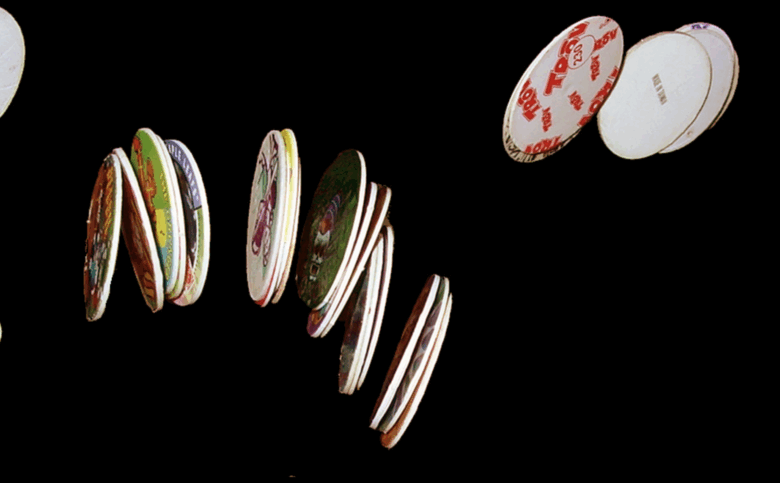
Pogs and Pokémon cards fostered competition and social connection. Friends gathered to trade and compare collections. These activities built community and created shared memories that strengthen bonds. The bright colors and satisfaction of completing sets contributed to positive experiences. Trading cards taught negotiation and friendly competition.
Games and hobbies for mental recharge
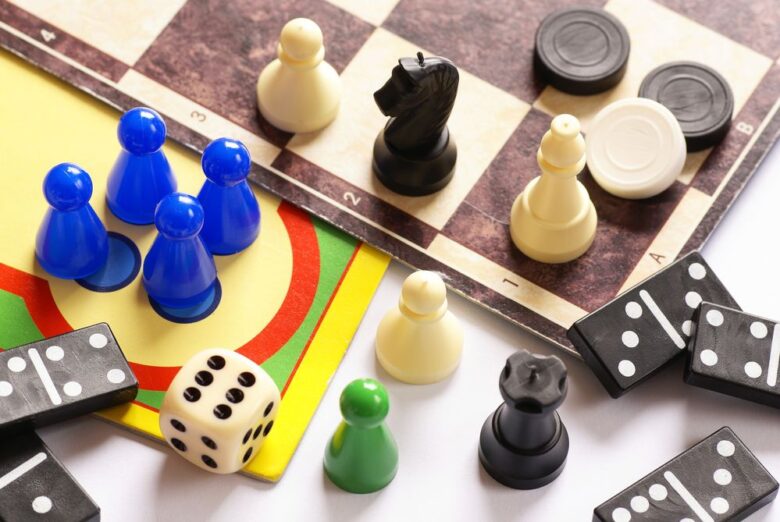
Board games, early video games, and crafts from the ’90s encouraged focus and problem-solving. Flow experiences, where you lose track of time, improve mood and reduce anxiety. Super Nintendo classics, coloring books, or DIY kits created absorbing moments. The simplicity offered mental breaks without digital overwhelm. These activities fostered nostalgia-fueled happiness.
Music and media that lift spirits
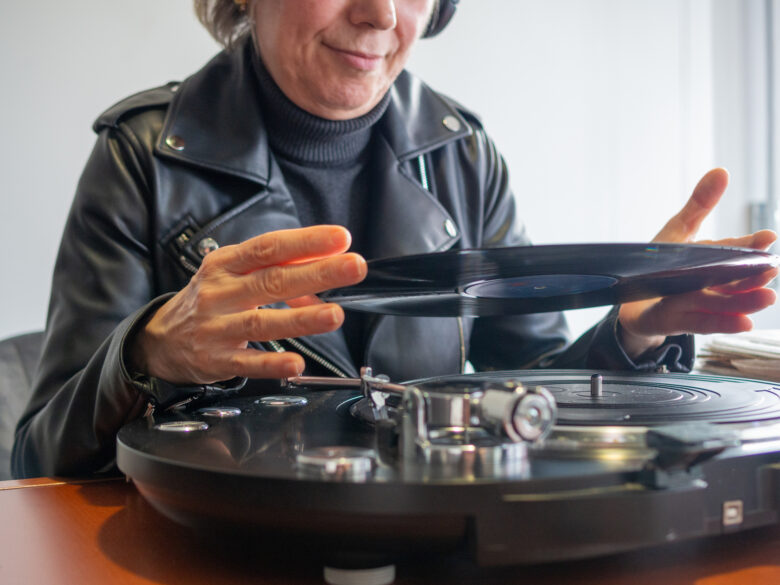
’90s soundtracks, cartoons, and TV shows trigger positive memory recall. Rewatching favorite shows or listening to songs offers a break from overstimulation. Creating a “retro playlist” or mini-marathon provides mood-boosting moments. The familiar sounds activate comfort responses in your brain. These experiences reconnect you with simpler times.

The science of nostalgia and mood
Revisiting childhood items boosts dopamine and oxytocin, reducing stress and anxiety. Research shows nostalgic experiences activate reward and emotional processing regions. These experiences act as effective self-care practices. The comfort helps buffer against daily stressors. Your brain treats nostalgic moments as psychological immune responses.

How to integrate ’90s nostalgia into daily life
Sometimes happiness is as simple as a Beanie Baby on your shelf or a Tamagotchi beep from the past. These ’90s holdovers remind us that nostalgia and presence can brighten busy days. Why not keep a favorite toy on your desk as a joy cue? Schedule short “retro breaks” where you spend 10 minutes playing or watching something from childhood. Share nostalgic activities with friends or kids for social benefit. The key is intentional engagement, practicing mindfulness through play.
Related:
- The mindful wisdom behind Boomers’ favorite pastimes
- Lessons from the analog age: Why Boomers are right to put presence before push notifications
Like MediaFeed’s content? Be sure to follow us.
This article was syndicated by MediaFeed.org