11 cooking mistakes you’re making that are wasting hundreds of dollars a year
Minor kitchen errors can accumulate into substantial financial losses, amounting to hundreds of dollars annually through food spoilage, energy waste, and ruined ingredients that require replacement or necessitate alternative restaurant options. Most home cooks unknowingly repeat these costly mistakes daily, resulting in unnecessary expenses that compound over time due to inefficient food storage, poor preparation techniques, and inadequate kitchen management practices. Understanding and correcting these common errors can dramatically reduce household food budgets while improving meal quality and cooking satisfaction.
This article identifies eleven everyday cooking and kitchen management mistakes that can drain household budgets through preventable waste, offering practical solutions that require minimal effort but deliver significant cost savings. These corrections often involve simple habit changes or small equipment investments that pay for themselves quickly through reduced food waste and improved cooking efficiency. Mastering these fundamental practices creates lasting improvements in both kitchen performance and financial health.
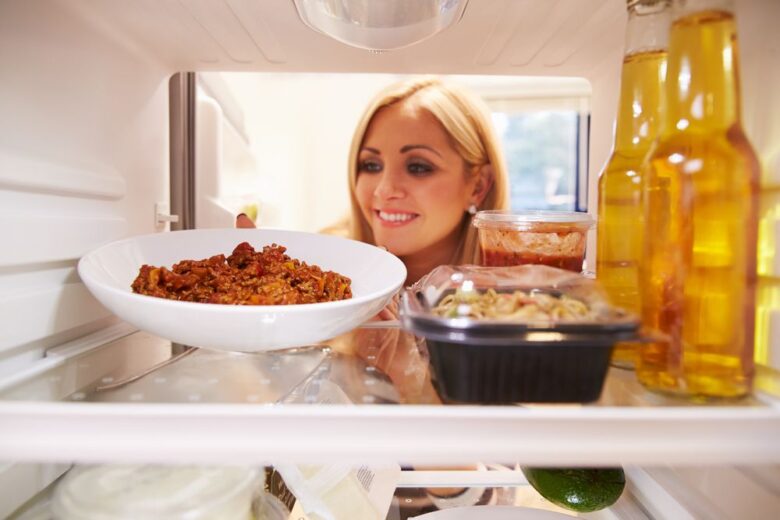
Improper food storage leads to spoilage
Leaving groceries in original flimsy packaging, misusing refrigerator crisper drawers, and storing pantry staples like flour, nuts, and spices in inappropriate conditions accelerates spoilage and reduce ingredient quality, which forces premature replacement. Original packaging often fails to provide sufficient protection against moisture, air exposure, and temperature fluctuations, which can cause deterioration in both refrigerated and shelf-stable items. Many home cooks overlook the humidity settings in their crisper drawers, storing vegetables at inappropriate moisture levels that can significantly accelerate decay and reduce their storage life.
Transferring ingredients to airtight containers, understanding crisper drawer settings, and storing temperature-sensitive items like nuts and flour in a freezer or refrigerator can extend ingredient life by weeks or months. Proper storage containers prevent moisture intrusion and air exposure that cause staleness, rancidity, and premature spoilage in pantry items. Learning optimal storage conditions for different ingredient categories prevents waste while maintaining quality that improves final dish outcomes and eliminates the need for frequent ingredient replacement.
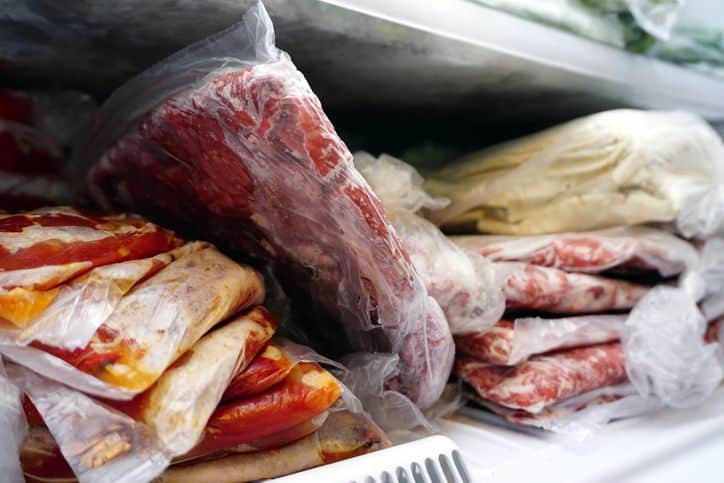
Ignoring your freezer potential
Many home cooks allow ingredients to spoil in their refrigerators instead of freezing them before expiration. Failing to label or date frozen items can lead to freezer burn and the eventual disposal of perfectly good food. The freezer represents an underutilized tool for preventing waste, as most fresh ingredients can be frozen successfully with minimal quality loss when properly prepared and packaged. Unlabeled frozen items become mystery packages that most people discard rather than risk using unknown or potentially old ingredients.
Freezing leftovers, unused produce, and meats before expiration extends their usable life by months when done correctly with vacuum sealers or specialized freezer bags that prevent freezer burn. Labeling everything with contents and freezing dates eliminates guesswork and ensures frozen items get used within optimal timeframes. Developing systematic freezing habits transforms the freezer from a storage space into an active tool for preventing waste and maintaining a variety of ingredients.

Buying too much fresh produce
Over-purchasing fresh fruits and vegetables in bulk quantities leads to significant waste when the produce spoils before it can be consumed, representing one of the most significant sources of household food waste. Bulk purchasing may seem economical, but it often leads to higher actual costs when spoilage is factored into per-serving calculations. Fresh produce has a limited storage life, which makes large purchases impractical for most households unless preservation methods are employed immediately.
Planning meals before shopping, buying fresh produce in smaller quantities during more frequent trips, and supplementing with frozen alternatives provides better value and significantly reduces waste. Frozen produce offers equivalent nutritional value at lower costs with extended storage life that eliminates spoilage pressure. Strategic meal planning enables accurate quantity purchasing that aligns with actual consumption patterns, rather than optimistic buying that exceeds household capacity.

Not utilizing scraps and leftovers
Discarding vegetable trimmings, chicken bones, and small amounts of leftovers eliminates opportunities to create valuable secondary ingredients and meals that can substantially reduce grocery costs. Vegetable scraps can be transformed into homemade stock, which costs significantly less than commercial versions and offers a superior flavor for soups and sauces. Leftover proteins can be converted into entirely different meals, extending their value beyond the original preparation.
Saving vegetable ends and trimmings for stock production, repurposing leftover proteins into new dishes like tacos or soups, and learning to cook with scraps maximizes ingredient value and reduces waste. Maintaining a freezer bag for vegetable scraps allows for the accumulation of stock ingredients over time without requiring an immediate commitment to cooking. Developing creativity with leftovers prevents food boredom and eliminates waste that occurs when people tire of eating the same meal over and over again.

Not reading recipes completely before starting
Beginning to cook without thoroughly reading recipes often reveals missing ingredients or lengthy preparation steps, such as marinating or cooling, that require expensive last-minute substitutions or restaurant orders when meals cannot be completed as planned. An incomplete recipe review can lead to timing problems that may ruin temperature-sensitive preparations and create scheduling conflicts during meal preparation. Missing critical steps or ingredients discovered mid-cooking often result in failed dishes that require starting over or ordering takeout.
Reading recipes thoroughly before starting and performing mise en place by gathering and preparing all ingredients before heating the equipment prevents costly mistakes and ensures smooth cooking processes. Complete preparation eliminates surprises and allows for ingredient substitutions or shopping trips before cooking begins. This practice also reveals timing requirements that help coordinate complex meals and prevent overcooking or undercooking, which can ruin expensive ingredients.

Using dull knives
Working with dull knives makes food preparation slower, more hazardous, and damages delicate ingredients like herbs through crushing rather than clean cutting, which affects flavor and accelerates browning, reducing the usable life. Dull knives require more pressure, which can slip and cause injuries, leading to emergency room visits that far exceed knife maintenance costs. Poor cutting performance from dull blades creates ragged cuts that release more cell fluids and enzymes that accelerate spoilage in prepared ingredients.
Regular knife sharpening every few months, combined with using honing steels before each cooking session, helps maintain blade performance that protects ingredient quality and significantly reduces preparation time. Sharp knives create clean cuts that preserve ingredient integrity and reduce oxidation that causes browning and flavor loss. Proper knife maintenance represents a small investment that pays dividends through improved ingredient utilization and reduced waste from damaged preparation.
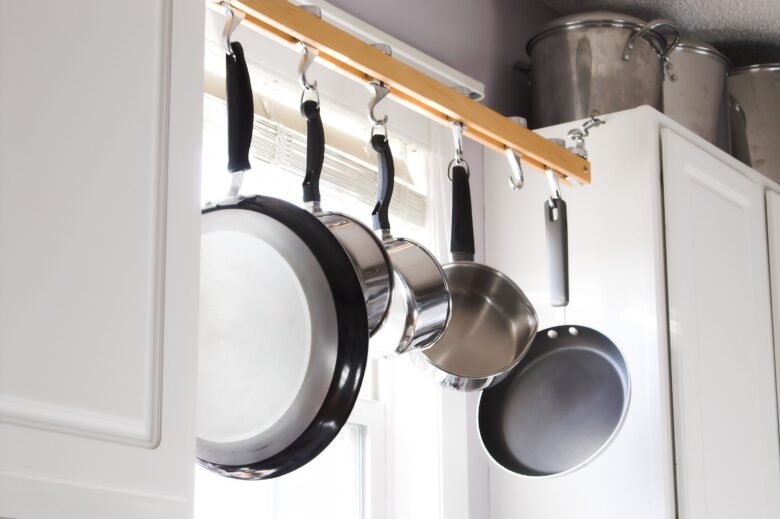
Crowding the pan
Overloading pans lowers cooking temperatures, prevents proper searing, and causes ingredients to steam rather than brown, resulting in an unappetizing texture that often leads to discarding poorly cooked food. Crowded pans cannot maintain adequate heat for proper cooking reactions that develop flavor and texture in proteins and vegetables. The resulting mushy or improperly cooked food often gets thrown away rather than eaten, representinga waste of both ingredients and cooking effort.
Cooking in appropriately sized batches using pans that match the quantities of ingredients ensures proper heat transfer and cooking results that maximize the value of each ingredient. Negligible batch cooking may take longer, but it produces superior results that ensure food gets eaten rather than discarded. Understanding pan capacity and heat distribution helps achieve consistent cooking results that justify ingredient costs through successful meal completion.
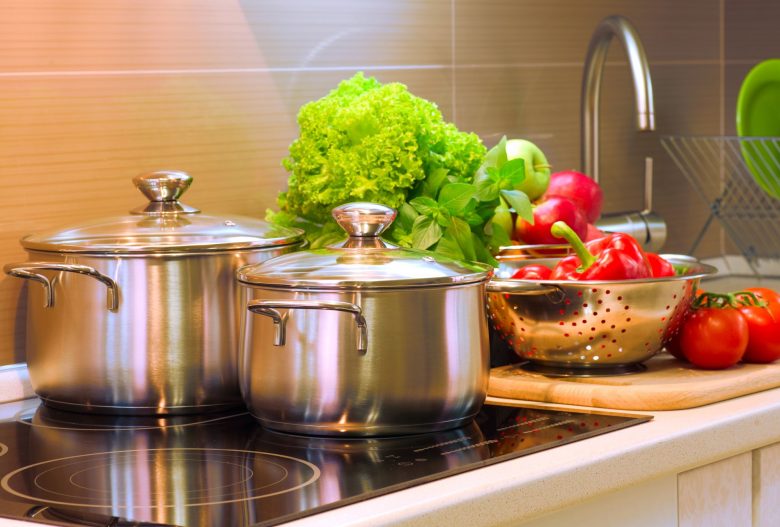
Not preheating pans properly
Adding food to cold or inadequately heated pans causes sticking, resulting in food loss and preventing proper searing that develops flavor in meats and vegetables. Cold pans create uneven cooking that can ruin expensive proteins, causing them to stick and tear when attempting to remove them from the pan. Inadequate preheating prevents the Maillard reaction that produces flavor and color in cooked foods, resulting in bland dishes that may require additional seasoning or disposal.
Preheating pans until water droplets evaporate immediately, then adding oil and waiting for shimmering before adding ingredients, ensures proper cooking conditions that protect expensive ingredients. Proper preheating prevents sticking and creates the high-heat conditions necessary for developing flavor and texture in cooked foods. This technique particularly benefits expensive proteins that can be ruined by improper cooking techniques that waste significant ingredient investments.
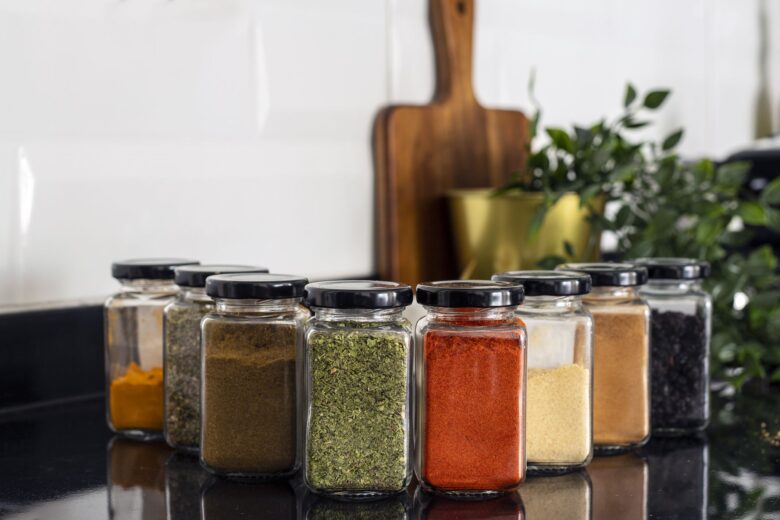
Relying on outdated spices
Keeping ground spices and dried herbs beyond their effective life results in bland food that requires additional seasoning or complete re-preparation to achieve desired flavors. Old spices lose potency gradually, making it challenging to recognize when replacement is necessary until cooking results become noticeably poor. Using ineffective seasonings wastes both the original spice cost and the ingredients that fail to be properly flavored.
Replacing ground spices and dried herbs every one to two years, purchasing smaller quantities, and storing spices away from heat and light helps maintain flavor potency, ensuring successful seasoning results. Fresh spices have a more pronounced flavor impact per quantity used, making them more economical than larger amounts of stale seasonings. Proper spice storage and rotation prevent the disappointing cooking results that occur when old seasonings fail to deliver expected flavors.
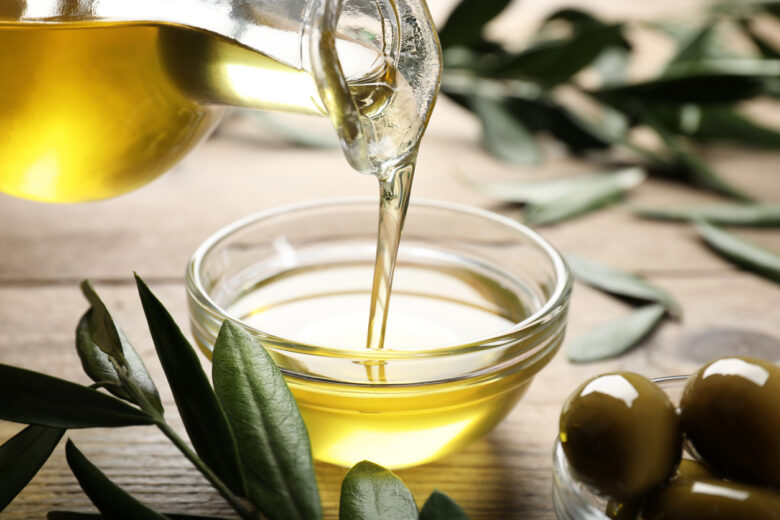
Incorrect measuring techniques
Eyeballing ingredients or using volume measurements for flour in baking can result in dense or failed baked goods that require the disposal and replacement of ingredients. Not using thermometers for meat cooking can lead to overcooking, ruining expensive cuts. Baking requires precise ratios that volume measurements cannot consistently provide, leading to unpredictable results and the waste of expensive baking ingredients. Improperly cooked meats lose value due to overcooking or undercooking, which affects both safety and palatability.
Using kitchen scales for flour and sugar in baking and instant-read thermometers for meat cooking ensures consistent results that protect ingredient investments. Accurate measuring eliminates guesswork that leads to failed dishes requiring ingredient replacement. Thermometer use prevents overcooking expensive proteins and ensures food safety, thereby reducing waste associated with uncertainty about doneness levels.
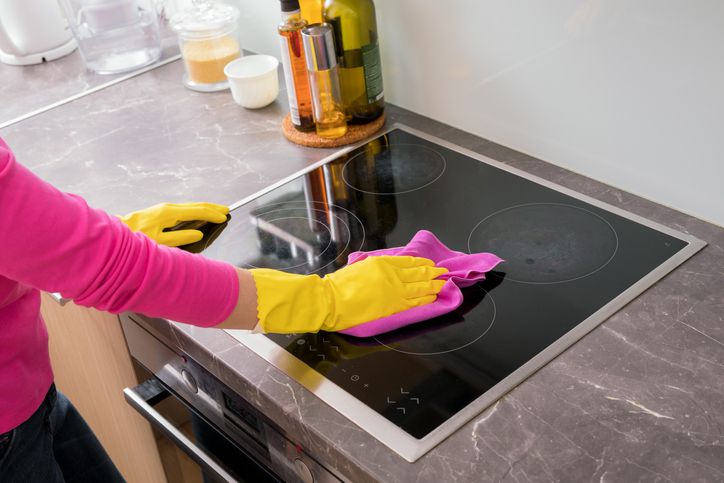
Ignoring appliance maintenance
Neglecting oven cleaning can lead to inefficient cooking, potential flare-ups that ruin food, increased energy consumption and higher utility bills, and reduced appliance life, all of which require expensive replacement sooner than necessary. Dirty ovens distribute heat unevenly and can create smoke or off-flavors that contaminate food, requiring its disposal. Ice buildup in freezers reduces efficiency and available storage space, thereby limiting the capacity for frozen food and increasing energy costs.
Regular oven cleaning and freezer defrosting when ice exceeds a half-inch thickness maintains appliance efficiency and prevent cooking problems that waste food and energy. Clean appliances cook more efficiently and last longer, reducing both operating costs and replacement expenses. Proper maintenance prevents equipment failures that can ruin meals in progress and require emergency appliance repairs or replacements.

Conclusion
Mastering these fundamental kitchen practices can reduce annual food waste and utility costs by hundreds of dollars through better ingredient management, improved cooking techniques, and proper equipment maintenance that maximizes food value and cooking success. Simple habit changes, such as maintaining adequate storage, thoroughly reading recipes, and regularly maintaining appliances, can lead to lasting improvements in kitchen efficiency and budget management. These corrections require minimal initial investment but provide ongoing returns through reduced waste and improved cooking outcomes.
Better cooking habits produce both superior food quality and healthier household budgets by eliminating waste and maximizing ingredient value through proper preparation and storage techniques. Explore our other cooking and food articles here at MediaFeed to discover additional strategies for reducing food costs and enhancing culinary skills through efficient kitchen practices.
Related:
- The average American really hates these foods: Do you?
- 3 Easy Tips to Saving Money on Allergy-Friendly Foods in 2025
Like MediaFeed’s content? Be sure to follow us.
This article was syndicated by MediaFeed.org.