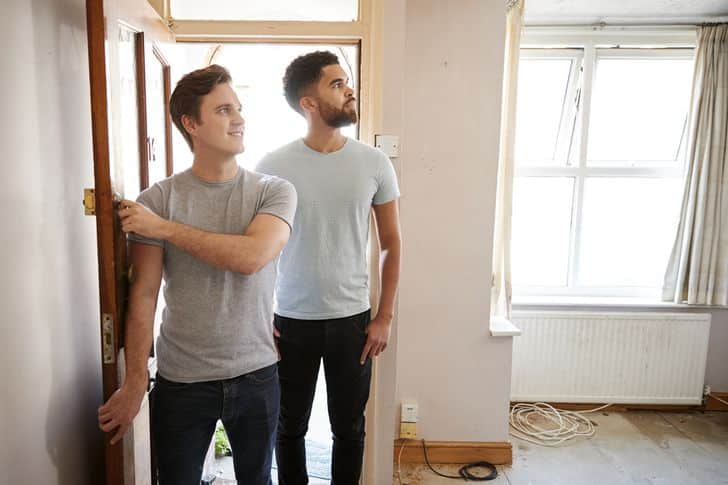
Despite decades of anti-discrimination legislation and other efforts to fight redlining, create fair lending, and ban racial and other bias, housing discrimination can still exist in many markets throughout the country, especially for first-time homebuyers.
It can be subtle or overt. Either way, housing discrimination holds people of color, immigrants, families with children, and LGBTQ people back by denying them access to safe neighborhoods, good schools, and the generational wealth that comes with homeownership.
This guide offers more information on housing discrimination and what to do if it happens to you.
Related: Foreclosure rates for all 50 states
What Is Housing Discrimination?
Federal housing discrimination is defined as discrimination concerned with renting or buying a property based on race, color, religion, national origin, gender, gender identity or orientation, familial status, or disability.
In other words, if anyone in the housing process treats a person buying, renting, or selling housing differently because of any of these reasons, they are breaking the law.
Whether first-time homebuyers are buying a starter home or upsizing, they may want to fine-tune their anti-bias antennas and know the laws.
Housing Discrimination Examples
Housing discrimination comes in many forms. It could be a landlord who charges higher fees to renters with children, a real estate agent who refuses to show immigrants homes in certain neighborhoods, or a buyer offering less because of the seller’s race.
What’s more, housing discrimination can be subtle, according to the U.S. Department of Housing and Urban Development (HUD), making it difficult to prove and punish. Here are examples of subtle housing discrimination described on HUD’s website:
An African American man speaks on the phone to a landlord who seems eager to rent to him. But when the man meets with the landlord to fill out the application, the landlord’s attitude is different. A few days later, the potential renter receives a letter saying his application was denied because of a bad reference from his current landlord. But his current landlord says he was never contacted.
An Asian man meets with a real estate broker because he is interested in purchasing a house for his family in a specific neighborhood. When he mentions the neighborhood, the broker tells the Asian man that she has wonderful listings in a neighborhood where there are more people like him. When he looks at houses in the neighborhood she recommends, he notices that the majority of residents are Asian. The man files a complaint. Steering buyers to certain neighborhoods because of race is illegal.
Harassment, failure to comply with accessibility requirements, and rules against renting or selling to children are also discriminatory.
Equal Opportunity Housing Laws to Know
Housing discrimination by sellers, lenders, and landlords based on race, color, religion, or nationality has been illegal since Congress passed the Fair Housing Act in 1968.
The act was expanded in 1974 to include gender and in 1988 to include families with children and people with disabilities. Additional laws concerning discrimination in mortgage lending are included in the Equal Credit Opportunity Act, passed in 1974.
Some situations are exempt from the Fair Housing Act. These include some types of senior housing and housing operated by religious organizations and private clubs. Single-family rental homes are also exempt as long as the landlord does not own more than three homes and does not advertise or broker the rentals. Owner-occupied properties with four or fewer rental units are not governed by the Fair Housing Act.
States and local jurisdictions may have additional laws regarding housing discrimination. For instance, many states and cities ban discrimination based on age, criminal history, immigration status, marital status or orientation.
In 2020 the Trump administration made several changes to HUD regulations, making it more complicated for people to prove they are victims of housing discrimination. Specifically, victims had to go to great lengths to show that the discrimination was intentional. In early 2021, President Joe Biden signed executive orders aimed at reversing those changes.
What to Do About Potential Discrimination
First, become familiar with the federal, state, and local laws that may apply. Knowing the laws and how they work is vital to filing an effective complaint and getting a successful outcome.
If you think you are a victim of housing or mortgage lending discrimination, you can file a federal complaint with the HUD Office of Fair Housing Equal Opportunity (FHEO). This office investigates claims concerning any of the protected classes specified in the Fair Housing Act. You can file a complaint online or mail the complaint form to your regional HUD office or call the Housing Discrimination Hotline at 800-669-9777. The complaint form is available in nine languages, including English and Spanish, and any retaliation for filing a complaint is illegal.
The FHEO is supposed to investigate complaints within 100 days. Sometimes complaints prompt the U.S. Department of Justice to file lawsuits against people or companies that may have violated the law.
You may also want to file a complaint with your state attorney general’s civil rights bureau or your city’s civil rights or fair housing commission. This may be more effective than filing solely with the FHEO, especially in areas with extensive housing discrimination regulations. To find out where to file a complaint in your area, start with the National Fair Housing Alliance website for a list of local agencies.
In addition to the FHEO, mortgage lending discrimination complaints can be filed with the Consumer Financial Protection Bureau.
How to Make Your Case Proving Housing Discrimination
Extensive documentation can help prove housing discrimination. When you are talking to brokers, sellers, landlords, or lenders, it’s a good idea to listen carefully and take notes during each conversation. HUD officials suggest looking for what they call red-flag language. This may occur when a real estate agent is trying to steer you away from or into a particular neighborhood. Phrases such as “This wouldn’t be a good fit for you” or “You’d be happier in this other neighborhood” can be red flags.
If you feel you are being “steered,” you can do an online search to learn if a broker failed to show all of the houses in the local housing market in your price range.
If you suspect lending discrimination, such as being quoted a higher rate than you expected, you can check the posted rates online at that mortgage lender and others to see how they compare. You can take screenshots or print this information.
Keep an eye out for and document surprising obstacles that come up in the home buying or renting process. Perhaps your landlord, seller, or agent has said you are qualified, but then you are unexpectedly denied, only to determine that the house or apartment is still on the market weeks later. If you haven’t been given a specific financial reason why your application or offer didn’t fly, this may be a sign of discrimination.
You’ll want to document the situation with dated notes from your conversations and screenshots or copies of the ads showing the property still available after you were turned down.
Local housing advocacy and human rights groups also offer help. Organizations such as the Fair Housing Justice Center may help you conduct tests using volunteers of different races to test for disparate treatment in specific locations. These tests can also provide compelling evidence for your case.
Recommended: Home Affordability Calculator
The Takeaway
Longstanding laws and regulations are not enough to eradicate housing discrimination, but informed buyers and renters can fight back.
Learn More:
This article originally appeared on SoFi.com and was syndicated by MediaFeed.org.
SoFi Loan Products
SoFi loans are originated by SoFi Bank, N.A., NMLS #696891 Opens A New Window.(Member FDIC), and by SoFi Lending Corp. NMLS #1121636 Opens A New Window., a lender licensed by the Department of Financial Protection and Innovation under the California Financing Law (License # 6054612) and by other states. For additional product-specific legal and licensing information, see SoFi.com/legal.
SoFi Mortgages
Terms, conditions, and state restrictions apply. Not all products are available in all states. See SoFi.com/eligibility for more information.
Financial Tips & Strategies: The tips provided on this website are of a general nature and do not take into account your specific objectives, financial situation, and needs. You should always consider their appropriateness given your own circumstances.
External Websites: The information and analysis provided through hyperlinks to third-party websites, while believed to be accurate, cannot be guaranteed by SoFi. Links are provided for informational purposes and should not be viewed as an endorsement.
More from MediaFeed:
The safest cities in the US

Despite progress overall, crime still impacts America’s communities. Crime and safety are intertwined with prosperity, income and economic opportunity. Crime is costly to individual victims, perpetrators, communities and society at large.
MoneyGeek analyzed the most recent crime statistics from the Federal Bureau of Investigation (FBI) to estimate the cost of crime in nearly 300 cities across the United States.
SPONSORED: Find a Qualified Financial Advisor
1. Finding a qualified financial advisor doesn’t have to be hard. SmartAsset’s free tool matches you with up to 3 fiduciary financial advisors in your area in 5 minutes.
2. Each advisor has been vetted by SmartAsset and is held to a fiduciary standard to act in your best interests. If you’re ready to be matched with local advisors that can help you achieve your financial goals, get started now.
svetikd

We ranked 297 cities with populations over 100,000 people from most to least safe in this analysis. The following summaries show the safest cities overall, the safest large cities and the most dangerous cities from the analysis and their total and per capita cost of crime. The full data set including the city’s population, cost of crime and crime rates by type of crime are included at the end of this study.
There’s an ongoing stereotype that larger cities are more dangerous. While no larger cities (population of 300,000 or more) made the overall safest list, fewer than half of the 15 least-safe cities in the U.S. were large cities.
DepositPhotos.com

To rank the safest cities in the United States, MoneyGeek started with standardized crime statistics reported to the FBI. The population of each city was added to the analysis to determine crime rates per 100,000 people, and this information was also accessed via data provided by the FBI. When cities with more than 200,000 people did not have data available in the FBI dataset, MoneyGeek conducted individualized research on standardized crime statistics for each specific city.
MoneyGeek relied on research by professors Kathryn McCollister and Michael French of the University of Miami and Hai Fang of the University of Colorado Denver to determine the cost of crime to society. We then integrated their findings into the broader dataset to better understand the societal cost of crime within individual cities.
To calculate the change in the cost of crime from 2019 to 2020, MoneyGeek analyzed 2019 FBI crime statistics according to the methodology above and compared them with our 2020 analysis results.
Lastly, MoneyGeek used data provided via Wikipedia on the number and nature of mass shootings in the United States in 2020.
depositphotos.com

- Crime Cost per Capita: $351
- Violent Crime Rate: 128
- Property Crime Rate: 1,765
- Cost of Crime ($000s): $39,401
- Population: 112,104
sanse293 / iStock
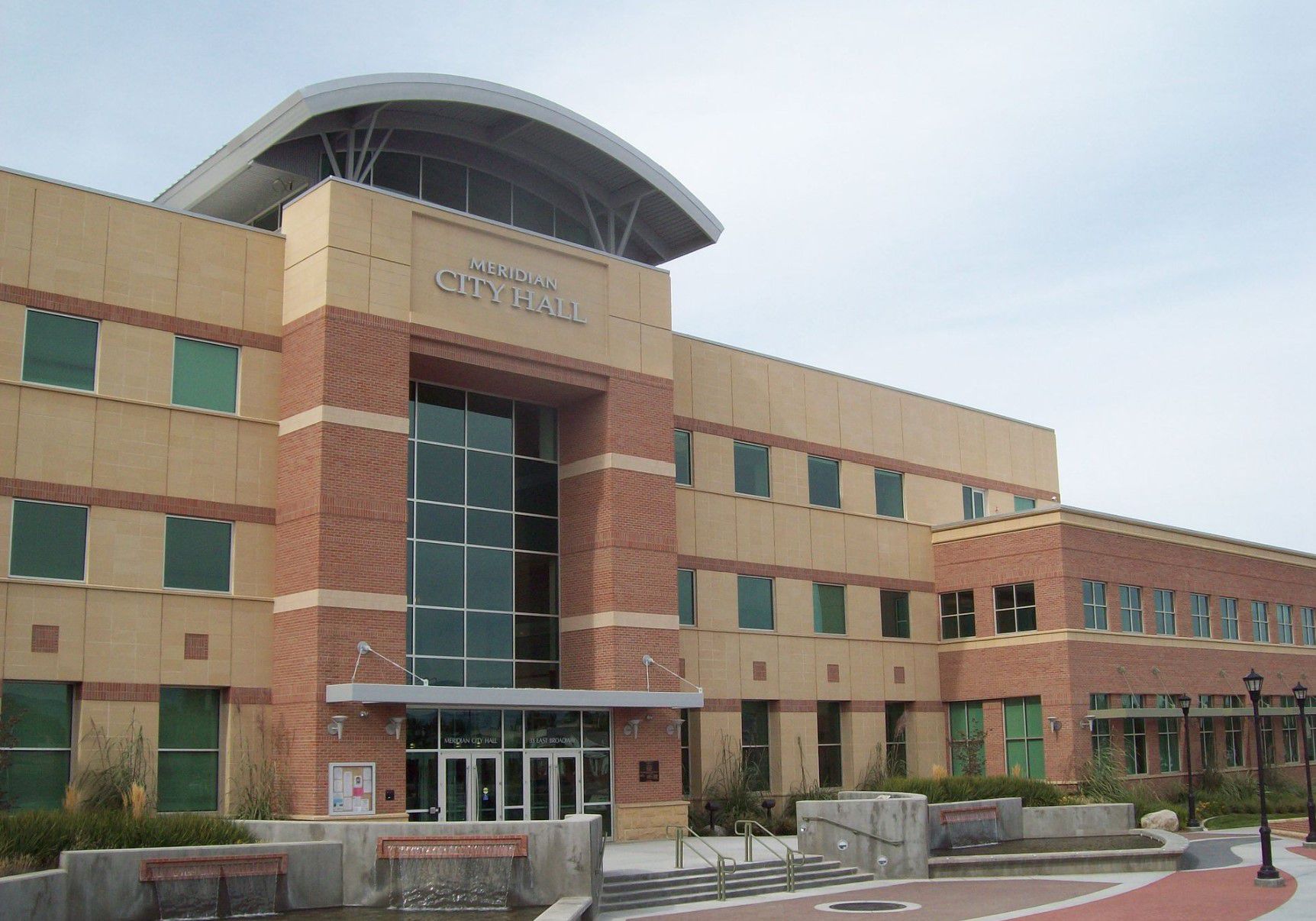
- Crime Cost per Capita: $348
- Violent Crime Rate: 159
- Property Crime Rate: 844
- Cost of Crime ($000s): $41,435
- Population: 119,203
Dmharris26 / Wiki Commons

- Crime Cost per Capita: $326
- Violent Crime Rate: 180
- Property Crime Rate: 1,366
- Cost of Crime ($000s): $34,861
- Population: 106,855
yhelfman / iStock

- Crime Cost per Capita: $319
- Violent Crime Rate: 131
- Property Crime Rate: 907
- Cost of Crime ($000s): $70,742
- Population: 221,932
James opiyo / iStock

1. Finding a qualified financial advisor doesn’t have to be hard. SmartAsset’s free tool matches you with up to 3 fiduciary financial advisors in your area in 5 minutes.
2. Each advisor has been vetted by SmartAsset and is held to a fiduciary standard to act in your best interests. If you’re ready to be matched with local advisors that can help you achieve your financial goals, get started now.
lzf/ istockphoto

- Crime Cost per Capita: $311
- Violent Crime Rate: 127
- Property Crime Rate: 1,943
- Cost of Crime ($000s): $36,223
- Population: 116,442
KGrif / iStock

- Crime Cost per Capita: $311
- Violent Crime Rate: 126
- Property Crime Rate: 1,235
- Cost of Crime ($000s): $31,103
- Population: 100,119
Summersleek / Wiki Commons

- Crime Cost per Capita: $310
- Violent Crime Rate: 168
- Property Crime Rate: 1,893
- Cost of Crime ($000s): $32,062
- Population: 103,485
SPONSORED: Find a Qualified Financial Advisor
1. Finding a qualified financial advisor doesn’t have to be hard. SmartAsset’s free tool matches you with up to 3 fiduciary financial advisors in your area in 5 minutes.
2. Each advisor has been vetted by SmartAsset and is held to a fiduciary standard to act in your best interests. If you’re ready to be matched with local advisors that can help you achieve your financial goals, get started now.
LParkerPhotography/istockphoto

- Crime Cost per Capita: $301
- Violent Crime Rate: 121
- Property Crime Rate: 1,232
- Cost of Crime ($000s): $40,693
- Population: 135,027
felixmizioznikov /istockphoto

- Crime Cost per Capita: $295
- Violent Crime Rate: 129
- Property Crime Rate: 2,045
- Cost of Crime ($000s): $29,574
- Population: 100,268
Glenn Kinyon / Wiki Commons

- Crime Cost per Capita: $276
- Violent Crime Rate: 97
- Property Crime Rate: 920
- Cost of Crime ($000s): $29,844
- Population: 108,218
Jphill19 / Wiki Commons

- Crime Cost per Capita: $276
- Violent Crime Rate: 134
- Property Crime Rate: 936
- Cost of Crime ($000s): $57,442
- Population: 208,335
Cajarima01 / iStock

- Crime Cost per Capita: $252
- Violent Crime Rate: 60
- Property Crime Rate: 1,037
- Cost of Crime ($000s): $31,970
- Population: 126,823
trekandshoot/ iStock

- Crime Cost per Capita: $236
- Violent Crime Rate: 51
- Property Crime Rate: 1,499
- Cost of Crime ($000s): $70,042
- Population: 297,069
LagunaticPhoto / iStock

- Crime Cost per Capita: $233
- Violent Crime Rate: 128
- Property Crime Rate: 1,068
- Cost of Crime ($000s): $46,386
- Population: 199,503
MatthiasOtt/istockphoto

- Crime Cost per Capita: $227
- Violent Crime Rate: 126
- Property Crime Rate: 1,537
- Cost of Crime ($000s): $27,589
- Population: 121,304
Davidhar / Wiki Commons

- Crime Cost per Capita: $218
- Violent Crime Rate: 86
- Property Crime Rate: 972
- Cost of Crime ($000s): $46,412
- Population: 212,626
Jerry Ballard/iStock

- Crime Cost per Capita: $214
- Violent Crime Rate: 49
- Property Crime Rate: 587
- Cost of Crime ($000s): $22,068
- Population: 103,100
Alejandra Mejia/ istockphoto

- Crime Cost per Capita: $200
- Violent Crime Rate: 81
- Property Crime Rate: 1,024
- Cost of Crime ($000s): $23,540
- Population: 117,639
Stephen Batiz/iStock

- Crime Cost per Capita: $195
- Violent Crime Rate: 66
- Property Crime Rate: 946
- Cost of Crime ($000s): $33,968
- Population: 174,441
HeavenlyHedgehog / Wiki Commons

- Crime Cost per Capita: $187
- Violent Crime Rate: 66
- Property Crime Rate: 164
- Cost of Crime ($000s): $27,824
- Population: 149,137
adamgrandprix / istockphoto

Here are the 15 safest large cities and their crime costs per capita:
- Virginia Beach, Virginia: $611
- Honolulu:$695
- Henderson, Nevada:$767
- El Paso, Texas: $811
- Mesa, Arizona: $901
- San Diego: $906
- Raleigh, North Carolina: $996
- Anaheim, California: $1,077
- San Jose, California: $1,100
- Santa Ana, California: $1,109
- New York City: $1,204
- Austin, Texas: $1,205
- Arlington, Texas: $1,303
- Las Vegas: $1,329
- Riverside, California: $1,354
DepositPhotos.com

Here are the 15 most dangerous cities and their crime costs per capita:
- St. Louis, Missouri: $11,574
- Jackson, Mississippi: $9,138
- Detroit: $7,292
- New Orleans: $7,214
- Baltimore: $7,091
- Memphis:$6,884
- Cleveland: $6,423
- Baton Rouge, Louisiana: $6,150
- Kansas City, Missouri: $5,382
- Shreveport, Loisiana: $5,153
- Milwaukee: $5,049
- Dayton, Ohio: $4,907
- North Charleston, South Carolina: $4,854
- San Bernardino, California: $4,824
- South Bend, Indiana: $4,547
This article
originally appeared on MoneyGeek.comand was
syndicated by MediaFeed.org.
DepositPhotos.com

snehitdesign / Deposit Photos
Featured Image Credit: DepositPhotos.com.