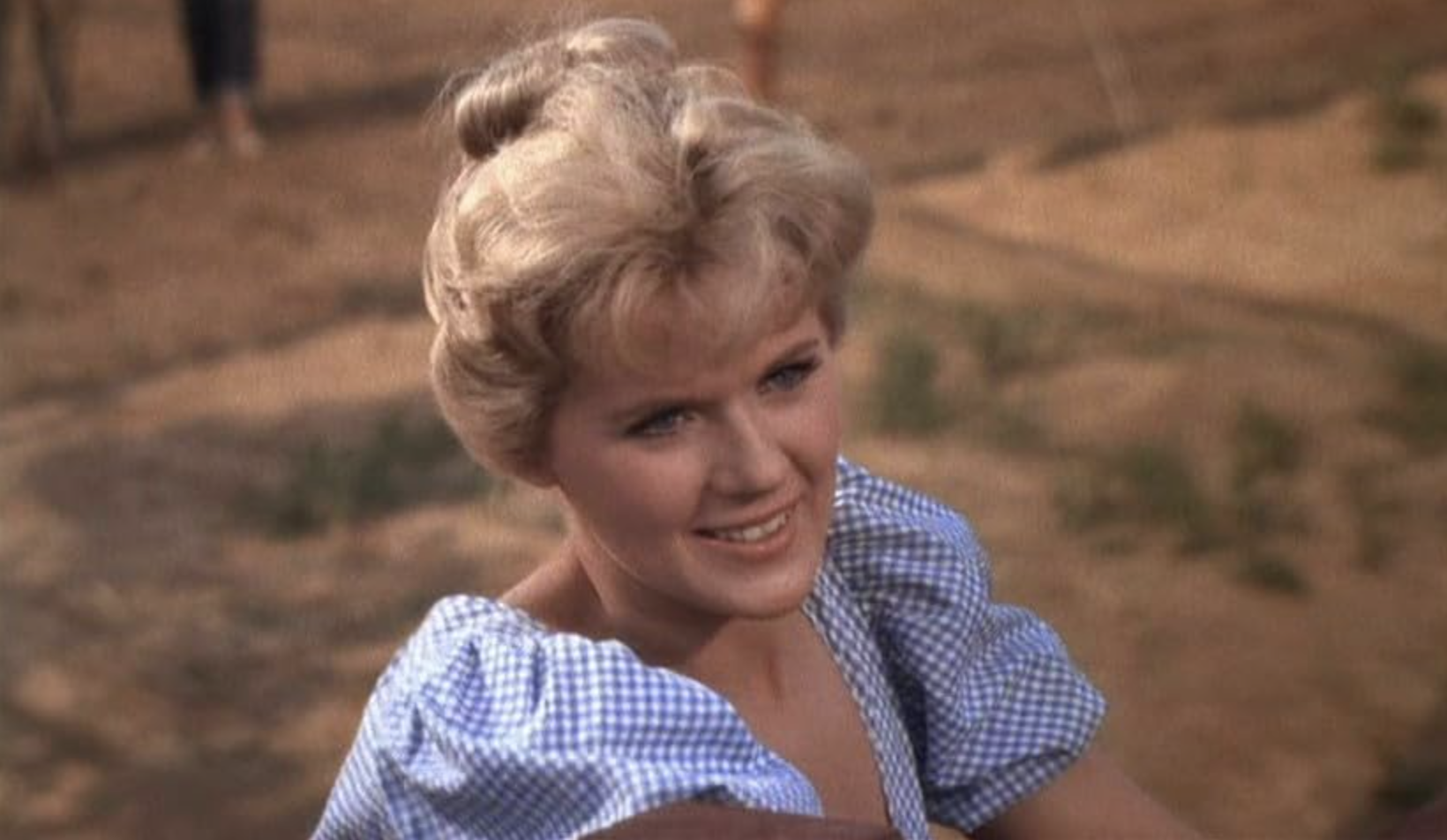
Fame, flash, and finding peace
“The visibility, status, and prosocial aspects of fame may come with the pressures of competition, status-obsession, and increased stress,” according to the American Psychological Association. Remember the pop culture of the 1990s with its boy bands, teen dramas, and red carpets? Some stars from that era traded fame, media scrutiny, and hectic schedules for quieter, more fulfilling lives. Their choices highlight lessons in wellness, intentional living, and prioritizing mental health over external validation. These decisions demonstrate the rewards of slowing down and choosing peace over performance.
The cost of the spotlight
The pressures of 1990s fame were relentless. Media attention, fan expectations, and the emotional toll of public life created stress that affected mental and physical health. Celebrity mental health struggles became increasingly visible as the decade progressed, with many stars experiencing burnout and a lack of personal autonomy. Boomers and Gen X watched these stars navigate a culture that glorified overwork and public persona. The constant scrutiny created an environment in which performers often sacrificed their well-being for career demands.
Stars who chose serenity
Jonathan Taylor Thomas walked away from Home Improvement before its finale, choosing education at Columbia, Harvard, and St. Andrew’s University. Phoebe Cates left acting to focus on family and opened a New York boutique. Rick Moranis stepped back at the height of his fame to raise his children. These celebrities redefined success, shifting it from wealth and notoriety to fulfillment and balance. They prioritized mental health by setting boundaries, embracing hobbies, and cultivating a sense of stillness. Their lives now feature quiet mornings, creative pursuits, and time in nature rather than red carpets and paparazzi.
Lessons in intentional living
Their choices teach valuable lessons. Slowing down leads to clarity and self-awareness. Reclaiming personal time and space significantly enhances well-being. Letting go of external validation proves liberating and empowering. Mindfulness practices show that living deliberately, even in small daily actions, promotes emotional resilience. These stars demonstrated that stepping away from constant performance allows space for genuine growth. Their decisions reflected wisdom about what matters most in life.
The wellness benefits of stepping back
Research confirms the benefits of reducing stress and taking time to step away from constant performance. Work-life balance improves mental health and mood substantially. Greater creativity and fulfillment emerge when pressure diminishes. Enhanced relationships and social connections develop naturally. Studies show that chronic stress can double heart attack risk, while balanced living strengthens immune systems and reduces sick days. Adopting these principles enables readers to enhance their own emotional well-being and discover practical strategies for achieving a better balance between work and life.
Applying serenity to your life
Schedule quiet, unstructured time for yourself on a regular basis. Reevaluate priorities and align actions with values that matter most. Limit overexposure to social media or news that fuels comparison and anxiety. Embrace hobbies or pastimes that bring joy, creativity, or calm. Mental health research indicates that these practices can reduce stress, improve focus, and foster gratitude. Small changes can have a significant impact on overall well-being. Start with one adjustment and build from there.
Wrapping up
These 1990s stars remind us that life’s ultimate spotlight shines from within through calm, balance, and fulfillment. Stepping back can be life’s boldest, healthiest choice. Pause today, reflect on where serenity might enter your life, and consider what matters beyond external validation. Peace often requires courage to pursue.
Related:
- Whatever happened to the kid from The Shining?
- From Hollywood to MIT: Whatever happened to the kid from Hook?
Like MediaFeed’s content? Be sure to follow us.
This article was syndicated by MediaFeed.org.