8 subtle signs your senior dog is still trying to protect you
Puppy energy fades. Devotion doesn’t. If anything, it just changes shape, trading loud excitement for something quieter and easier to miss entirely.
Behaviorists who study aging dogs keep landing on the same conclusion: attachment behaviors often increase, not decrease, in a dog’s final years. Eight quiet ways an older dog is still standing guard, even as the body slows down.
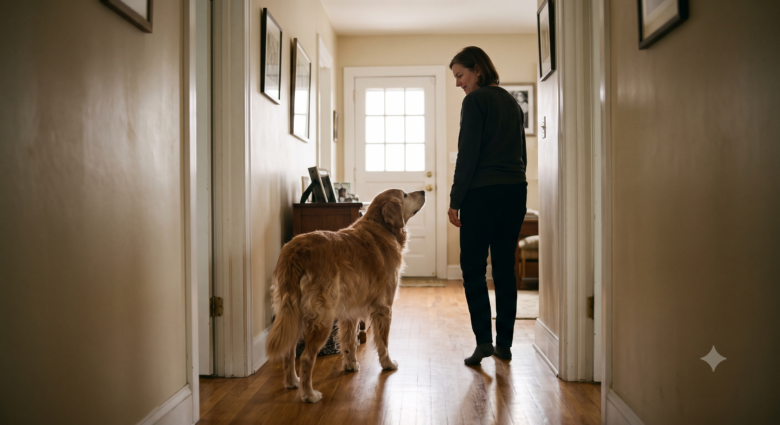
They follow you room to room
Getting off a comfortable bed just to trail you into the kitchen, then the living room, then back again. It costs something now. They do it anyway. Every single time. That’s not stiffness talking. It’s devotion overriding real physical discomfort.
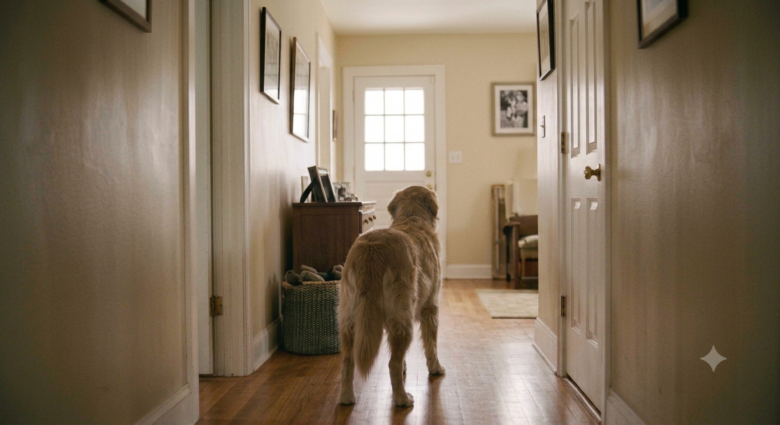
They position themselves near the door before you notice anyone’s there
Old ears and eyes miss a lot. What they don’t miss is you. A senior dog who shifts toward the entrance, alert, before a knock or a car in the driveway is still running the same watch duty it always ran, just on a slower clock.
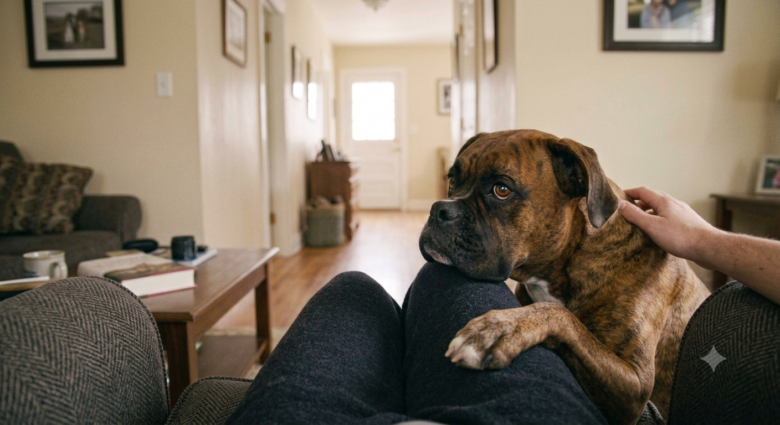
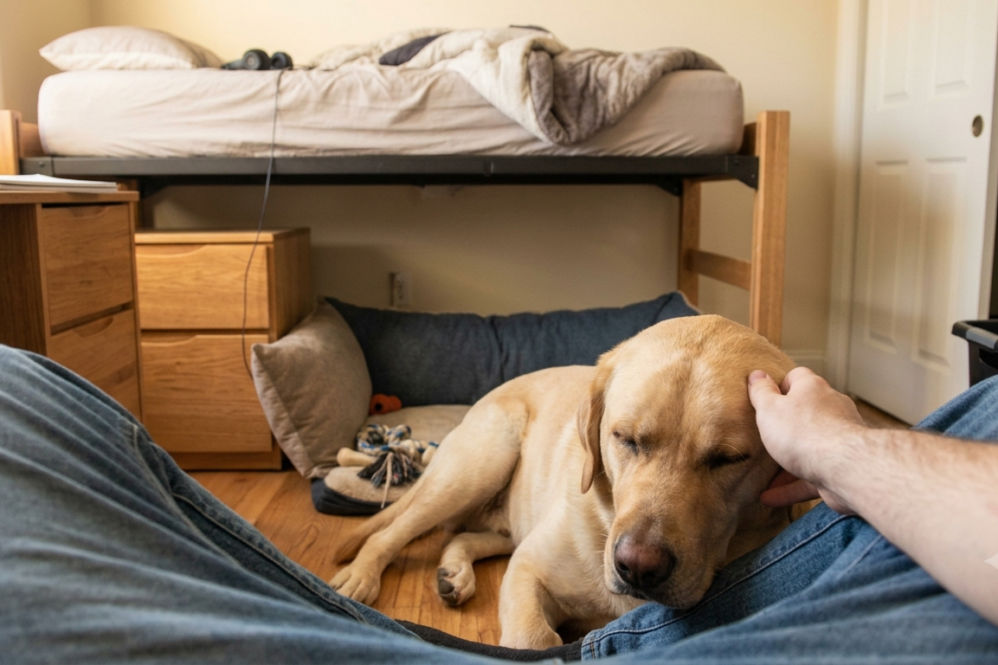
They rest a head or paw on you
Not begging for food. Not asking for attention. Just contact for contact’s sake, which behaviorists consider one of the purest displays of trust a dog can offer.
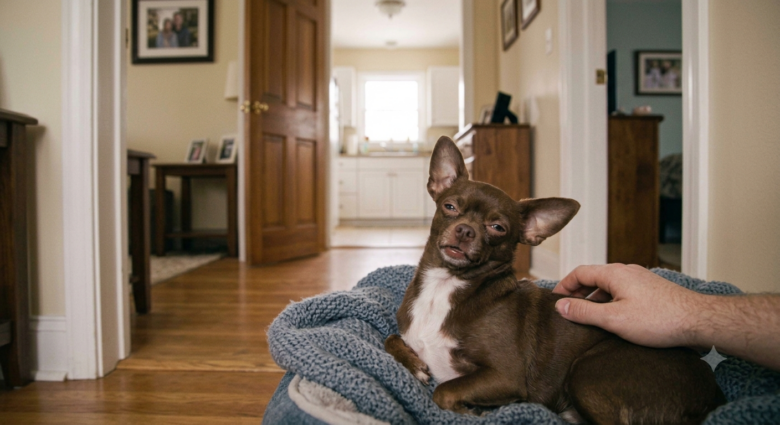
They answer your voice from another room, even half-asleep
Call their name from down the hall. A tail thump. An ear twitch. A slow head lift that costs real effort. A cherished senior dog answers anyway, even when getting up feels like too much work.
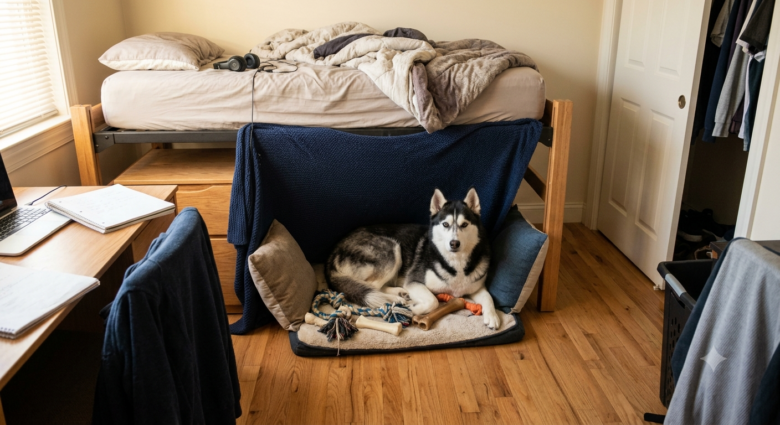
They choose your room as their base
Not random wandering. Older dogs conserve energy for what actually matters, and if a dog with less to spare still keeps ending up in your space, your scent has become the safest place in the house.
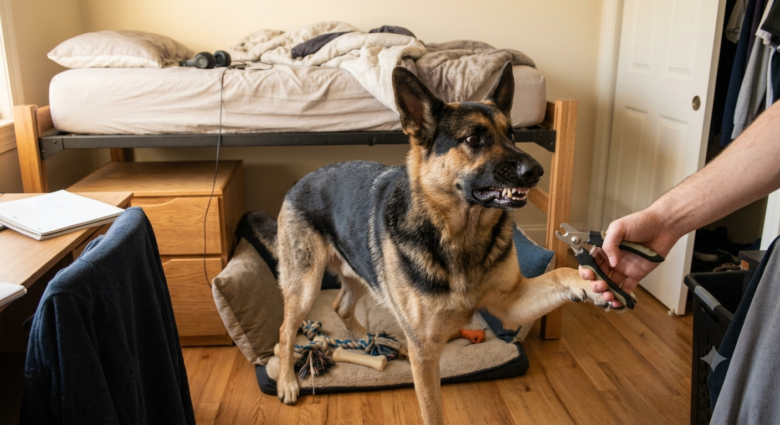
They tolerate care they clearly dislike
Nail trims, ear cleaning, medication, all things a younger dog might squirm through with real protest. A senior dog who’s chosen someone will put up with the discomfort anyway, trusting the process because it’s coming from you specifically.
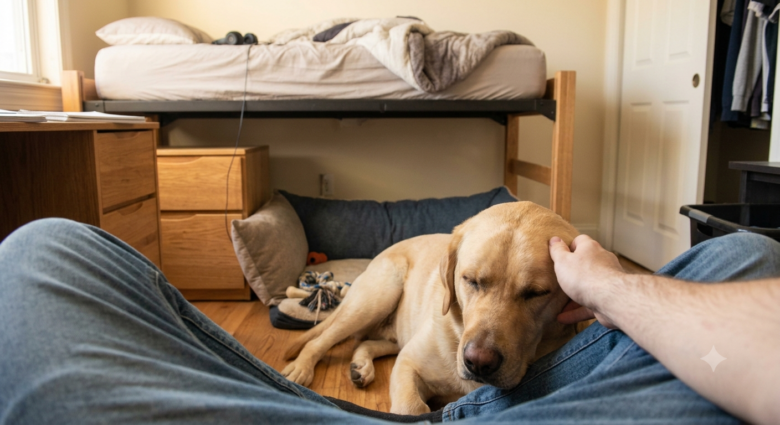
They sleep deeply only in your presence
Proximity-seeking at bedtime isn’t random either. A dog who feels safe and content sleeps deeply near their person, still connected to the pack even in unconsciousness.
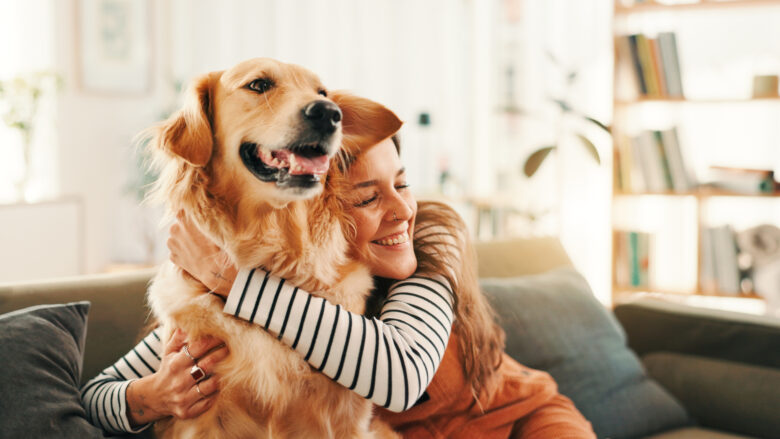
The bottom line
None of this looks dramatic. That’s exactly the point. A senior dog’s protection has traded volume for consistency, and the quiet version, the one that costs stiff joints and slower reflexes to keep showing up, might be the most honest version of loyalty a dog has left to give.
Ask us! What questions do you have about content, strategy, pop culture, lifestyle, wellness, history or more? We may use your question in an upcoming article!
Related:
Like MediaFeed’s content? Be sure to follow us.
This article was syndicated by MediaFeed.co.