

Only true ’90s kids can identify all of these living room items from 1995
IKEA once built a sofa around the width of a fabric reel. 150 centimeters, so the cover would come off and fit in a washing machine.
That was the thinking behind a 1995 living room. Things were made to be sat on hard, spilled on, and lived with for a decade.
Eight pieces of that room follow, and what became of each.
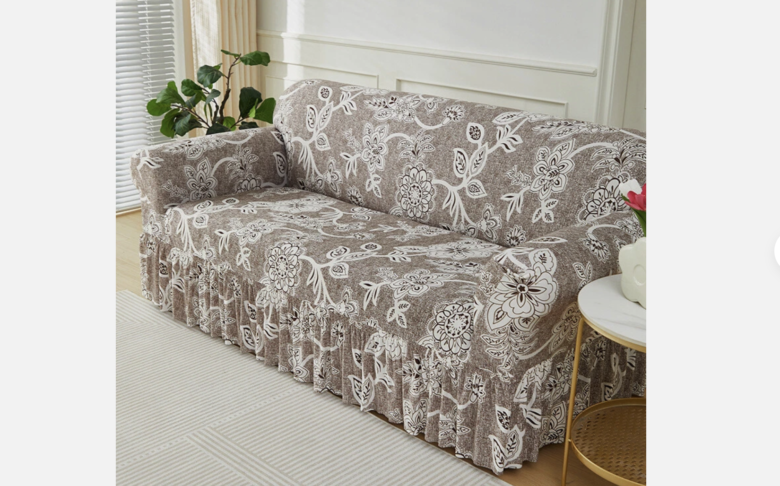
The skirted sofa
The legs were a secret. A pleated fabric skirt ran to the floor, often with ties or bows at the corners, and the frame underneath was nobody’s business.
IKEA’s catalogs from the period are full of them: removable covers with kick pleats and skirts in florals and country checks. The sofa was built to be re-dressed rather than replaced, which is a genuinely good idea that went out of fashion anyway.
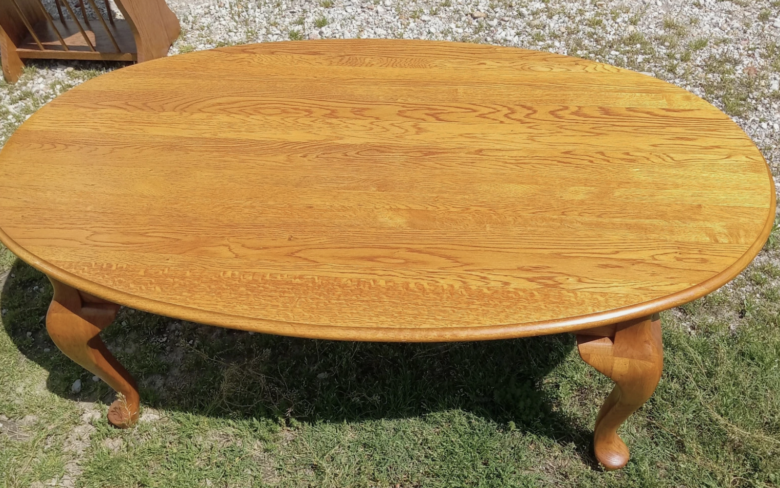
Honey oak coffee tables
Light oak, knots proudly visible, usually with a glass insert and a lower shelf for magazines nobody read. The whole room matched: table, side tables, entertainment center, all the same orange-toned wood.
The finish dates a room fastest now. Secondhand honey oak, hutches above all, shows up as thrift-store stock that nobody fights over.
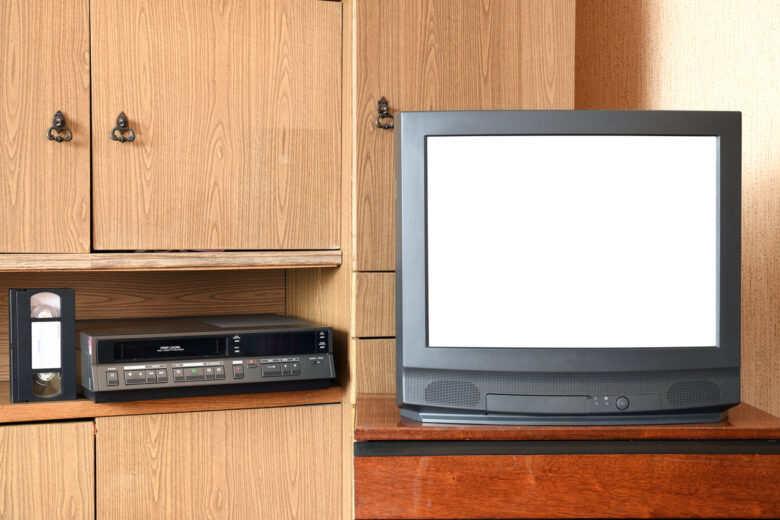
The entertainment center
One wall, built around one object. IKEA’s units from the period were rated to hold a 35-inch television weighing up to 90 kilos, which is close to 200 pounds of glass and plastic.
Below the set went the VCR. Beside it were the stereo components and rows of tape spools facing out.
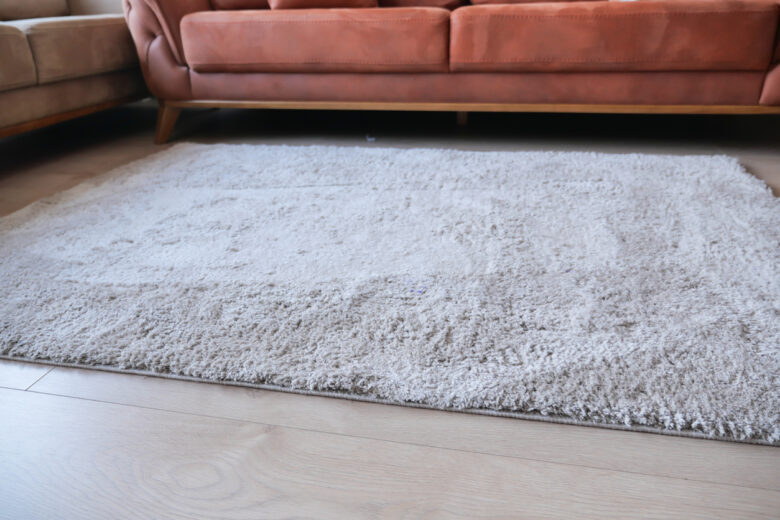
Thick carpet and sisal rugs
Wall-to-wall, in beige or hunter green or a blue nobody can name now, thick enough to hold vacuum lines. Berber, with its looped texture, became the standard in middle-class homes. Sisal was the alternative for anyone who wanted texture without the plush.
Real estate research has since turned hard against it. Buyers now read carpet in a living room as deferred maintenance before they’ve finished crossing it.
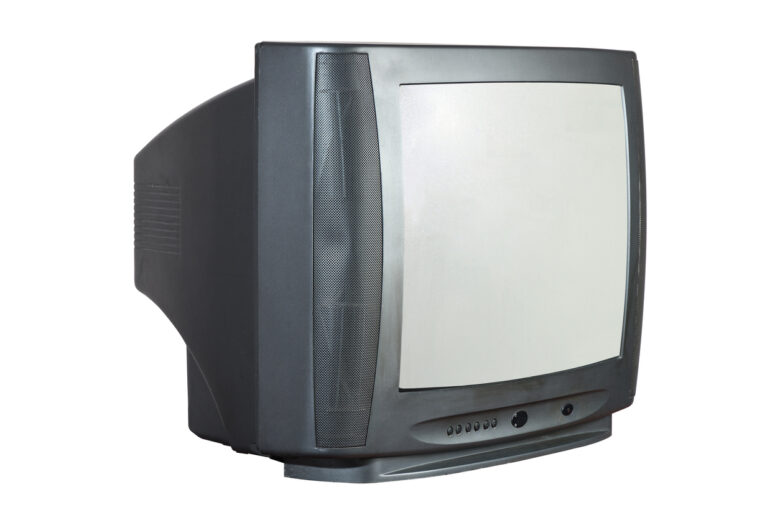
The tube television
Deeper than it was wide, and heavy enough to need two people and a plan. Twenty inches was ordinary, and a floor-model projection set was the splurge.
Getting rid of one now costs money. Many thrift stores refuse them, and recycling costs $20 to $60.

The VCR and the tapes
By the mid-90s, the VCR had reached about 95 percent of American homes, Fortune reported, which makes it one of the fastest-adopted appliances in history.
The tapes lived on open shelves, spines out, a mix of rentals waiting to go back and things recorded off television with the commercials still in.
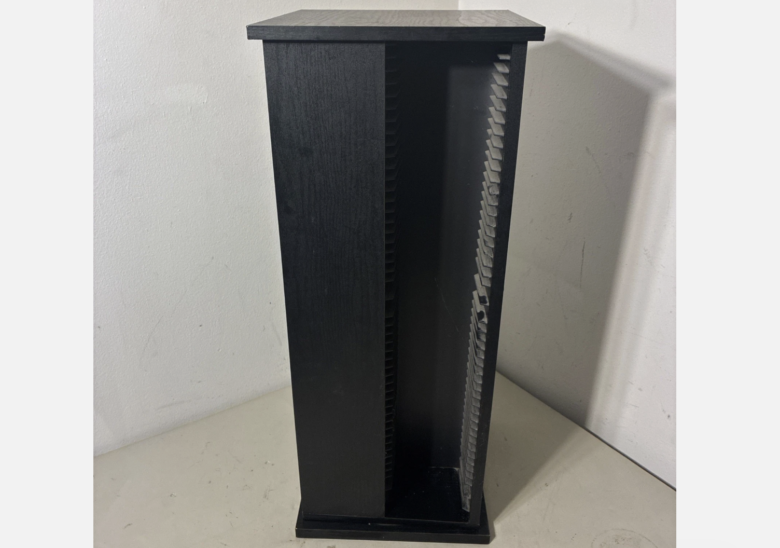
The CD tower
IKEA’s TORNUM stood over a meter tall in wood and glass and held 68 compact discs. The company sold it as a space-saving music library, but display was the real function. You wanted the collection visible.
Beside it sat the component stereo: dual cassette deck, five-disc changer, and two blocky speakers on the floor doing the work a soundbar does now.
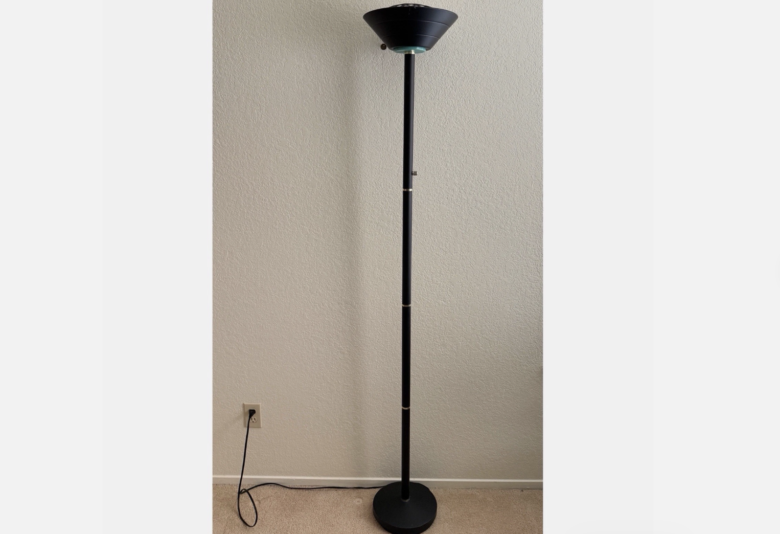
The halogen torchère
Here’s the one with a reckoning attached. The tall metal lamp that threw light at the ceiling first appeared in 1983 and sold hard through the 1990s, to the point that 35 to 40 million were in American homes.
Then the CPSC tested them. A 300-watt tubular halogen bulb reached about 970 degrees Fahrenheit, and a 500-watt bulb about 1,200 degrees. Anything flammable that touched one could catch.
In August 1997, the commission and the lamp industry recalled 40 million of them for in-home repair, fitting free wire guards. By 2001, the agency counted 436 fires and 35 deaths since 1992.
If one was in your living room in 1995, it had no guard.

Resin wall plaques and sponge-painted walls
Molded wall art shaped like fruit clusters, teapots, and geese with ribbons. Cream or soft pastel, hung in threes.
The wall behind them was often hand-worked. IKEA’s catalogs of the period pushed the same look: rag rolling, stenciling, and finishes meant to look painted rather than papered.

The bottom line
The CPSC recalled 40 million halogen torchiere lamps in August 1997, and by 2001 it had counted 436 fires. IKEA’s TORNUM tower held 68 CDs and stood over a meter tall.
Ask us! What questions do you have about content, strategy, pop culture, lifestyle, wellness, history or more? We may use your question in an upcoming article!
Related:
- Household rules from the ’40s that sound unbelievable now
- 8 places and discoveries where exploration has limits
Like MediaFeed’s content? Be sure to follow us.
This article was syndicated by MediaFeed.co.