7 parenting rules from the 1960s that wouldn’t fly today
To obey or disobey. That was never the question. Not in a 1960s household, anyway, where the answer came pre-decided and questioning it wasn’t really on the table.
Doctors, magazines, grandparents: all of them agreed on most of it, which made the whole thing easy to follow and nearly impossible to challenge. We pulled together what the era’s own surveys, medical journals, and archives actually recorded about how kids got raised back then.

Babies cried themselves to sleep, alone, on purpose
Dr. Luther Emmett Holt popularized this one decades earlier, and cry-it-out sleep training had become mainstream advice by the ’60s. Framed as teaching independence. Rarely questioned for what an infant’s unanswered crying might actually be trying to say.
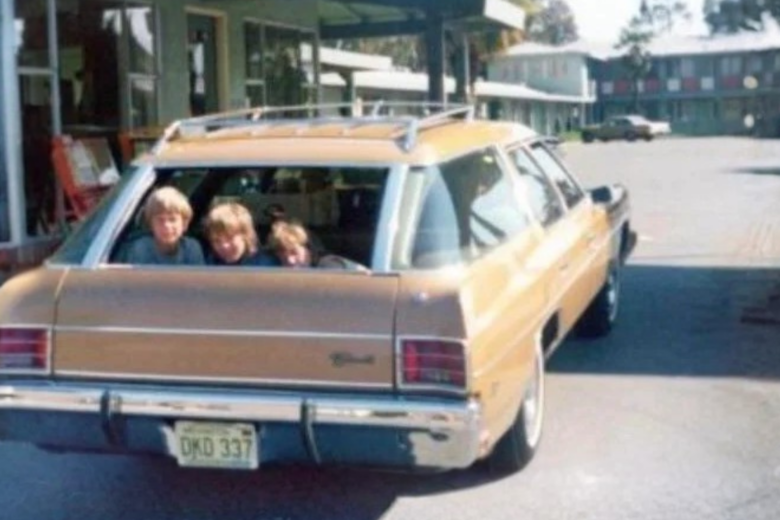
Seatbelts sat unused. Kids rode wherever felt comfortable.
Standing in the backseat. Sprawled across the front bench. Loose in whatever position a curvy road happened to throw them into. Seat belts were barely used, and unrestrained travel just wasn’t part of the safety conversation yet. Wouldn’t be for years.
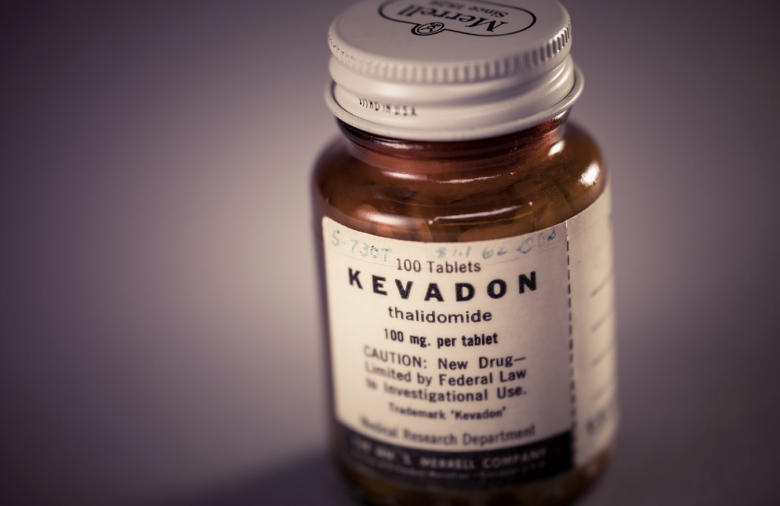
Thalidomide got prescribed for morning sickness
Widely used through the late ’50s and early ’60s, effective enough at treating nausea that doctors reached for it routinely. Took years before the connection surfaced. Severe birth defects in thousands of children, a discovery that eventually forced a complete overhaul of how drugs got tested before reaching pregnant patients.
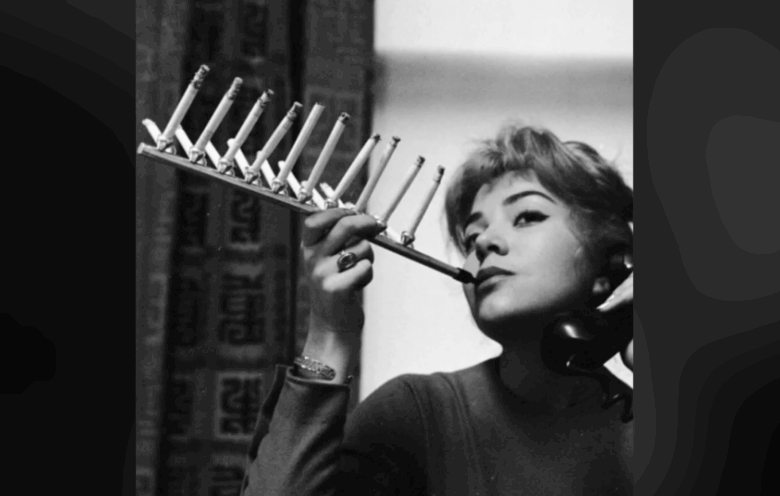
A teenager smoking barely raised an eyebrow
Cool, even. Genuinely, that’s how it read. Health risks were dramatically underplayed or simply unknown, and cigarette ads ran freely on television well into the decade. Aimed at an audience that included plenty of kids not far from lighting their first one.

Lead paint coated nurseries without anyone flagging it
Asbestos too. Tucked into building materials throughout homes and schools, zero warning attached to any of it. Nobody knew to worry at the time. Took decades of research before either material got treated as the hazard it actually was.

Baby food came from a jar, sugar included
Commercial baby food became a genuine symbol of modern parenting throughout the decade. NYU research found babies of the era consumed roughly 72 dozen jars before their first birthday. Manufacturers added sugar and artificial flavor to make it more palatable. Nutrition, an afterthought.

Spanking was the norm
Ninety-four percent approval; that was the number for corporal punishment by 1968, which is almost hard to picture now. Not debated at dinner, not controversial in any real sense. Just the standard response, belt or hand, depending on the household and the crime.

The bottom line
Every rule on this list reflected the best available knowledge of the moment. Or in a few cases, no real knowledge at all, just tradition wearing certainty like a costume. What’s changed isn’t just attitude. It’s the sheer volume of research that’s finally caught up to correct nearly all of it.
Ask us! What questions do you have about content, strategy, pop culture, lifestyle, wellness, history or more? We may use your question in an upcoming article!
Related:
- 15 Things Boomers Still Miss About the Way Life Used to Be
- 7 everyday baby boomer habits that are illegal today
Like MediaFeed’s content? Be sure to follow us.
This article was syndicated by MediaFeed.co.