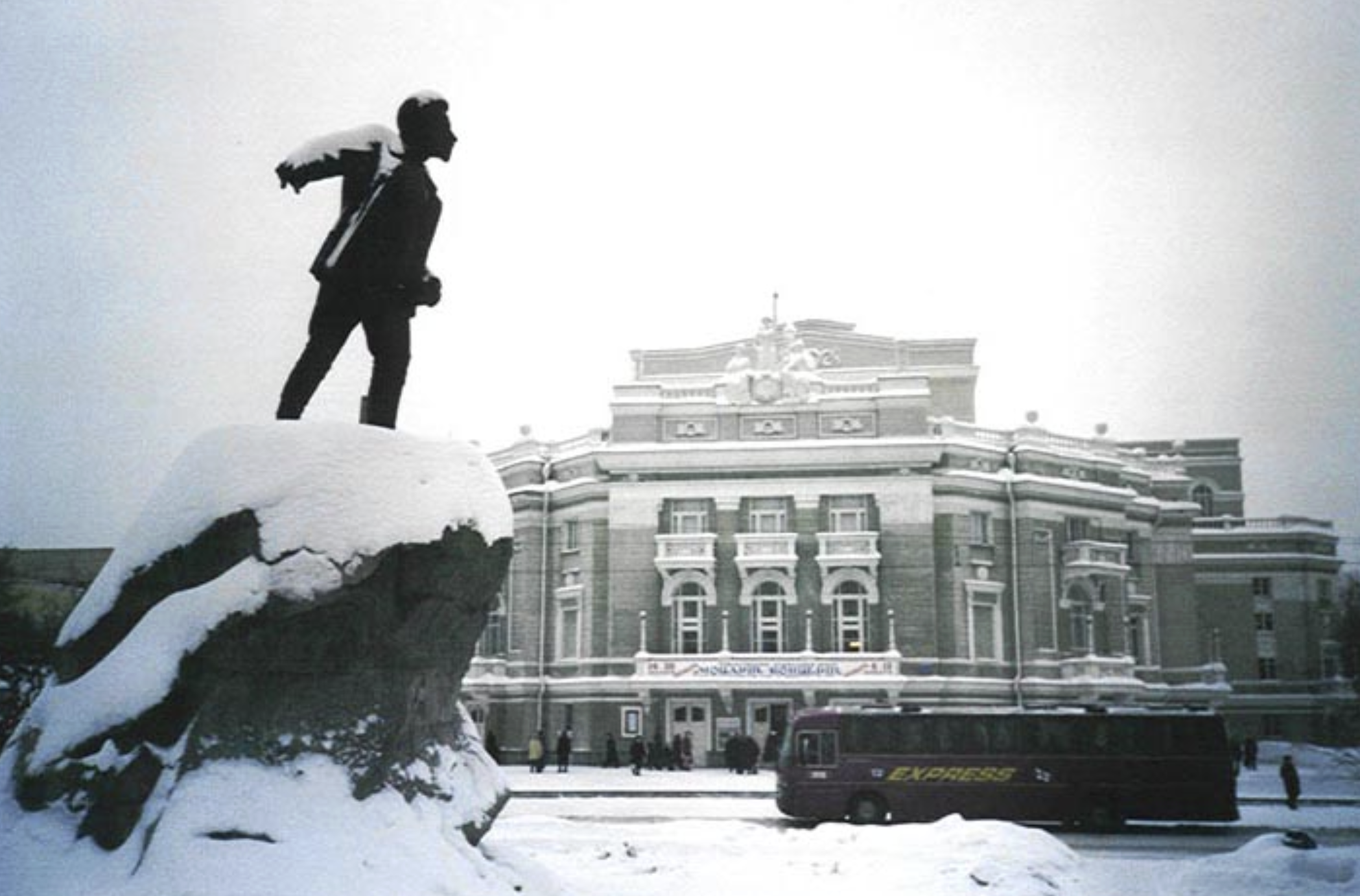
In the spring of 1979, on April 2, the city of Sverdlovsk (now Ekaterinburg) in the Soviet Union became the site of one of the deadliest biological accidents in history. An invisible cloud of anthrax spores began to spread through the air, killing around 66 people, and some 30 more had survived serious illness by the time it ended.
The tragedy was caused by a simple human error at a secret military research facility known as Compound 19. According to investigations that surfaced years later, a technician removed a clogged filter from an exhaust system used to produce aerosolized anthrax. The technician left a note for the next shift, but the information was not properly logged. When the next shift began, the drying machines were turned on without the filter in place, releasing a concentrated plume of anthrax spores into the night air.
As the wind carried the spores southward, people and any living thing in the path of the plume began to fall ill. The first case reported symptoms consistent with a common cold or the flu, including fever, fatigue, and muscle aches. However, because these were inhalation anthrax spores, the disease progressed rapidly into a second, fatal stage. Within days, people who felt ill at the start began to suffer from severe breathing difficulties and internal bleeding.
The official Soviet records stated that 66 people died, though some survivors remained permanently scarred by the illness. The local farming community also suffered significantly, with massive losses of cattle and sheep.
For years, the Soviet government maintained that the outbreak was caused by contaminated meat sold on the black market. However, the international community remained skeptical, as the facility was already suspected of being a biological weapons plant.
After the collapse of the Soviet Union in 1992, President Boris Yeltsin finally admitted that the outbreak was the result of a military accident. Subsequent scientific studies, including a famous 1994 analysis by Matthew Meselson, confirmed that the wind patterns on April 2 perfectly matched the locations of the deaths, proving the spores originated from the lab.
Anthrax is particularly dangerous because its spores are incredibly resilient, surviving in soil for decades. The tragedy eventually led to a greater global focus on biological safety and reinforced the importance of the Biological Weapons Convention, which the USSR had signed just years before the accident.
Ask us! What questions do you have about content, strategy, pop culture, lifestyle, wellness, history or more? We may use your question in an upcoming article!
Like MediaFeed’s content? Be sure to follow us.
This article was syndicated by MediaFeed.org.