
15 Myths About Alcohol That Refuse to Die
Alcohol has been part of human culture for thousands of years, which means there’s no shortage of advice, folklore, and questionable wisdom surrounding it. Some of these beliefs have been repeated so often that many people accept them as fact.
But modern research has challenged many long-held assumptions about drinking. Here are 15 common alcohol myths that deserve a second look.
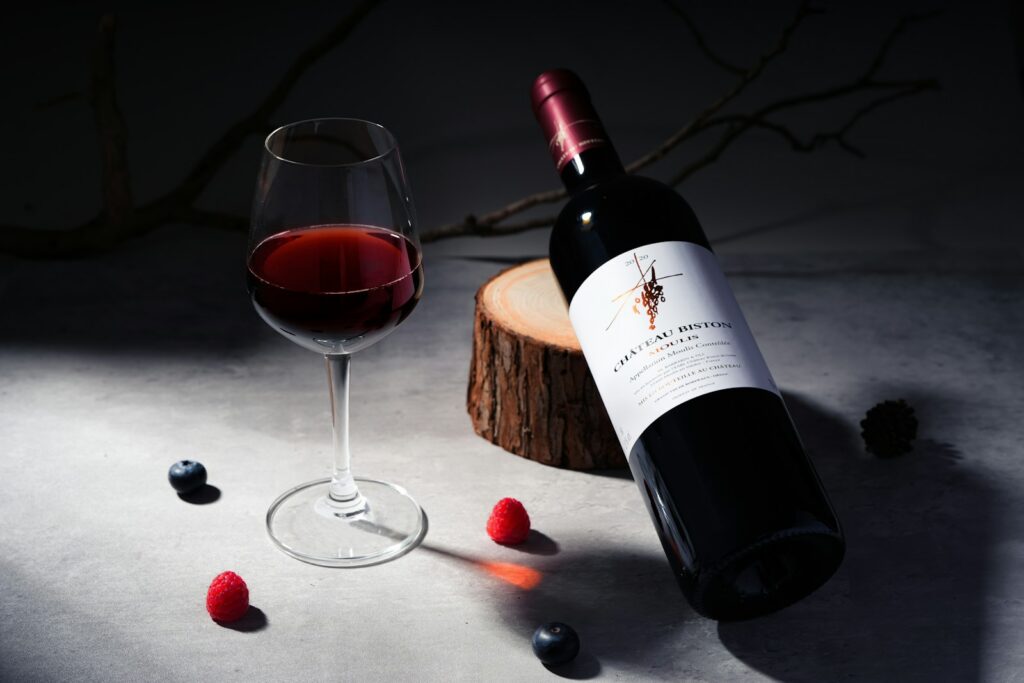
15. Alcohol Is Good for Your Heart
For years, moderate drinking—particularly red wine—was linked to better heart health.
However, more recent research suggests that the supposed benefits may have been overstated. Many experts now believe lifestyle factors, such as diet and exercise, played a larger role than alcohol itself.
14. Moderate Drinking Is Completely Risk-Free
Many people assume that drinking in moderation carries no health risks.
While moderate consumption is generally less risky than heavy drinking, research has linked even low levels of alcohol consumption to certain health concerns, including increased cancer risk.

13. The French Paradox Proves Wine Is Healthy
The “French Paradox” suggested that wine consumption explained France’s relatively low rates of heart disease.
Researchers now believe the story is far more complex, involving factors such as diet, portion sizes, physical activity, and healthcare differences.
12. Beer Is Better for You Than Liquor
Some people assume beer is the healthier choice because it often contains less alcohol per serving.
In reality, the health effects largely depend on how much alcohol you’re consuming overall, not whether it comes from beer, wine, or spirits.

11. Alcohol Helps You Sleep Better
Alcohol may help you fall asleep faster, but it often reduces sleep quality.
Drinking can interfere with deep sleep and REM sleep, leading to more fragmented and less restorative rest.
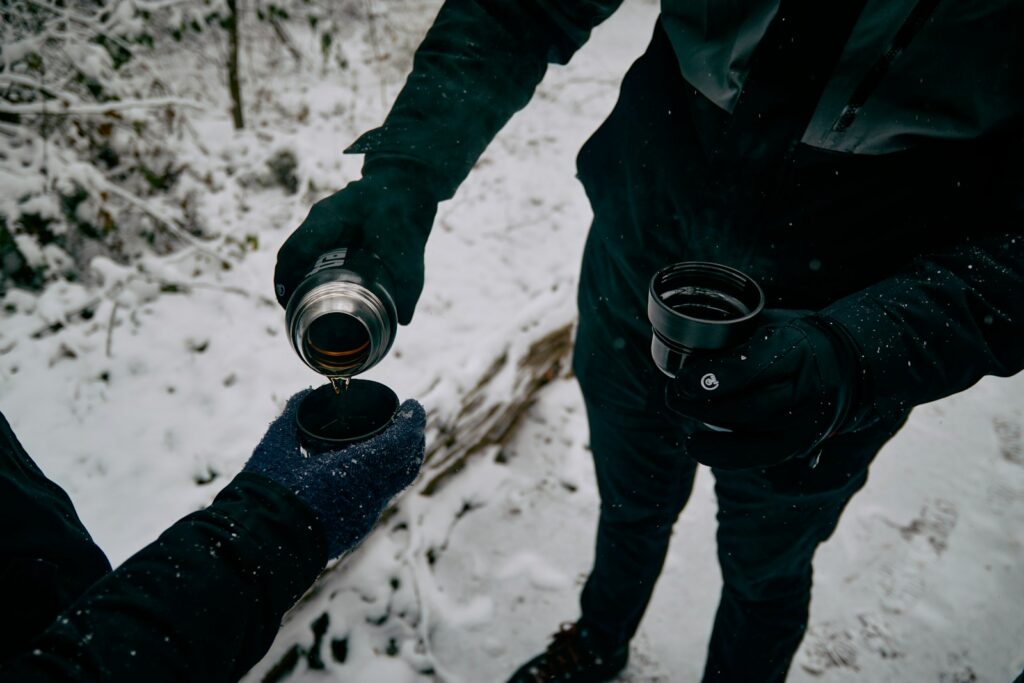
10. Alcohol Warms You Up
Many people reach for a drink when it’s cold outside because alcohol creates a sensation of warmth.
In reality, alcohol causes blood vessels near the skin to expand, which can actually increase heat loss and lower core body temperature.

9. Coffee Can Sober You Up
Strong coffee might make you feel more alert, but it doesn’t reduce your blood alcohol concentration.
Time is the only thing that allows your body to process alcohol and become sober.
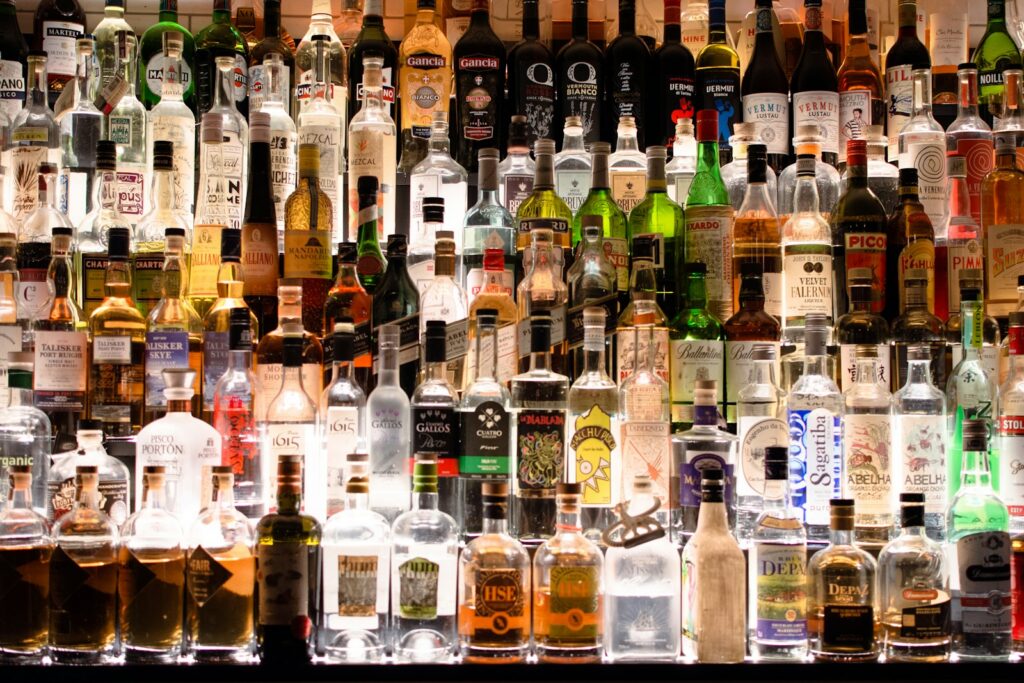
8. Mixing Different Types of Alcohol Gets You Drunker
The old saying “beer before liquor, never sicker” has been around for generations.
While mixing drinks may contribute to drinking more overall, it’s the total amount of alcohol consumed that primarily determines intoxication.

7. Alcohol Kills Brain Cells
Alcohol doesn’t literally kill brain cells in the way many people were taught.
However, excessive drinking can impair communication between brain cells and may contribute to long-term cognitive problems.

6. Drinking Helps You Deal With Stress
Alcohol may temporarily numb difficult emotions, but it doesn’t solve underlying problems.
Over time, regular drinking can actually worsen stress, anxiety, and depression for many people.
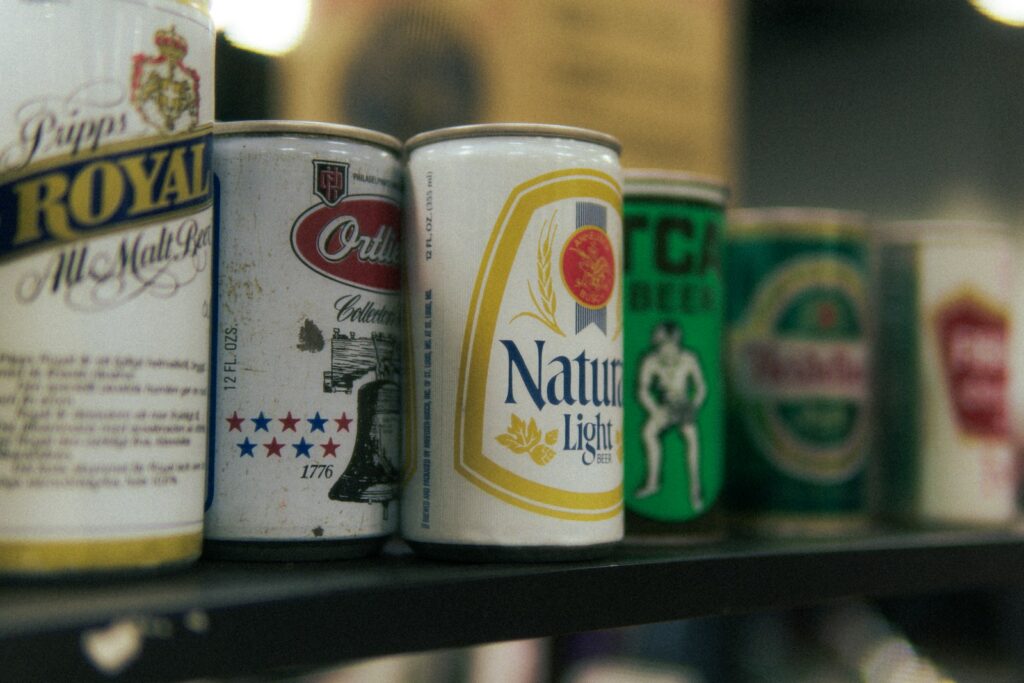
5. Light Beer Is a Healthy Choice
Light beers often contain fewer calories than regular beer, but they’re still alcoholic beverages.
The lower calorie count doesn’t eliminate the potential health risks associated with alcohol consumption.

4. You Can Sweat Alcohol Out
Exercise and sweating may make you feel productive after a night of drinking, but they do very little to speed up alcohol metabolism.
Your liver does the vast majority of the work.

3. Drinking Improves Creativity
Alcohol can lower inhibitions, which may make people feel more creative.
However, studies generally show that alcohol impairs judgment, focus, memory, and problem-solving skills.
2. Everyone Drinks
Movies, television, and social media can create the impression that drinking is universal.
In reality, many adults drink rarely or not at all, and alcohol-free lifestyles have become increasingly common in recent years.

1. You Can Sober Up Quickly
Cold showers, greasy food, energy drinks, and cups of coffee are all popular hangover remedies.
Unfortunately, none of them can rapidly remove alcohol from your bloodstream. When it comes to sobering up, time remains the only reliable solution.
Read More:
- 15 Clever Ways to Drink More Water Every Day (Without Trying Hard)
- 10 Common Foods That May Help Reduce Inflammation
- 15 Health Myths Medical Experts Wish Would Finally Go Away
Ask us! What questions do you have about content, strategy, pop culture, lifestyle, wellness, history or more? We may use your question in an upcoming article!
Like MediaFeed’s content? Be sure to follow us.
This article originally appeared on Resourcebuzz and was syndicated by MediaFeed.co.