These 30 Slang Words Say More About Your Age Than You Think
Slang moves fast, but it never really disappears. A single word can place someone in a decade, a subculture, or a very specific phase of adolescence faster than almost anything else.
Some of these phrases still show up as jokes. Others are still alive online, at least for now. These 30 slang terms reveal just how easy it is to date a generation by the way it talks.

30. Groovy
“Groovy” still carries strong Boomer energy because it is tied so closely to the 1960s and 1970s. Anyone using it sincerely is either making a bold choice or has earned the right through age and confidence.

29. Gnarly
“Gnarly” came out of surf and skate culture, then settled into the broader Gen X vocabulary. The word could mean cool, intense, or slightly alarming, giving it more flexibility than many slang terms do.

28. Rad
“Rad” is pure 1980s shorthand for cool. The word still pops up now and then, but mostly in a retro way.

27. Tubular
“Tubular” feels even more locked to the 1980s than “rad.” Surf culture helped popularize it, and today the word sounds less like daily slang and more like something preserved in pop-culture amber.

26. Phat
In the 1990s, “phat” worked as praise, especially for music, clothes, or anything meant to sound impressive. The word has not held up in everyday speech.

25. Word
“Word” was a quick way to say agreement or approval, and it still sounds strongly tied to 1990s speech patterns. Some people still use it, though the word now often comes with a little nostalgia.
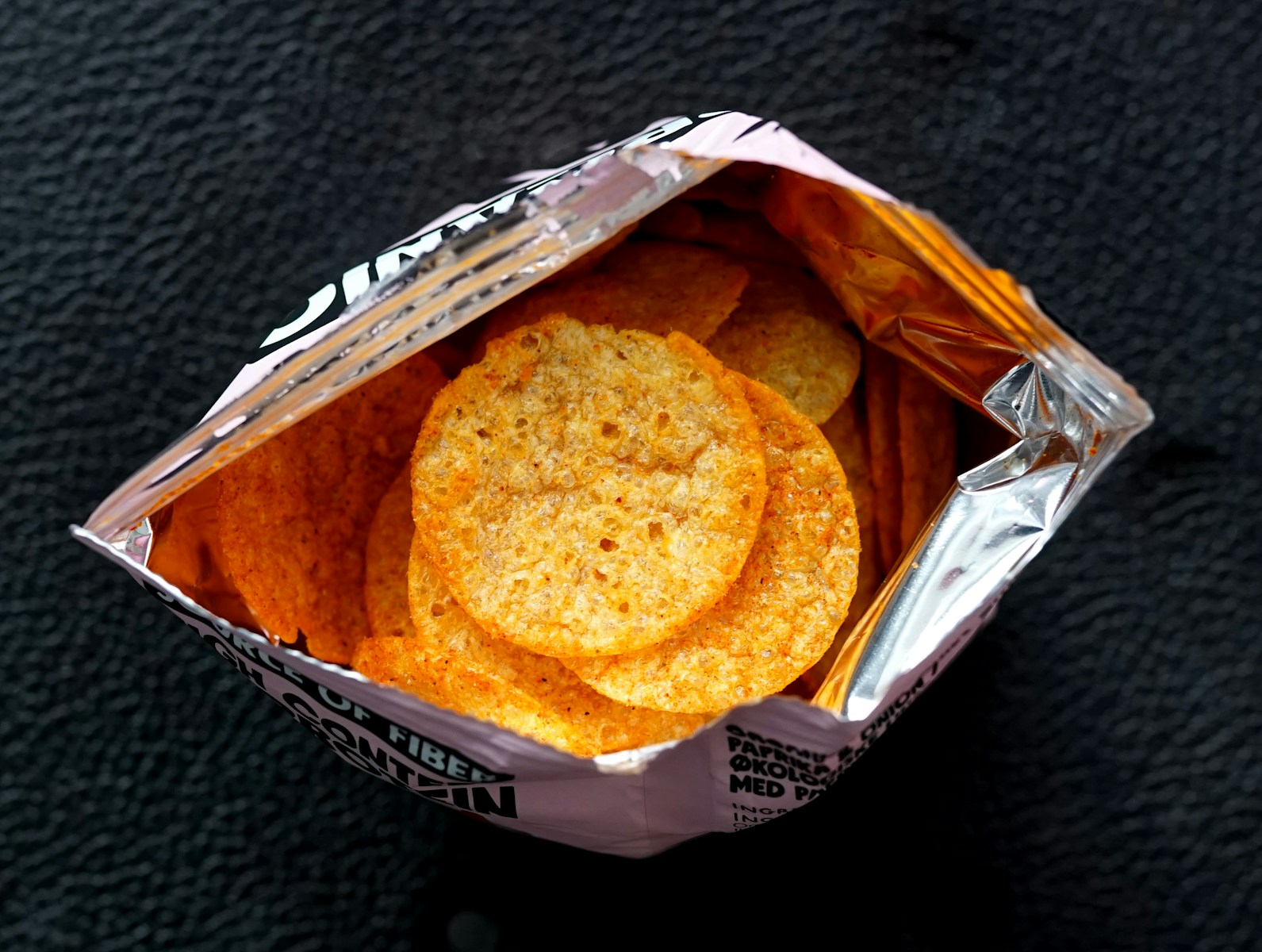
24. All That and a Bag of Chips
This phrase is one of the most unmistakably 1990s entries on the list. It sounds playful, slightly excessive, and fully committed to the idea of a longer phrase being somehow cooler.

23. Talk to the Hand
“Talk to the hand” belongs to a specific kind of 1990s sass. The phrase was blunt, theatrical, and not especially interested in keeping a conversation alive.
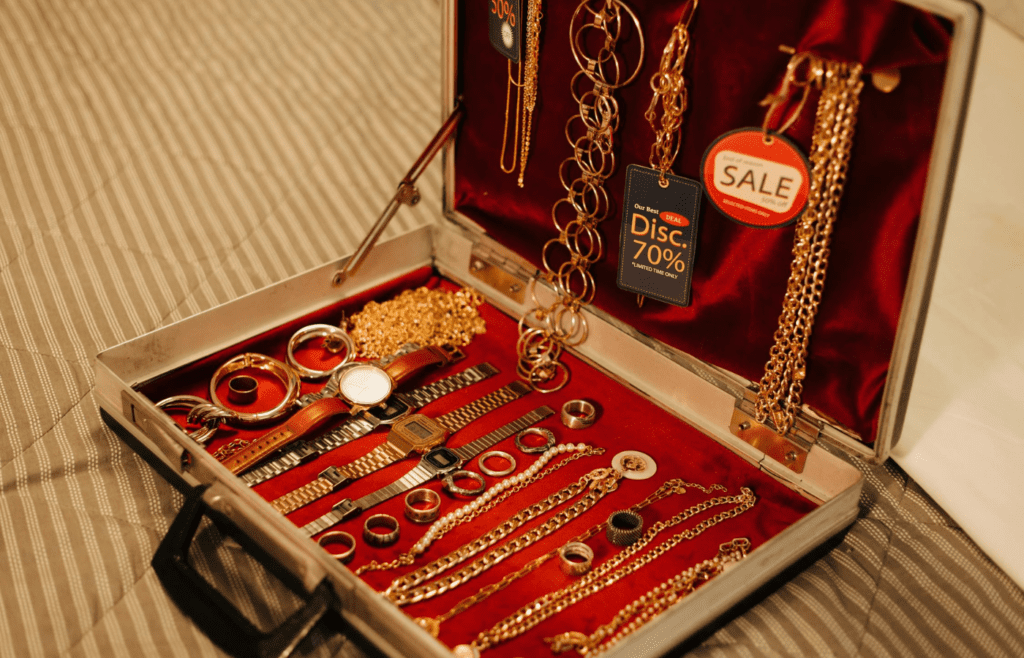
22. Bling
“Bling” exploded in the early 2000s and quickly became shorthand for flashy jewelry or visible wealth. People still understand it, but the word now feels more dated.
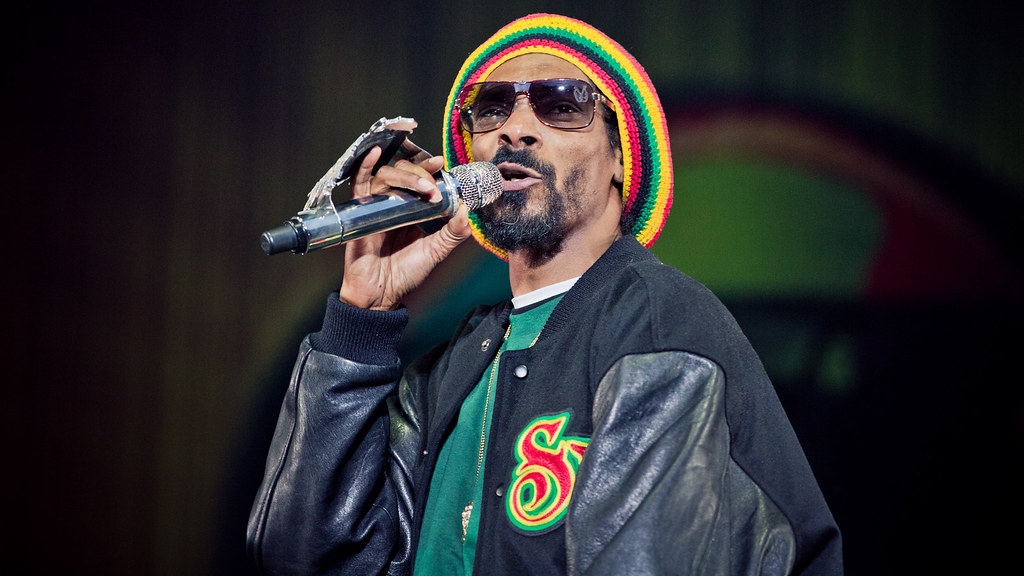
21. Fo’ shizzle
Snoop Dogg made this one famous, and the phrase still points straight to the early 2000s. Anyone using it now is almost certainly leaning into the joke.

20. Yolo
“Yolo” had a brief but intense life as a motto for reckless decisions and dramatic captions. The phrase is deeply tied to the early 2010s.
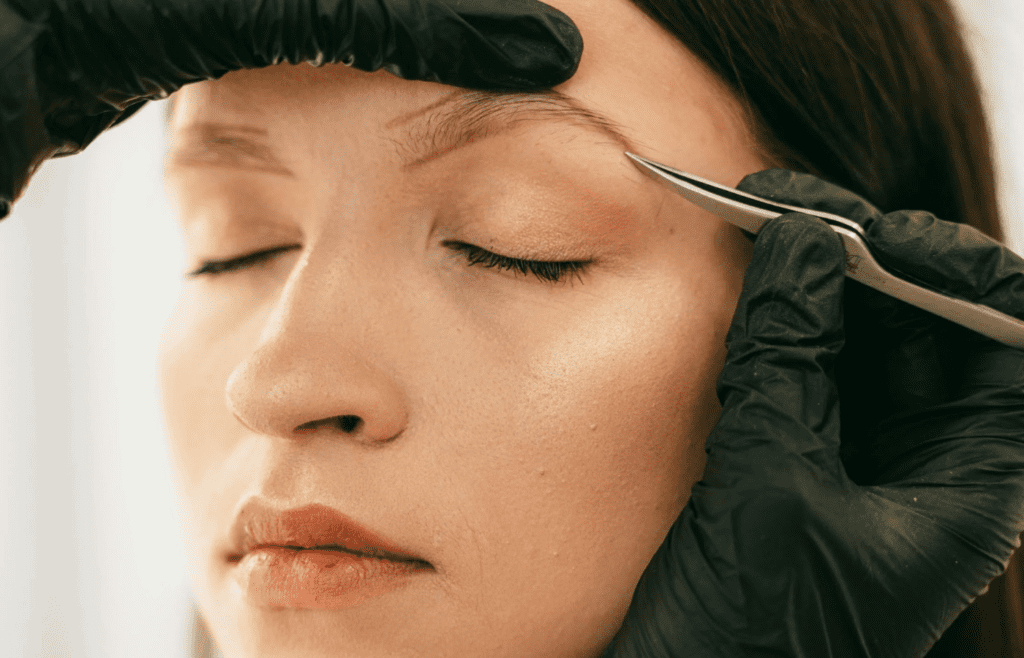
19. On Fleek
For a short stretch in 2014, nearly anything polished or impressive could be “on fleek.” The phrase burned bright, faded fast, and now mostly survives as a marker of an online moment.

18. Cray-Cray
“Cray-cray” was one of those expressions people repeated for a while because it sounded playful. Time has not been especially kind to it.

17. Cheugy
“Cheugy” arrived as a Gen Z label for trends seen as dated, overly curated, or trying too hard. The word feels very tied to social media and to generational side-eye aimed squarely at millennials.

16. Adulting
Millennials embraced “adulting” as a way to joke about bills, chores, and other responsibilities nobody had properly advertised in childhood. The term still gets used and is tied to millennial self-awareness.

15. Lit
“Lit” has had more staying power than many slang words because it kept evolving. Its strongest generational tie, though, still lies in the 2010s, especially in party culture, music, and internet culture.

14. Dank
“Dank” originated in one context and then entered meme culture, where it found a second life. The word now feels closely tied to online humor and a very internet-shaped kind of millennial and Gen Z overlap.

13. Slaps
When Gen Z says a song or meal “slaps,” the meaning is clear right away. The term feels current enough to survive for now, though slang that sounds fresh rarely gets a long guarantee.

12. No Cap
“No cap” became a go-to way of saying “I’m serious” or “I’m not lying.” The phrase is strongly tied to Gen Z speech and to platforms where quick, emphatic language matters.

11. Sus
“Sus” went mainstream through gaming culture and spread fast after Among Us. The word is short, useful, and almost too easy to apply.

10. Wassup?
“Wassup?” had already existed in speech, but the Budweiser ads burned the phrase into early-2000s pop culture. Now it sounds more like a callback than a normal greeting.

9. Burn
Calling out a sharp insult with “burn” had a very specific 2000s energy. The phrase still works as a reference, but nobody sounds accidentally current when they say it.

8. Hella
“Hella” started as Northern California slang, then spread far beyond that origin. The word still has life, but it also carries a strong Gen X and millennial signal depending on who says it.

7. Booyah
“Booyah” had its moment in sports media and loud celebratory speech. Today, the word feels less like slang and more like something that escaped from an older highlight reel.

6. Wig Snatched
“Wig snatched” came through drag culture and internet speech as a way to describe shock, admiration, or dramatic surprise. The phrase has a newer feel, but it also depends heavily on context.

5. Fire
Calling something “fire” has crossed several age groups, giving the word more staying power than most slang does. The strongest association still sits with younger millennials and Gen Z speech.

4. Bet
“Bet” works because it can mean agreement, acceptance, or a challenge depending on tone. The word sounds natural to younger speakers and noticeably less natural when older generations test-drive it.

3. It’s Giving
“It’s giving” is deeply tied to online style commentary and Gen Z phrasing. The expression lets people describe a vibe without fully finishing the sentence.

2. Bussin’
“Bussin’” is one of those words that spreads because it sounds vivid and easy to use. Food content helped push it everywhere, and now the term feels firmly attached to younger social-media-driven slang.

1. As If!
“As if!” remains locked to the 1990s thanks to Clueless and the attitude attached to it. Plenty of people still quote it, but nobody hears the phrase without also hearing an entire decade in the background.
Slang never stays still for long, but old phrases rarely lose their fingerprints. A word can travel, fade, return as a joke, or show up in a new form, yet the generation behind it still tends to show through.
Read More:
- 30 Throwback Moments Only ’80s Kids Will Understand
- 15 Things Boomers Did Right About Retirement That Millennials Ignore
- 10 Financial Fixes Gen X Shouldn’t Put Off Any Longer
Ask us! What questions do you have about content, strategy, pop culture, lifestyle, wellness, history or more? We may use your question in an upcoming article!
Like MediaFeed’s content? Be sure to follow us.
This article originally appeared on Resourcebuzz and was syndicated by MediaFeed.co.