
15 Foods That Seem Healthy but Often Aren’t
Many foods earn a “healthy” reputation simply because of clever marketing, trendy ingredients, or decades-old nutrition advice. But a healthy label doesn’t always tell the whole story.
That doesn’t mean these foods are bad for you. In many cases, they’re perfectly fine in moderation. The real problem is that consumers often assume they’re healthier than they actually are. Here are 15 everyday foods that may not be as nutritious as their reputation suggests.

15. Smoothies From Cafes and Juice Bars
A fruit smoothie sounds healthy, but many store-bought versions contain hundreds of calories and as much sugar as a soft drink. Large portions, fruit juice concentrates, sweetened yogurt, and syrups can quickly turn a nutritious snack into a dessert.
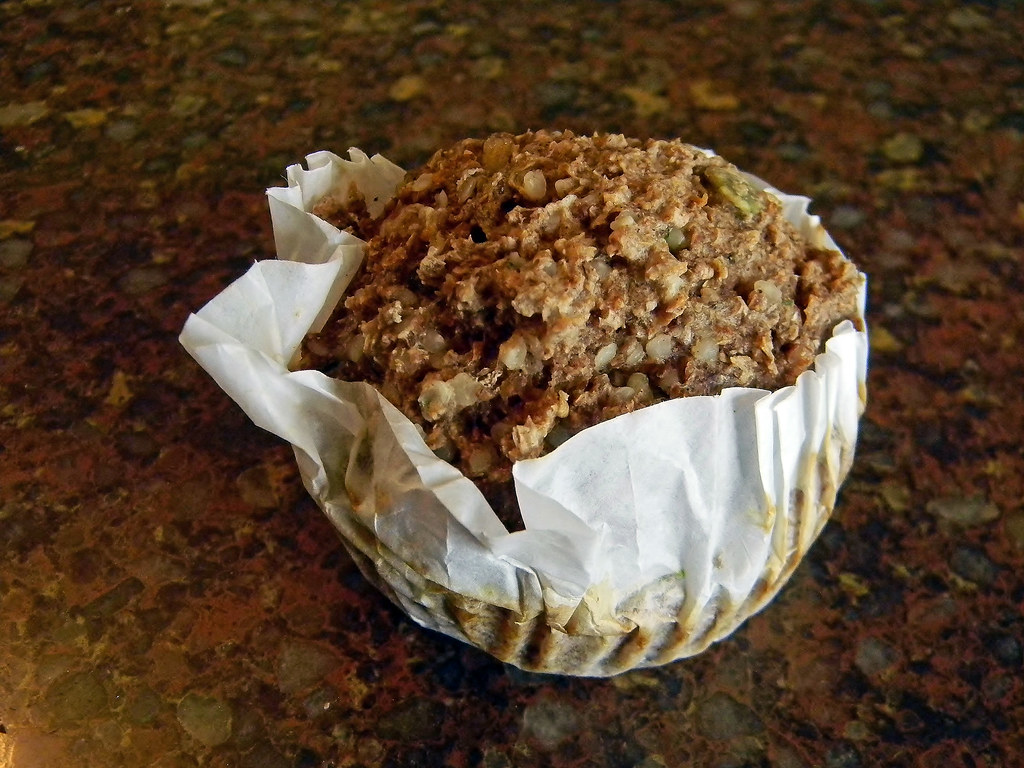
14. Bran Muffins
Bran muffins have long been marketed as a healthier alternative to pastries. Unfortunately, many bakery versions are loaded with sugar, refined flour, and enough calories to rival a slice of cake.
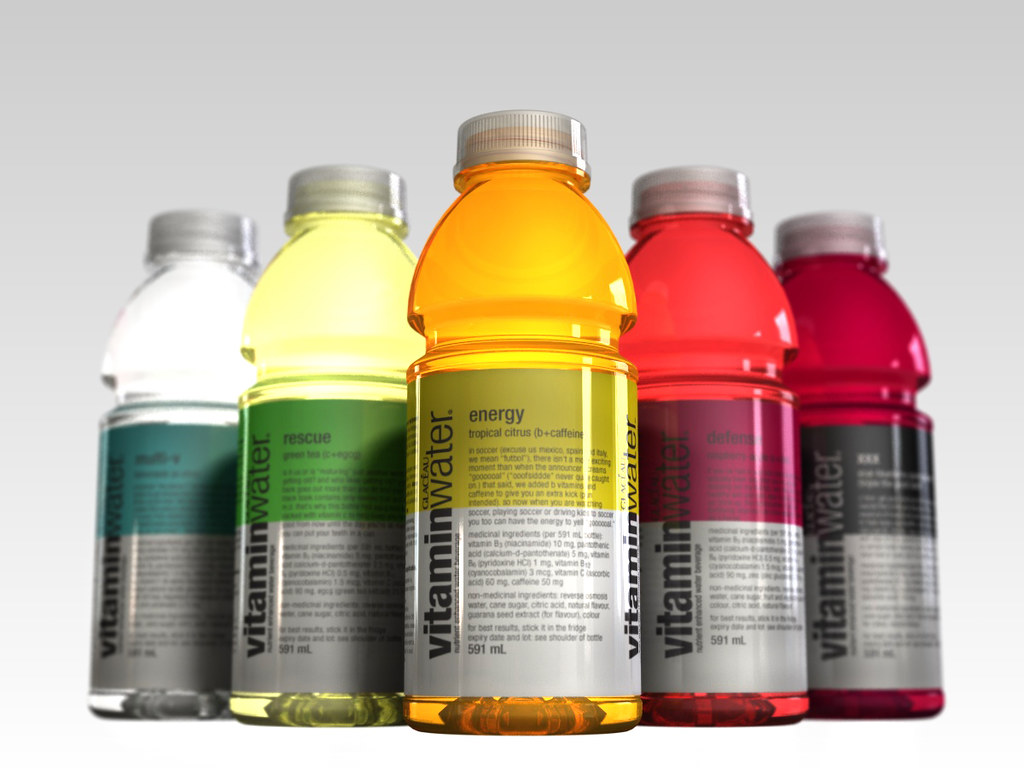
13. Vitamin-Enhanced Water
Vitamin water products often sound like a nutritional upgrade, but many contain added sugars or sweeteners. Most people can get the vitamins they need through a balanced diet without paying extra for fortified beverages.

12. Packaged Deli Turkey
Turkey is naturally a lean protein, but many processed deli slices contain surprisingly high amounts of sodium, preservatives, and additives. Reading labels carefully can help you find healthier options.
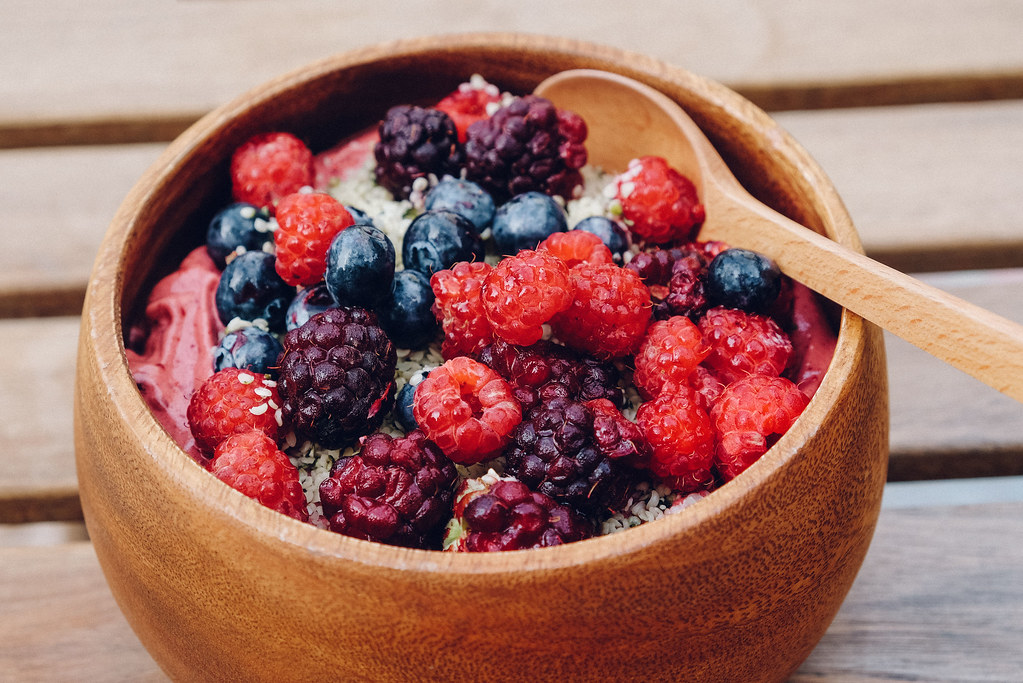
11. Acai Bowls
Acai berries are nutritious, but many acai bowls come topped with granola, honey, nut butters, and sweetened fruit. The result can be a breakfast that contains more calories and sugar than expected.
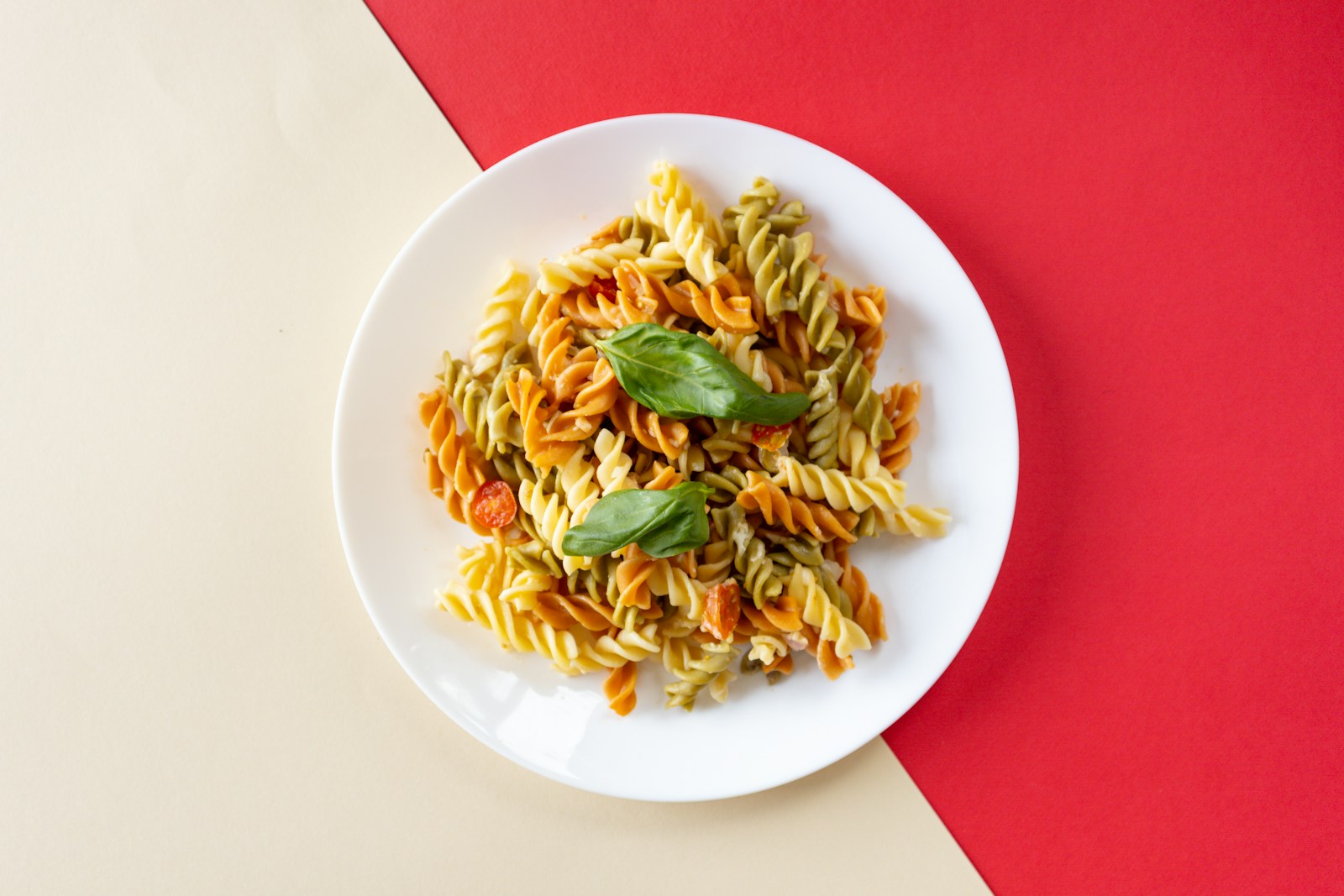
10. Vegetable Pasta
Vegetable-based pasta sounds healthier, but many products still rely heavily on refined flour. While some contain added vegetables, they aren’t always significantly different from traditional pasta in terms of calories or carbohydrates.
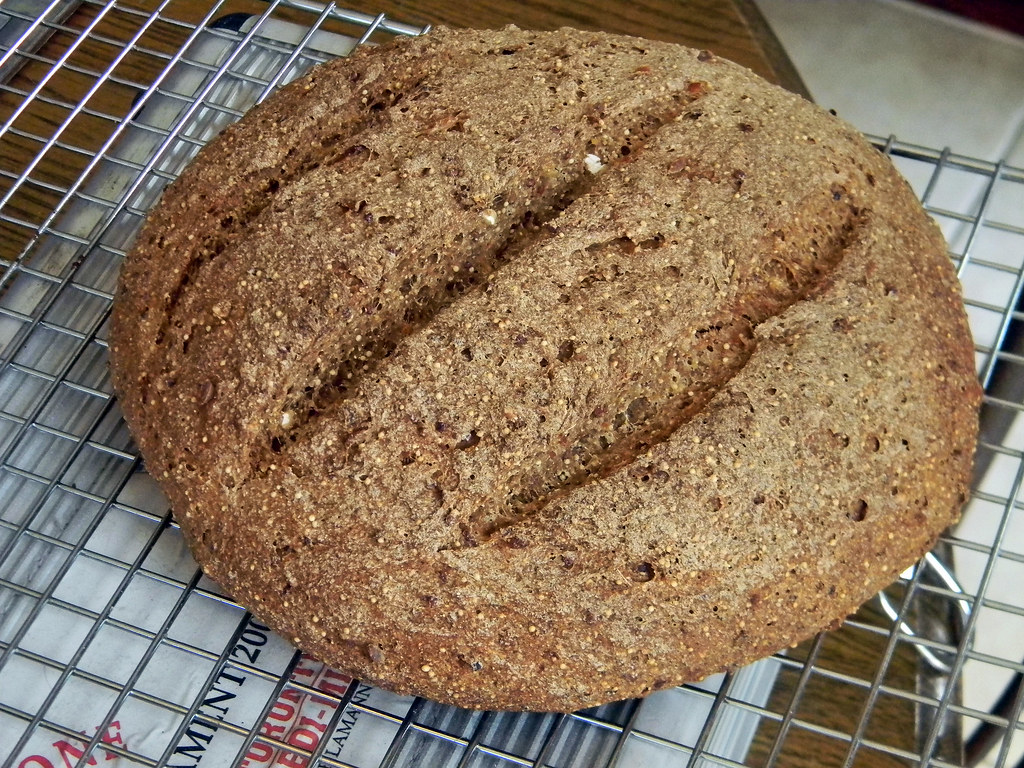
9. Multigrain Bread
Many shoppers assume “multigrain” means healthy, but it simply means multiple grains were used. Unless those grains are whole grains, the bread may offer little nutritional advantage over white bread.
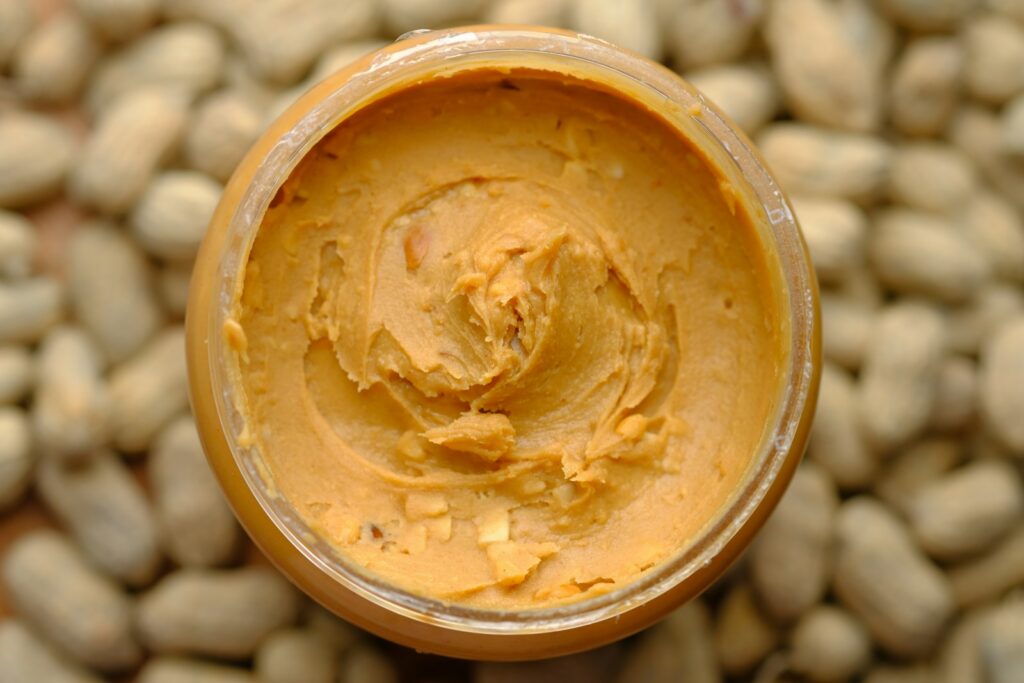
8. Reduced-Fat Peanut Butter
When manufacturers remove fat, they often replace it with sugar, fillers, or stabilizers. Since peanut butter’s natural fats are largely heart-healthy, many nutrition experts recommend choosing natural peanut butter instead.
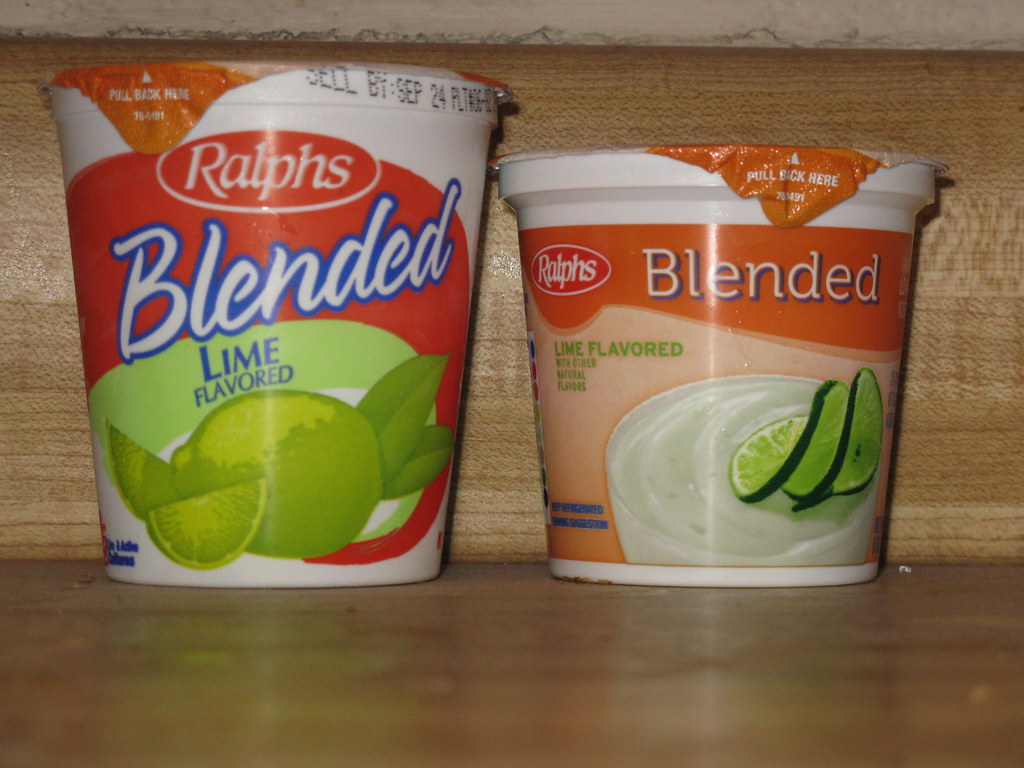
7. Flavored Yogurt
Yogurt can be a healthy source of protein and probiotics, but flavored varieties often contain significant amounts of added sugar. Plain Greek yogurt with fresh fruit is often a more nutritious choice.
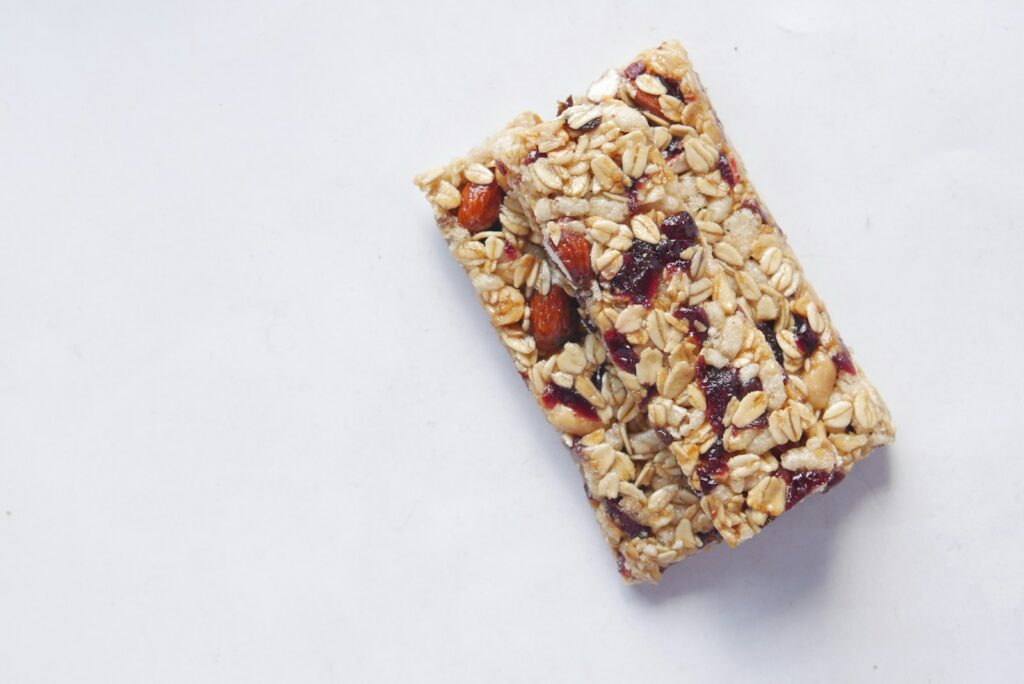
6. Protein Bars
Some protein bars contain nearly as much sugar and calories as candy bars. While they can be convenient, they’re not always the healthy snack many consumers assume they are.
5. Instant Flavored Oatmeal
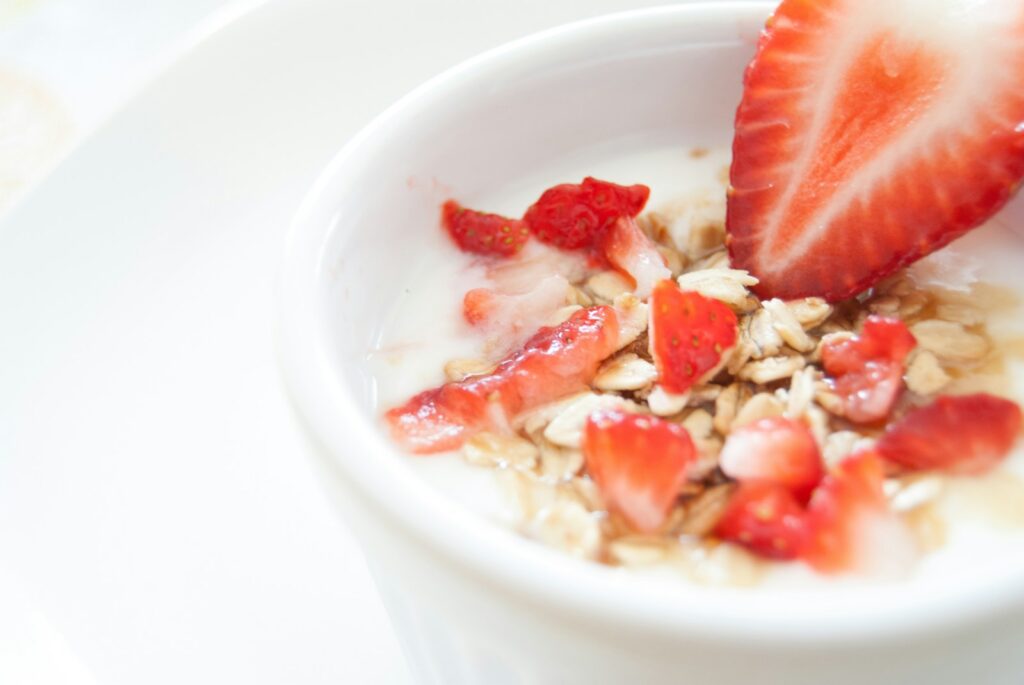
Oatmeal itself is an excellent source of fiber, but flavored packets often come with added sugars and artificial flavorings. Plain oats with your own toppings provide more control over nutrition.
4. Veggie Chips
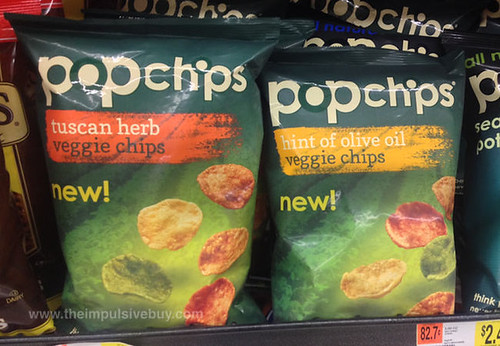
Veggie chips may contain vegetable powders or ingredients, but many are still highly processed and fried. They often provide fewer nutrients than consumers expect and aren’t much different from traditional chips.
3. Fruit Juice
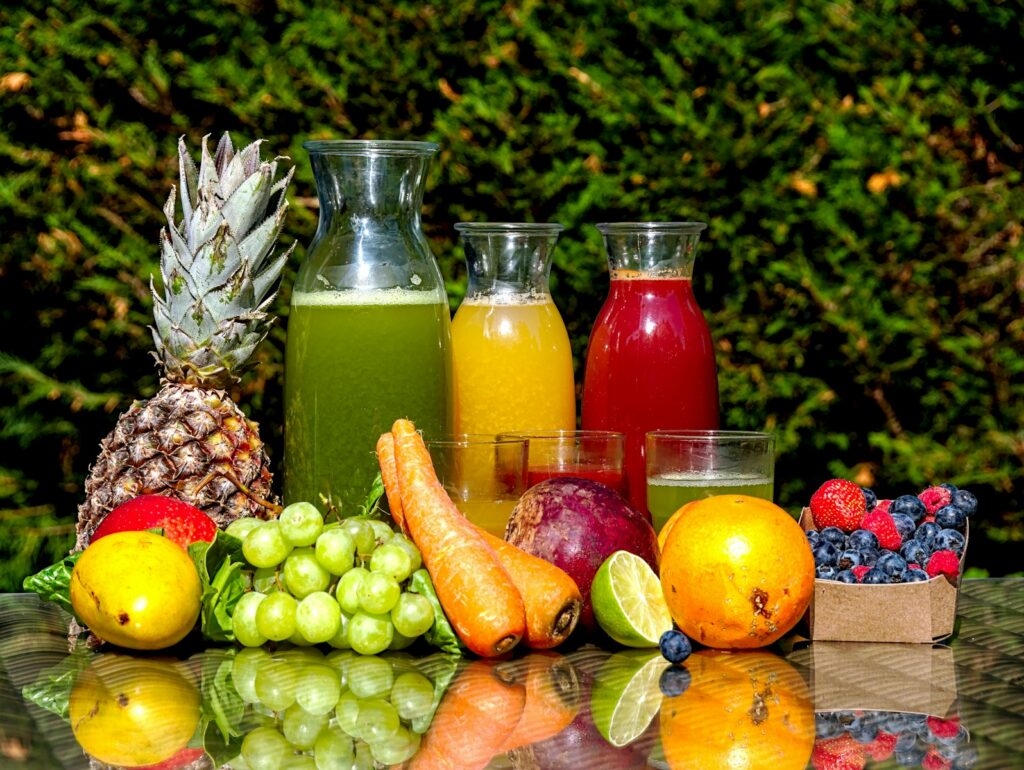
Even 100% fruit juice lacks the fiber found in whole fruit. Because it’s easy to drink several servings quickly, juice can deliver a concentrated dose of sugar without providing the same feeling of fullness.
2. Granola
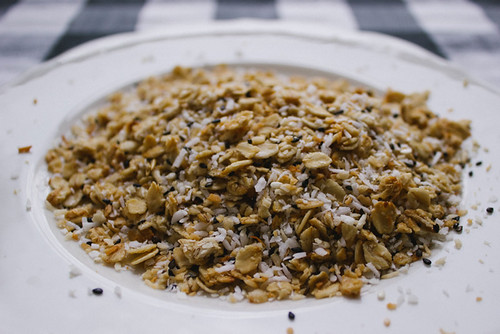
Granola’s wholesome image can be misleading. Many varieties contain added oils, sweeteners, and calorie-dense ingredients that can make portions add up quickly.

1. Low-Fat Yogurt
For years, low-fat yogurt was considered a health-food staple. Today, many experts point out that removing fat often means adding sugar to improve taste. Choosing yogurt based on overall nutrition rather than fat content alone may be the smarter move.
Read More:
- These 15 “Healthy” Foods Are Way More Popular Than They Are Tasty
- 15 Health Myths Medical Experts Wish Would Finally Go Away
- 15 Clever Ways to Drink More Water Every Day (Without Trying Hard)
Ask us! What questions do you have about content, strategy, pop culture, lifestyle, wellness, history or more? We may use your question in an upcoming article!
Like MediaFeed’s content? Be sure to follow us.
This article originally appeared on Resourcebuzz and was syndicated by MediaFeed.co.