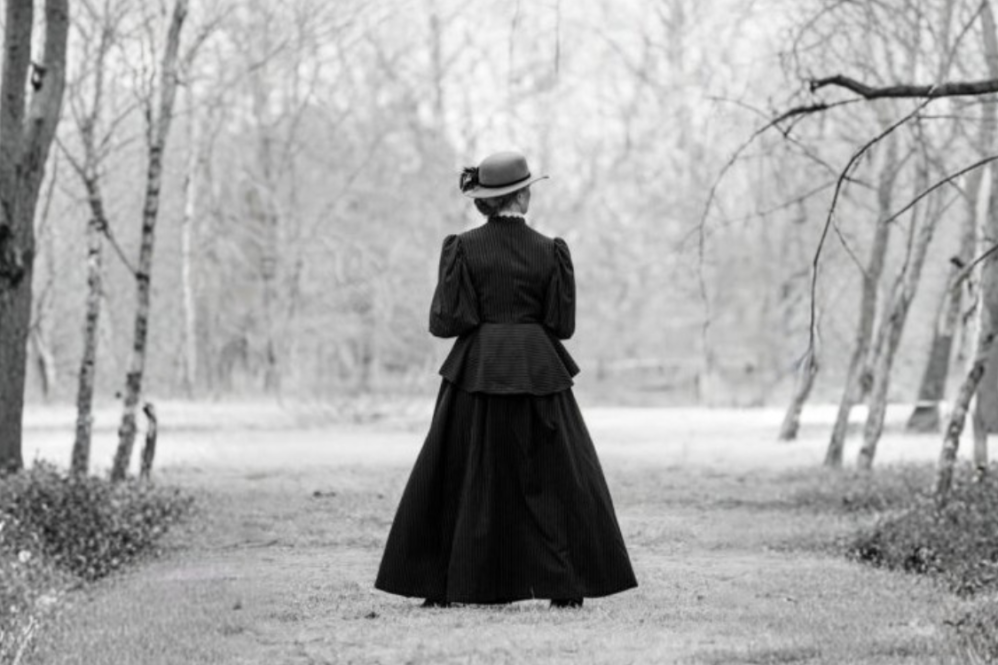
10 Victorian Mourning Traditions That Feel Almost Unbelievable
The Victorians didn’t shy away from grief. In fact, mourning became a visible part of everyday life, with customs that governed everything from clothing to social events. Many of these traditions were influenced by the death of Prince Albert in 1861 and Queen Victoria’s famously long period of mourning.
Today, these practices can seem elaborate or even surprising, but they reflected an era when death was a far more familiar part of daily life.
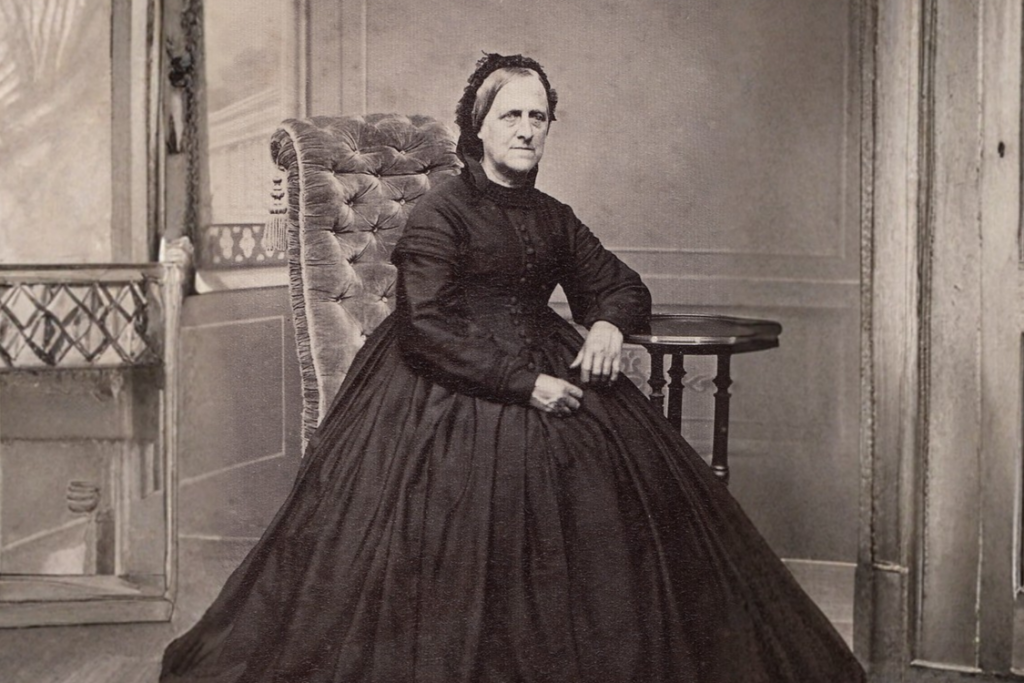
10. Mourning Had Its Own Dress Code
Victorian mourning wasn’t simply about wearing black for a funeral.
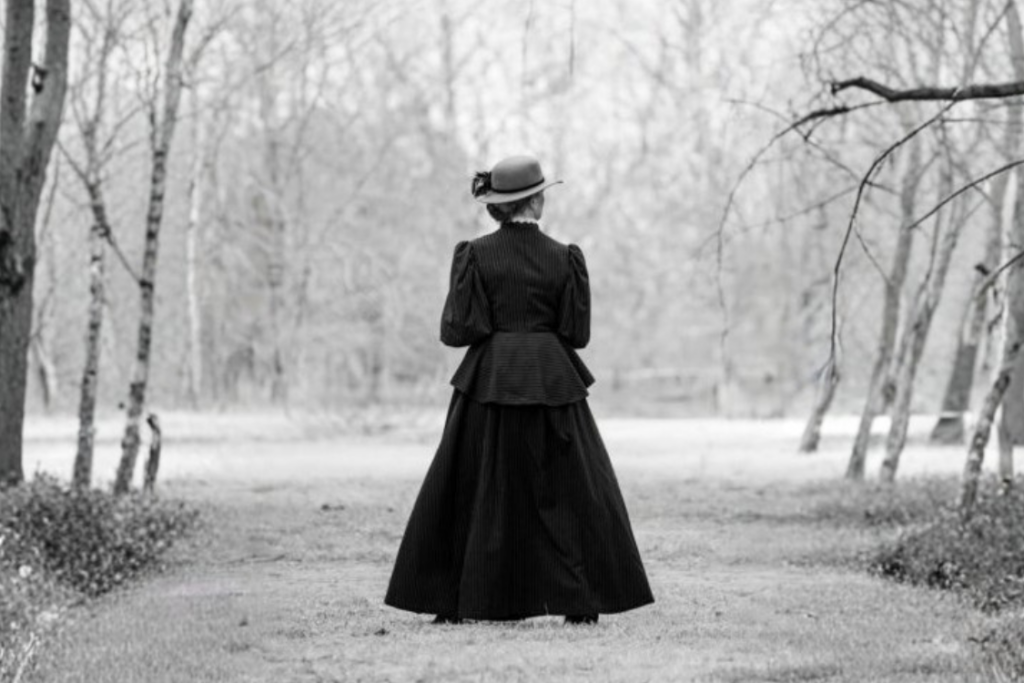
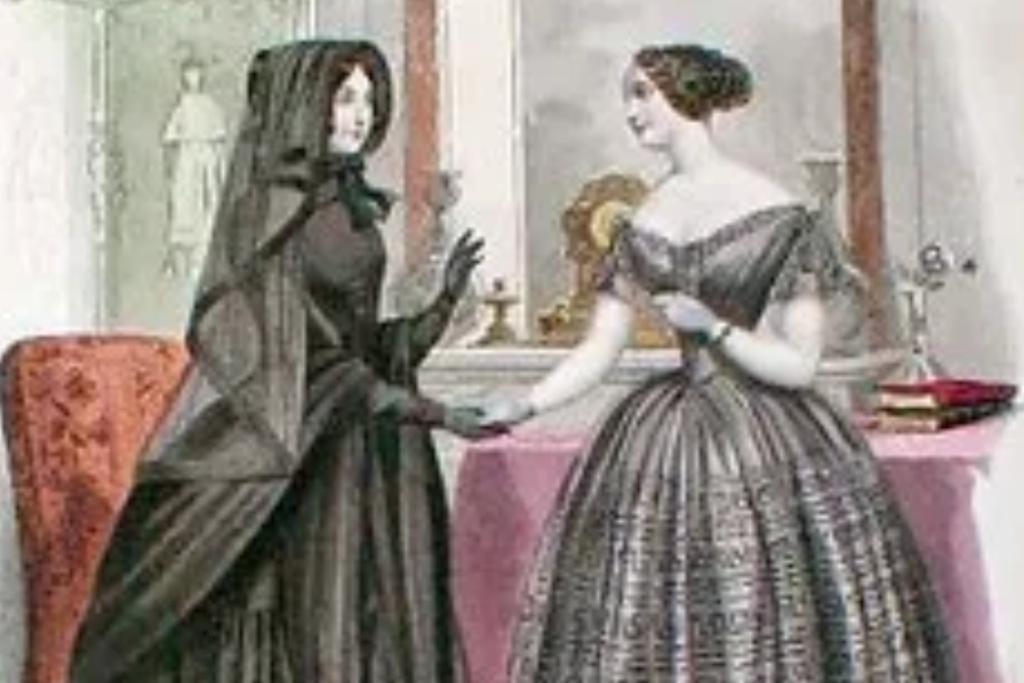
Etiquette guides outlined different stages of mourning, each with its own expectations for clothing, fabrics, and accessories. Close family members often wore plain black clothing during the earliest stage before gradually introducing muted colors as time passed.
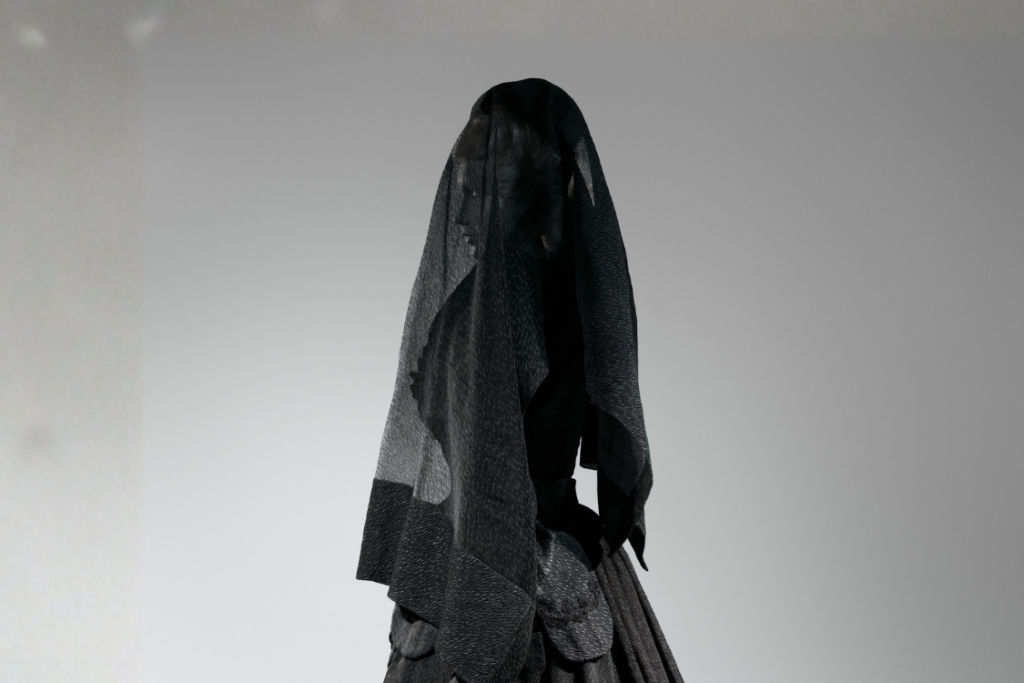
9. Widows Could Mourn for Years
The expected mourning period depended on the relationship.
Widows were often encouraged to remain in full mourning for a year or longer, sometimes followed by additional months of “half mourning,” when softer colors like gray, lavender, or mauve became socially acceptable.
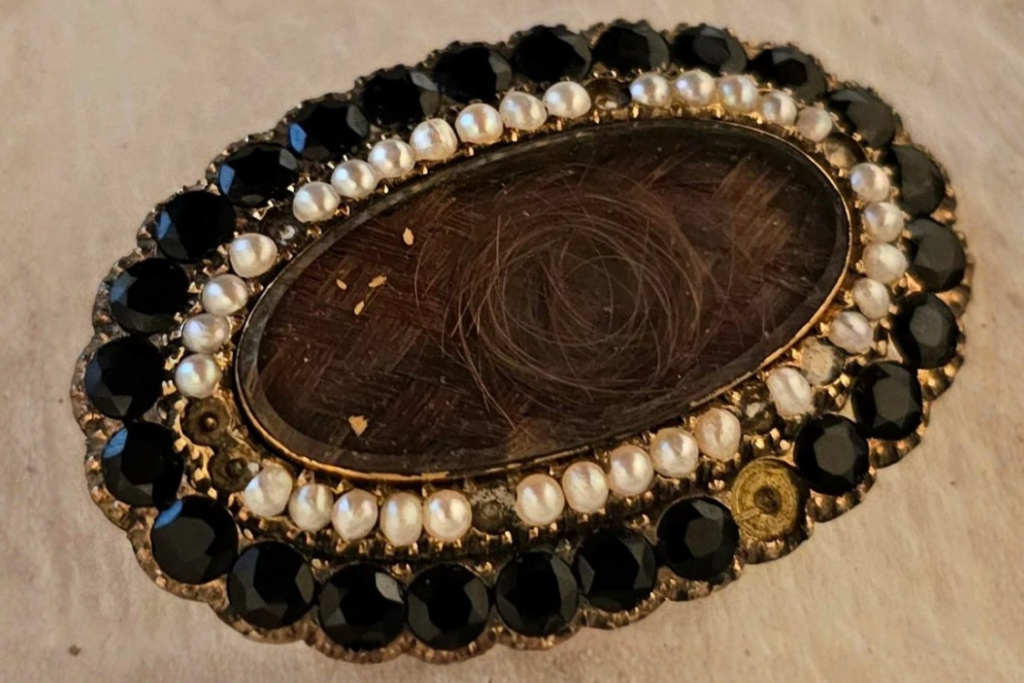
8. Jewelry Was Made From Hair
Locks of a loved one’s hair were often woven into rings, brooches, bracelets, lockets, and watch chains.
Because hair remains intact long after death, it became a deeply personal keepsake. Hair jewelry was also exchanged during life, but memorial pieces became especially meaningful after a death.
7. Mirrors Were Sometimes Covered
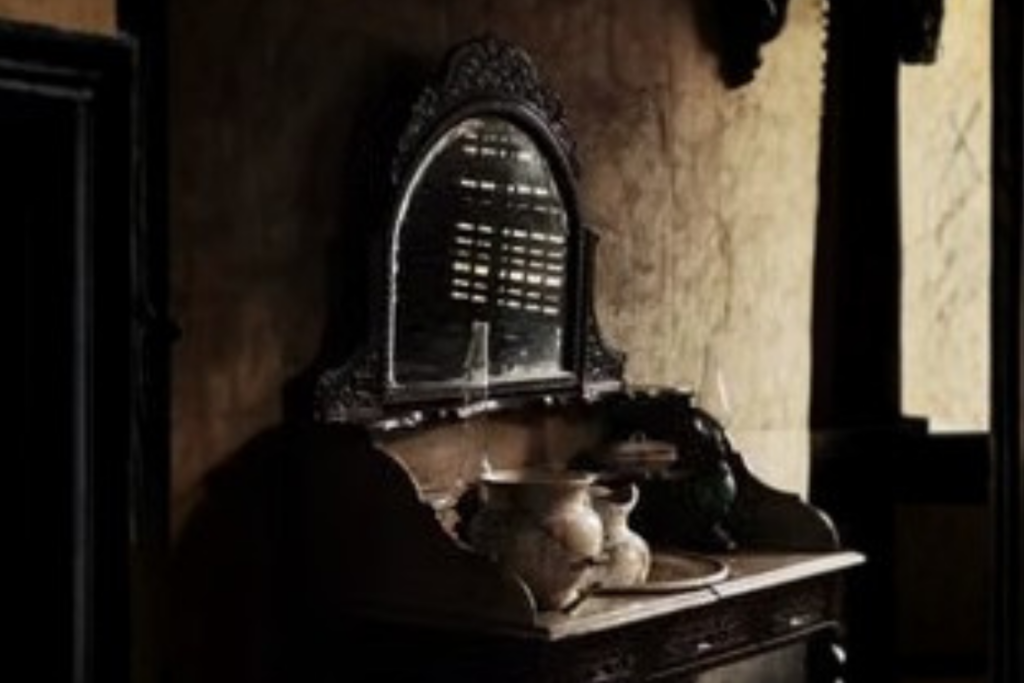
In some Victorian households, mirrors were covered after a death.
The practice drew from older religious and European folk traditions rather than official Victorian etiquette, with various beliefs suggesting mirrors should be covered during periods of mourning or while the deceased remained in the home.
6. Homes Displayed Mourning Stationery
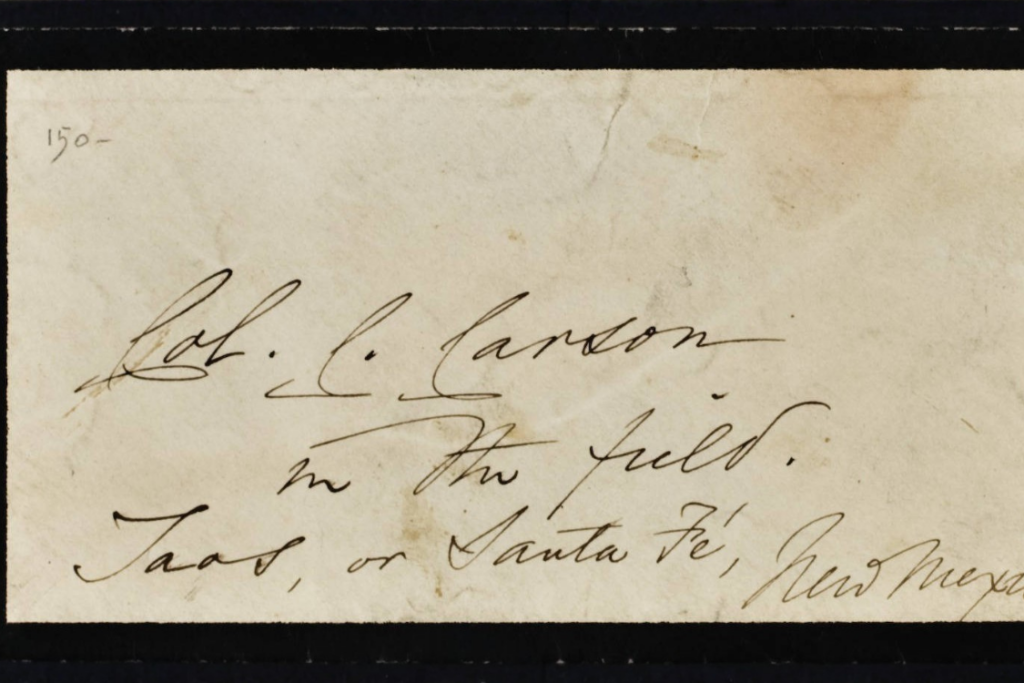
Even correspondence reflected a family’s loss.
Letters written during mourning were often bordered with black edging, immediately signaling to recipients that the writer had experienced a recent bereavement.
5. Social Lives Were Put on Hold
People in mourning were generally expected to avoid dances, lavish parties, theatrical performances, and other festive social events.
The closer the relationship to the deceased, the longer these restrictions often lasted.
4. Funeral Processions Were Major Public Events
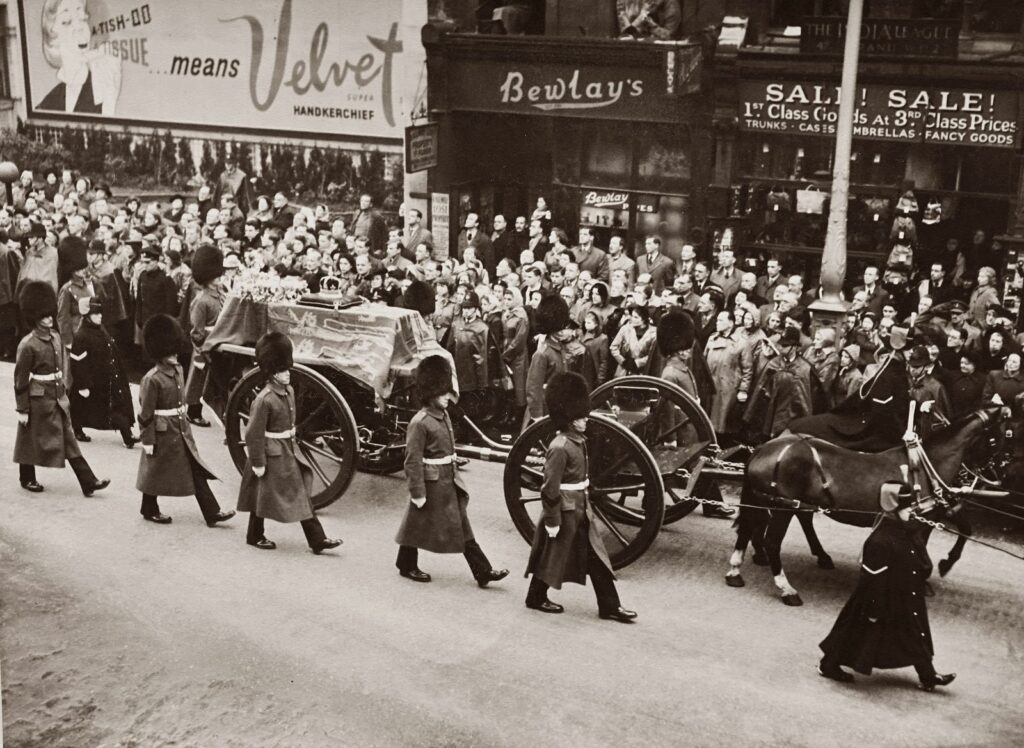
Victorian funerals could be remarkably elaborate, especially for wealthy or prominent families.
Horse-drawn hearses, long processions, black plumes, mourning coaches, and carefully arranged displays reflected both respect for the deceased and, in many cases, the family’s social standing.

3. Cemeteries Became Places to Visit
Victorian cemeteries weren’t viewed solely as places of sorrow.
Many were beautifully landscaped “garden cemeteries” where families strolled, reflected, picnicked, and visited loved ones’ graves. They also served as some of the earliest public green spaces in growing cities.
2. Flowers Carried Hidden Messages
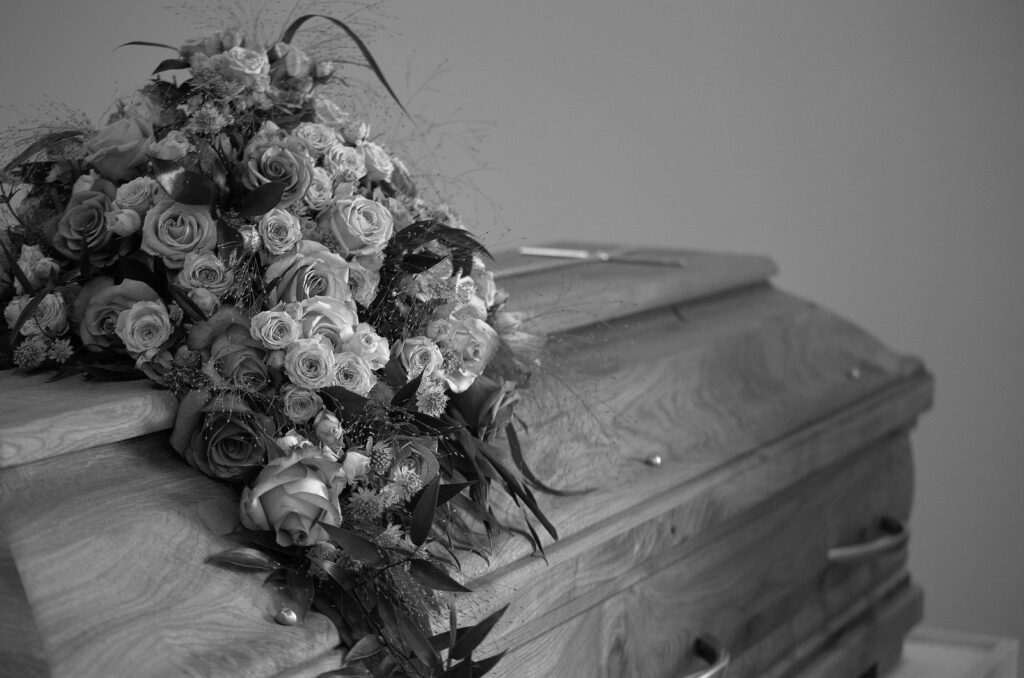
Victorians embraced the “language of flowers,” or floriography.
Different flowers conveyed different meanings, and funeral arrangements were often chosen with symbolism in mind. Lilies, rosemary, ivy, forget-me-nots, and evergreens all carried associations with remembrance, fidelity, hope, or eternal life.
1. Mourning Followed an Entire Social Rulebook
Perhaps the most remarkable tradition wasn’t any single custom.
It was how carefully grief itself was structured. From clothing and jewelry to invitations, letters, social calls, and even the acceptable length of mourning, Victorian society developed an intricate etiquette surrounding loss. While those expectations may seem overwhelming today, they reflected a culture that treated mourning as something to be publicly acknowledged rather than quietly hidden.
Read More:
- The 10 Deadliest Beauty Trends in History
- 15 Historical Etiquette Rules That Sound Absurd Today
- 12 Strange Jobs That No Longer Exist
Ask us! What questions do you have about content, strategy, pop culture, lifestyle, wellness, history or more? We may use your question in an upcoming article!
Like MediaFeed’s content? Be sure to follow us.
This article originally appeared on Resourcebuzz and was syndicated by MediaFeed.co.