10 Strange Things Victorians Thought Were Good for You
The Victorians cared deeply about health, hygiene, and self-improvement. The problem was that medical science was still evolving, and many treatments that seemed perfectly sensible in the 1800s now sound surprising, ineffective, or even dangerous.
From everyday remedies to fashionable wellness trends, these are 10 strange things many Victorians believed were good for you.

10. Taking Seaside Holidays
Victorian doctors frequently prescribed trips to the seaside.
Fresh sea air, saltwater bathing, and long walks along the coast were thought to improve everything from low spirits to chronic illnesses. While the sea couldn’t cure every ailment, spending time outdoors and staying active probably did many people some good.
9. Drinking Mineral Water
Natural mineral springs became major wellness destinations during the Victorian era.
Many people believed mineral-rich waters could improve digestion, ease aches and pains, and restore overall health. Spa towns flourished as visitors traveled long distances to “take the waters.”

8. Wearing Wool Next to the Skin
Many Victorians believed wool helped regulate body temperature and protect against illness.
Doctors and health reformers sometimes recommended woolen undergarments year-round, arguing they promoted circulation and reduced the risk of catching a chill.
7. Cod Liver Oil
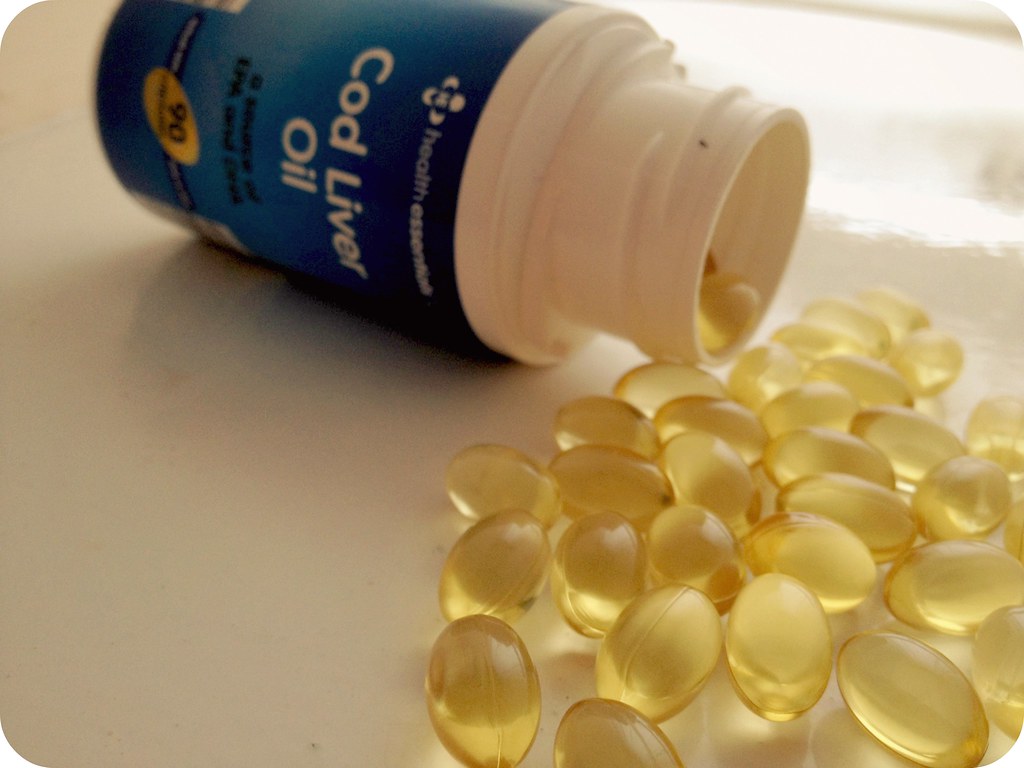
Few childhood remedies were as dreaded as cod liver oil.
Rich in vitamins A and D, it was commonly given to children and adults to support growth, strengthen bones, and improve general health. Despite its unpleasant taste, this is one Victorian remedy that modern nutrition has partly vindicated.
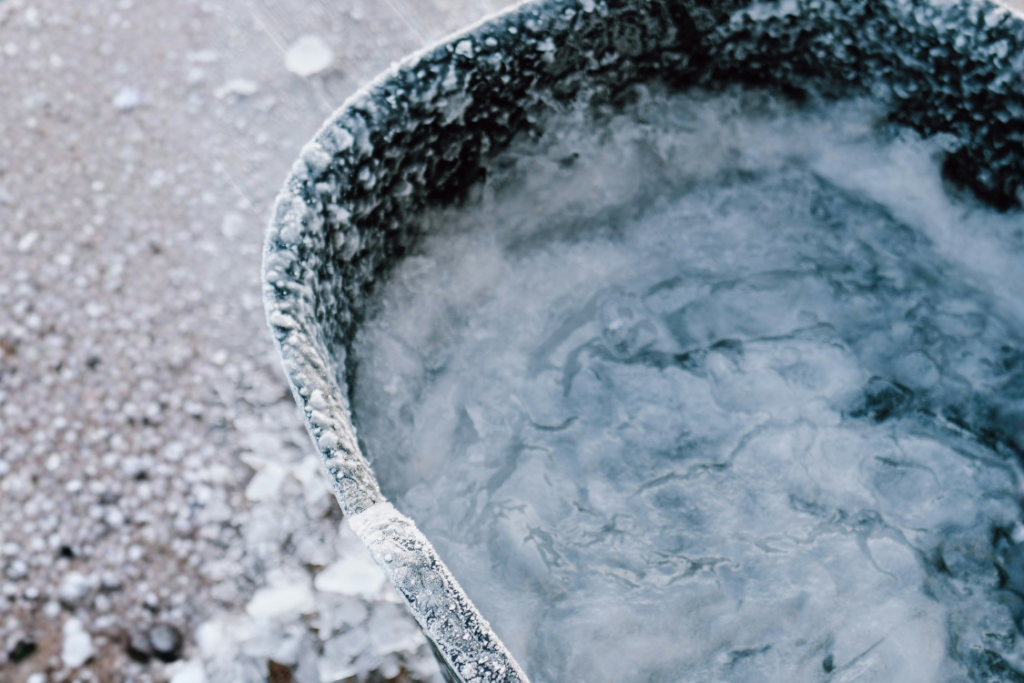
6. Cold Baths
A brisk cold bath was considered by some health advocates an excellent way to strengthen both body and character.
Advocates believed it stimulated circulation, increased energy, and built resilience. While not everyone enjoyed the experience, cold-water bathing remained a popular health recommendation throughout the era.

5. Long Walks in the Fresh Air
Victorian physicians often encouraged daily walks, particularly in parks and the countryside.
Fresh air was believed to benefit both physical and mental health. Although some of the reasoning has changed, regular exercise and time outdoors remain good advice today.
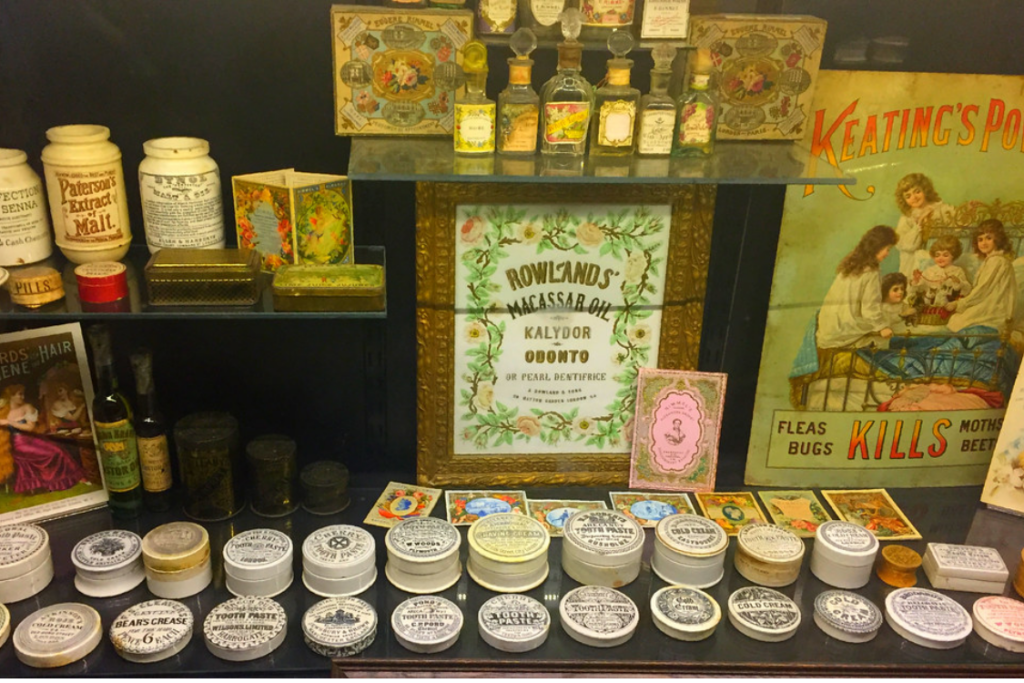
4. Arsenic Beauty Products
Not every Victorian health trend aged well.
Small amounts of arsenic appeared in some beauty products and patent medicines, where they were promoted as a way to improve the complexion or create a fashionable pale appearance. We now know arsenic is highly toxic, making this one of the era’s more hazardous fads.
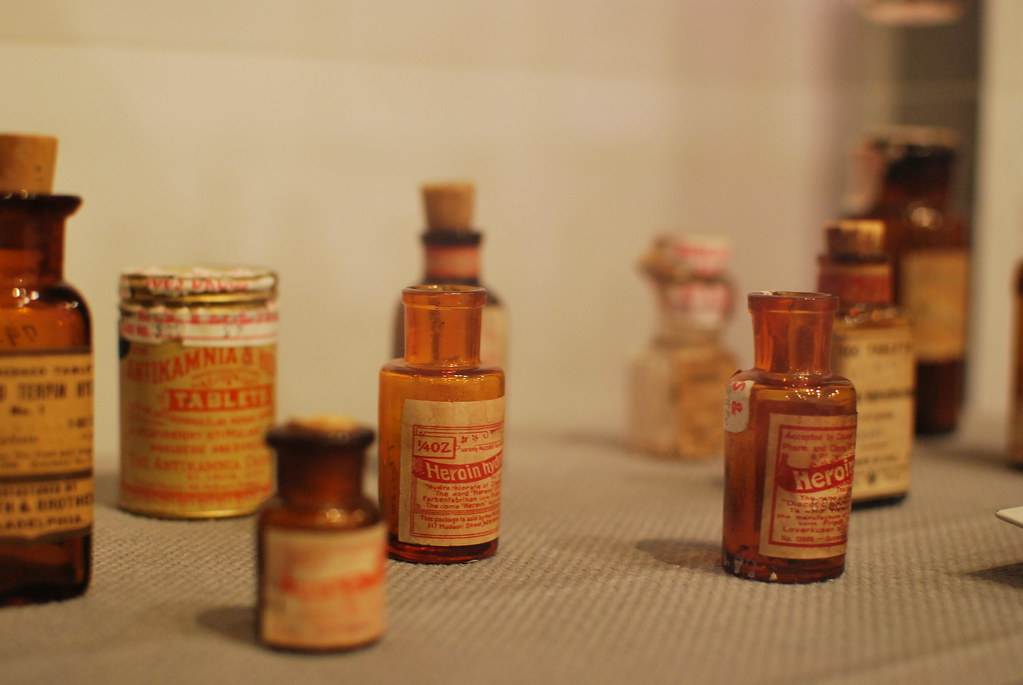
3. Cocaine and Opium Medicines
Before modern drug regulations, medicines containing cocaine or opium were sold for a wide range of complaints.
Victorians could purchase remedies for coughs, pain, insomnia, and digestive troubles that included ingredients now recognized as addictive and potentially dangerous. These products reflected the limited and gradually developing pharmaceutical oversight of the time.
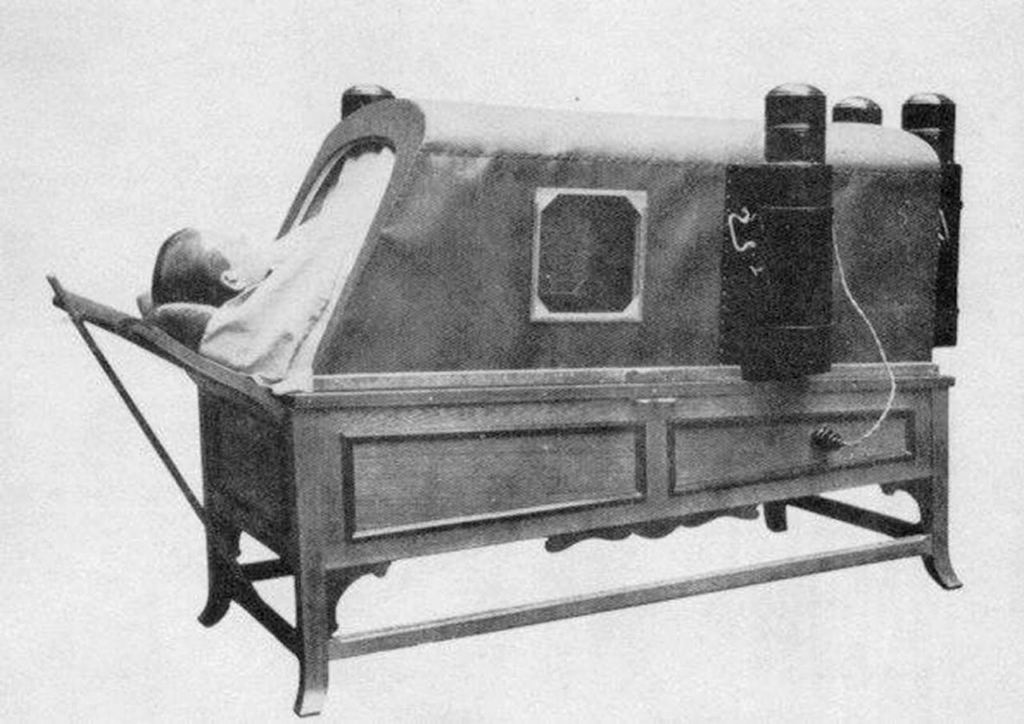
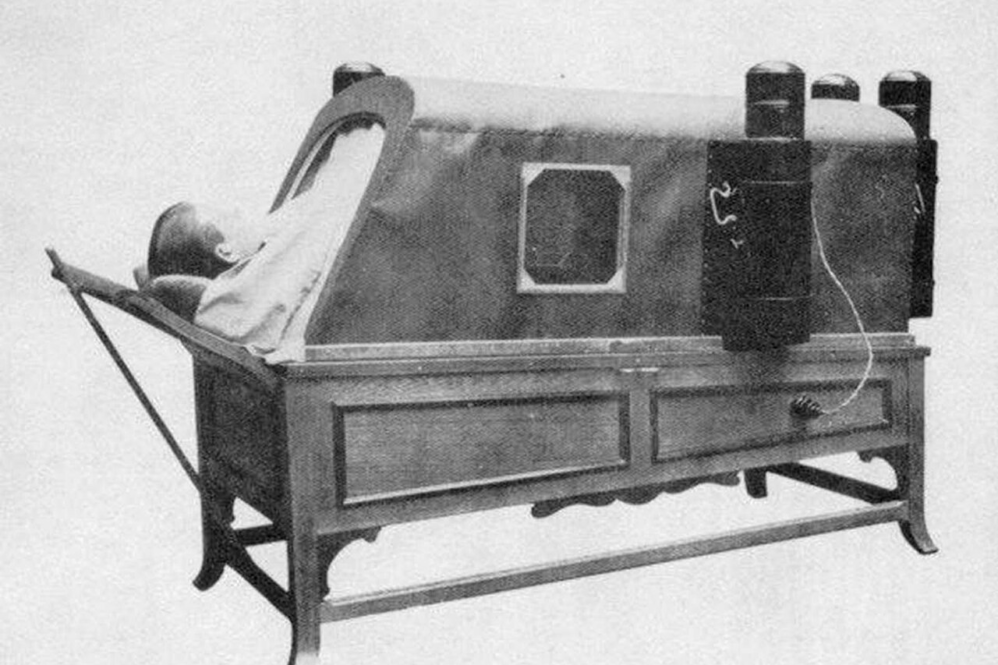
2. Electric Health Devices
Electricity fascinated the Victorian public, and inventors were eager to apply it to wellness.
A variety of electrical belts, brushes, and other gadgets promised to restore vitality, improve circulation, and cure numerous ailments. While electricity developed legitimate medical applications, many commercial products made claims that far exceeded the available evidence.
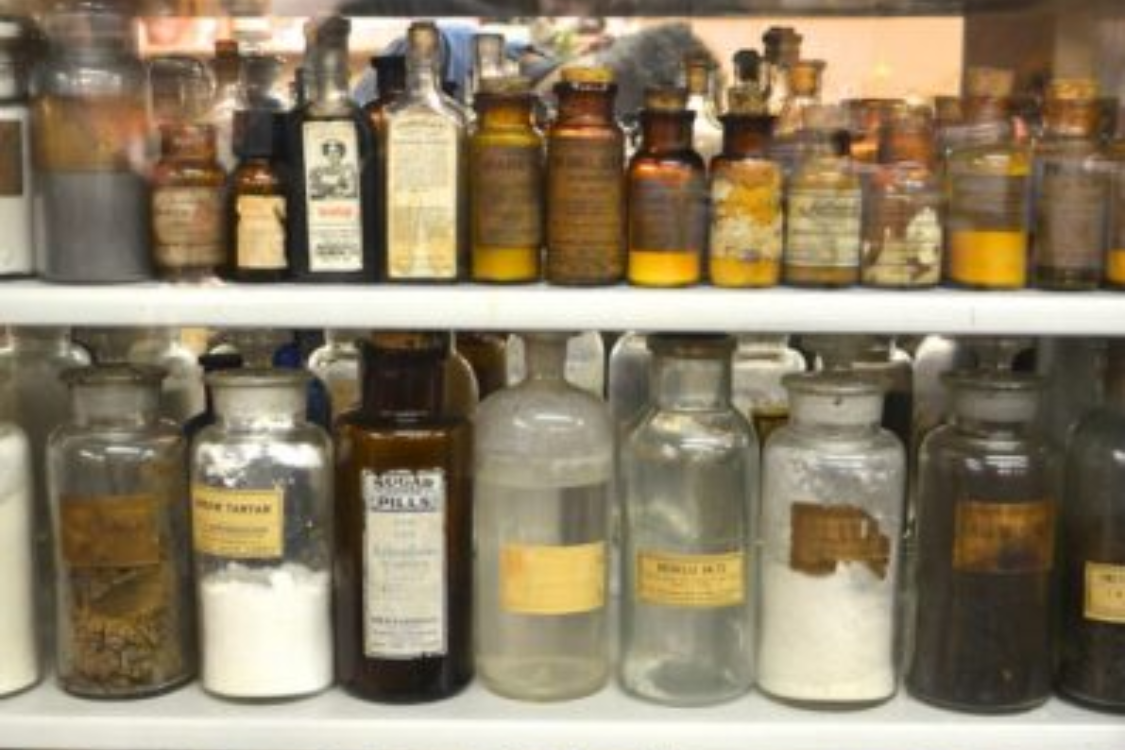
1. Patent Medicines That Promised Everything
Victorian pharmacies sold countless bottled remedies that claimed to cure an astonishing range of illnesses.
Many contained alcohol, herbal ingredients, stimulants, or narcotics, while others offered little more than hope in an attractive label. The popularity and dangers of these products eventually helped inspire stronger consumer protection laws and modern standards for testing and labeling medicines.
Read More:
- 10 Witchcraft Accusations That Changed History
- The 10 Deadliest Beauty Trends in History
- 15 Historical Etiquette Rules That Sound Absurd Today
Ask us! What questions do you have about content, strategy, pop culture, lifestyle, wellness, history or more? We may use your question in an upcoming article!
Like MediaFeed’s content? Be sure to follow us.
This article originally appeared on Resourcebuzz and was syndicated by MediaFeed.co.