
10 Realities of ’70s Latchkey Kids That Sound Made Up Today
For many children growing up in the 1970s, the school day ended long before the workday did. That meant walking home, letting yourself into an empty house, and figuring things out until an adult eventually returned.
The term “latchkey kid” came to describe a generation of children who regularly spent hours without adult supervision. Experiences varied widely, but some everyday realities of that era sound almost unbelievable now. Here are 10 things many ’70s latchkey kids were simply expected to handle on their own.

10. Wearing the House Key Around Your Neck
Losing your house key was not an option, so many kids wore it on a string or chain around their neck.
The key was both a practical necessity and a symbol of independence. You were trusted to get yourself home, unlock the door, and keep track of the one thing standing between you and several hours on the front steps.

9. Walking Home From School Alone
There was no parent tracking your location from a phone.
Many kids walked home alone or with siblings and friends, sometimes covering a considerable distance. The only real confirmation that they had arrived safely came when someone answered the home phone later.

8. Calling a Parent at Work to Say You Were Home
Once inside, many latchkey kids had one important responsibility: call Mom or Dad.
The conversation might last less than a minute. You were home, the door was locked, and everything was fine. After that, you were largely on your own until the workday ended.
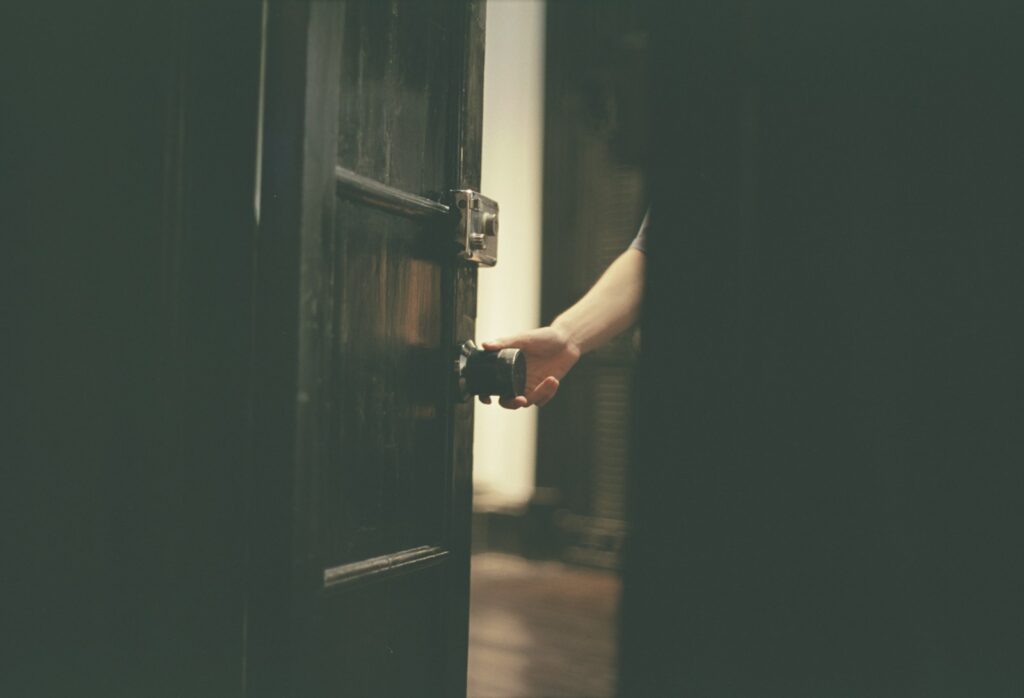
7. Being Told Not to Answer the Door
An unexpected knock created an immediate dilemma.
Kids were often told never to open the door for strangers and sometimes not to let anyone know they were home alone. That could mean staying completely silent until whoever was outside finally went away.

6. Making Your Own After-School Snack
There was no adult waiting with a carefully prepared snack.
Kids poured cereal, made sandwiches, heated canned food, or experimented with whatever they could find in the kitchen. Older children might even use the stove, an arrangement that relied heavily on the instruction to “be careful.”
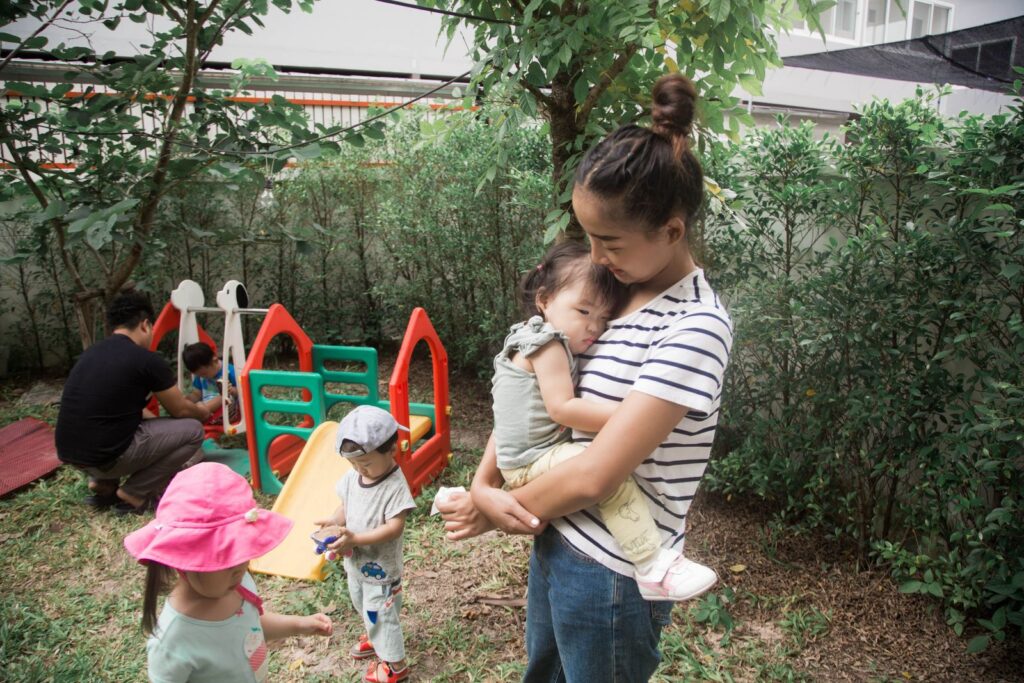
5. Taking Care of Younger Siblings
Some latchkey kids weren’t just responsible for themselves.
Older siblings might be expected to make snacks, settle arguments, help with homework, and keep younger children alive until a parent got home. The age difference between “child” and “babysitter” could be surprisingly small.

4. Knowing Exactly Which Neighbors to Call
Even independent kids usually had an informal emergency network.
A trusted neighbor might have a spare key, a nearby relative might be available by phone, or one adult on the block might keep an eye out for several children. The system was rarely formal, but everyone generally knew who could help.
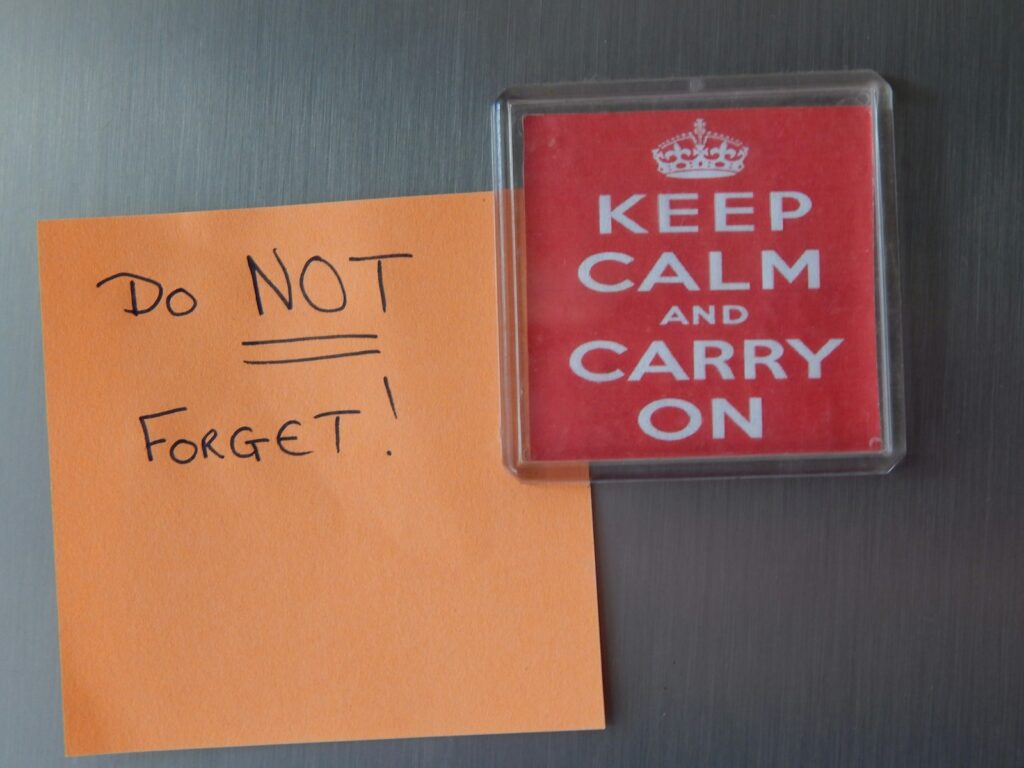
3. Following a List of Rules on the Refrigerator
Don’t open the door. Never tell anyone you’re alone. Don’t use the stove. Finish your homework. Call if something happens.
The rules varied by household, but many latchkey kids lived by a short list of instructions that had to cover nearly every situation an unsupervised child might encounter.

2. Spending Hours Without Talking to an Adult
There were no text messages checking in every few minutes.
Once the call to a parent’s workplace was finished, a child might spend the rest of the afternoon watching television, doing homework, playing outside, or simply being alone. Hours could pass before another adult asked what they were doing.

1. Being Expected to Handle Whatever Happened
This may be the hardest part of the latchkey era to imagine today.
A scraped knee, a power outage, a broken appliance, a sibling fight, or a strange noise outside usually had to be managed until an adult could be reached. Many children became remarkably self-reliant, though that independence often came from circumstances rather than choice.
Read More:
- 11 Ways Fatherhood Has Evolved Since the 1970s
- If You Grew Up in the ’70s, These 30 Things Will Hit Home
- 10 Sounds Every ’80s Kid Remembers
Ask us! What questions do you have about content, strategy, pop culture, lifestyle, wellness, history or more? We may use your question in an upcoming article!
Like MediaFeed’s content? Be sure to follow us.
This article originally appeared on Resourcebuzz and was syndicated by MediaFeed.co.