
10 Possible Reasons Younger People Are Developing Colon Cancer
Colon cancer has traditionally been associated with older age, but recent trends show an alarming increase in cases among younger individuals. This shift has prompted researchers to delve into the possible reasons behind the rise in early-onset colon cancer. A new study sheds light on various demographic and parental factors that might be contributing to this concerning trend.
The study, conducted by the California Linkage Study of Early-Onset Cancers, examined birth records and cancer diagnosis data to identify potential risk factors. From birth weight to parental age, several elements have emerged as significant. Here are 10 reasons younger people are increasingly developing colon cancer.

10. Male Gender
Males have been found to have a 34% higher risk of developing colon cancer compared to females.
This disparity may be linked to differences in sex hormones and gut microbiome composition, with estrogen potentially offering protective benefits.

9. Hispanic Ethnicity
Hispanic individuals face a higher risk of early-onset colon cancer compared to non-Hispanic Whites.
Structural barriers to healthcare access, such as language and income, may contribute to later-stage diagnoses in this group.
8. Higher Birth Weight in Females
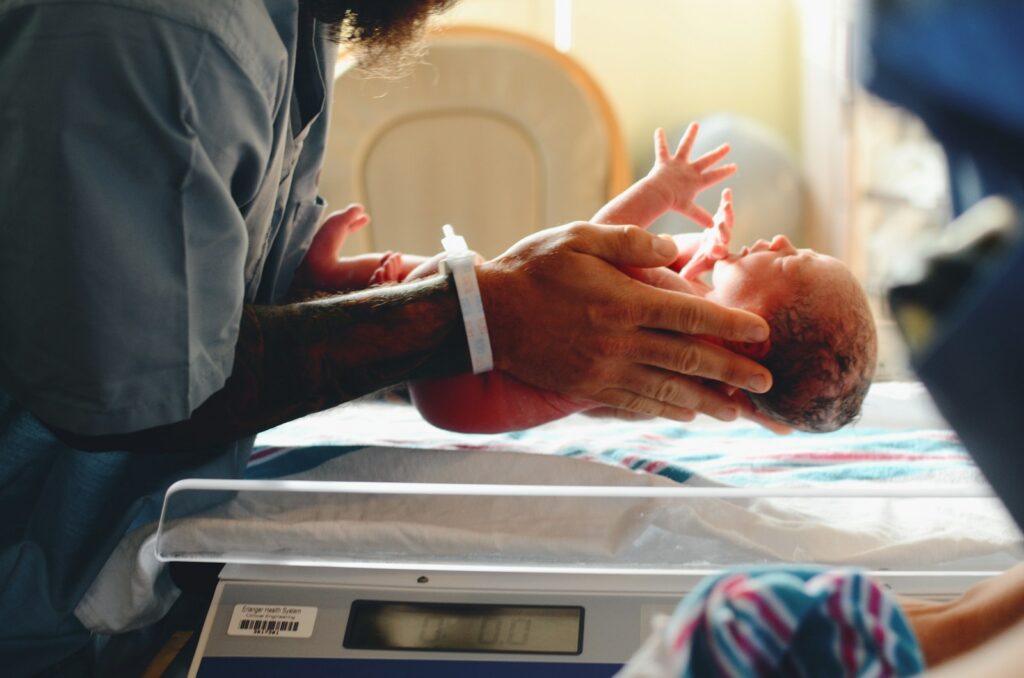
Among females, every additional 500 grams of birth weight is linked to a 10% increased risk of colon cancer.
This association suggests that factors influencing fetal growth might play a role in long-term cancer risk.

7. Older Paternal Age
Female offspring of fathers aged 35 or older at birth have a 56% higher risk of developing colon cancer.
This might be due to increased genetic mutations associated with older paternal age, though more research is needed.

6. Birth Cohort Effect
Individuals born in more recent decades face a higher risk of developing colon cancer at a younger age.
This trend may be influenced by the global spread of Western diets and changing environmental exposures.

5. Western-Style Diets
Diets high in ultra-processed foods have been linked to increased colorectal cancer risk.
Conversely, diets rich in fiber and fermented foods support a healthy gut microbiome, potentially reducing risk.

4. Physical Inactivity
Lack of physical activity is a well-recognized risk factor for various types of cancer, including colon cancer.
Regular exercise can help manage weight and improve gut health, lowering the risk of cancer development.
3. Maternal Obesity
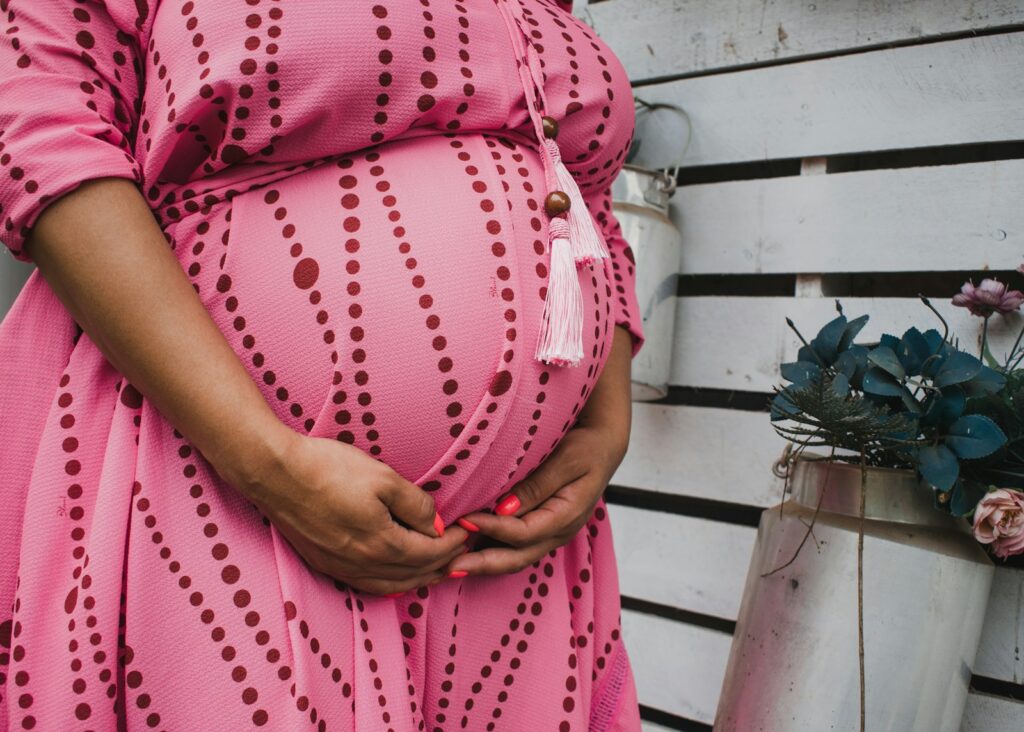
Maternal obesity during pregnancy has been associated with higher colorectal cancer risk in offspring.
Foreign-born mothers tend to have healthier diets, which might explain the lower risk observed in their children.

2. Gut Microbiome Imbalance
An imbalance in the gut microbiome can contribute to increased cancer risk.
Maintaining a diverse and healthy microbiome through diet and lifestyle is crucial for reducing cancer risk.

1. Late Screening
Early-onset colorectal cancer is often detected at advanced stages due to late screening.
Proactive screening, especially for those at higher risk, can lead to earlier detection and better outcomes.
Read More:
- 10 Misconceptions About GLP-1s
- 10 Reasons We Panic When We Google Health Symptoms
- 12 Magnesium Supplements Recommended by Dietitians
Ask us! What questions do you have about content, strategy, pop culture, lifestyle, wellness, history or more? We may use your question in an upcoming article!
Like MediaFeed’s content? Be sure to follow us.
This article originally appeared on Resourcebuzz and was syndicated by MediaFeed.co.