
10 Dog Breeds That Aren’t Great With Young Children
Dogs can make wonderful family pets, but not every breed is equally suited for households with young children. Factors such as size, energy level, prey drive, guarding instincts, and trainability can all influence how well a dog adapts to family life.
It’s important to remember that individual temperament matters more than breed alone, and many dogs on this list can thrive in families with proper training, socialization, and supervision. However, these breeds often require more experienced owners or extra caution around young kids.

10. Chihuahua
Despite their tiny size, Chihuahuas are known for having big personalities.
They can be territorial, easily startled, and less tolerant of rough handling than many larger breeds. Because young children may accidentally play too roughly, Chihuahuas are often better suited to homes with older kids who understand boundaries.

9. Chesapeake Bay Retriever
Unlike the famously easygoing Labrador and Golden Retriever, the Chesapeake Bay Retriever tends to be more independent and protective.
These intelligent working dogs can be wonderful companions but often require experienced training and early socialization. Their strong guarding instincts may not make them the easiest choice for families with small children.

8. Rottweiler
Rottweilers are loyal, intelligent, and deeply devoted to their families.
However, their size, strength, and protective instincts mean they require careful training and socialization from an early age. Inexperienced owners may struggle to manage such a powerful breed around young children.

7. Dalmatian
Dalmatians are athletic, energetic dogs that require substantial exercise and mental stimulation.
Without proper outlets for their energy, they can become frustrated or difficult to manage. Their high activity level can sometimes overwhelm younger children.
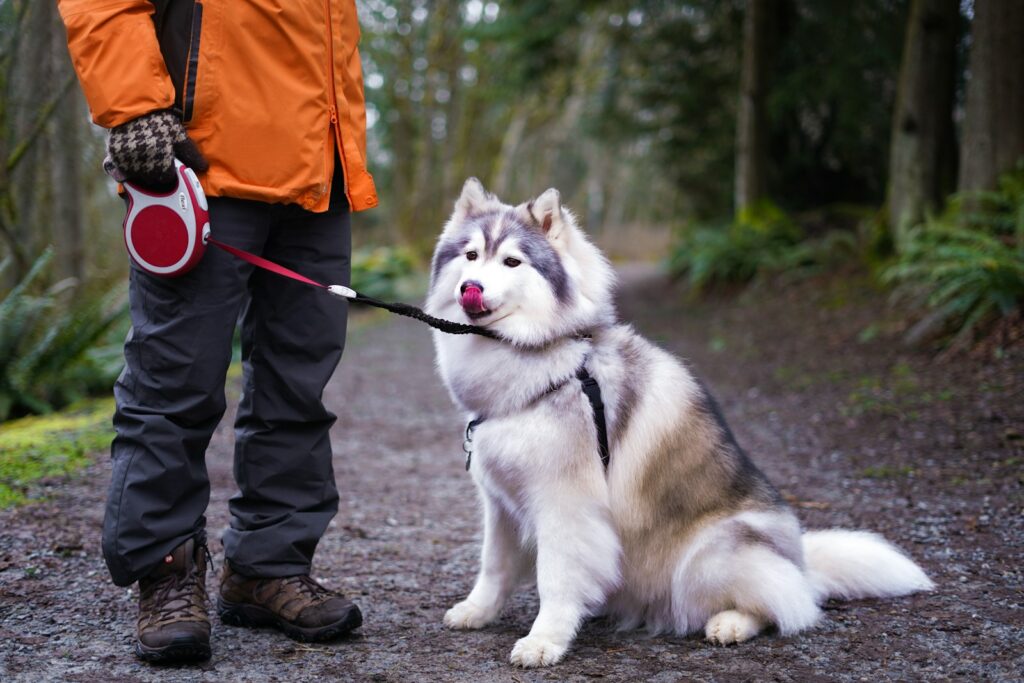
6. Siberian Husky
Huskies are friendly and affectionate, but they also have strong independent streaks and seemingly endless energy.
They need significant exercise, consistent training, and plenty of supervision. Families who cannot meet those needs may find them challenging companions.

5. Chow Chow
Chow Chows are known for their dignified, reserved personalities.
Unlike many family-oriented breeds, they are often less tolerant of rough play and may not enjoy constant interaction with children. Early socialization is especially important with this breed.

4. Alaskan Malamute
Alaskan Malamutes are powerful working dogs originally bred for pulling heavy loads.
They are affectionate with family members but require experienced handling, extensive exercise, and strong leadership. Their size alone can make interactions with small children challenging.

3. Australian Cattle Dog
Australian Cattle Dogs were bred to herd livestock, and many still retain strong herding instincts.
This can sometimes lead to nipping, chasing, or attempting to “herd” running children. With training, many do well in active families, but they are generally not considered ideal for very young kids.
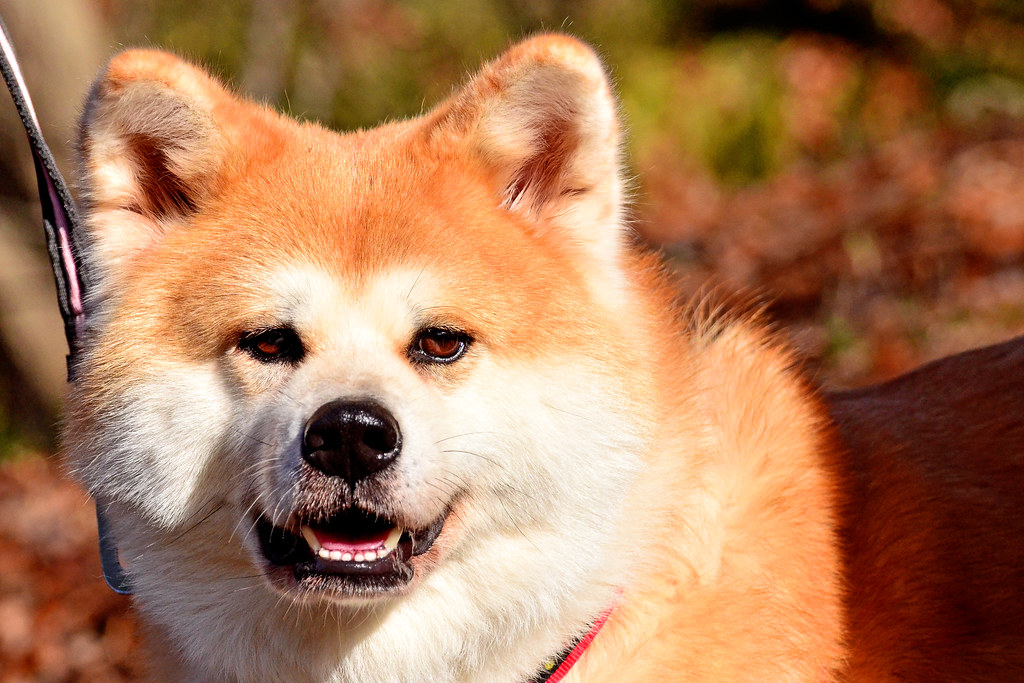
2. Akita
Akitas are loyal and courageous dogs with strong protective instincts.
They often form close bonds with their families but can be reserved around strangers and less tolerant of unpredictable behavior. Their size and strength require experienced ownership and careful supervision around children.

1. Border Collie
Border Collies are among the smartest dog breeds in the world, but they are also among the most demanding.
Their intense intelligence and energy levels require constant mental and physical stimulation. Without enough activity, they may develop undesirable behaviors, including chasing or herding children. While they can excel in active families, they are often more dog than many households are prepared for.
Read More:
- These 10 Dogs Will Cover Your Home in Fur
- 10 Realities of Fostering a Dog (Before You Commit)
- How to Introduce a New Puppy to Your Existing Dogs
Ask us! What questions do you have about content, strategy, pop culture, lifestyle, wellness, history or more? We may use your question in an upcoming article!
Like MediaFeed’s content? Be sure to follow us.
This article originally appeared on Resourcebuzz and was syndicated by MediaFeed.co.