This article was reviewed by Lynn Marie Morski, MD, JD.
Key Takeaways:
- Bloating is a temporary feeling of fullness, pressure, or tightness in your abdomen, possibly with visible stomach enlargement.
- It’s common to have bloating during menopause.
- Menopause bloating happens due to hormonal changes that can impact water retention and the digestive tract.
- Dietary adjustments, regular physical activity, and stress reduction can help reduce or prevent menopause bloating.
You might be familiar with the common symptoms of menopause, such as hot flashes, night sweats, and vaginal dryness. But many more potential menopausal symptoms aren’t discussed as readily.
For instance, many women experience abdominal bloating during the menopausal stage. This generally happens because of the hormonal changes associated with menopause.
Keep reading as we cover more on this topic, including why menopause bloating happens and how to manage it.
What Is Bloating?
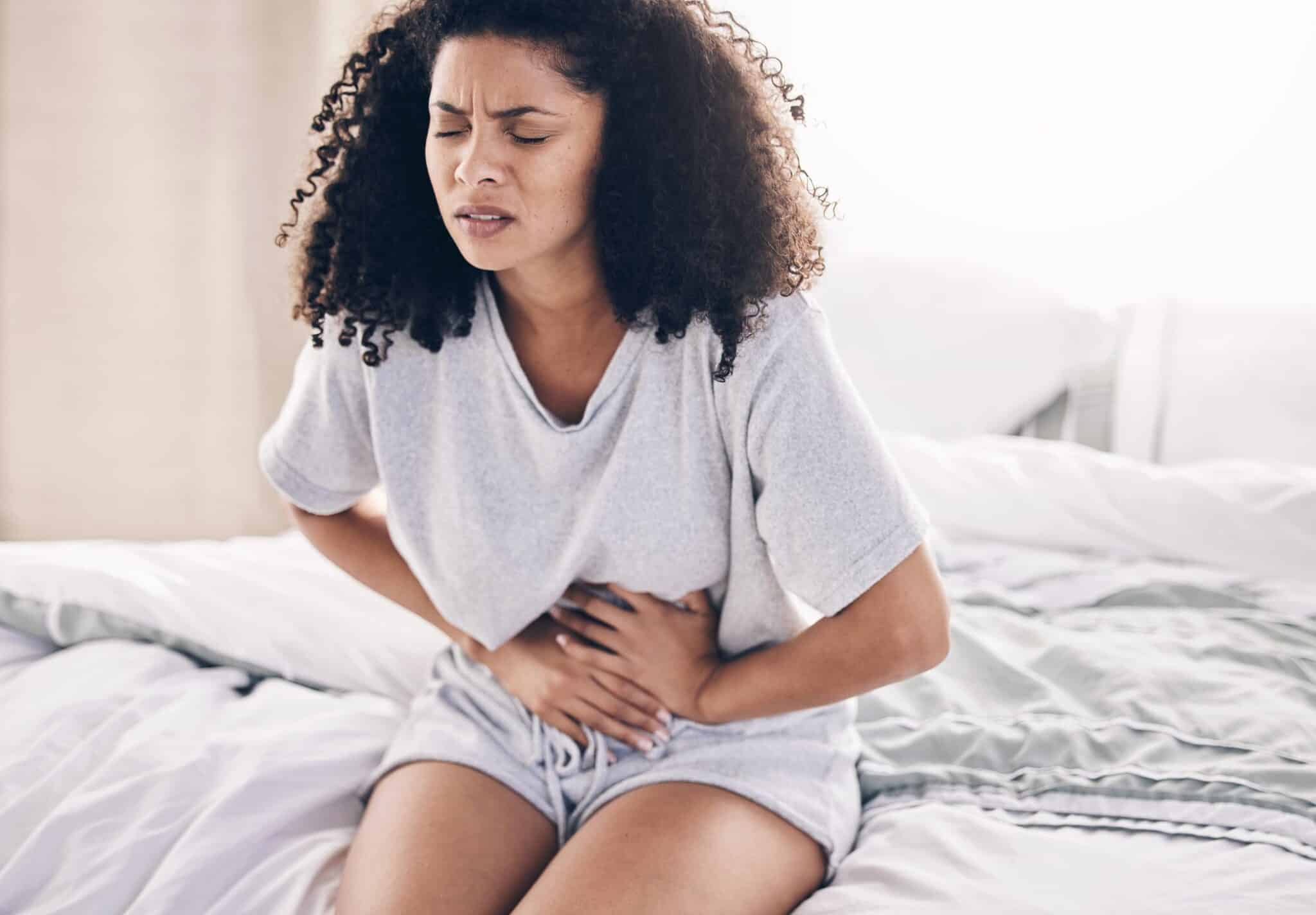
Bloating is an uncomfortable feeling of fullness, tightness, or pressure in your abdomen. Besides these sensations, it’s possible your midsection will appear noticeably larger.
Does Menopause Cause Bloating?
Women in menopause often experience bloating symptoms.
When it comes to menopause symptoms, bloating is pretty common. A study of about 1,000 women in midlife found that bloating was the next most commonly reported gastrointestinal symptom after weight gain, impacting about 32 percent of participants.
Newer research suggests that bloating may be even more common.
The results of a recent study of nearly 600 women aged 44 to 73 are being presented at the 2025 Annual Meeting of the Menopause Society and have yet to be published in a scientific journal. But in this research, 77 percent of participants reported experiencing bloating.
Why Does Menopause Bloating Happen?
On a basic level, menopause bloating happens due to shifting hormone levels. The two hormones in question are estrogen and progesterone.
Levels of these hormones begin to change when you enter perimenopause, also called the menopause transition. During this time, the amount of estrogen and progesterone made by your ovaries starts to decrease.
These hormonal fluctuations can lead to many changes throughout your body.
Changes in Gut Motility and Menopause Bloating
The hormonal changes that happen during menopause can also impact the digestive system and gut health. There are several this can lead to bloating.
Both estrogen and progesterone are involved in regulating gut motility — how food and gas move through the digestive system.
Hormonal shifts may slow down gut motility. This means food and gas stick around longer in your digestive system, possibly leading to symptoms like bloating and constipation.
Changes to the Gut Microbiome
It’s possible for hormonal changes to impact the gut microbiome, the collection of microbes that live naturally in your gut.
Studies suggest that estrogen and progesterone can boost the diversity of microbes in the gut (a good thing). This means that menopause-related declines in these hormones can lead to less microbial diversity.
Changes in the balance of the gut microbiome can result in a variety of unpleasant digestive issues, like:
- Bloating
- Abdominal pain
- Diarrhea
Increases in IBS Severity
Irritable bowel syndrome (IBS) is a gastrointestinal disorder associated with increases in gut sensitivity and how it contracts. This can cause symptoms like:
- Bloating
- Abdominal pain
- Constipation
- Diarrhea
According to the National Institutes of Health (NIH), about 12 percent of people in the United States are living with IBS. The condition is also twice as common in women compared to men.
If you have IBS, you might notice that your symptoms worsen after menopause. Research suggests that, compared to women in perimenopause, women in menopause have more severe IBS symptoms.
Since estrogen and progesterone are involved in gut motility and pain perception, changes in these hormones could contribute to worsening IBS symptoms after menopause.
Additional Factors Behind Menopause Bloating
Bloating can happen with constipation. Some research notes that additional factors may influence constipation in women during menopause.
One study on women in the perimenopausal stage found that higher levels of cortisol (a hormone linked to stress) and increased tension were associated with more severe constipation.
So, elevated stress could be another potential explanation for perimenopause bloating.
Tips for How to Manage Menopause Bloating
If menopause bloating is bothering you, several things might help. Let’s go over some lifestyle tips for dealing with menopause bloating.
Make Dietary Changes to Reduce Bloating
It’s always good to eat a healthy, balanced diet to support overall health and wellness. Making some dietary changes may help reduce bloating as well.
Avoiding foods that increase bloating is one step you can take.
Some examples include:
- Chewing gum and carbonated beverages, which introduce air into the digestive system
- Plant-based foods you might normally associate with being gassy, such as beans, broccoli, and cabbage
- Bran, the hard outer layer of certain whole grains
Meanwhile, increasing certain nutrients or adding specific supplements to your diet may help with bloating. This includes:
- Fluids, which not only work to maintain hydration levels but can also help with constipation
- Fiber, which can also alleviate constipation
- Probiotics, which introduce beneficial bacteria into the digestive system and may help reduce symptoms like bloating
- Peppermint, which research suggests may help reduce symptoms like bloating and abdominal pain in people with IBS
Seek medical advice from your healthcare provider before making drastic changes to your diet or starting a new supplement. They can make individual recommendations for changes that can best help with your bloating.
Try Additional Lifestyle Changes for IBS
If you’ve been diagnosed with IBS, you may find that certain foods cause your symptoms to flare up. Identifying and avoiding these trigger foods can prevent uncomfortable symptoms like bloating, abdominal pain, and diarrhea.
Other changes your healthcare provider may recommend:
- Adopting a low-FODMAP (fermentable oligosaccharides, disaccharides, monosaccharides, and polyols) diet, which limits foods poorly absorbed in the digestive system that can lead to gas buildup
- Eating smaller meals
- Reducing your intake of alcohol, as well as processed, fatty, or spicy foods
Some people with IBS may also choose to reduce their intake of gluten, dairy products, or both to help with their symptoms. But according to a 2024 review, there’s little evidence to support these changes for IBS — unless you also have celiac disease or lactose intolerance.
Increase Physical Activity
Regular exercise isn’t just great for your cardiovascular health and weight loss. It may also reduce bloating.
A small study found that taking a short 10-to-15-minute walk after eating reduced abdominal bloating.
Another small study found that exercise helped clear gas from the digestive tract, reducing bloating. Meanwhile, getting very little physical activity was associated with higher gas retention.
Reduce Stress
It’s possible that reducing stress helps prevent bloating.
Try to find stress-reduction techniques that work for you, whether it’s deep breathing, yoga, meditation, journaling, hanging out with loved ones, or spending time in nature.
One study found that mindfulness training helped reduce the severity of IBS symptoms like bloating and abdominal pain. This effect persisted for three months after doing mindfulness training.
The Bottom Line on Menopause Bloating
Bloating is pretty common during menopause. It generally happens because of changes in progesterone and estrogen levels that impact the digestive tract.
If you’re dealing with menopause bloating, there are several lifestyle changes you can make to help reduce it. This includes adjusting your diet, increasing physical activity, and reducing stress.
If you’ve already tried lifestyle changes and they’re not helping, make an appointment with your healthcare provider. They can offer personalized recommendations that may help you manage menopause bloating more effectively.
FAQs
Get answers to frequently asked questions about menopause bloating.
When does menopause bloating start?
Menopause bloating can start when you enter into perimenopause. Most women start perimenopause between the ages of 45 and 55, but it varies.
What causes menopause bloating?
Hormonal changes, specifically in estrogen and progesterone, are big contributors to menopause bloating. Fluctuations in these hormones can boost bloating by causing various changes in the digestive system.
What does menopause bloating feel like?
Many people describe bloating as a sensation of fullness, pressure, or tightness in their abdomen.
How do you stop menopause bloating?
There’s no single tried-and-true way to stop menopause bloating in its tracks. But lifestyle changes may help reduce menopause bloating, like adjusting your diet, getting regular exercise, and lowering stress.
How long does menopause bloating last?
How long menopause bloating lasts can vary among women. For example, some women may experience mild bloating periodically, while others might have more persistent or severe bloating during this life stage.
How can I tell if it’s bloating or weight gain?
While bloating can increase the size of your waistline, it’s typically temporary and may fluctuate throughout the day. In contrast, weight gain happens gradually over time.
Can HRT help with menopause bloating?
Hormone replacement therapy (HRT) can help with many menopause symptoms associated with hormonal changes, such as hot flashes and night sweats. But it probably won’t help with bloating. In fact, HRT could even make bloating worse — there’s some evidence that it can potentially increase the likelihood of developing IBS.
Related:
Like MediaFeed’s content? Be sure to follow us.
This article originally appeared on ForHers.com and was syndicated by MediaFeed.org.