Why Boomers are finally loving hearing aids
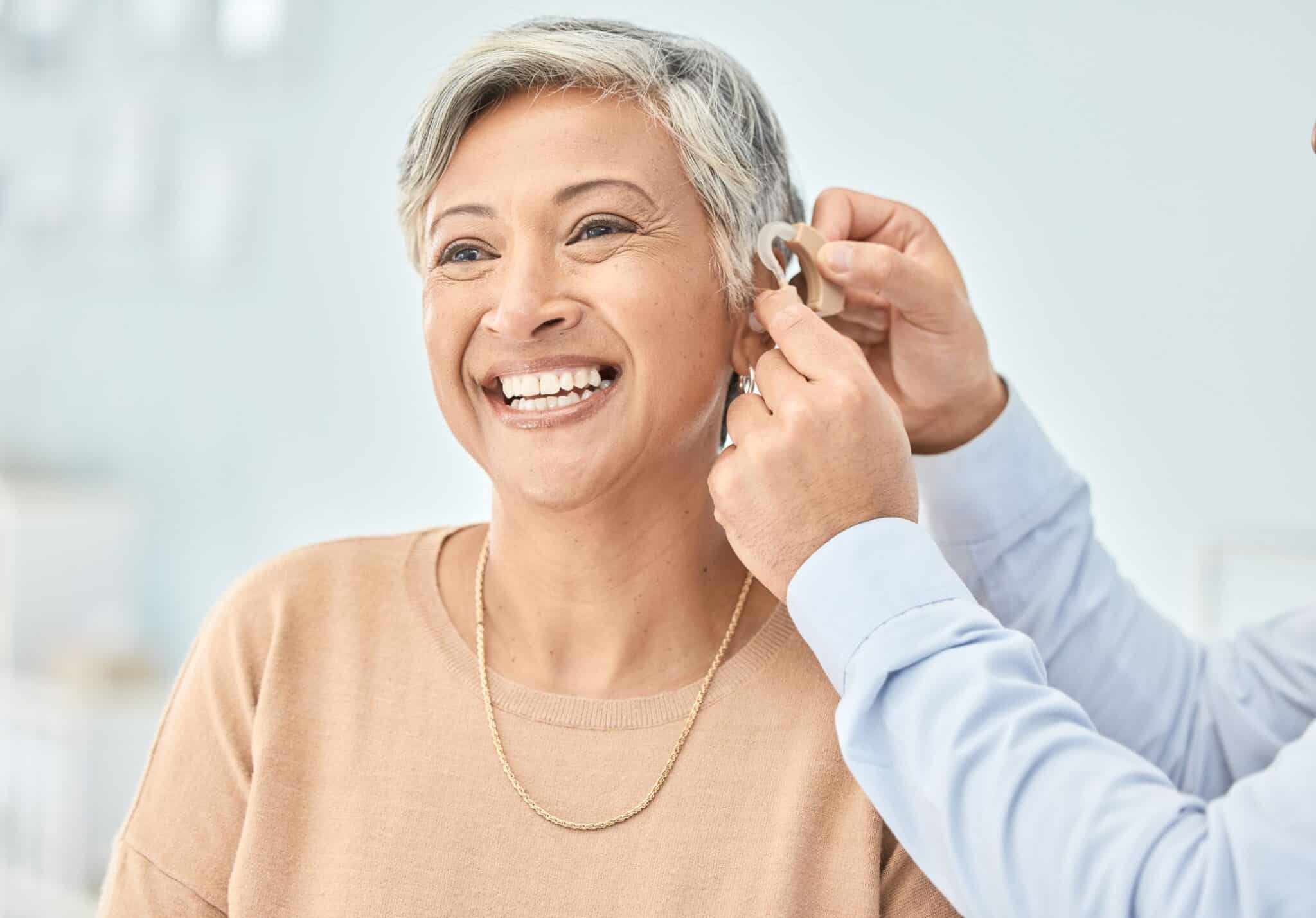
For generations, hearing aids carried the same social weight as admitting you were old. Baby Boomers watched their parents hide clunky beige devices behind their ears or refuse to wear them altogether. That mindset is collapsing fast. When hearing aids started looking like AirPods instead of medical equipment, everything changed.

The stigma was never about vanity
Studies consistently showed that stigma remained a major deterrent, with 63 percent of Millennials, 47 percent of Gen Xers, and 41 percent of Boomers agreeing that stigma exists around hearing aids. The problem was that traditional hearing aids associated the wearer with intellectual slowness and reduced mental capacity. One study found that wearing hearing aids triggered associations with communication challenges and disability.
Over-the-counter access changed the game
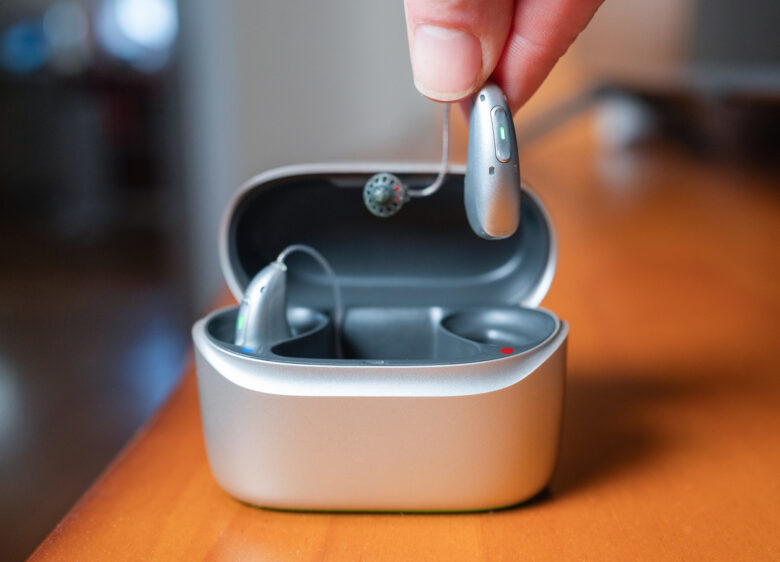
The FDA’s 2022 ruling creating an over-the-counter hearing aid category fundamentally shifted the landscape. People with mild to moderate hearing loss could skip expensive audiologist visits and buy devices directly. The change addressed the three biggest barriers: high cost, stigma, and lack of perceived need. Devices that cost thousands became available for hundreds.
Design innovation drove adoption
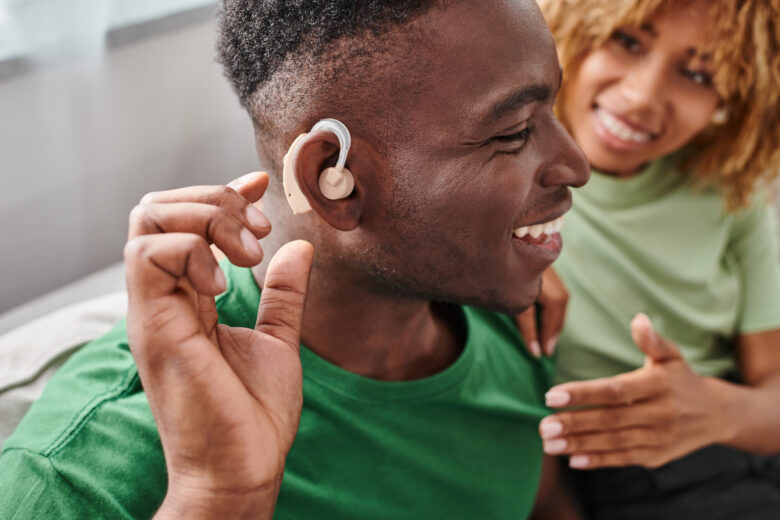
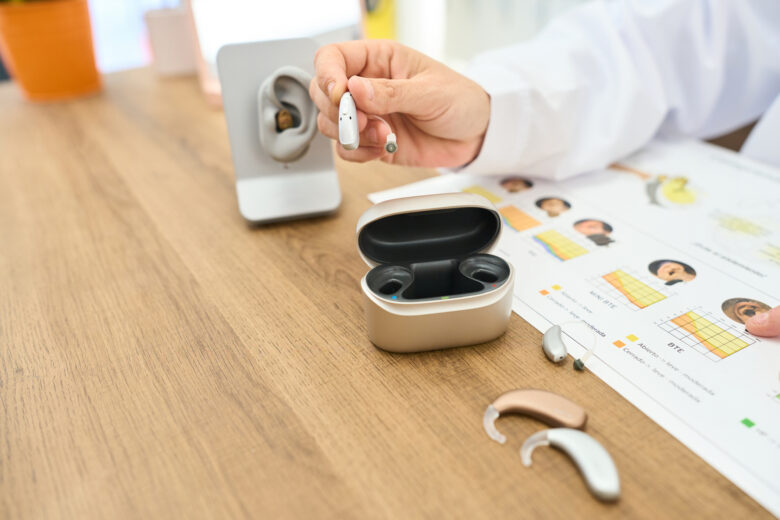
The real revolution came from how devices looked and functioned. Sleek designs, app control, and Bluetooth capabilities reduced stigma by making hearing aids indistinguishable from wireless earbuds everyone wears. Some models disguise themselves as fashionable eyeglasses. When a device looks like consumer electronics rather than medical equipment, people stop associating it with decline.
Younger generations normalized hearing enhancement
Audiologists reported that younger Americans seek solutions far earlier than older generations did. Young Americans routinely use technology to better their health without stigma. This cultural shift created permission for Boomers to follow suit. When your 35-year-old uses AirPods with hearing enhancement, wearing an actual hearing aid stops feeling like capitulation.

The dementia connection matters
The 2020 Lancet Commission on Dementia identified hearing loss as the leading modifiable midlife risk factor for later development of dementia. Recent studies show that hearing aids reduce cognitive decline in certain high-risk populations. When untreated hearing loss puts you at higher risk for dementia, wearing a device becomes self-care rather than surrender.
The affordability problem remains complicated
Despite progress, health insurance changes in 2024 actually discouraged OTC adoption. Some plans that previously covered OTC devices eliminated that coverage, requiring prior approval and limiting coverage to one pair every five years. The technology improved, but financial access actually got worse for many people.

The prevalence of smartphones matters
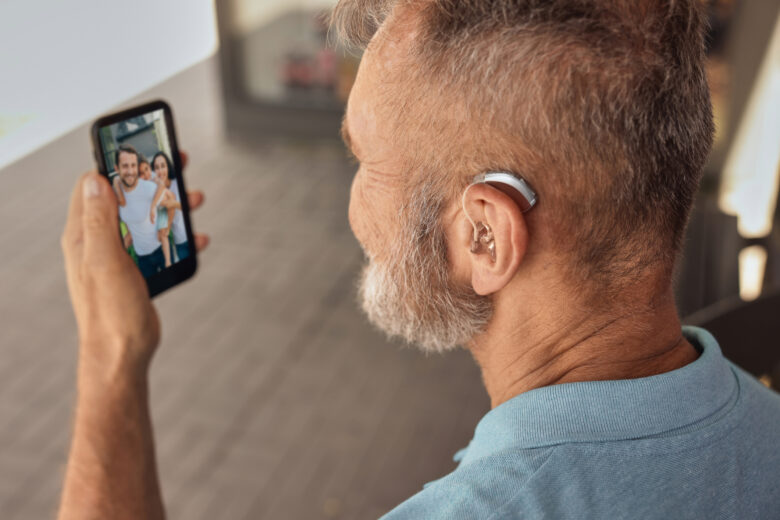
The widespread adoption of smartphones made OTC hearing aids more discreet than traditional ones, reducing stigma. When everyone walks around with things in their ears, nobody notices your hearing enhancement. The prevalence of audio technology normalized the use of ear devices entirely.
Takeaway
The combination of lower costs, better designs, and health research finally moved the needle. People stopped asking whether they looked old and started asking whether they could hear their grandchildren clearly. According to research, this represents a fundamental shift in how people approach hearing health. The revolution wasn’t about overcoming vanity but about technology finally respecting the intelligence of people who need it.
Ask us! What questions do you have about content, strategy, pop culture, lifestyle, wellness, history or more? We may use your question in an upcoming article!
Related:
- How do racers protect their ears during the Las Vegas Grand Prix Weekend?
- I’m losing my hair. Should I embrace being bald?
Like MediaFeed’s content? Be sure to follow us.
This article was syndicated by MediaFeed.org.