Which health numbers matter most as you age?
The number most people remember from their last physical is total cholesterol. That number includes HDL, the protective kind, so it is possible to have a high total cholesterol and a favorable risk profile, or a normal total cholesterol and a dangerous one. What the doctor is actually watching is LDL. The printout usually contains both numbers and does not explain the difference, which means people leave informed about something and uncertain whether it was the right something.

Blood pressure
A reading taken in a clinic after a wait and a parking situation measures something, but not the same thing as a reading taken at home in a familiar chair at a consistent time of day. The systolic number predicts heart attack and stroke most reliably in people over 50, and it rises naturally as arteries stiffen with age in ways that have nothing to do with how well someone is managing their health. The National Institute on Aging recommends home monitoring. A cuff costs about $30. This is not complicated to fix and most people haven’t fixed it.

Hemoglobin A1c
Less familiar than fasting glucose and more informative. It measures what blood sugar has averaged over the past three months, which cannot be altered by not eating for twelve hours before the appointment, which is what fasting glucose requires and which does not affect A1c at all. Below 5.7 is normal. Between 5.7 and 6.4 is prediabetes. Roughly 98 million American adults are in that category. The majority have not been told, which is a different kind of problem than not having the information available.
Bone density
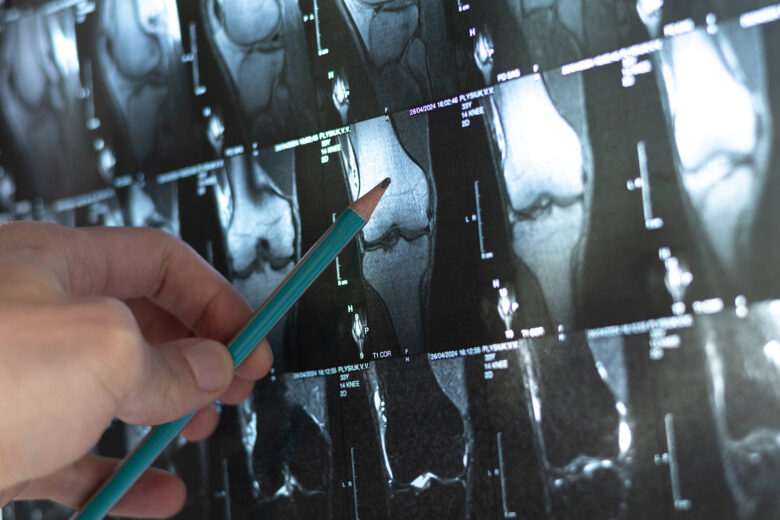
Height loss is a signal most people don’t know to track. Losing more than half an inch in a year, or being more than 1.5 inches shorter than the tallest you ever were, are the thresholds the National Osteoporosis Foundation uses to recommend a bone density scan. A hip fracture in someone over 70 carries a one-year mortality rate of roughly 20 to 30 percent, which is not a number that comes up in most conversations about bone health, possibly because those conversations are about calcium supplements rather than about what happens after the fracture.

Waist circumference
BMI cannot determine where the body weight is located. Visceral fat, stored around internal organs, secretes hormones that promote inflammation and arterial plaque formation in ways that subcutaneous fat does not. A man with a waist above 40 inches and a woman with a waist above 35 inches carries cardiovascular risk that BMI will not catch. The tape measure costs nothing and nobody uses it.

Hearing
About 30 percent of adults over 65 have measurable hearing loss. Several longitudinal studies have found the association between untreated hearing loss and cognitive decline strong enough that some researchers have started treating it as a dementia risk factor. One theory involves the sustained cognitive effort required to compensate for poor hearing, which over years pulls resources from memory and executive function. Another involves social isolation. The studies do not fully agree on the mechanism. They do agree on the association, which is the part that matters for deciding whether to have the hearing assessed.

The bottom line
The numbers most people get from a routine physical (total cholesterol, fasting glucose, BMI, a single clinic blood pressure reading) are the least informative versions of what each of those measurements can tell you. Better versions of all of them exist. The conversation that would produce them usually doesn’t happen unless the patient starts it.
Ask us! What questions do you have about content, strategy, pop culture, lifestyle, wellness, history or more? We may use your question in an upcoming article!
Related:
- 10 “healthy” foods that could be causing you to gain weight
- Can you guess which health tip is still relevant for boomers?
Like MediaFeed’s content? Be sure to follow us.
This article was syndicated by MediaFeed.co.