
This article was reviewed by Mike Bohl, MD.
Often referred to as the “little blue pill,” Viagra (which contains the active ingredient sildenafil) was first approved by the FDA as a treatment for ED in 1998 and quickly became one of the most widely used medications in the country for men. Over the next two decades, many other ED medications, including tadalafil (Cialis), vardenafil (Levitra) and avanafil (Stendra) came onto the market.
Viagra and other ED medications are effective for most men. Still, not everyone who uses them experiences benefits.
Below, we’ve explained why ED medications sometimes don’t work, as well as the steps that you can take to treat your ED and improve your intimate performance if you don’t get the expected benefits from medications like Viagra.
Finally, we’ve shared some lifestyle tips that may help you see improved arousals and intimate performance.
Image Credit: stefanamer / iStock.
How Are ED Drugs Supposed to Work?
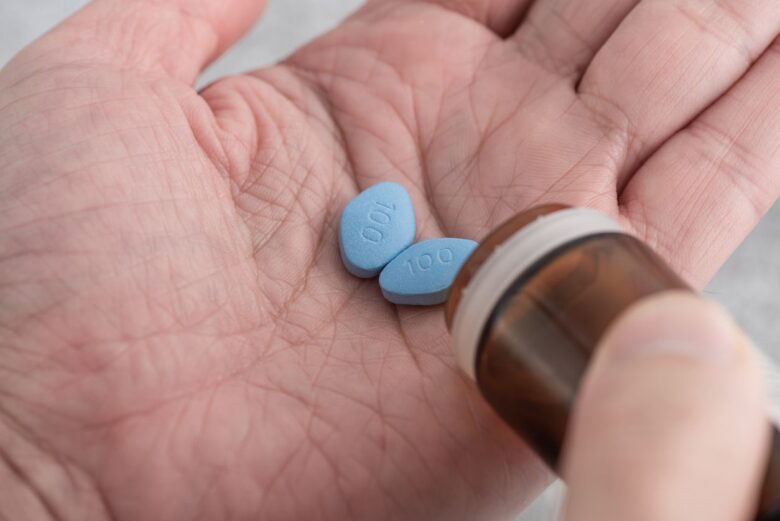
ED can occur for several reasons, but one of the most common is weak blood flow to your privates.
As blood flows to tissues in your privates, a fibrous membrane called the tunica albuginea traps the blood inside your privates and helps to sustain your arousal during intimacy.
After you finish and discharge, your privates are able to return to their flaccid state.
When blood can’t freely flow into your privates in the way that’s necessary for getting an arousal, it can become difficult or impossible for you to get and maintain an arousal.
The primary function of ED drugs is to resolve the vascular issues that affect blood flow to your privates, making it easier for blood to flow to facilitate an arousal.
ED medications like Viagra belong to a class of drugs called phosphodiesterase type 5 inhibitors, or PDE5 inhibitors for short. They work by inhibiting an enzyme called PDE5, which regulates blood flow within certain areas of your body.
By inhibiting PDE5, medications like Viagra help relax the smooth muscle inside your blood vessels and increase blood flow to your privates.
This can make it easier for you to get and maintain an arousal when you feel aroused.
Most men with ED experience improved arousals and performance after taking Viagra or similar ED medications.
But these medications don’t work for everyone, and it’s not uncommon to experience ED even after taking an ED medication.
Image Credit: samael334/Istockphoto.
Viagra and Cialis: Why Are My ED Meds Not Working?

There are a few reasons why ED can persist even after you start to use medication, but one possible explanation is that the underlying causes of ED — cardiovascular disease among them — are progressing further, making the problem more severe. This can lead to a higher failure rate for arousals, even when taking medication as directed.
It’s also possible you’re not using the medication properly. Many men make mistakes when using medications like Viagra or Cialis that can reduce their effectiveness (more on this below).
Another reason why your medication isn’t working is that your ED could be caused by an issue that’s unrelated to blood flow, such as performance anxiety, damage to your nerves or being sick.
Something else to consider? You may simply not be a good fit for the specific medication you’re using. If this is the case, switching medications could help.
We’ve gone into greater detail about what you can do in each of these situations below, starting with common mistakes many guys make when using ED medications like Viagra.
Image Credit: Antonio_Diaz / iStock.
Common Mistakes Made When Taking ED Drugs

ED pills not working? It’s possible you’re using them incorrectly. While ED medications might seem easy to use — just take the medication with a glass of water before you get intimate — there’s something of a technique to using them correctly.
Below, we’ve covered six common mistakes men make when using ED medications, as well as the steps that you can take to correct each one for better results.
Image Credit: Prostock-Studio/ iStock.
Not Waiting Long Enough
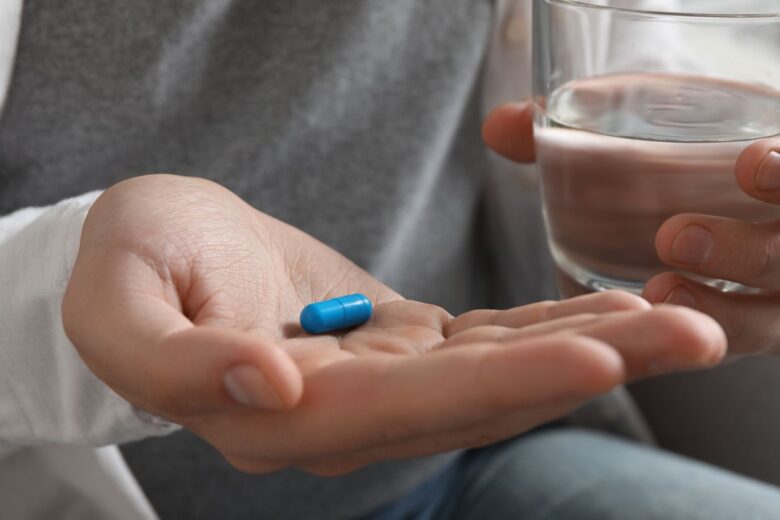
ED medications like Viagra have a real, measurable effect on blood flow to your privates, but their effects aren’t immediate.
After you take ED medication, it can take anywhere from 15 minutes up to about two hours to start working, depending on the specific medication.
If you get intimate before your medication is effective, you might find it difficult to get and maintain an arousal. Because of this, it’s best to take your medication around one hour before you plan to have intimacy — but follow the specific dosing instructions on the package and discussed with your provider.
If you don’t want to have to precisely time your ED medication usage before intimacy, consider using a long-lasting medication like Cialis, which provides relief from ED for up to 36 hours per dose.
Image Credit: Liudmila Chernetska / iStock.
Taking the Wrong Dose

ED can vary in severity. While one man may have mild ED that can be treated with a relatively low dose of Viagra or similar medication, another might have a more severe case of ED that requires a stronger dose. Everyone’s needs are different.
If you still experience ED after using Cialis or similar medication, it may be worth talking to your healthcare provider about adjusting your dosage.
Viagra is available in three strengths: 25mg, 50mg and 100mg. Research shows that men with ED are more likely to report improvements in their arousals when they’re prescribed a 50mg or 100mg dose of Viagra. However, there’s also an increased risk of side effects.
If you’re worried that you may not be taking a strong enough dose of Viagra or similar ED medication, reach out to your healthcare provider for help.
Image Credit: LightFieldStudios / iStock.
Expecting Changes in Arousal

Cialis and other medications for ED work by increasing blood flow to your privates, but they don’t have any effect on arousal.
This means that if you aren’t in the mood for intimacy, taking Viagra won’t suddenly make you in the mood.
There are plenty of factors that contribute to a low drive in men, from psychological disorders such as depression and chronic stress to relationship problems, sleep apnea and even low levels of testosterone.
If your ED is a psychological arousal issue rather than a cardiovascular one, Viagra and similar medications may not be fully effective.
Image Credit: PeopleImages / iStock.
Giving Up Too Soon

Although ED medications like Viagra, Cialis, Levitra and Stendra work well for most men, some don’t experience any improvements the first few times they take medication.
This is fairly common and could be linked to nervousness about using ED medication for the very first time, or it could simply be performance anxiety.
If you take Viagra or similar ED medication and don’t notice any improvements when you try to have intimacy, don’t give up on it immediately.
Instead, try using your medication several times before you start to judge your results.
You may find that it becomes more effective as you grow more accustomed and comfortable with using it before intimacy.
If you don’t notice any improvements after using Cialis or similar ED medication several times, it’s best to reach out to your healthcare provider.
Image Credit: Deposit Photos.
Overlooking Underlying Medical Conditions

ED is often caused by underlying medical issues, such as high blood pressure, atherosclerosis (blocked arteries), type 2 diabetes and chronic kidney disease.
Certain medications, such as antiandrogens, antidepressants, tranquilizers and certain blood pressure medications, may also cause ED as a side effect.
If you have an underlying medical condition, or if you use one of the types of medication listed above, ED medications like Viagra may not be fully effective for you.
In this case, it’s best to talk to your healthcare provider to work out what you can do to treat ED and improve your performance.
Image Credit: gorodenkoff / iStock.
Trying Only One Drug
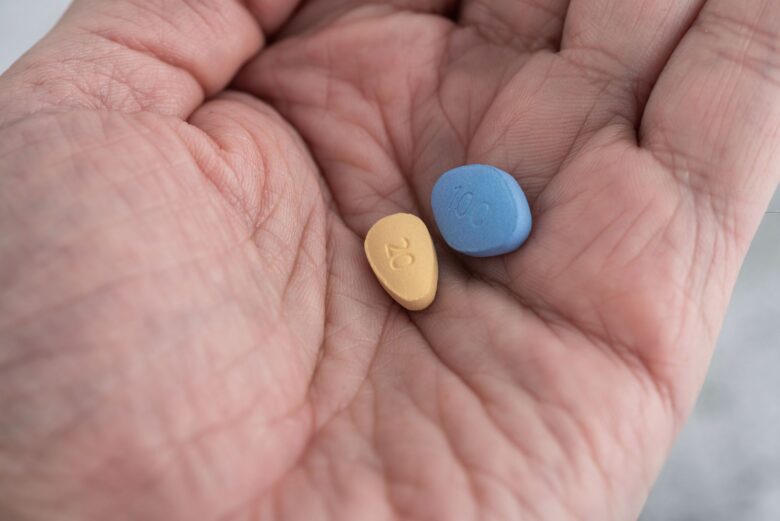
Everyone responds slightly differently to medications, including medications prescribed to treat ED.
If the first ED drug your healthcare provider prescribes isn’t working or doesn’t give you the results you expected, consider talking to your healthcare provider about switching to another medication.
Although all oral medications for ED work by inhibiting the effects of PDE5, some men find that one drug works better than others.
For example, you might like the long-lasting effects of Cialis over the more short-lived effects of Viagra or Levitra.
Alternatively, you may like the fast-acting effects and low side effect risk of a newer medication such as Stendra.
There are also other, non-oral treatments for ED that work in different ways.
It’s far from uncommon to try several medications before settling on one that provides the right combination of results and user-friendliness for you.
Image Credit: samael334/istockphoto.
Are ED Meds Effective?

A lot of success has been found around ED medications. In one study of 170 men experiencing ED due to spinal cord injuries, experts found that nearly 90 percent of subjects saw an improvement in their arousal quality after taking sildenafil.
A meta analysis involving 27 studies and more than 6,600 men also concluded that, based on the data available, men taking sildenafil (the active ingredient in Viagra, generic Viagra) saw more success compared to those taking a placebo (57 percent vs. 21 percent, respectively).
This research also found that 83 percent of ED-affected men who used sildenafil were able to successfully have intimacy at least once during the study period.
Image Credit: KucherAV / iStock.
What Are the Risks and Downsides of ED Drugs?

ED medications like Viagra are safe for most men, but they can potentially cause side effects and interact with other drugs.
Common side effects of Viagra include:
-
Headache
-
Flushing of the skin
-
Dyspepsia (indigestion)
-
Abnormal vision
-
Nasal congestion
-
Back pain
-
Myalgia (muscle aches)
-
Nausea
-
Dizziness
-
Rash
Other ED medications, such as Cialis and Levitra, are also associated with certain side effects. We’ve discussed these in more detail in our guide to what to expect from ED medication.
It’s important to know that ED medications can interact with certain other drugs, particularly those used to treat high blood pressure, heart disease and other medical conditions.
Be sure to inform your healthcare provider of any other medication you take before you start taking Viagra or similar PDE5 inhibitors.
Our guide to sildenafil interactions lists major interactions that you should be aware of before using medication to treat ED.
Image Credit: Burlingham / istockphoto.
Alternative Treatments for ED

If medications like Viagra don’t seem to work for you, there are other options. There’s no one-size-fits-all trajectory, but many paths that may help improve your intimate function and allow you to enjoy a fulfilling and satisfying intimate life.
Some of the most common alternative treatments for ED include:
-
Injectable ED medications
-
Urethral suppositories
-
Vacuum constriction devices (pumps)
-
Implants
Your healthcare provider may suggest one of these options if your ED is linked to an underlying health issue that makes oral ED medication ineffective or unsuitable for you.
Image Credit: istockphoto.
Injectable ED Medications
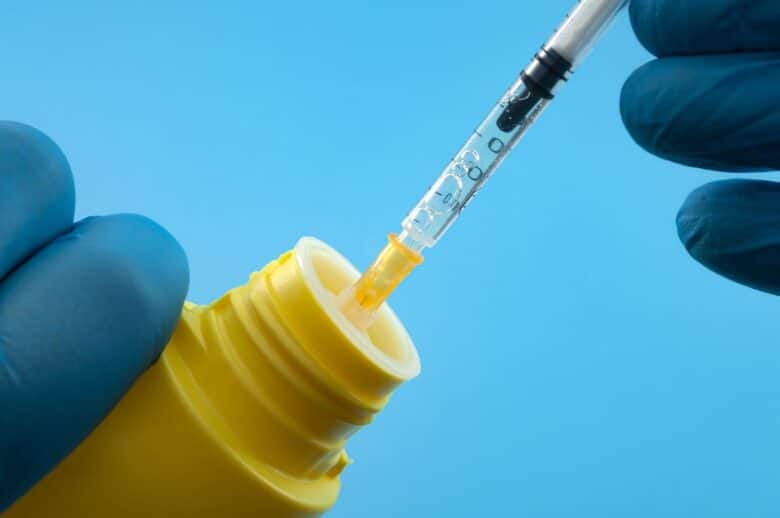
When oral medications aren’t effective at treating your ED, another option is to use medication that’s injected directly into your privates.
While the idea of injecting medicine into your privates may not sound appealing, the reality is that injectable ED medication is effective for many men who don’t respond to oral medications such as Viagra.
Currently, the only medication of this type that’s approved by the FDA for ED is alprostadil, which is sold under the brand names Cavarject and edex.
Alprostadil is a vasodilator that works by relaxing the smooth muscles in your blood vessels, allowing blood to flow into your privates when you’re aroused.
On average, it takes five to 20 minutes to get an arousal after using alprostadil. The effects of this medication last for 30 minutes to one hour, with the medication designed for use up to three times per week.
Image Credit: Moussa81 / iStock.
Urethral Suppositories

If you (quite understandably) don’t like the idea of using a needle to apply medication directly to your privates, you may want to consider using a urethral suppository, or pellet.
ED suppositories also contain alprostadil. Instead of being injected into the tissue of your privates, this type of medication comes as a small medicated pellet that’s inserted into your urethra using a simple handheld device.
This type of medication is often referred to as the MUSE.
When it’s used in suppository form, alprostadil is absorbed through the walls of the urethra and acts quickly to improve blood flow.
On average, it takes approximately five to 10 minutes to get an arousal after using this form of ED medication.
Image Credit: Dima Berlin / iStock.
Vacuum Constriction Devices

If your ED is caused by a physical injury that affects your privates, such as injury from surgery for prostate or bladder cancer, medications for ED may not be completely effective.
In this case, your healthcare provider may suggest using a vacuum constriction device (VCD), or pump.
Devices of this type work by drawing blood into your privates through a vacuum, which creates an arousal.
You’ll normally use a VCD with a band that attaches around the base of your privates in order to trap blood inside and sustain your arousal during intimacy.
Image Credit: stockbusters / iStock.
Implants

Another option for treating severe ED is the installation of an implant. This type of device is placed inside your privates and creates an arousal using either an internal fluid mechanism or with a semi-rigid rod.
Placing an implant is a significant surgical procedure. As such, this type of treatment tends to be for men who’ve tried other treatment options without success.
Image Credit: DepositPhotos.com.
Psychotherapy

Although many cases of ED are related to physical health issues, mental health issues such as depression, anxiety and stress can often cause psychological ED.
If your ED is linked to a mental health issue, you may experience improvements in your arousals and function with therapy.
One form of therapy that can be helpful for treating intimate health issues is cognitive behavioral therapy, or CBT.
This type of therapy involves identifying and changing negative or destructive thought processes and behaviors that affect your intimate function and wellbeing.
Research suggests that CBT can help men with ED improve their intimate function and health.
Image Credit: Depositphotos.
Can Diet and Lifestyle Changes Help?

Although ED medications can help to reduce the symptoms of ED and make it easier to develop and maintain an arousal, they don’t address the underlying issues that often cause ED.
Some of the most common risk factors for ED include obesity, smoking, alcohol consumption, diabetes, high cholesterol, stress, poor diet and a sedentary lifestyle.
It’s often possible to improve your arousals naturally by making certain changes to your habits and lifestyle.
Some ways to improve your intimate health naturally include eating a healthy, balanced diet that’s high in fresh fruits, vegetables and lean sources of protein, exercising regularly and maintaining a body weight in the healthy range.
If you smoke, quitting may also help to improve your arousals and intimate performance. This is because smoking can harm your vascular system and reduce blood flow throughout your body, including to your privates.
You can learn more about natural methods that you can use to treat ED in our guide to naturally protecting your arousal.
Image Credit: Raul_Mellado/Istockphoto.
What to Do When ED Meds Don’t Work

It’s understandable to feel discouraged if ED meds don’t work. But for men googling “Nothing works for my ED. Should I try Viagra if Cialis doesn’t work?” there’s a big picture question to ask: Why is Viagra not working for you?
If you’re prescribed medication for ED and don’t think it’s working correctly, it’s best to reach out to your healthcare provider for assistance. They’ll suggest options, which likely will include the following:
-
You may be able to improve your results by adjusting your dose, changing the way you use your medication or switching to a different treatment for ED.
-
Making simple but effective changes to your habits and lifestyle might also help to improve your intimate function and health.
Our guide to ED goes into greater detail about the most common causes of ED, as well as the most effective options for improving your arousals and intimate performance.
Here is a guide on where to buy Viagra.
This article originally appeared on Hims.com and was syndicated by MediaFeed.org.
.
Image Credit: eggeeggjiew / istockphoto.