
What doctors notice about you the second you walk through the door
The exam hasn’t technically started, and a doctor has already gathered a surprising amount of information. Clinical guidance, especially for older patients, specifically recommends watching someone from the moment they enter the room, well before a blood pressure cuff comes out.
This article is for general information only and isn’t medical advice.

The walk from the waiting room to the chair
Gait reveals more than most people realize before a single question is asked. Guidelines for examining older adults specifically call for observing patients as they enter, since balance, mobility, and strength all show up in how someone moves rather than in what they say about it.

One arm that’s quietly stopped swinging
Small, uneven shifts, a shortened stride, a stoop that crept in gradually, one arm staying closer to the body than the other, can be early signals of a neurological condition worth investigating. These often surface long before more obvious symptoms like tremor, and experienced clinicians can catch them from across a waiting room.

Working harder than expected just to breathe
Dyspnea, or difficulty breathing, is part of a patient’s general appearance, independent of anything the patient reports. Someone unusually winded after a short walk is communicating something before the exam has formally begun.

Skin color and texture
A routine part of the very first visual pass, checked before any formal skin exam even starts. Changes here can point to circulatory issues, nutritional gaps, or a dermatological condition unrelated to why someone came in that day.
The specific way you get up from a chair
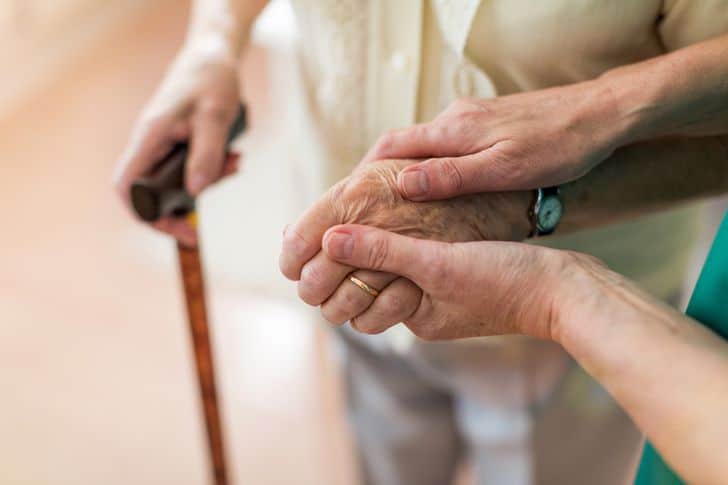
Needing both hands to push up, or needing extra time to stand, isn’t automatically a red flag. It’s one piece of a larger picture, especially for older patients, where small mobility shifts tend to matter more over time than they would in a younger patient.
Facial expression, demeanor, whatever’s showing up in the room
Asymmetry or drooping can point toward a neurological issue outright. Beyond that, doctors are simply reading mood and comfort the way anyone would in conversation, and visible anxiety or discomfort feeds into the overall picture long before any formal conversation about mental health comes up.

The bottom line
None of this replaces a real exam, and no single observation is meant to diagnose anything on its own. It’s simply the first layer of information doctors are trained to gather, often within the first few seconds, well before any test results exist.
Ask us! What questions do you have about content, strategy, pop culture, lifestyle, wellness, history or more? We may use your question in an upcoming article!
Related:
- At-home lab tests promise answers—but do they deliver?
- Grandma’s remedies meet modern medicine: health apps that actually work
Like MediaFeed’s content? Be sure to follow us.
This article was syndicated by MediaFeed.co.