Cars from the ’70s that were dangerous to drive in the rain
Wet-weather safety wasn’t a design priority for most of the automotive industry in the 1970s, as it is now. Tire technology, brake systems, and even basic suspension geometry all lagged behind what a rainstorm actually demanded, and several specific models turned an ordinary wet commute into a genuine handling problem.
Six examples below.
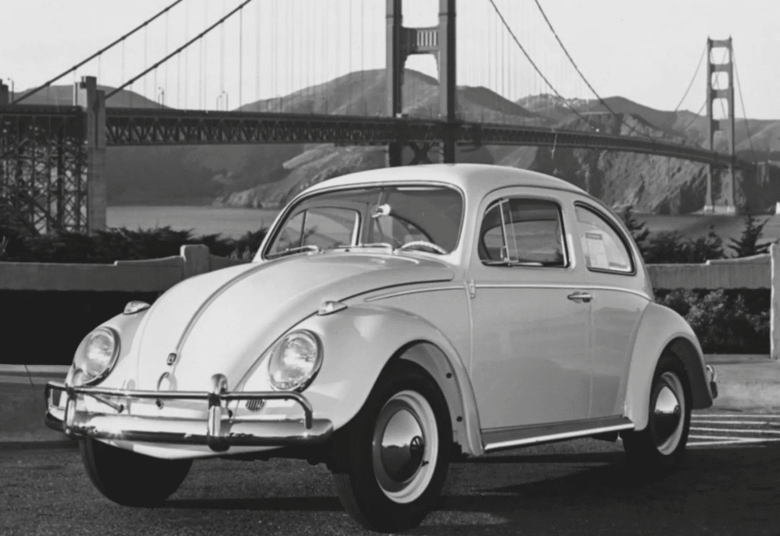
The Volkswagen Beetle
Swing-axle rear suspension meant the rear wheels could tuck sharply under the car during hard cornering, a phenomenon engineers call jacking. Combine that with a rear-mounted engine putting most of the car’s weight over the back wheels, and a Beetle caught in a sudden wet-road correction could snap into oversteer with very little warning.
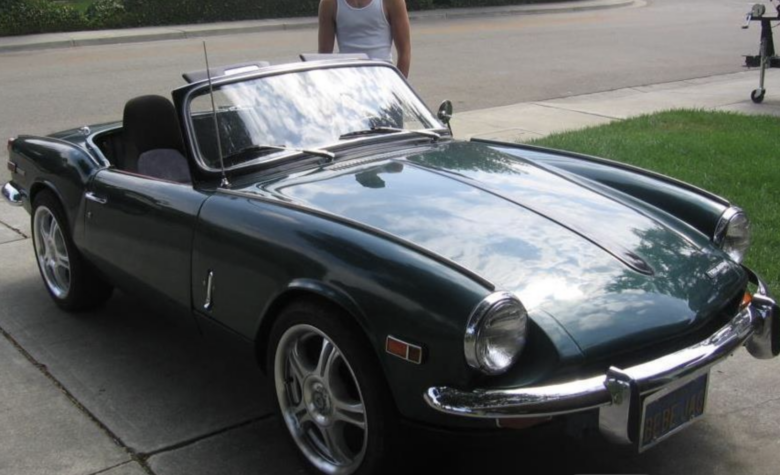
The Triumph Spitfire
British sports cars of the era shared the same swing-axle vulnerability as the Beetle, and one longtime driver of a related Triumph model described the handling bluntly: past a certain cornering limit, the rear wheels would tuck under, and the resulting oversteer became “alarming,” especially dangerous if the brakes got applied mid-corner on a wet surface.
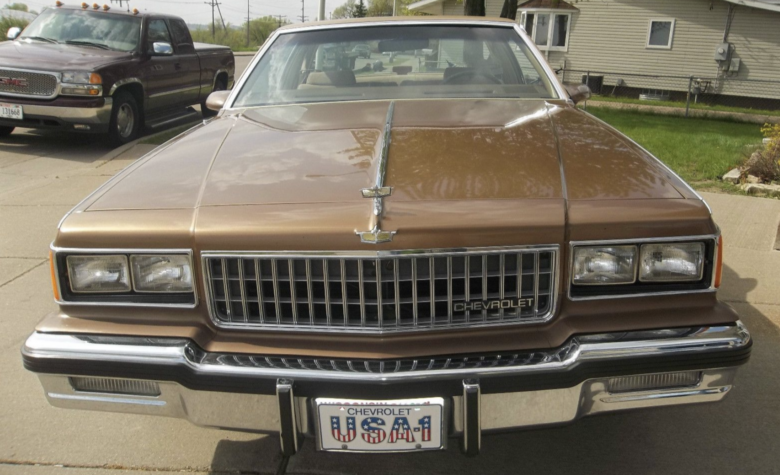
Nearly every full-size American car on the road
Bias-ply tires remained the default equipment on American cars well into the early 1970s, even as radial technology already existed and demonstrably offered better braking, traction, and handling in wet conditions. Most drivers never had a comparison point, so a dangerously high level of wet-road slip simply felt normal.
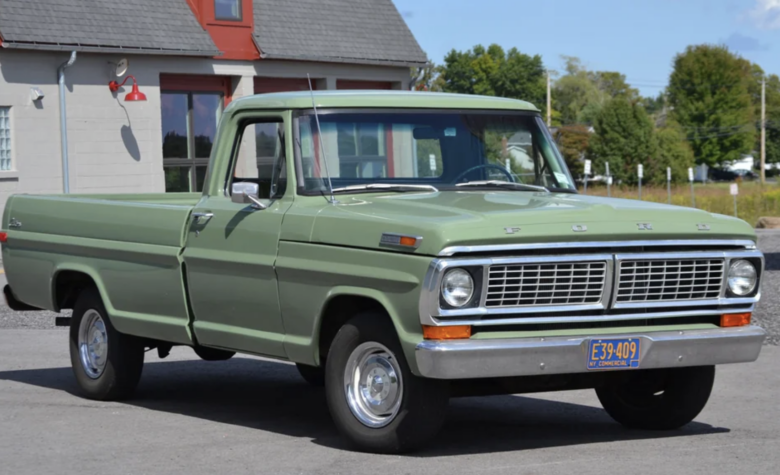
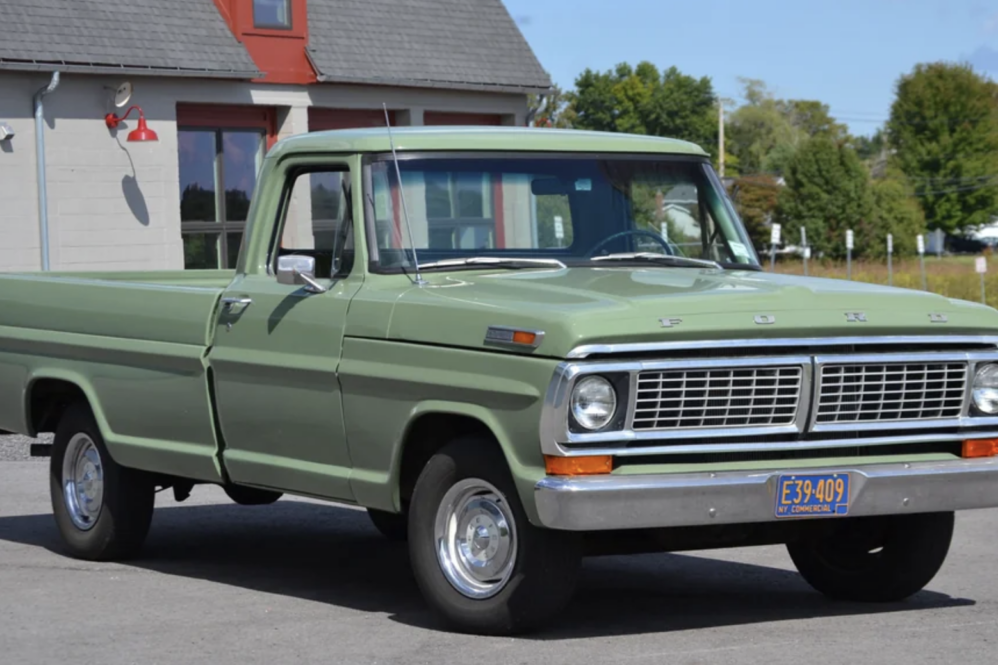
Any American car or truck riding on front drum brakes
Front disc brakes hadn’t yet become standard equipment, and drum brakes reacted badly to standing water. One driver who grew up with an older pickup described exactly what happened after driving through a deep puddle: hitting the brakes afterward could wrench the steering wheel hard to one side, if the brakes engaged evenly at all.
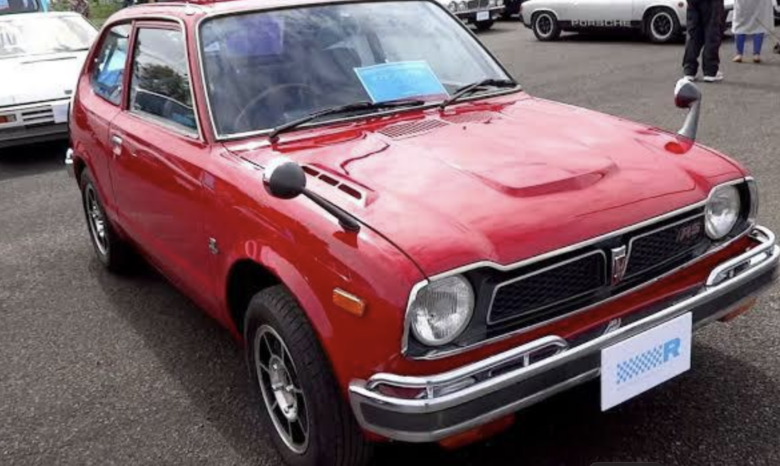
The Honda 1000
Not every wet-weather brake problem was decades-old drum technology. Honda issued a federal recall covering more than 118,000 units of the 1975 Honda 1000 after owners reported a noticeable loss of rear-brake effectiveness in heavy rain, with stopping distances increasing until the brakes gradually dried out and recovered.
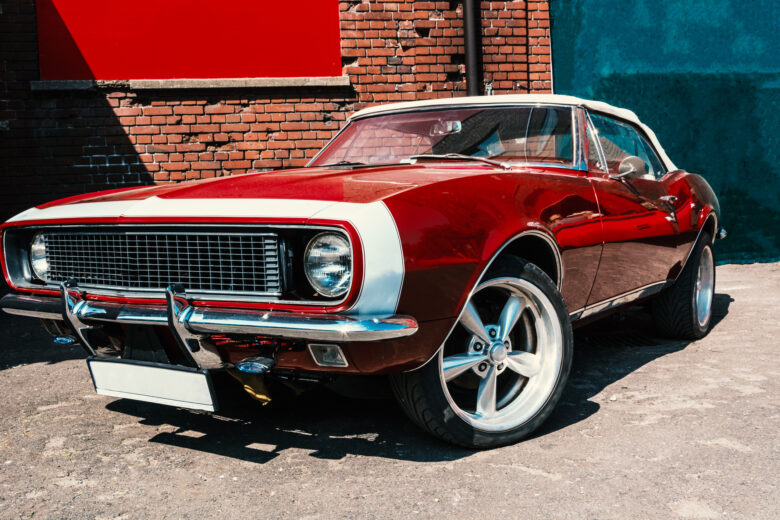
Muscle cars in general
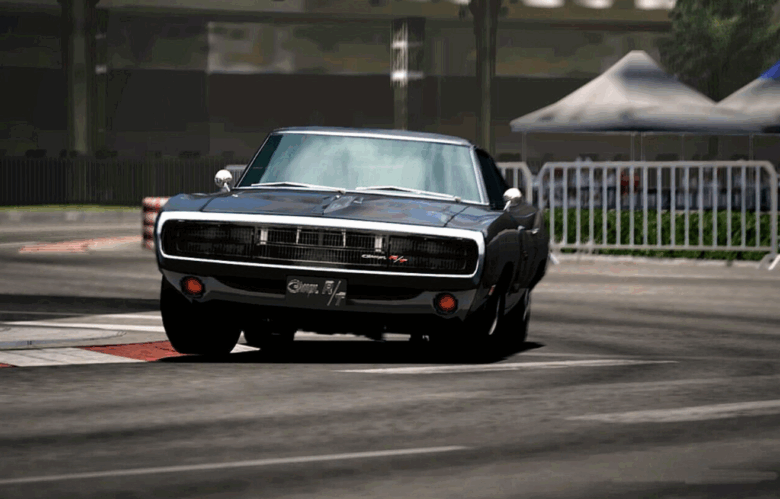
A Plymouth Road Runner or Dodge Charger putting several hundred horsepower through narrow bias-ply rear tires and, in many cases, no limited-slip differential at all was already a handful in the dry. In the rain, that same power delivery through a single spinning rear wheel turned an ordinary green light into a genuine test of throttle control.
The bottom line
None of these problems were secret at the time, exactly. They were simply accepted as part of driving, the same way bad headlights and unreliable ignition systems were, until radial tires, disc brakes, and better suspension geometry quietly made them obsolete.
Ask us! What questions do you have about content, strategy, pop culture, lifestyle, wellness, history or more? We may use your question in an upcoming article!
Related:
Like MediaFeed’s content? Be sure to follow us.
This article was syndicated by MediaFeed.co.