More than half of the American labor force is paid hourly, and for those workers, the minimum wage mandate under the Fair Labor Standards Act is an important part of protecting their salaries.
At a basic level, minimum wage is the minimum amount per hour employers can pay specific workers. It’s a figure that can only increase if and when Congress passes a bill and the President signs it into law. As a result, it has risen slowly over the years — it was last raised in 2009, with 2019 marking a record 10-year gap in increases. Adjusted for inflation, the minimum wage is 17% lower than it was in 2009, and 31% lower than it was at its peak in 1968.
It doesn’t apply equally to all workers, either. For example, those who receive tips earn a minimum wage of just $2.13 per hour, though their combined income (wages and tips) must equal the federal minimum wage. And those younger than 20 years old can be paid $4.25 per hour for the first 90 days of employment.
Many states have their own minimum wage laws, which can raise the required minimum further for those covered. At $14 an hour, Washington, D.C., has the highest minimum wage in the country.
Here’s what else you should know about the minimum wage:
Image Credit: monkeybusinessimages/iStock.
The states with the most minimum wage workers

From a regional standpoint, the South claims both the highest raw number of workers who are paid at or below the minimum wage, as well as the largest percentage of those workers, as compared to other regions. On the other hand, the West has the smallest number and share of those workers.
Image Credit: scyther5/iStock.
Who is most likely to make minimum wage

According to the U.S. Bureau of Labor Statistics, those who earn at or below the minimum wage tend to skew young (under 25) and work in service industries. Here’s a closer look at minimum wage worker demographics:
Age: Workers 24 or under make up about half of those paid at or below minimum wage, despite the fact that they make up a fifth of all hourly earners. So although the makeup is split about 50/50 between those 25 or older and younger workers ages 16 to 24, the odds favor the latter group.
Race: Of those who were paid hourly and earned at or below minimum wage, 72.6% are white. Hispanic and Latino workers were the next most likely (18.9%), followed closely by African Americans (18.3%). Asian workers were the least likely, at just 4%.
Gender: Women are only slightly more likely to make at or below minimum wage, with 3% of the demographic fitting the category among those who are paid on an hourly basis. Two percent of men, on the other hand, are in the same position.
Occupation: Service industry workers — particularly those who work with food preparation and serving-related occupations — are the most likely to earn at or below the minimum wage, with about 6% of those workers falling into that earning category. Comparatively, only 2.1% of all hourly-paid workers 16 and older make the same rates.
Image Credit: bernardbodo/iStock.
State minimum wage laws

Twenty-nine states, as well as the District of Columbia, have minimum wage laws higher than the federal minimum wage and 16 states, as well as Puerto Rico, have minimum wage laws that match the federal minimum wage. Five states, on the other hand, currently do not have any such laws in place. Those are: Alabama, Louisiana, Mississippi, South Carolina and Tennessee.
When a state has an established minimum wage law, employers are required to comply with both that law and the federal minimum wage. However, it’s worth noting that factors like age or student status may exempt certain people from those state laws.
For context, only two states — Alaska and Connecticut — had minimum wage laws above the federal limit in 1980. So, over time, significant progress has been made when it comes to states embracing their ability to guarantee a higher minimum wage to residents.
Image Credit: DragonImages/iStock.
The future of minimum wage

At that current hourly minimum, a full-time worker would make just under $13,920 per year — that’s about $1,000 over the federal poverty level for a single person living in the contiguous United States. That’s why it’s important to make the distinction between minimum wage and a living wage. For instance, in some states, the median cost of rent is higher than what a minimum wage worker earns. That could be why some states, including California, New York and Massachusetts, and cities like Los Angeles, San Francisco and Washington, D.C., are making moves toward a $15 minimum wage.
The federal government seems to be following suit. In July 2019, the U.S. House of Representatives passed a bill that would also raise the federal minimum wage to $15 per hour by 2025. According to the Congressional Budget Office’s estimates, doing so would significantly boost the wages of 17 million workers, while about 1.3 million could lose their jobs. Of course, the law would have to pass the Senate and be signed by the President in order to become law.
Image Credit: Prostock-Studio/iStock.
Alabama
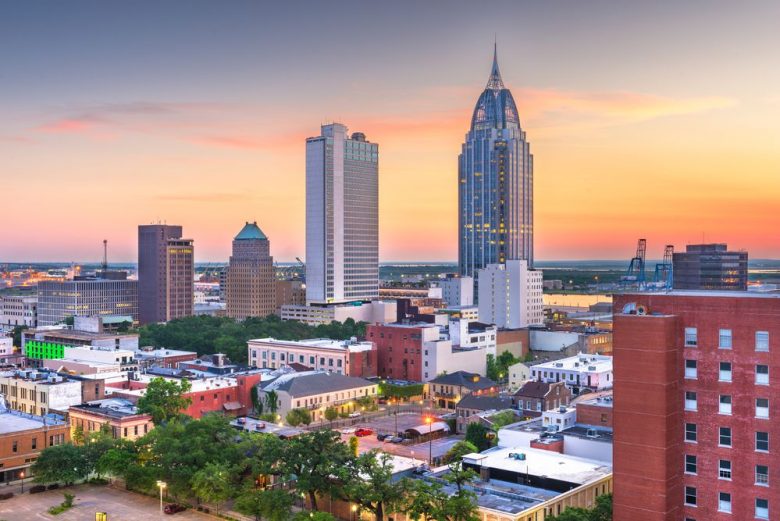
Number of workers at or below minimum wage: 37,000
Minimum wage: none
Image Credit: DepositPhotos.com.
Alaska

Number of workers at or below minimum wage: 2,000
Minimum wage: $10.19
Image Credit: DepositPhotos.com.
Arizona
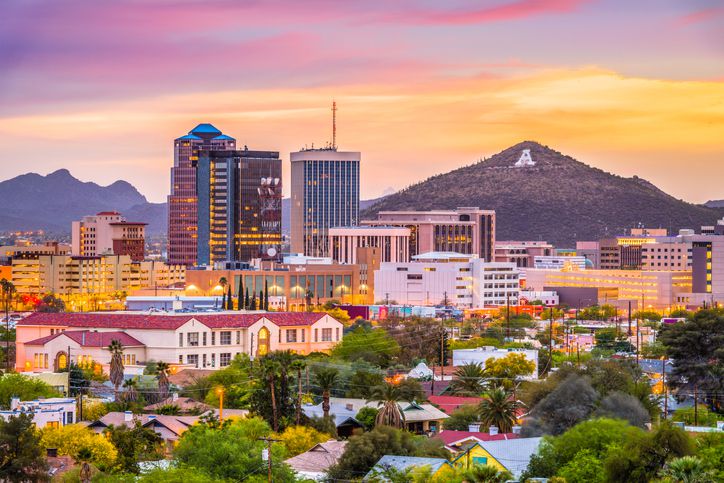
Number of workers at or below minimum wage: 20,000
Minimum wage: $12
Image Credit: Sean Pavone / iStock.
Arkansas
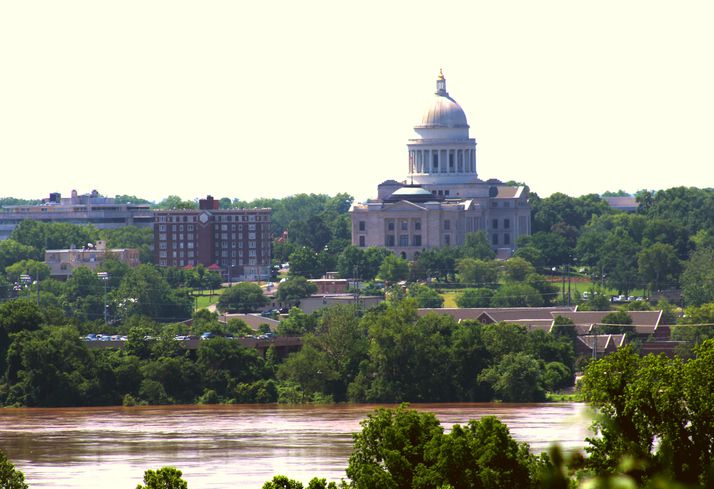
Number of workers at or below minimum wage: 12,000
Minimum wage: $10
Image Credit: iStock.
California

Number of workers at or below minimum wage: 93,000
Minimum wage: $13
Image Credit: DepositPhotos.com.
Colorado
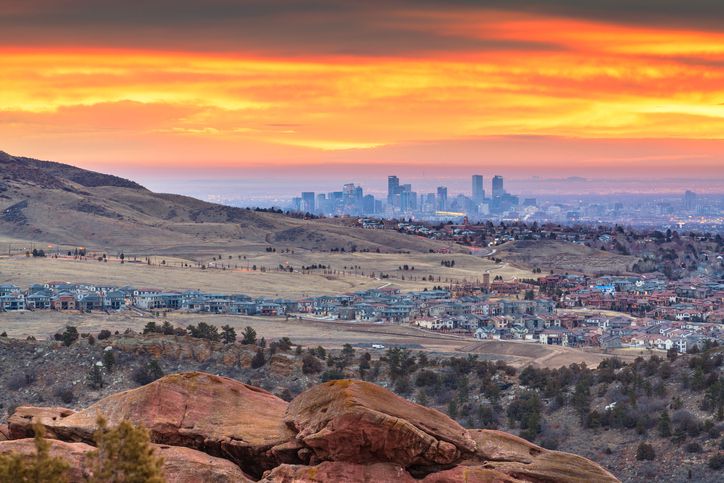
Number of workers at or below minimum wage: 21,000
Minimum wage: $12
Image Credit: iStock.
Connecticut
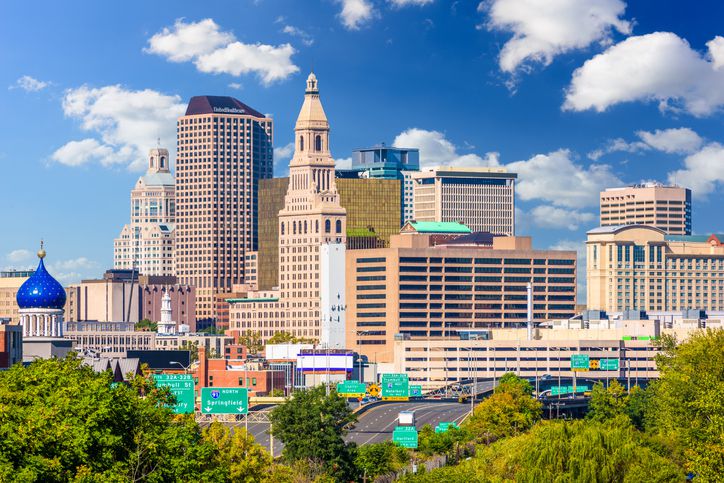
Number of workers at or below minimum wage: 15,000
Minimum wage: $11
Image Credit: Sean Pavone / iStock.
Delaware

Number of workers at or below minimum wage: 5,000
Minimum wage: $9.25
Image Credit: Getty.
District of Columbia
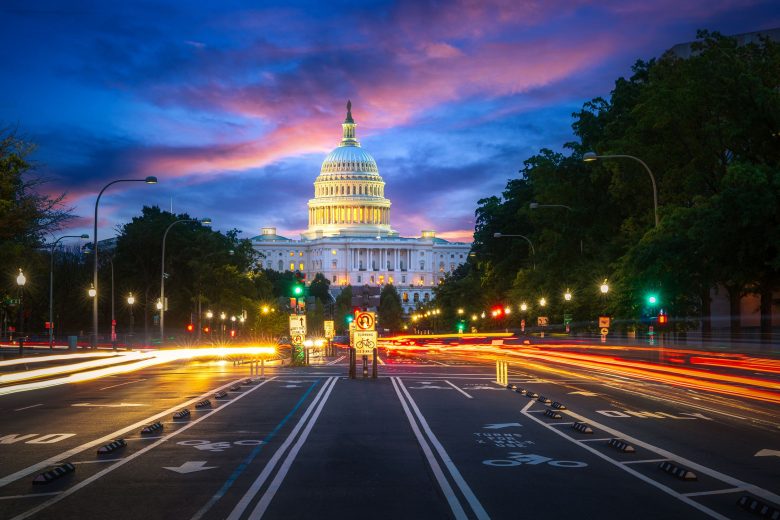
Number of workers at or below minimum wage: 4,000
Minimum wage: $14
Image Credit: NeoPhoto/istockphoto.
Florida

Number of workers at or below minimum wage: 112,000
Minimum wage: $8.56
Image Credit: DepositPhotos.com.
Georgia

Number of workers at or below minimum wage: 53,000
Minimum wage: $5.15
Image Credit: DepositPhotos.com.
Hawaii

Number of workers (in thousands) at or below minimum wage: 8,000
Minimum wage: $10.10
Image Credit: Pixabay.com.
Idaho

Number of workers at or below minimum wage: 11,000
Minimum wage: $7.25
Image Credit: DepositPhotos.com.
Illinois
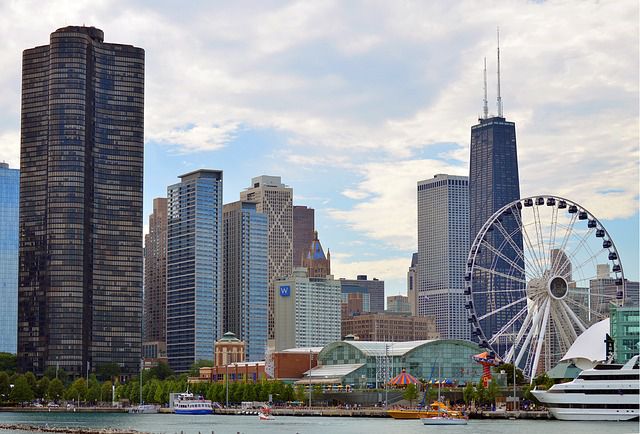
Number of workers at or below minimum wage: 55,000
Minimum wage: $9.25
Image Credit: Pixabay.com.
Indiana

Number of workers at or below minimum wage: 52,000
Minimum wage: $7.25
Image Credit: DepositPhotos.com.
Iowa
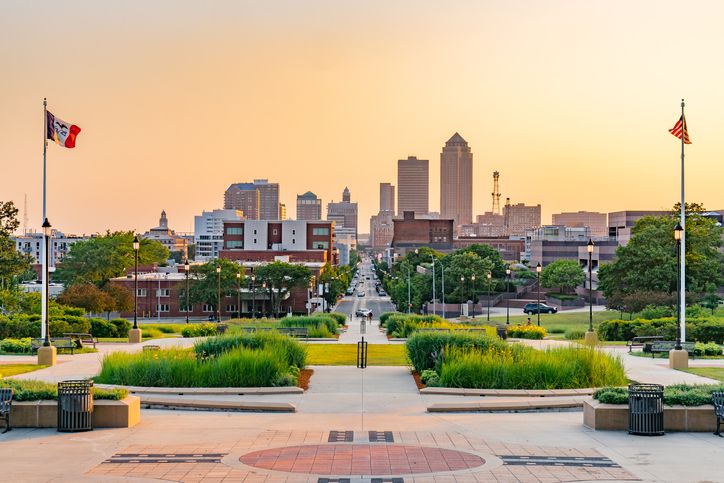
Number of workers (in thousands) at or below minimum wage: 20,000
Minimum wage: $7.25
Image Credit: iStock.
Kansas
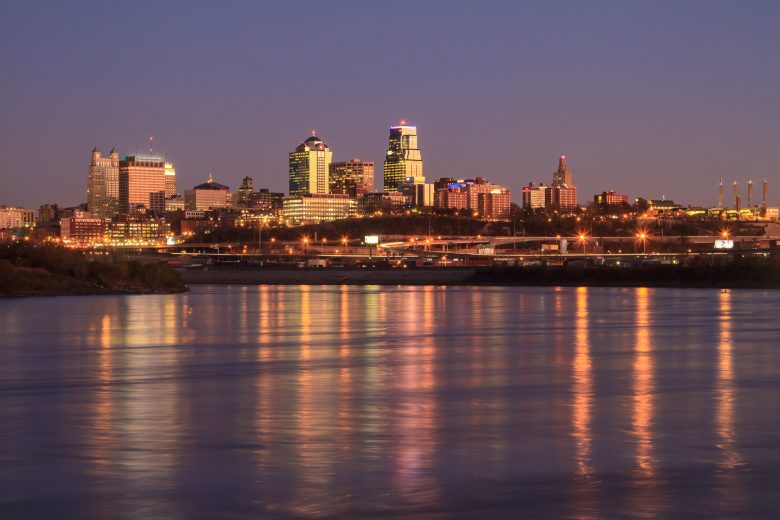
Number of workers at or below minimum wage: 17,000
Minimum wage: $7.25
Image Credit: tomofbluesprings / iStock.
Kentucky
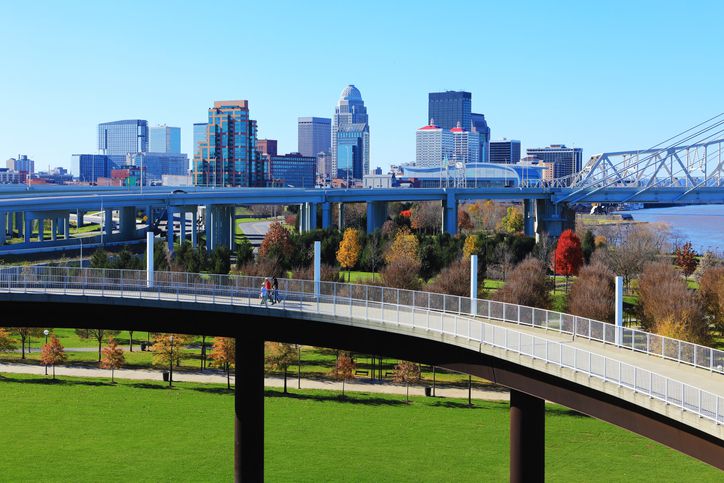
Number of workers at or below minimum wage: 30,000
Minimum wage: $7.25
Image Credit: hstiver / iStock.
Louisiana
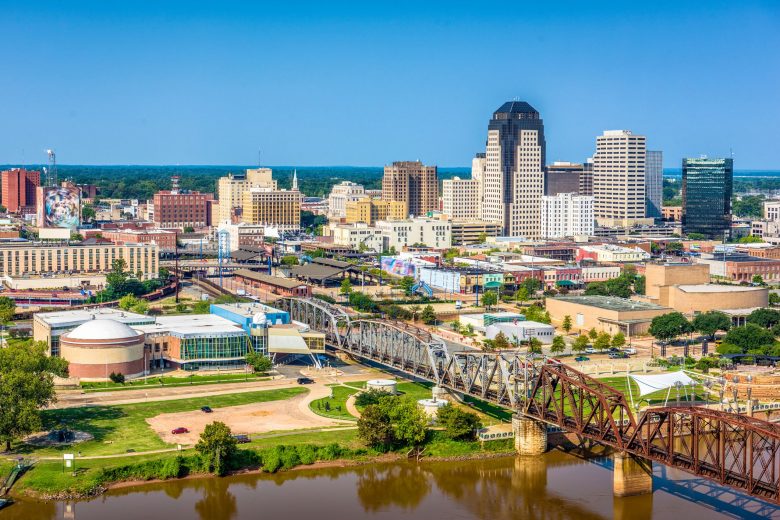
Number of workers at or below minimum wage: 49,000
Minimum wage: none
Image Credit: Sean Pavone/istockphoto.
Maine
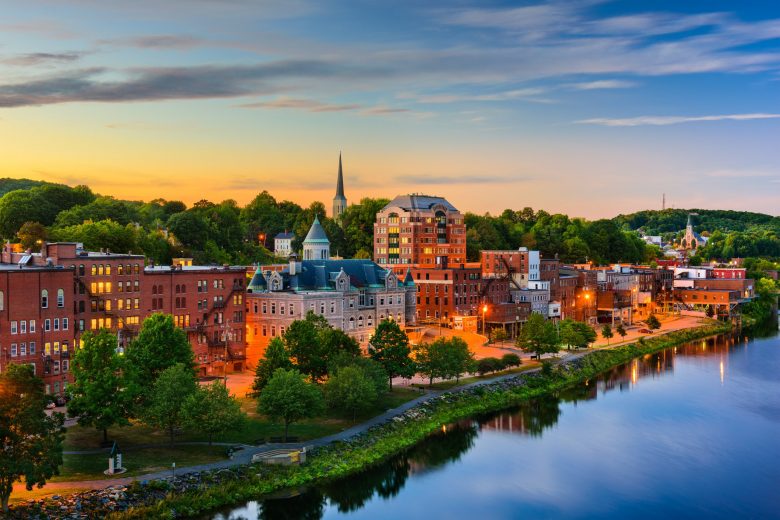
Number of workers at or below minimum wage: 7,000
Minimum wage: $12
Image Credit: Getty.
Maryland

Number of workers at or below minimum wage: 31,000
Minimum wage: $11
Image Credit: Getty.
Massachusetts

Number of workers at or below minimum wage: 32,000
Minimum wage: $12.75
Image Credit: DepositPhotos.com.
Michigan
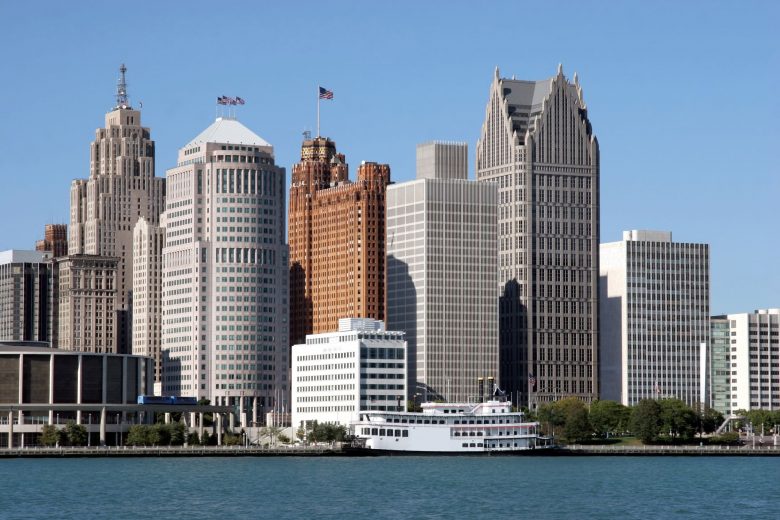
Number of workers at or below minimum wage: 46,000
Minimum wage: $9.65
Image Credit: DepositPhotos.com.
Minnesota
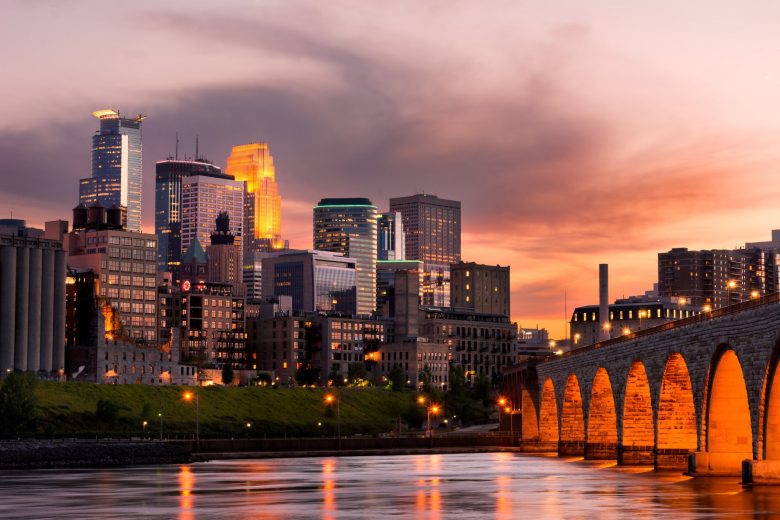
Number of workers at or below minimum wage: 11,000
Minimum wage: $10
Image Credit: Scruggelgreen.
Mississippi

Number of workers at or below minimum wage: 22,000
Minimum wage: none
Image Credit: JayL/shutterstock.
Missouri

Number of workers at or below minimum wage: 34,000
Minimum wage: $9.45
Image Credit: Getty.
Montana

Number of workers at or below minimum wage: 3,000
Minimum wage: $8.65
Image Credit: Pixabay.
Nebraska
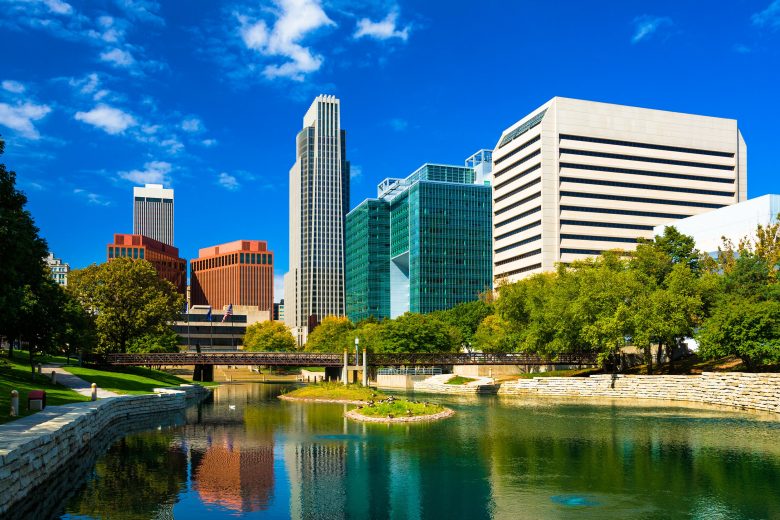
Number of workers at or below minimum wage: 9,000
Minimum wage: $9
Image Credit: Davel5957/istockphoto.
Nevada

Number of workers at or below minimum wage: 13,000
Minimum wage: $8.25
Image Credit: Deposit Photos.
New Hampshire

Number of workers at or below minimum wage: 12,000
Minimum wage: $7.25
Image Credit: iStock.
New Jersey

Number of workers at or below minimum wage: 37,000
Minimum wage: $11
Image Credit: iStock.
New Mexico
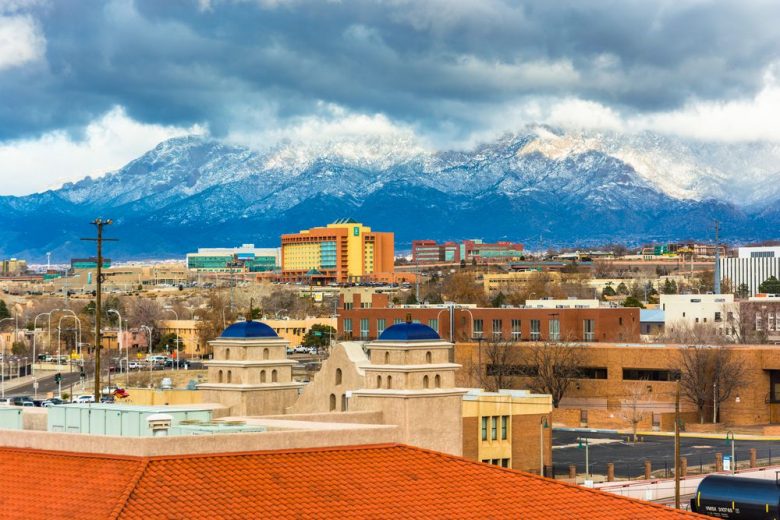
Number of workers at or below minimum wage: 15,000
Minimum wage: $9
Image Credit: Deposit Photos.
New York

Number of workers at or below minimum wage: 63,000
Minimum wage: $11.80
Image Credit: Frederic Prochasson.
North Carolina
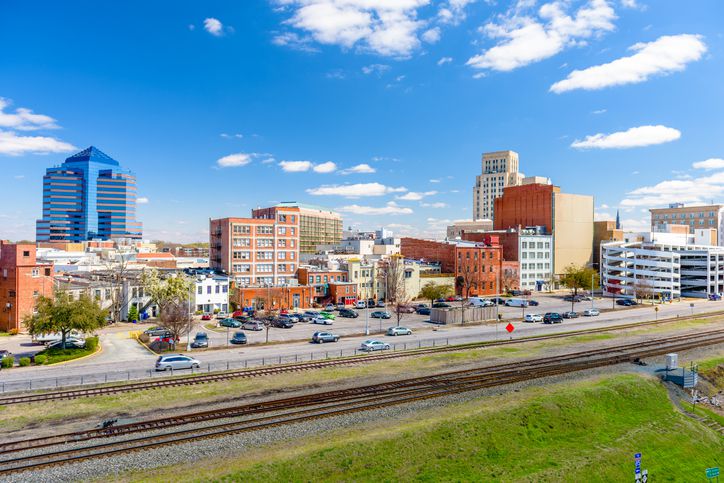
Number of workers at or below minimum wage: 79,000
Minimum wage: $7.25
Image Credit: Sean Pavone / iStock.
North Dakota
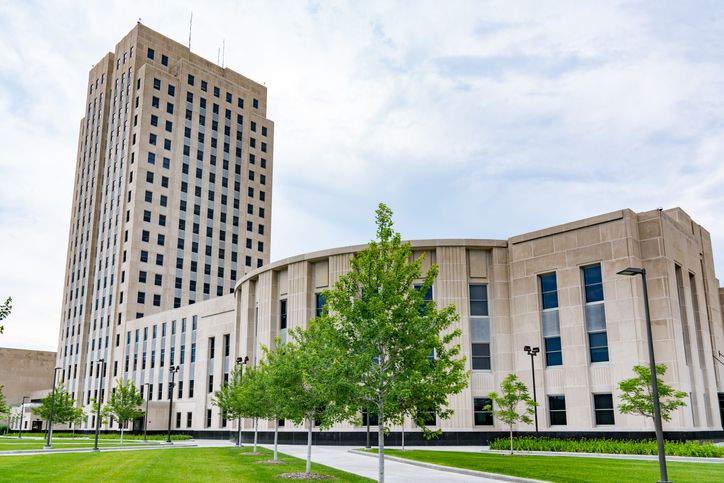
Number of workers at or below minimum wage: 3,000
Minimum wage: $7.25
Image Credit: iStock.
Ohio

Number of workers at or below minimum wage: 66,000
Minimum wage: $8.70
Image Credit: DepositPhotos.com.
Oklahoma

Number of workers at or below minimum wage: 24,000
Minimum wage: $7.25
Image Credit: DepositPhotos.com.
Oregon

Number of workers at or below minimum wage: 8,000
Minimum wage: $11.25
Image Credit: DepositPhotos.com.
Pennsylvania

Number of workers at or below minimum wage: 96,000
Minimum wage: $7.25
Image Credit: DepositPhotos.com.
Rhode Island
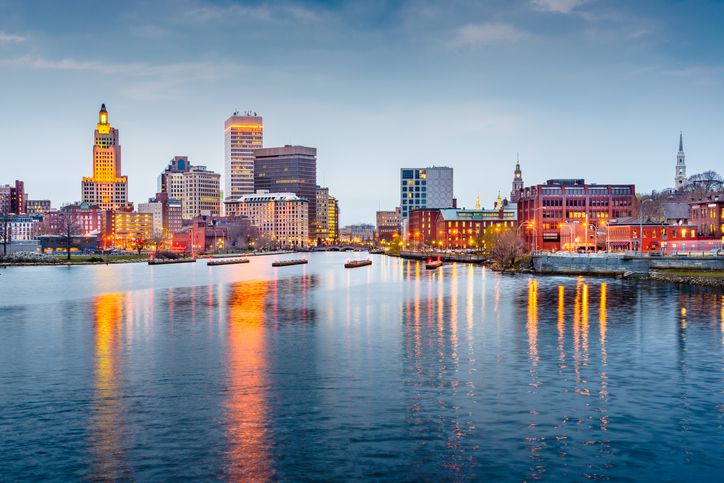
Number of workers at or below minimum wage: 7,000
Minimum wage: $10.50
Image Credit: iStock/Sean Pavone.
South Carolina

Number of workers at or below minimum wage: 48,000
Minimum wage: none
Image Credit: strickke.
South Dakota
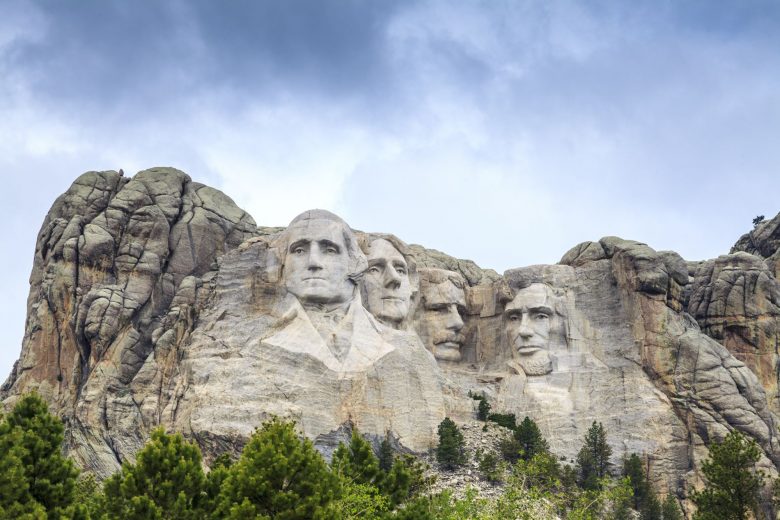
Number of workers at or below minimum wage: 4,000
Minimum wage: $9.30
Image Credit: DepositPhotos.com.
Tennessee

Number of workers at or below minimum wage: 58,000
Minimum wage: none
Image Credit: Vito Palmisano/istockphoto.
Texas
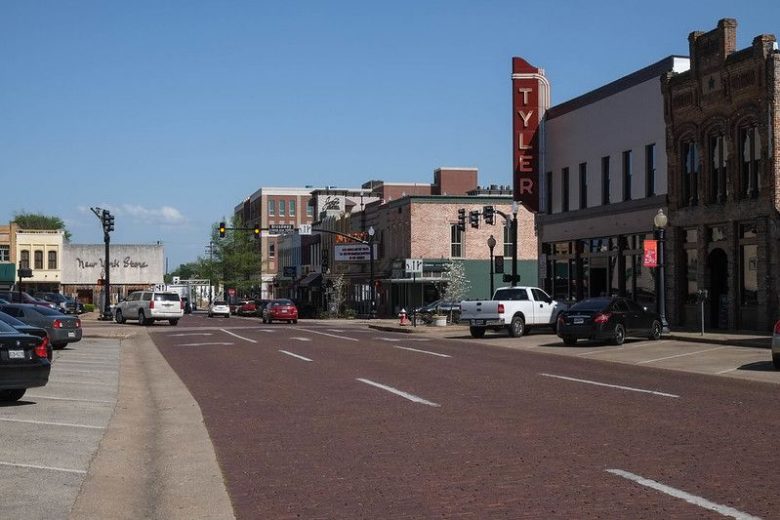
Number of workers at or below minimum wage: 226,000
Minimum wage: $7.25
Image Credit: Paul Sableman.
Utah

Number of workers at or below minimum wage: 14,000
Minimum wage: $7.25
Image Credit: DepositPhotos.com.
Vermont

Number of workers at or below minimum wage: 4,000
Minimum wage: $10.96
Image Credit: DepositPhotos.com.
Virginia
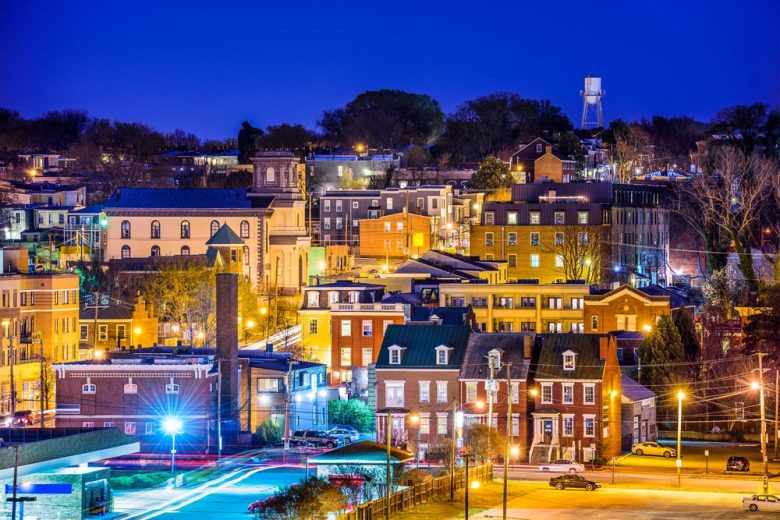
Number of workers at or below minimum wage: 56,000
Minimum wage: $7.25
Image Credit: DepositPhotos.com.
Washington

Number of workers at or below minimum wage: 13,000
Minimum wage: $13.50
Image Credit: Amanda Grove.
West Virginia

Number of workers at or below minimum wage: 8,000
Minimum wage: $8.75
Image Credit: ” Chayanisa Puttamata”.
Wisconsin
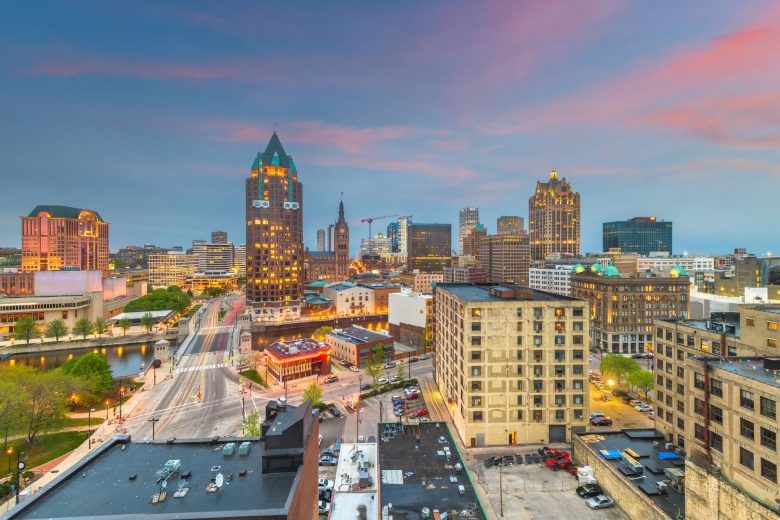
Number of workers at or below minimum wage: 42,000
Minimum wage: $7.25
Image Credit: DepositPhotos.com.
Wyoming
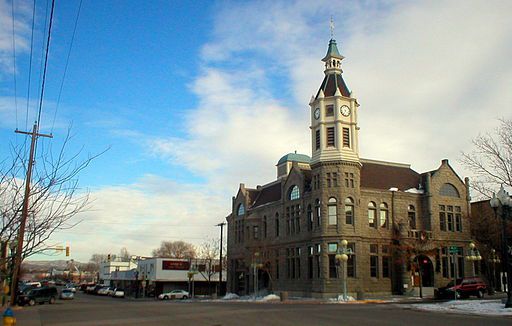
Number of workers at or below minimum wage: 4,000
Minimum wage: $5.15
Image Credit: Milonica .
How to manage your money on a tight budget

Managing your finances when you don’t have a lot of wiggle room is always a challenge. Here are some tips to help you deal:
Make a budget: Knowing where you stand — what all of your expenses are, including irregular expenses, as well as your average earnings — is a vital first step to planning for your financial future and setting realistic expectations. It can also help you identify creative ways to save money, even if you’re already doing as much as you can to minimize commonly targeted expenses, like food and entertainment. For example, you could look into negotiating for a lower price or changing providers for expenses like car insurance, or your cell phone or cable bill.
Plan for bad months: As a general rule, it’s always best to plan for your worst-case scenario, rather than an average or best-case, if, for example, you have an irregular income. That way, you won’t be caught off guard during a lower-income month and you’ll be in a better financial position for all those months when you make more than that. To understand what that worst-case scenario looks like for you, try going back through your paychecks for the past six to 12 months and look for the lowest figures.
Avoid windfall spending: A sudden influx of extra cash can be tempting to spend since it can help alleviate financial pressure. But for those who are living paycheck to paycheck, saving that money can help you avoid taking on debt when unexpected expenses pop up. It’s not an all-or-nothing situation, though. You may, for example, find it best to split a windfall by saving half of it and using the rest to pay down existing high-interest debts.
Share housing: For many, rent or a mortgage payment is their largest monthly expense, so changing your living situation can go a long way to helping you save. That’s especially true if you’re able to split the costs with a roommate or partner. For those who can swing it, this can help create a larger, more comfortable financial monthly cushion and that can help you improve your overall finances.
Avoid high-interest debt: Taking on debt can sometimes be necessary, but if at all possible, avoid high-interest debts like payday loans. Those can come with interest rates in the triple digits, which can spell financial disaster if you aren’t able to pay them off right away. If you’re really stuck, opt for lower-interest options, like a zero-interest credit card or even a loan from a family member, before resorting to those kinds of dangerous funding options.
Look into government assistance: There are government programs which can help low-income individuals save money on necessities like food, healthcare and housing. Those can go a long way in alleviating the pressure of a tight budget as well. Just be aware that you may have to recertify annually for those, so be sure to familiarize yourself with the requirements so that you aren’t caught off-guard by a sudden drop from the program after the first year.
This article originally appeared on MagnifyMoney.com and was syndicated by MediaFeed.org.
Image Credit: Smitt/iStock.