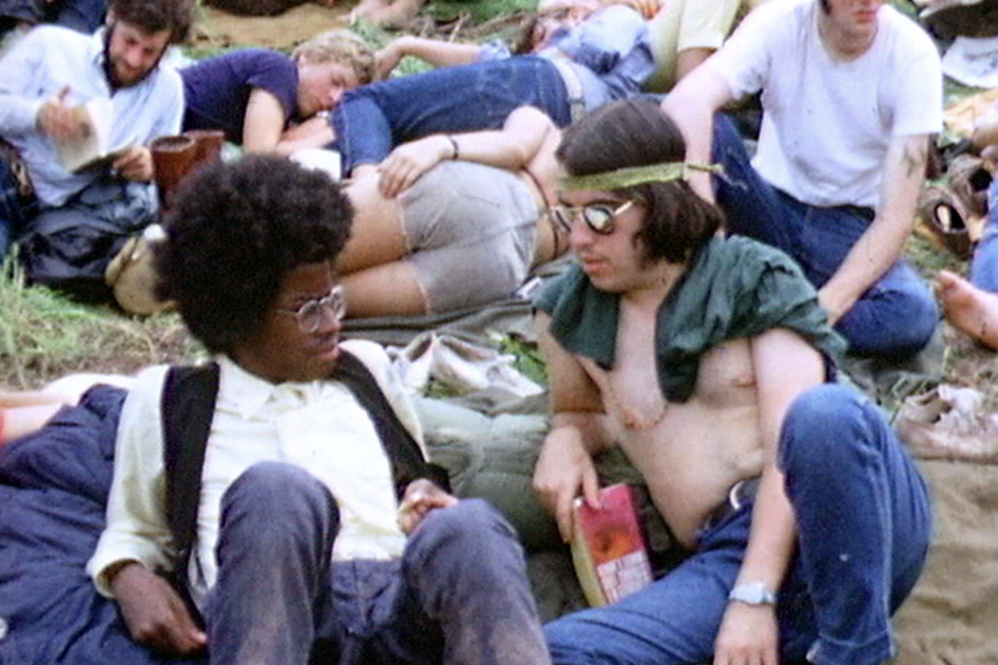
Organized by four inexperienced promoters, the most famous of the ‘60s rock festivals was held on a farm property in Bethel, New York, in 1969.
The Woodstock Music and Art Fair began to go wrong almost immediately. The towns of both Woodstock and Wallkill denied permission, but a farmer called Max Yasgur agreed to host it on his land. The name Woodstock stayed as it was for the famous town where Bob Dylan lived.
Only a few tickets were sold, but some 400,000 people showed up asking for free entry, and since there was no security, they all got in.
The weather also appeared to be against the festival. Rain turned the site into a sea of mud, but still the audience resisted, possibly because large amounts of everything they consumed, and the festival went on.
Promoters John Roberts, Joel Rosenman, Artie Kornfield and Michael Lang originally wanted the festival to raise funds to build a recording studio and rock-and-roll retreat near Woodstock, but the festival left them nearly bankrupt.
But as they held the ownership of the film and recording rights, it compensated for the losses after the release of a documentary film in 1970.
Although it was initially reported by mainstream media as chaotic and disastrous, the media tone shifted as the weekend progressed, with nearly half a million young people sharing resources and managing to stay remarkably calm despite rough conditions. The success of Woodstock was inspiring, especially among the younger generation.
In 2008, the Museum at Bethel Woods opened to educate visitors about the music and culture of the Woodstock era.
Ask us! What questions do you have about content, strategy, pop culture, lifestyle, wellness, history or more? We may use your question in an upcoming article!
Like MediaFeed’s content? Be sure to follow us.
This article was syndicated by MediaFeed.co