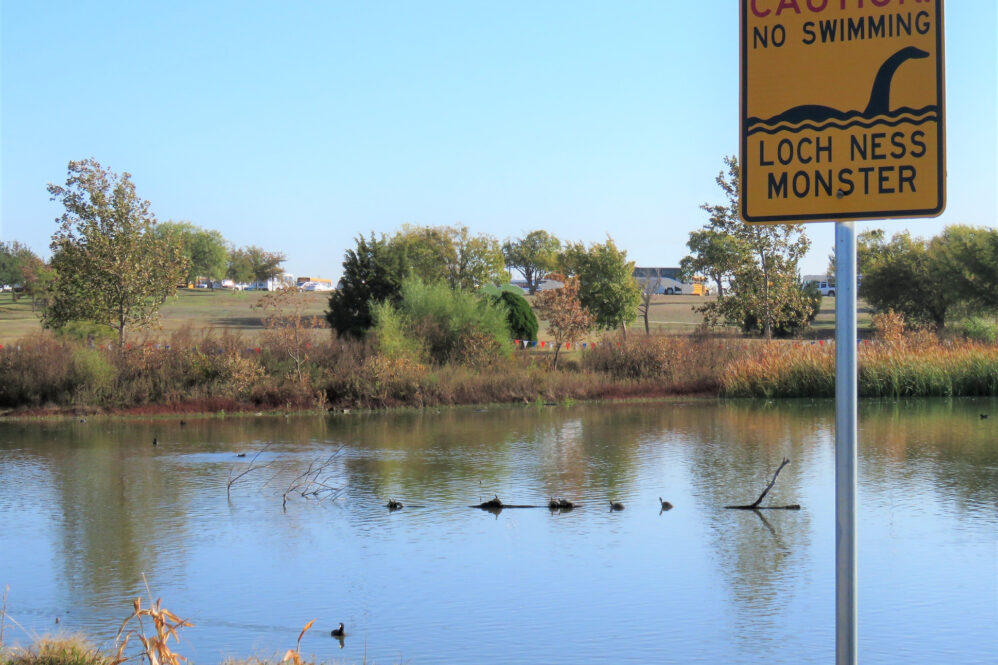
The legend of the Loch Ness Monster, or Nessie, is one of the most famous mysteries in the world. On May 2, 1933, the Inverness Courier published a report of a local couple, Mr. and Mrs. Mackay, who claimed to have seen an enormous animal plunging on the surface of Loch Ness. Mrs. Mackay described a creature that looked somewhat like a whale. And on this day, the legend of the Loch Ness Monster was born
The newspaper’s editor chose to use the word “monster” to describe the sighting, and the name stuck. Within months, the story became a global media phenomenon. London newspapers sent correspondents to Scotland, and many people began obsessing over capturing the mysterious monster. Circus owner Bertram Mills offered a £20,000 reward to capture the Loch Ness Monster for his show.
The first recorded sighting of a monster in the area actually dates back to 565 A.D. According to legend, Saint Columba was visiting the land of the Picts when he came across men burying a friend who had been attacked by what he called a water beast in the River Ness.
The Saint reportedly sent one of his followers into the water to lure the creature out. When it appeared, Columba made the sign of the cross and commanded the beast to retreat. Legend says the creature fled immediately. While skeptics argue this was a common motif in medieval stories, believers point to it as early evidence of a resident monster.
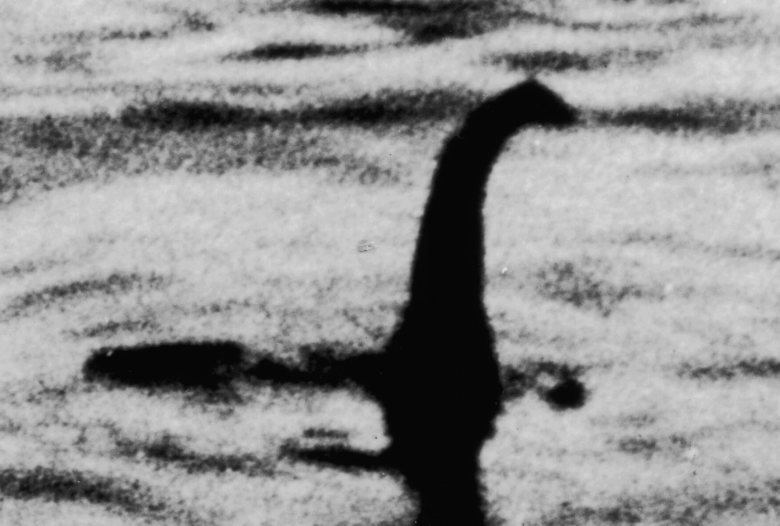
In 1934, the most famous photo of Nessie was taken by a London physician named Robert Kenneth Wilson. The photo shows a long neck and a small head rising from the water. Known as the “Surgeon’s Photograph,” it reigned for sixty years as the best proof of Nessie’s existence. However, in 1994, it was revealed to be a hoax, a toy submarine fitted with a fake head.
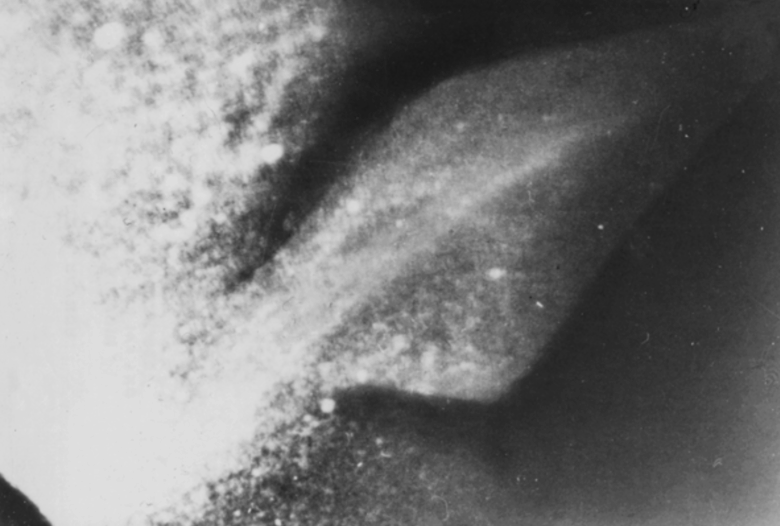
Over the decades, investigators have used advanced technology to search the waters. In the 1960s, British universities launched sonar expeditions. While they found no monster, they did detect large, moving underwater objects. In the 1970s, underwater photos captured an image that appeared to show a giant flipper.
These photos were taken during a joint Academy of Applied Science (AAS) and Loch Ness Investigation Bureau (LNI) project at Loch Ness, and they are still frequently presented in the media as evidence for the existence of monsters.
And in the 1990s, Project Urquhart used sonar to scan the loch, finding large fish shoals but no prehistoric reptiles.
Despite the lack of firm evidence and several high-profile hoaxes, the Loch Ness Monster remains a massive tourist attraction. Some scientists have suggested the sightings could be explained by giant eels, which sonar readings have confirmed live in the loch.
A famous robot submarine called Boaty McBoatface accidentally found a 55-year-old camera at the bottom of Loch Ness. The robot’s propeller got caught on the camera’s ropes during a test dive.
The Loch Ness Investigation Bureau likely dropped the camera there in the 1970s as they were trying to prove the Loch Ness Monster existed. No photos of “Nessie” were found, just a few blurry shots of the dark water.
Scientists use the deep waters of Loch Ness to test underwater robots before sending them into the ocean. While they didn’t find a monster, they are happy to have recovered this lost piece of history.
People are still searching for the Loch Ness Monster, with new potential sightings reported in 2025, as a potential sighting of a “large dark mass” prompted further investigation, as reported by The Loch Ness Experience.
Nagina Ishaq, General Manager of the Loch Ness Centre, commenting on the sighting, said:
“We’ve had numerous observations over the years, but this recent sighting has been particularly captivating. The conditions on the day of this sighting were absolutely perfect. This could very well be our first significant sighting of the year, further fuelling the mystery surrounding Loch Ness and its most famous resident.”
Ask us! What questions do you have about content, strategy, pop culture, lifestyle, wellness, history or more? We may use your question in an upcoming article!
Like MediaFeed’s content? Be sure to follow us.
This article was syndicated by MediaFeed.co