
This day in history: The first prisoners arrive at Guantanamo Bay
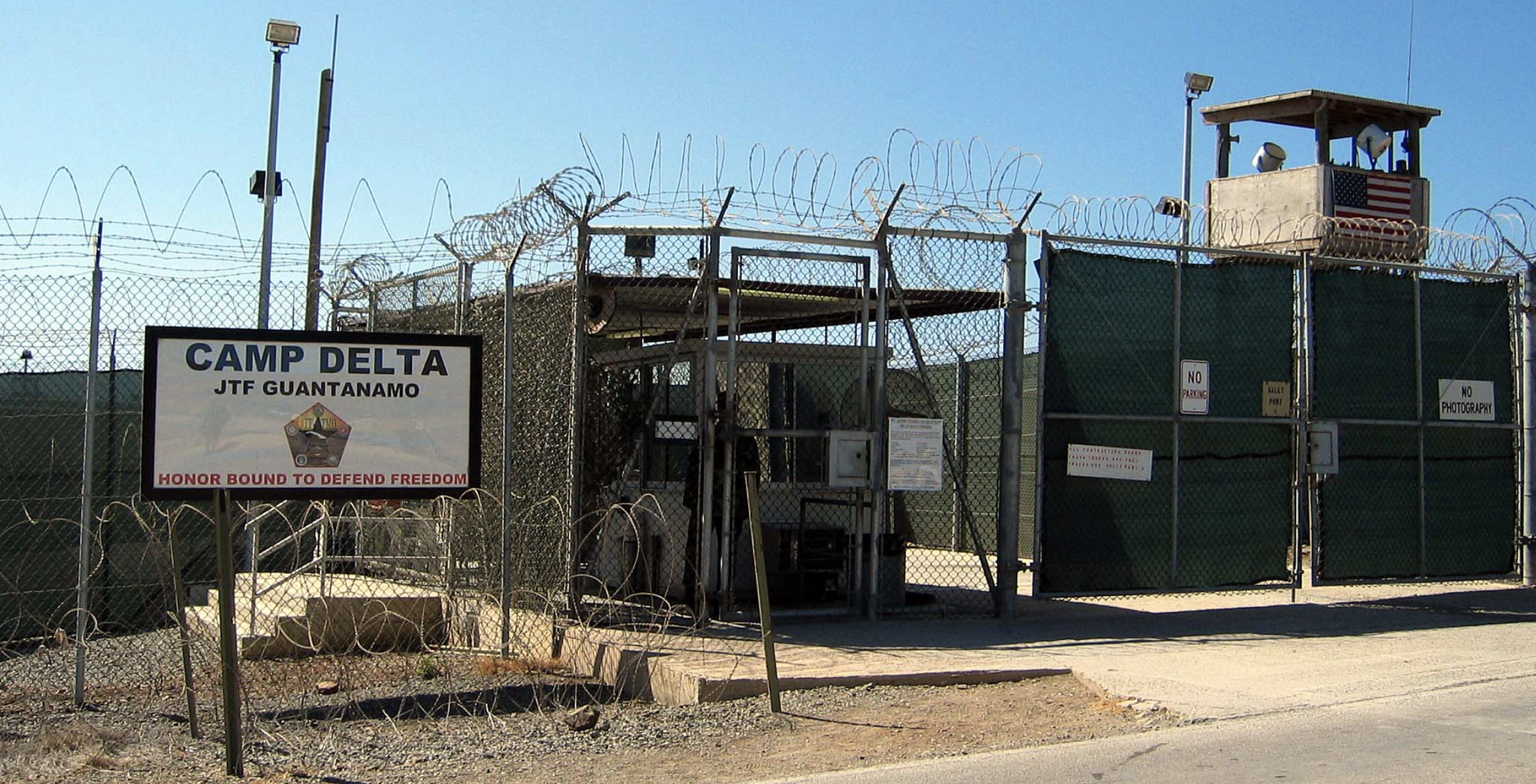
On January 11, 2002, the first 20 detainees arrived at Guantanamo Bay’s Camp X-Ray, marking the beginning of one of America’s most controversial detention operations. What made this moment truly unsettling was the bizarre, dystopian details of how it actually unfolded.
The sensory deprivation spectacle
The prisoners endured an 8,000-mile journey under conditions that seemed designed to disorient. They wore fluorescent orange jumpsuits, blackened goggles with duct tape over the lenses, earmuffs, and surgical masks. Shackled and chained to their seats for a 20-hour flight, they were even barred from using the toilets. The sensory deprivation was so extreme that Amnesty International immediately objected, warning that prisoners might have been drugged during transport.
A legal twilight zone
Perhaps the strangest aspect was the location itself. Guantanamo Bay was deliberately chosen because it occupied a legal gray zone. Though under U.S. control, the base technically isn’t American soil, allowing the Bush administration to argue that detainees had no constitutional rights. Defense Secretary Donald Rumsfeld labeled them “unlawful combatants” who didn’t qualify for Geneva Convention protections, creating a category that existed outside both U.S. and international law.
Wire cages in paradise
The detainees arrived at Camp X-Ray, originally built for Cuban and Haitian refugees in the 1990s. They were housed in 6-by-8-foot outdoor cages made of chain-link fence with concrete floors and metal roofs. The International Committee of the Red Cross wasn’t granted access until six days later. Meanwhile, Vice President Dick Cheney described the prisoners as “the worst of a very bad lot” devoted to “killing millions of Americans,” though most would never be charged.
The bizarre contradiction
Guards at Camp X-Ray lived in tents with conditions “not markedly different” from the prisoners themselves during the construction of permanent facilities at the base. Yet these detainees faced accusations of being the most dangerous terrorists while living in outdoor cages. The contrast between apocalyptic rhetoric and makeshift conditions created a surreal disconnect.
Wrap up
What began that January day became a 23-year saga that housed 780 detainees from 48 countries. The orange jumpsuits, sensory deprivation techniques, and legal black holes became defining images of post-9/11 America. Today, only 15 prisoners remain at Guantanamo, a controversial facility that costs American taxpayers $540 million annually and stands as history’s most expensive detention operation.
Related:
- This day in history: The odd legacy of a scientific hoax is born
- The Beatles ‘Let It Be’ with their last studio session
Like MediaFeed’s content? Be sure to follow us.
This article was syndicated by MediaFeed.org.


