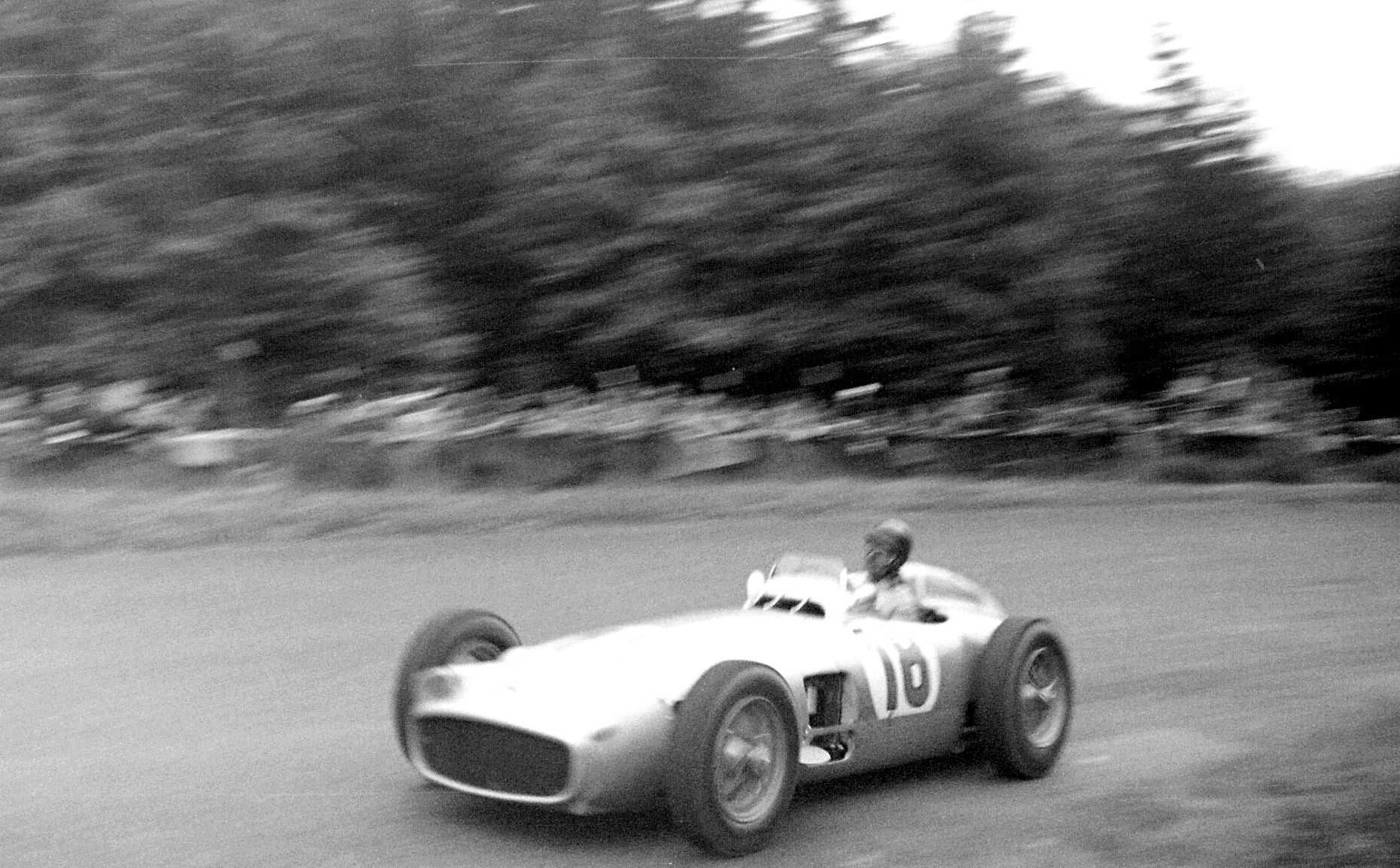
On February 23, 1958, five-time Formula One World Champion Juan Manuel Fangio was kidnapped in Havana, Cuba, by members of the 26th of July Movement, a revolutionary organization opposing the government of Cuban President Fulgencio Batista. The abduction occurred on the eve of the Cuban Grand Prix, a race organized in Havana as part of Batista’s effort to promote tourism and showcase Cuba as an international destination.
Fangio, widely regarded as one of the greatest drivers in motorsport history, had arrived in Havana to compete in the sports car race driving for Maserati. On the evening of February 23, armed rebels entered the Hotel Lincoln, where Fangio was staying, and took him without violence. The kidnappers reportedly told him that their action was political rather than personal and that they intended no harm. The objective was to draw international attention to the revolutionary movement and embarrass Batista’s government during a high-profile international event.
The kidnapping was carefully timed. By targeting a globally recognized athlete just before the race, the rebels ensured widespread media coverage. Fangio was held overnight but was treated respectfully, according to his later statements. He was released unharmed the following day, after the race had already taken place.
Despite Fangio’s absence, the Cuban Grand Prix proceeded as scheduled. However, the event was marred by tragedy when a crash during the race killed several spectators, further overshadowing Batista’s promotional efforts. The combination of the kidnapping and the fatal accident intensified scrutiny of the Cuban government and highlighted the instability in the country.
Fangio later stated that he understood the political motives behind the kidnapping and bore no resentment toward his captors. The incident became one of the most unusual and politically charged moments in motorsport history. Within a year, Batista’s government would fall, and Fidel Castro’s revolutionary forces would take control of Cuba in January 1959.
The events of February 23, 1958, stand as a unique intersection of international politics and auto racing. The kidnapping of Juan Manuel Fangio demonstrated how global sporting events could become platforms for political messaging, particularly during periods of national unrest.
Related:
- The state that’s the exception to America’s fall car theft rates
- The germiest things in your home that you use every day
Want more insights?
Check out better. magazine, our free digital zine! Get all things better – better ideas, better eating, better health, better entertainment & more.
Like MediaFeed’s content? Be sure to follow us.
This article was syndicated by MediaFeed.org.