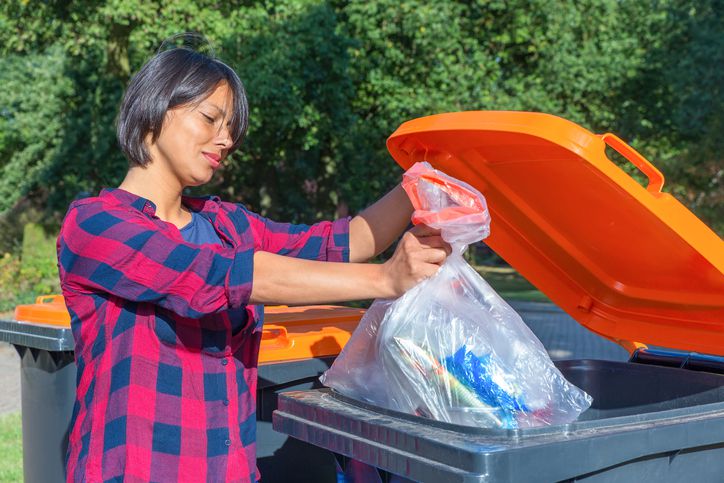
Things experts say you should stop storing in your house
Most of us have things we have been meaning to deal with for months, maybe years. Shoved in a garage, stacked in a basement, pushed to the back of a closet. The problem is that some of those things create fire hazards, health risks, and liabilities that are waiting for the right conditions, and experts say it is past time to stop holding onto them.

Old medications
That drawer full of expired prescriptions is not a safety net. It is a risk. The FDA recommends using drug take-back programs rather than storing or disposing of old medications at home, where they can be accidentally ingested, misused, or found by children. Expired drugs can also degrade chemically over time, making them ineffective at best and potentially harmful at worst. Most pharmacies and police stations now offer take-back drop boxes at no cost, with no questions asked.
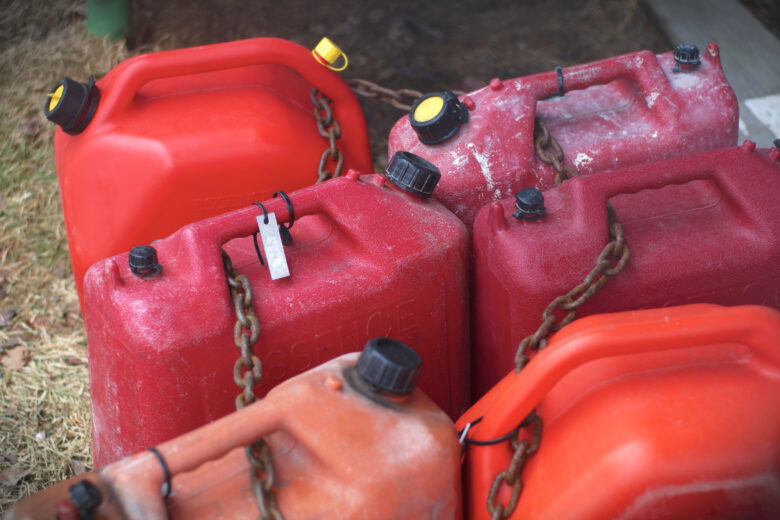
Gasoline cans inside the house
A gas can in the garage feels practical. Inside the house or basement, it is a different story entirely. The University of Georgia Extension lists gasoline among the most commonly mishandled household hazardous products: fumes accumulate in enclosed spaces, and a single ignition source is all it takes. Store it only in approved containers, outdoors and away from any heat source, and never bring it inside.
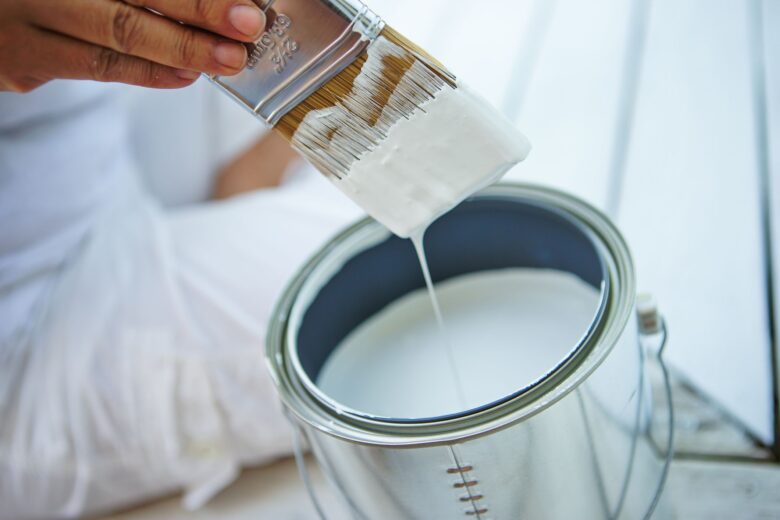
Old paint cans
Half-used paint cans tend to accumulate for years on the assumption that touch-ups are coming. Most of the time, they never do. Oil-based paints contain flammable solvents that release vapors as temperatures rise, and vapor buildup inside a sealed can is a genuine explosion risk, as fire safety experts warn. Check local hazardous waste programs for drop-off options and get them out of the house.
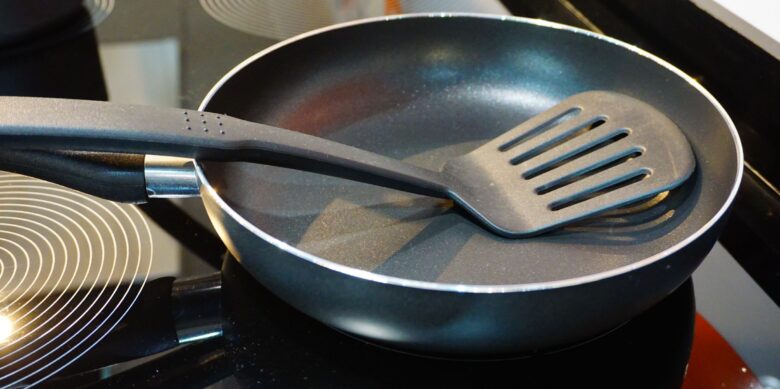
Damaged nonstick cookware
A scratched or flaking nonstick pan looks like a minor inconvenience. It is actually a health concern that most people overlook. Damaged nonstick surfaces release PFAS chemicals, a family of compounds linked to cancer and other health risks, directly into food when heated, researchers confirm. Replace them with stainless steel or cast iron, and stop cooking on something that is shedding into your meals.

Lithium-ion batteries stored loosely
Used batteries that still carry a charge are more dangerous than people realize. The U.S. Fire Administration warns that lithium-ion batteries should be removed from devices before storage, and that any battery showing discoloration, swelling, heat, or unusual odor should be treated as a potential fire hazard and disposed of at a proper recycling facility. Do not collect old batteries loosely in a drawer or bag where the terminals can contact metal objects and short-circuit.

Final word
None of this requires a weekend renovation project. It requires looking honestly at what you have been holding onto and asking a simple question: Is keeping it worth the risk? For most of these items, the answer is clearly no.
Ask us! What questions do you have about content, strategy, pop culture, lifestyle, wellness, history or more? We may use your question in an upcoming article!
Related:
- Downsizing regrets: What retirees miss—and don’t
- 7 common household things only baby boomers will remember
Like MediaFeed’s content? Be sure to follow us.
This article was syndicated by MediaFeed.org.