Things clutter experts say you can get rid of immediately
The junk drawer is not exactly the problem; there’s more to the story. The junk drawer is where the problem becomes visible. Every home has a zone where things go because nobody made a decision about them, and professional organizers spend most of their working hours inside that zone pulling out objects that the homeowner has been quietly coexisting with for years without ever asking whether they should. Here is what they find, and here is what they say to do with it.
Expired medication
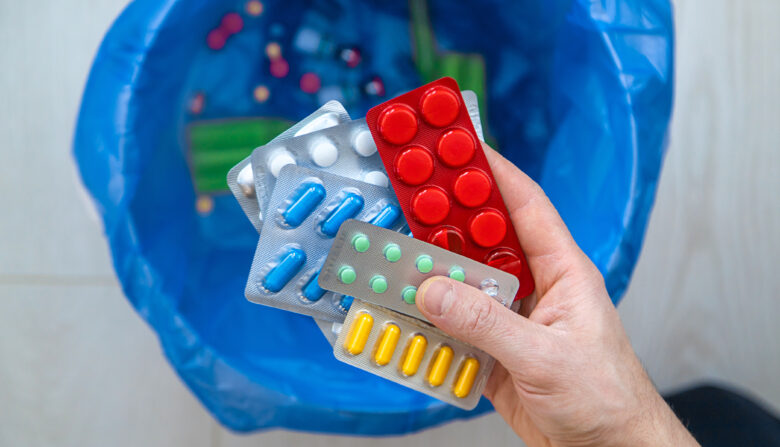
The medicine cabinet is where professional organizers often start because the decisions are easy and the wins are fast. Expired medication has an expiration date. The date has passed. That is the entire decision. Most people have not looked at expiration dates in their medicine cabinet since they moved in, which means there are things in there that expired during a different phase of their life. Most pharmacies have disposal programs. The medication does not go in the trash or the toilet. It goes to the pharmacy.
Takeout condiment packets
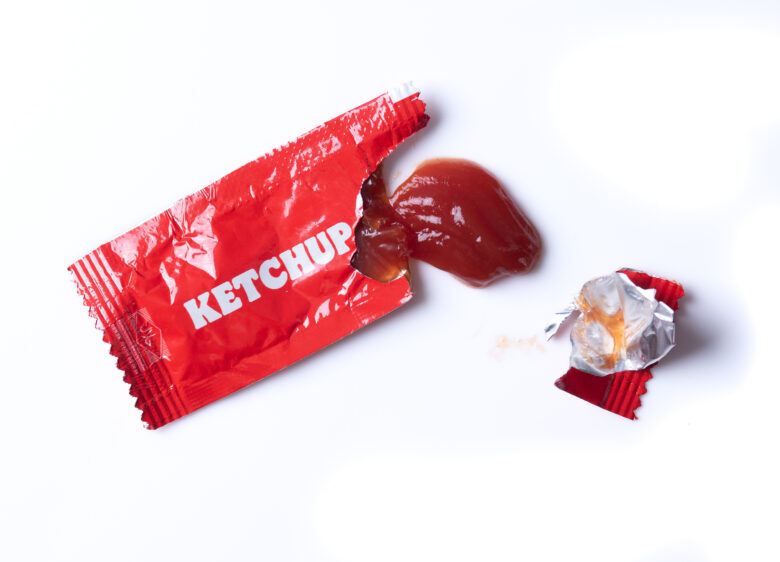
Maeve Richmond, founder of Maeve’s Method, describes these as items that just happen to be accumulated without intention, kept without purpose. The soy sauce packets from 2019. The duck sauce from a restaurant that has since closed. Reader’s Digest documents professional organizers recommending a hard cap (keep three, discard the rest) because the alternative is a drawer that fills indefinitely with objects nobody plans to use. The duck sauce will not be used.
Broken or duplicate kitchen utensils
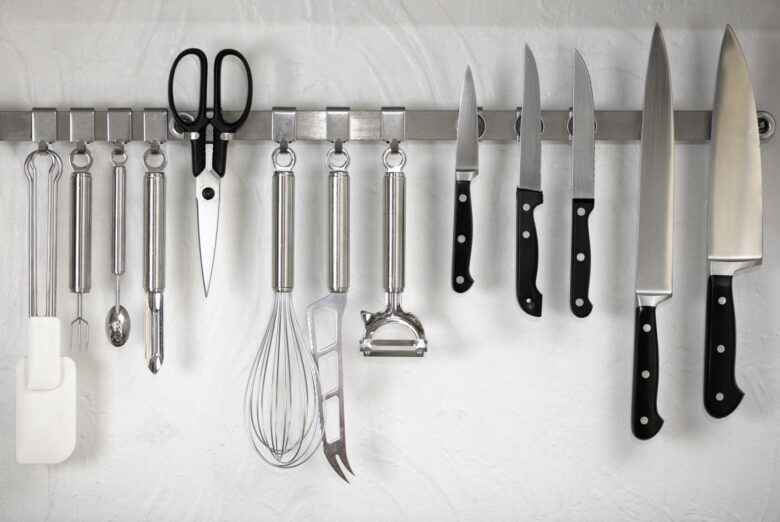
Jamie Novak, a professional organizer, recommends a box test: put everything in a box on the counter, cook normally for two weeks, return only the tools you actually reach for. What remains in the box is the answer to the question of how many spatulas a person actually needs. It is usually fewer than the drawer currently contains. Chipped, warped or peeling utensils go immediately. The rest get tested.

Books you are not going to read
Maeve Richmond identifies the guilt factor: knowing money was spent on something that went unread triggers a personal guilt response that makes letting go harder. The book bought at an airport three years ago has been moved twice. Reader’s Digest’s guidance is to sit with each unread book, determine when and why it was bought, then send the ones with no realistic reading timeline to a donation organization. The books kept are the ones with a specific plan attached, not a vague intention.

Decorative items you stopped seeing
They’re in the home so long they’re just part of the landscape, says Jamie Novak. The ceramic thing on the shelf that came from somewhere and has stayed because removing it would require a decision. Novak recommends clearing surfaces completely, then returning only what gets deliberately chosen. The objects that don’t make it back to the shelf are the ones that were never there by choice. They were there by default, which is different.
Loyalty cards with apps
Receipts, dead pens, expired coupons and loyalty cards for programs that have moved to apps. The physical card is redundant if the app exists. Professional organizers note this is the category most people skip because it feels too small to bother with. The small ones add up.
The bottom line
Certified professional organizer Mindy Godding recommends starting with low-stakes areas where decisions are easier to make. None of the items above have emotional weight. They have just never been looked at directly. That is a different problem and it has a faster solution.
Ask us! What questions do you have about content, strategy, pop culture, lifestyle, wellness, history or more? We may use your question in an upcoming article!
Related:
- 10 things to know about the 10-10 decluttering method
- 10 items you should never display on your coffee table according to designers
Like MediaFeed’s content? Be sure to follow us.
This article was syndicated by MediaFeed.co.