Famous historical mistakes that changed everything
Some decisions look reasonable in the moment. History disagrees almost immediately, and usually fast. Someone with real authority, real expertise even, looks at something genuinely new and calls it worthless. Confidently. Every time.
The same handful of catastrophic calls keep resurfacing as the textbook cases business schools still teach.
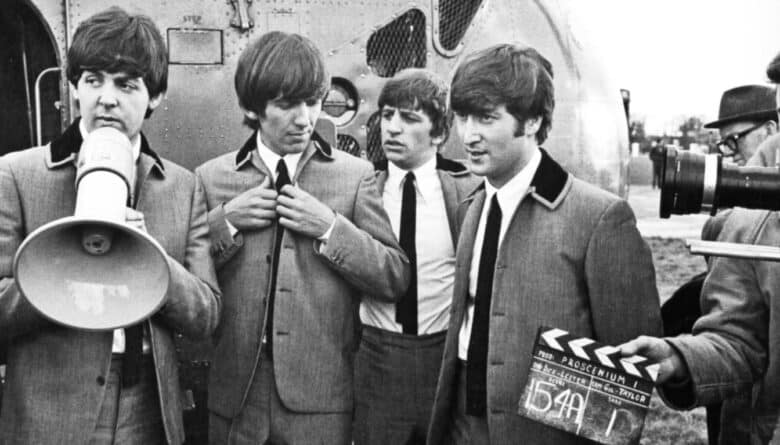
Decca Records rejects the Beatles
Ten hours. Through a snowstorm. That’s how far four musicians drove just to audition on January 1, 1962. Decca passed anyway, reportedly telling their manager that guitar groups are on their way out. EMI signed them instead. Six hundred million albums later, somebody’s still asking Decca about it.

Western Union passes on the telephone
What would you pay for a phone patent in 1876? Bell wanted $100,000. Western Union’s president laughed him out of the building, calling it an electric toy. Two years passed. Same man, completely different tune: he’d pay $25 million for it now. Too late by then, obviously.
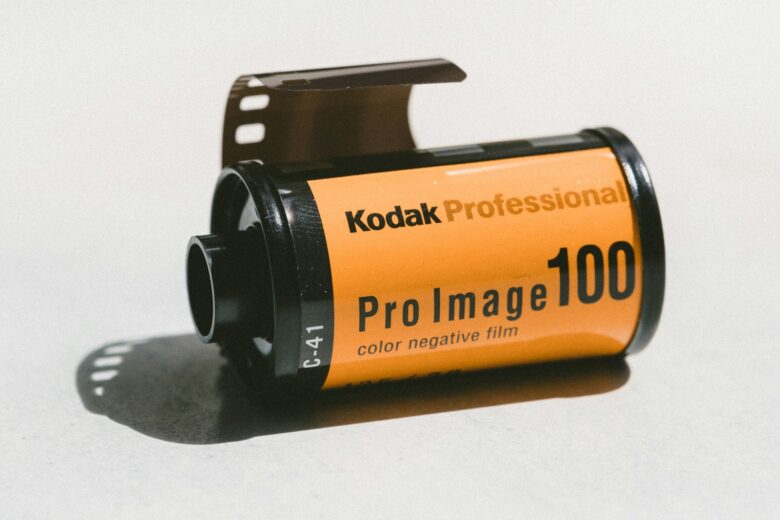
Kodak shelves its own invention
1977. Kodak’s own engineers file a patent for one of the first digital cameras ever built. The company sits on it. Film was too profitable to threaten, or so the logic went at the time. Years later, Kodak finally enters digital, selling cameras at a loss to rivals who’d had a full decade’s head start.

Excite turns down Google for $750,000
Seven hundred fifty thousand dollars. That’s what a tiny search engine called Google asked for in 1999. Excite.com said no. Google’s valuation now sits somewhere in the trillions, a gap hard to overstate no matter how many times the story gets told at dinner parties.
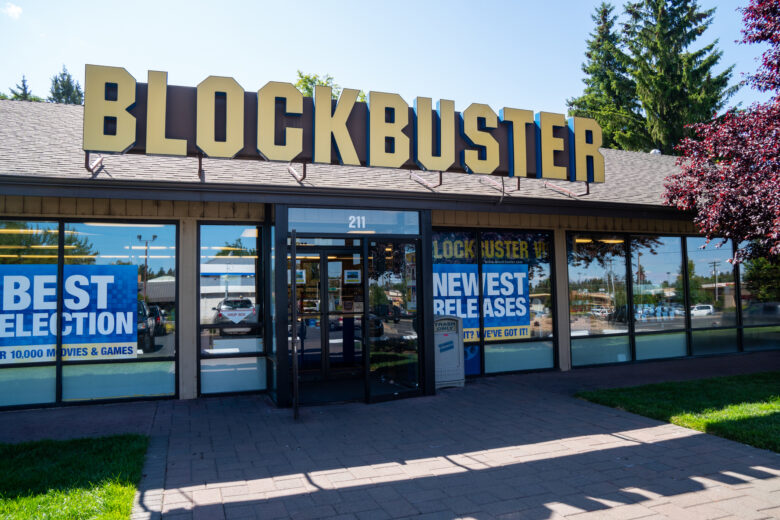
Blockbuster laughs Netflix out of the room
Dallas, 2000. Two Netflix cofounders fly in, offer to sell the whole company for $50 million. Blockbuster’s CEO calls it a niche business. Passes without much thought. “They laughed us out of the room,” one cofounder later said. Netflix: now worth over $150 billion. Blockbuster: one store left standing.
Yahoo declines to buy Facebook
A billion dollars. That’s what Yahoo offered for a college social network still finding its footing in 2006. Zuckerberg walked into the board meeting and called the whole thing a formality: we’re obviously not going to sell here, he told his own investors, who’d wanted to take the money. That billion-dollar offer reads today like a rounding error against what the company actually became.
The bottom line
Every single decision here made sense at the time, given what the people making it actually knew in that moment. That’s the real lesson hiding underneath all of it. Confidence was never the same thing as being right, and the gap between the two has cost some genuinely smart people their entire place in history.
Ask us! What questions do you have about content, strategy, pop culture, lifestyle, wellness, history or more? We may use your question in an upcoming article!
Related:
- Historical “discoveries” that turned out to be elaborate hoaxes
- Some of the most surprising record deals in music history
Like MediaFeed’s content? Be sure to follow us.
This article was syndicated by MediaFeed.co.