The worst years to be alive in the 20th century
A virus, a collapse, a pair of orders, a famine, an earthquake. Five years of the 1900s, each going wrong in a different way.
They run in order below, and many of the numbers are rounded or given as estimates, because for several of these years nobody ever counted accurately.
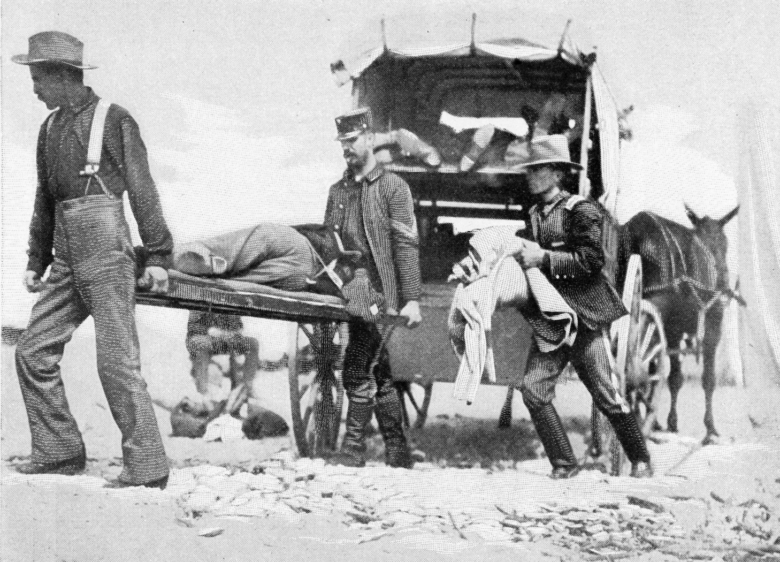
195,000 Americans, one month
A new influenza virus emerged in 1918 while World War I was still on, eventually infecting about 500 million people and causing at least 50 million deaths worldwide, including about 675,000 in the United States. The second wave, from September to November, was the deadliest, and 195,000 Americans died in October alone. Unlike most flu, it hit healthy people between 20 and 40. Nobody knew what caused it, since scientists hadn’t yet discovered viruses.
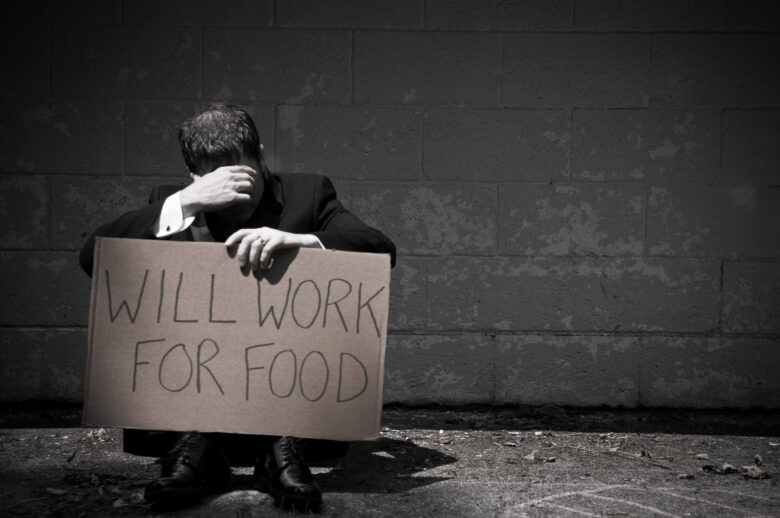
How did one in four workers end up with no job?
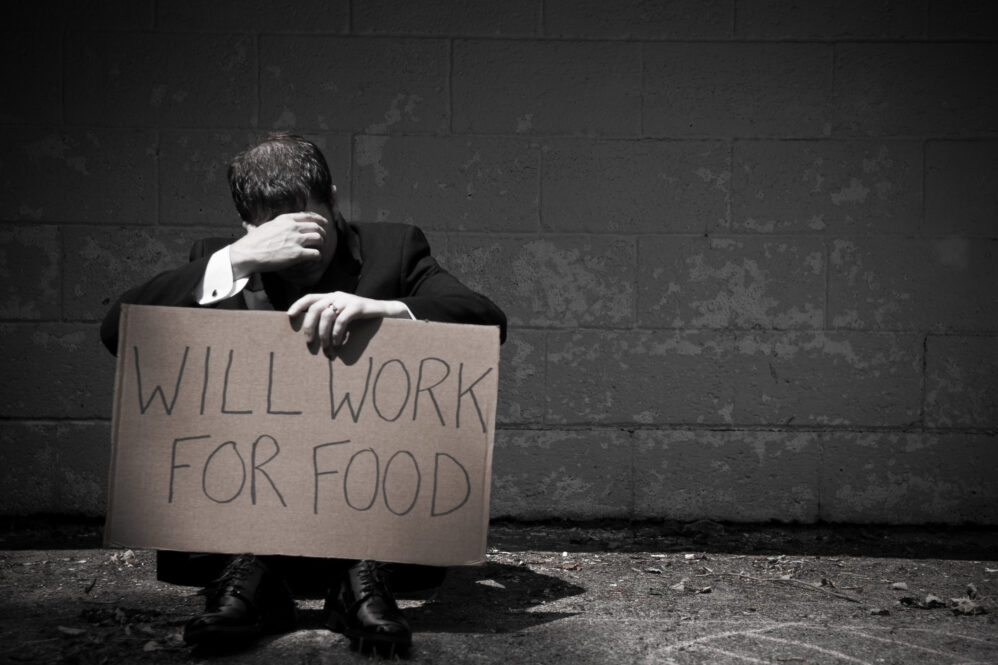
By 1932, unemployment in the United States was around 25 percent, and Black unemployment ran as high as 50 percent. The most desperate lived in Hoovervilles, shantytowns that sprang up outside American cities. Thousands of World War I veterans camped in Washington to ask for their bonuses early, and the Army cleared them out. More than a third of the country’s banks failed in the three years after 1929.
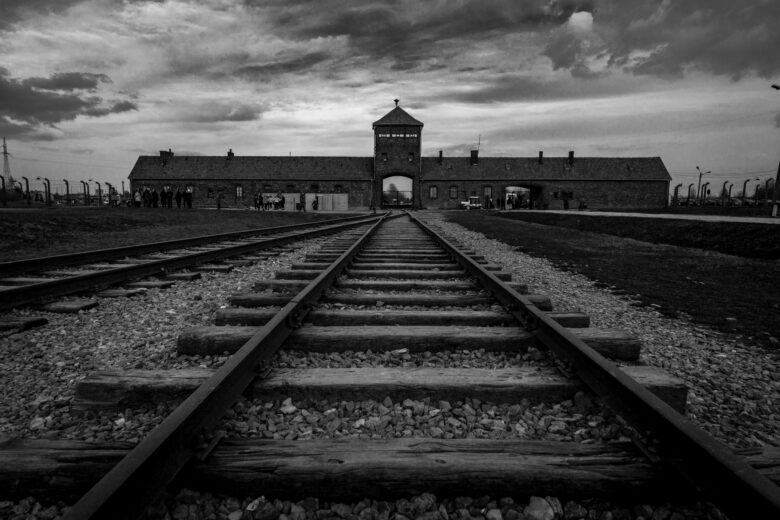
Thirty days in 1942
On January 20, fifteen senior Nazi officials met at a villa in the Berlin suburb of Wannsee to coordinate the persecution that became the Holocaust. On February 19, President Roosevelt signed Executive Order 9066, and within months about 120,000 people of Japanese ancestry, most from the West Coast, were moved into camps, often with little time to sell homes and businesses. Eleanor Roosevelt later observed that undoing a mistake is harder than not making it, and that foresight is rare.
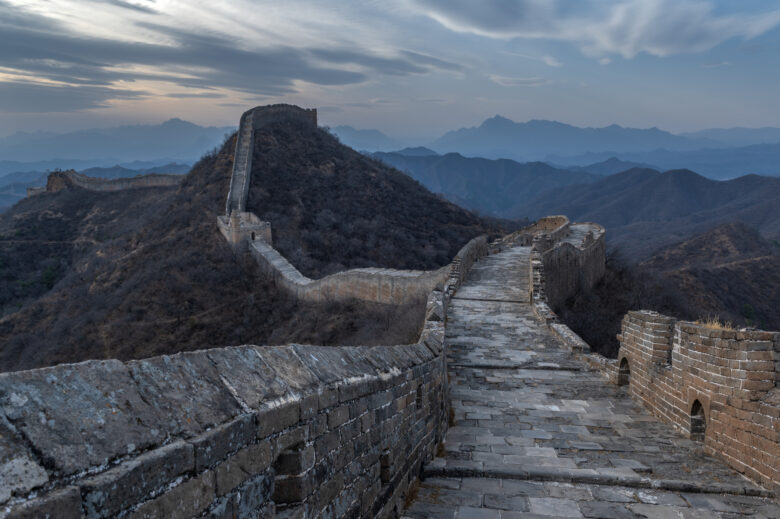
1960: Shipping out grain in the middle of a famine
China’s Great Leap Forward famine ran from 1959 to 1961, and 1960 brought the worst weather of the twentieth century there, on top of failed policies. Estimates of the death toll run from 15 million to 50 million, a range wide enough that the true figure could be off by a factor of three. China was still sending abroad about seven million tons of grain across 1959 and 1960. Researchers still can’t agree within tens of millions on how many people died.
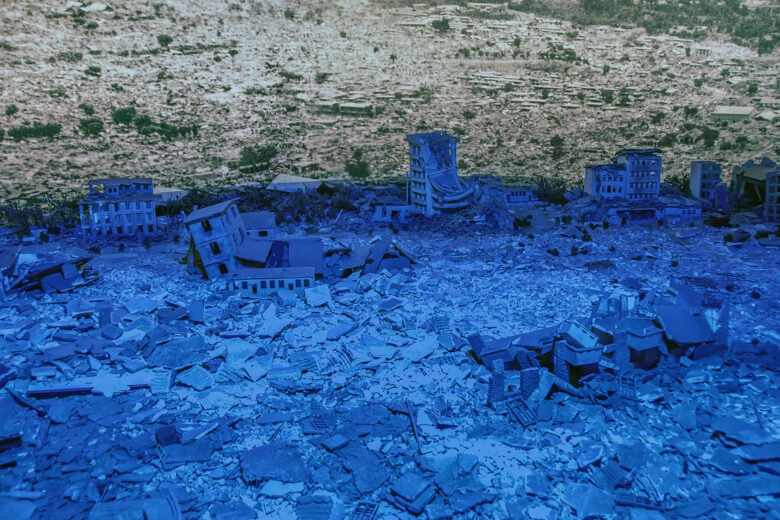
3:42 a.m.
That’s when the 1976 Tangshan earthquake hit the industrial city of Tangshan, China, on July 28, with most of its roughly one million residents asleep. The official casualty figure is 242,769 deaths, and estimates run as high as 655,000. No one was warned, and the government didn’t release any statistics until 1979. Tangshan was rebuilt, and the city marks July 28 every year.

The bottom line
Four of these five are still the benchmark in their fields: the deadliest flu, the deepest slump, one of the largest famines on record, and the deadliest earthquake of the century. The fifth was decided at a desk.
Ask us! What questions do you have about content, strategy, pop culture, lifestyle, wellness, history or more? We may use your question in an upcoming article!
Related:
- Historical “discoveries” that turned out to be elaborate hoaxes
- Some of the most surprising record deals in music history
Like MediaFeed’s content? Be sure to follow us.
This article was syndicated by MediaFeed.co.